
Feeling exhausted by mid-afternoon has become your new normal. You reach for another coffee but the boost never lasts. The constant fatigue affects your work, relationships, and overall quality of life. Many people wonder how to have more energy without extreme changes. Learning effective strategies doesn't require expensive supplements or lifestyle overhauls. Simple, science-backed changes to your daily routine can dramatically improve your vitality.
The Science of How to Have More Energy
Your body produces energy through complex biological processes. Understanding these mechanisms helps you make smarter choices. According to research from Harvard Medical School, your cells create energy through adenosine triphosphate production.
Your body's energy system depends on several key factors. Sleep quality, nutrition, hydration, and physical activity all play crucial roles. The good news is that small improvements in each area create compound effects.
Daily Habits for How to Have More Energy
Your everyday choices either fuel or drain your energy reserves. The answer to how to have more energy lies in sustainable daily habits. These create lasting improvements in how you feel throughout the day.
Nutrition Strategies That Work
What you eat directly impacts your energy levels. Understanding how to have more energy starts with proper fuel for your body. The timing and quality of your meals matter just as much as the quantity.
Start with breakfast every single morning. Research from Cleveland Clinic shows that people who eat breakfast report less fatigue. Choose high-fiber options like oatmeal that provide sustained energy. Skip the sugary cereals that cause energy crashes.
Focus on foods with a low glycemic index. These release sugar slowly into your bloodstream and prevent energy spikes and crashes. Good options include:
-
Whole grains like brown rice and quinoa
-
High-fiber vegetables and leafy greens
-
Nuts, seeds, and healthy fats
-
Lean proteins like chicken and fish
-
Legumes and beans
Eat smaller meals more frequently throughout the day. Large meals require significant digestive energy and often lead to that post-lunch slump. Spacing out your calories prevents energy deficits from hitting.
Stay hydrated at all times. Even mild dehydration causes fatigue and affects your concentration. Aim for at least eight glasses of water daily. Your urine should be pale yellow, not dark.
Movement and Exercise
Physical activity might seem counterintuitive when you're already tired. However, exercise actually boosts your energy levels in multiple ways. Movement increases blood flow and oxygen delivery to your cells.
According to Johns Hopkins Medicine, even a few minutes of movement prevents energy dips. Take short walking breaks every hour if you work at a desk. Stand up and stretch regularly.
Aim for at least 150 minutes of moderate exercise weekly. This doesn't require gym memberships or intense workouts. Walking, swimming, or cycling all count. The key is consistency rather than intensity.
Morning exercise provides the biggest energy boost. A quick walk in morning sunshine helps regulate your circadian rhythm. This improves both daytime energy and nighttime sleep quality.
Sleep Quality and Recovery
Quality sleep recharges your body and mind more than any other single factor. Sleep is essential when learning how to have more energy naturally. Most adults need seven to nine hours nightly.
Your sleep schedule matters as much as duration. Going to bed and waking up at consistent times helps regulate your body's internal clock. This makes falling asleep easier and improves sleep quality.
Create an optimal sleep environment with these practices:
-
Keep your bedroom cool and completely dark
-
Remove electronic devices at least an hour before bed
-
Avoid caffeine after 2 PM since it stays in your system for hours
-
Limit alcohol consumption as it disrupts sleep quality
-
Establish a relaxing bedtime routine
Poor sleep affects energy in ways beyond simple tiredness. It impairs cognitive function, mood regulation, and physical performance. Prioritizing sleep creates immediate and noticeable improvements in daily energy.
Consider power naps for additional recovery. A 20 to 30-minute nap can boost alertness without interfering with nighttime sleep. Don't nap too late in the afternoon though.
Lifestyle Factors for How to Have More Energy
Beyond diet, exercise, and sleep, several other factors influence daily vitality.
Stress drains energy faster than almost anything else. Chronic stress keeps your body in fight-or-flight mode. Practice stress management through meditation, yoga, or simple breathing exercises.
Limit alcohol intake as it significantly impacts energy. Even small amounts disrupt sleep patterns and cause fatigue.
Reduce or eliminate caffeine dependence. While coffee provides a temporary boost, relying on it creates highs and crashes. Limit coffee to mornings only.
Get regular sunlight exposure for vitamin D production. Natural light regulates your circadian rhythm and boosts mood.
Review your medications with your doctor regularly. Some prescriptions have fatigue as a side effect.
Smart Support Strategies for More Energy
Sometimes lifestyle changes need extra support to create lasting improvements. Strategic supplementation and innovative delivery methods can complement your healthy habits.
Many people turn to energy drinks or excessive caffeine. These provide temporary spikes followed by crashes that leave you worse off. Your body needs sustainable support that works with its natural processes.
Certain nutrients play crucial roles in energy production. B vitamins, for instance, help convert food into usable energy. However, traditional pills must survive your digestive system before reaching your bloodstream. This process reduces their effectiveness.
Transdermal delivery offers an alternative approach. Patches deliver nutrients directly through your skin into your bloodstream. This method bypasses digestive barriers and provides steady, sustained support throughout the day.
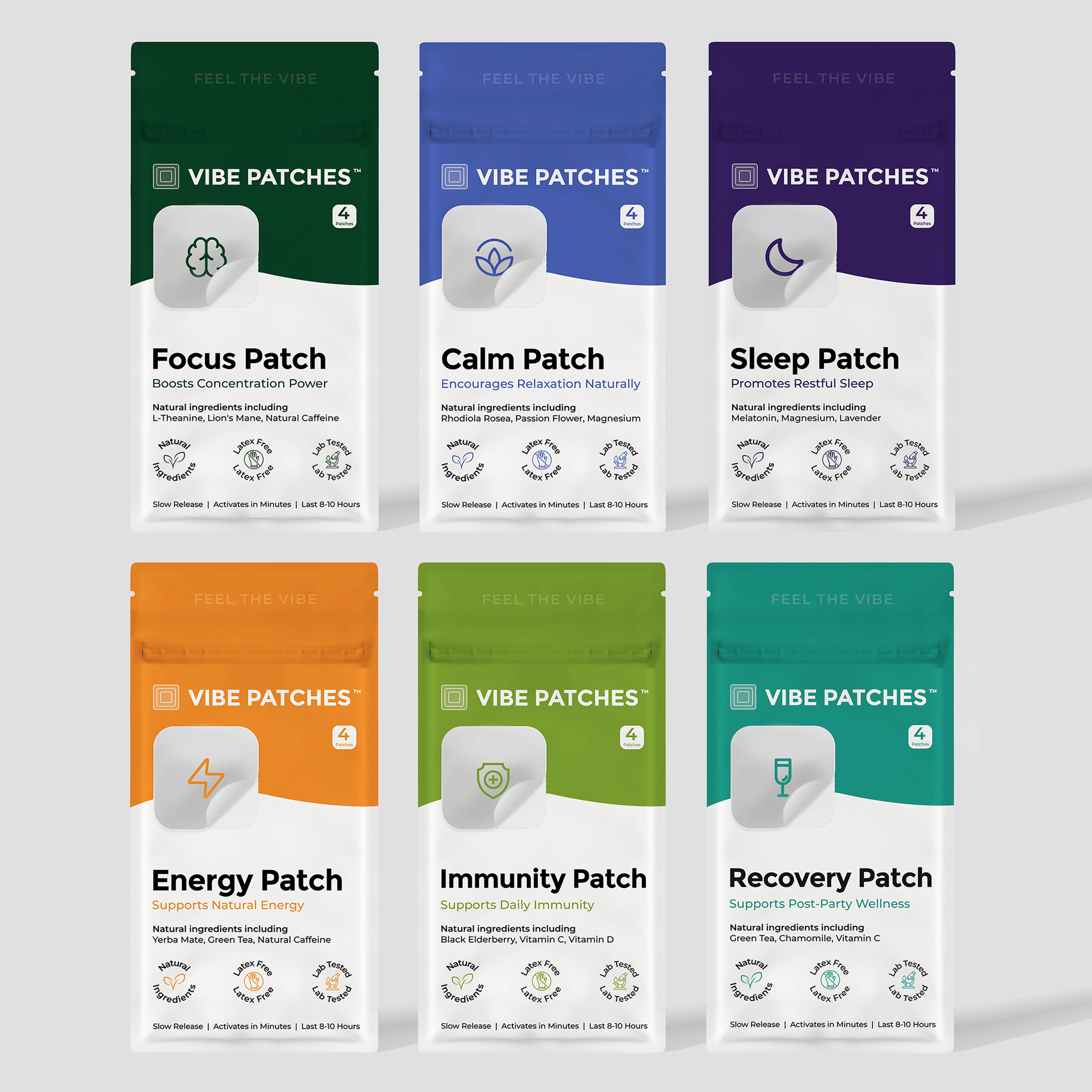
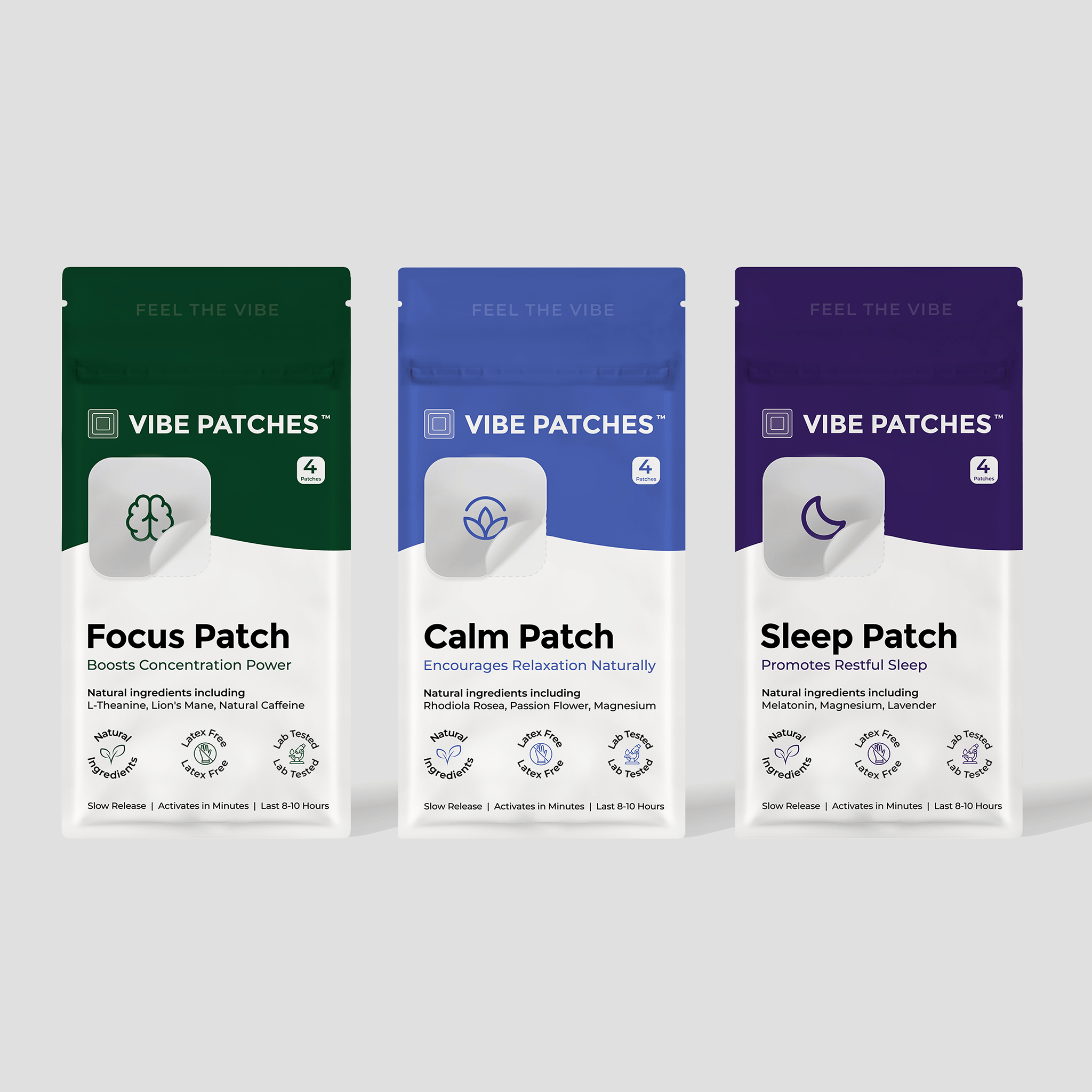
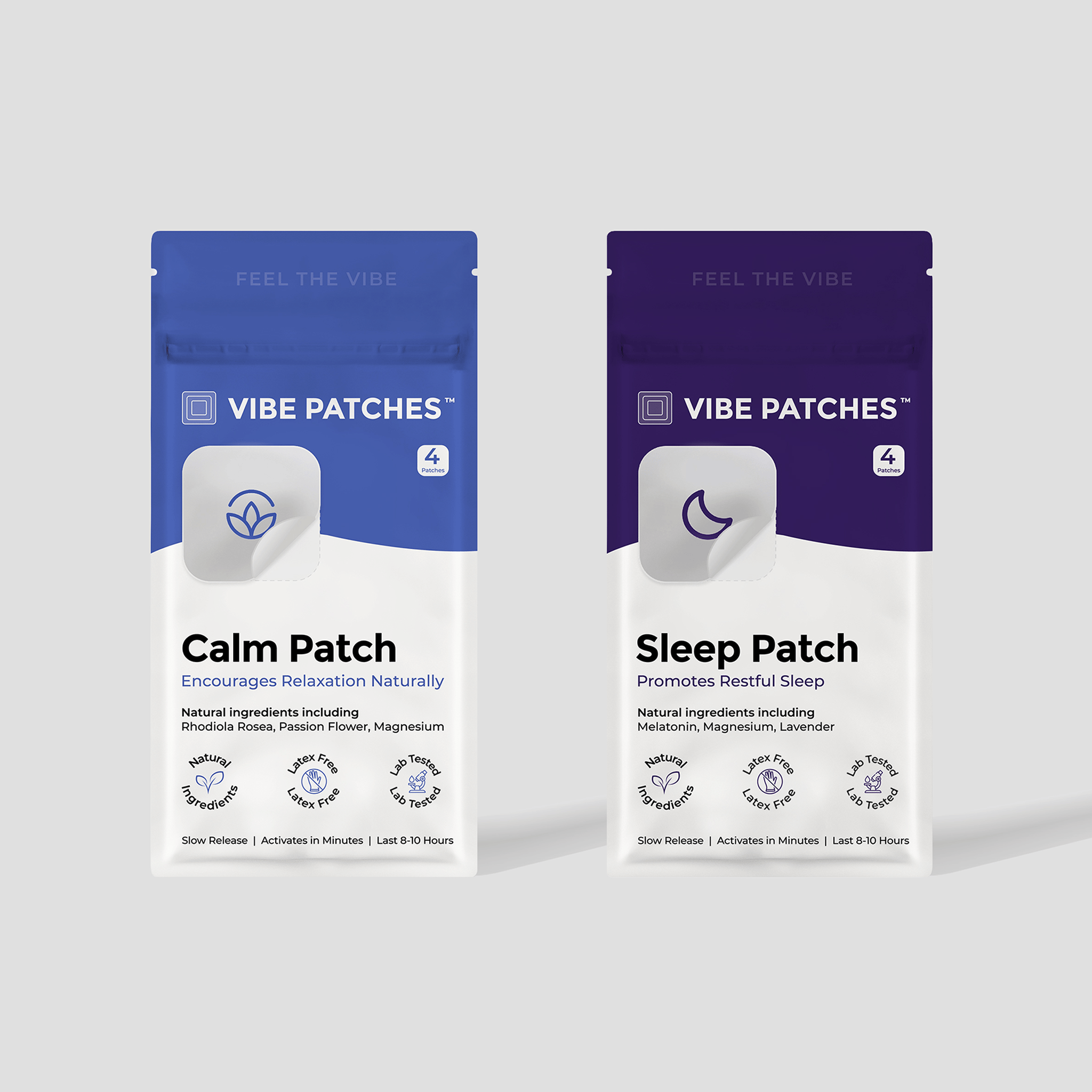
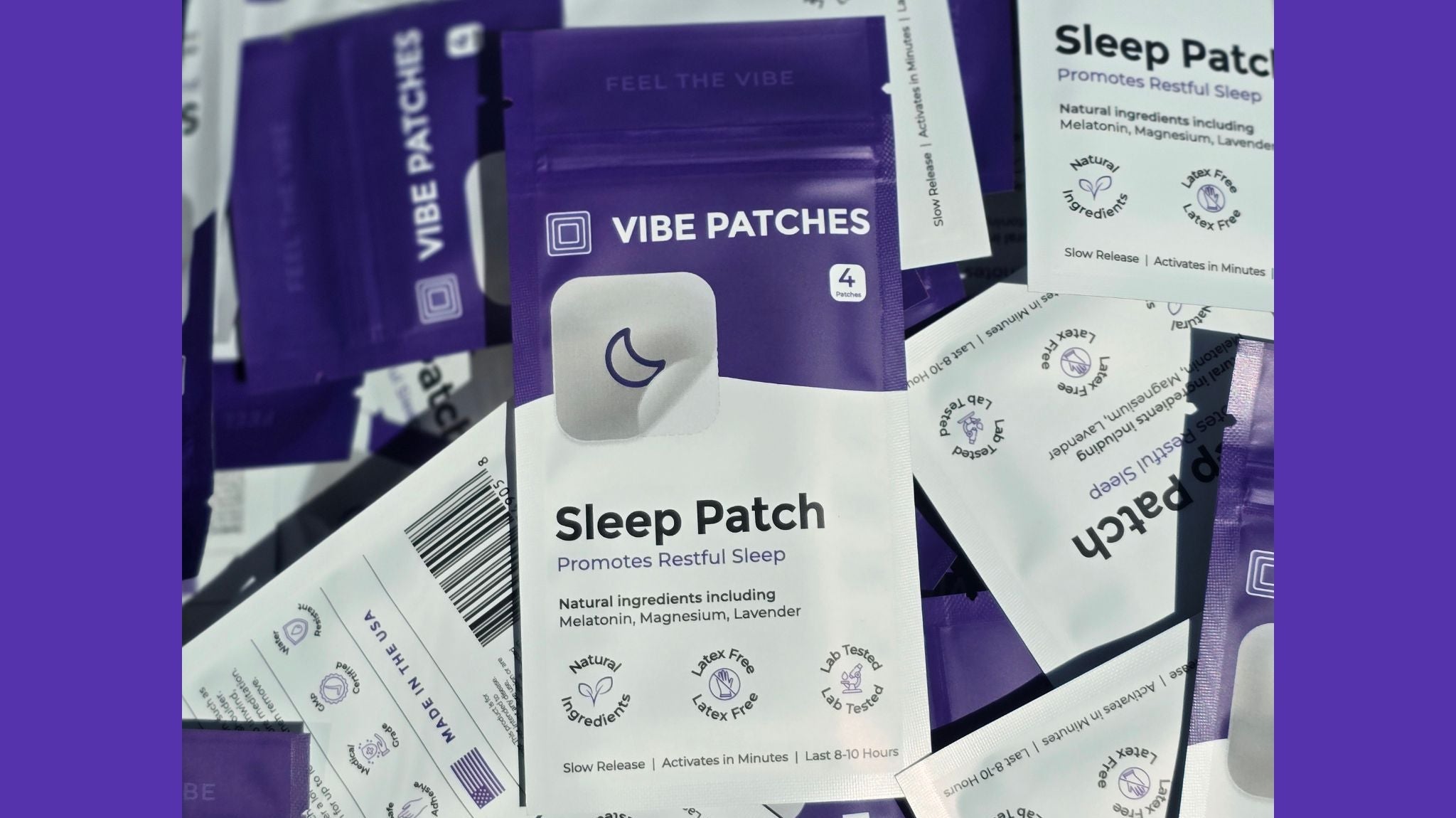
Quality Sleep Patches help you get better rest for natural energy recovery. A Focus Patch supports mental clarity when you need to concentrate.
Boost Your Energy with Vibepatches
Understanding how to have more energy empowers you to make better daily choices. The combination of proper nutrition, regular movement, quality sleep, and stress management creates lasting vitality. Small consistent changes add up to dramatic improvements in how you feel.
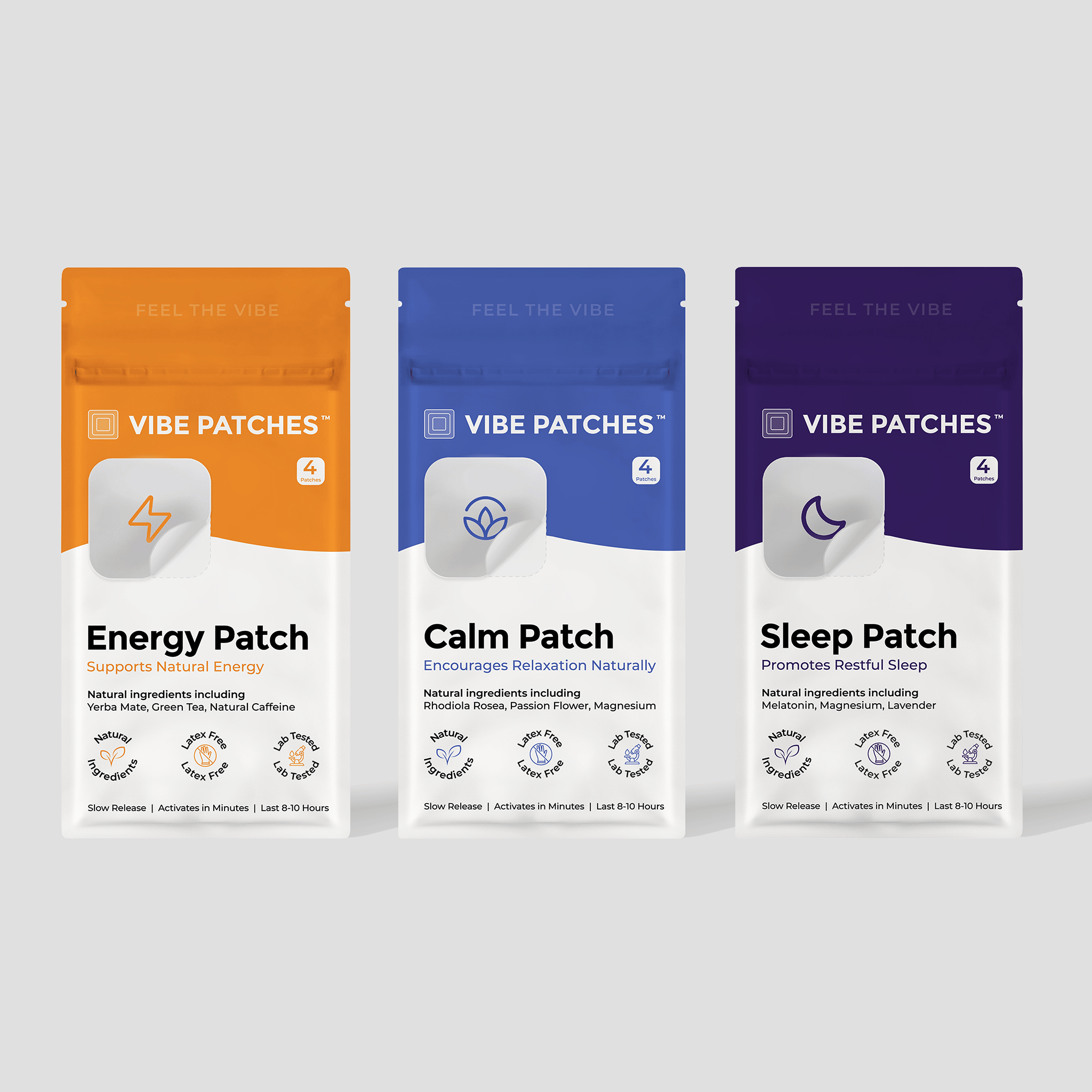
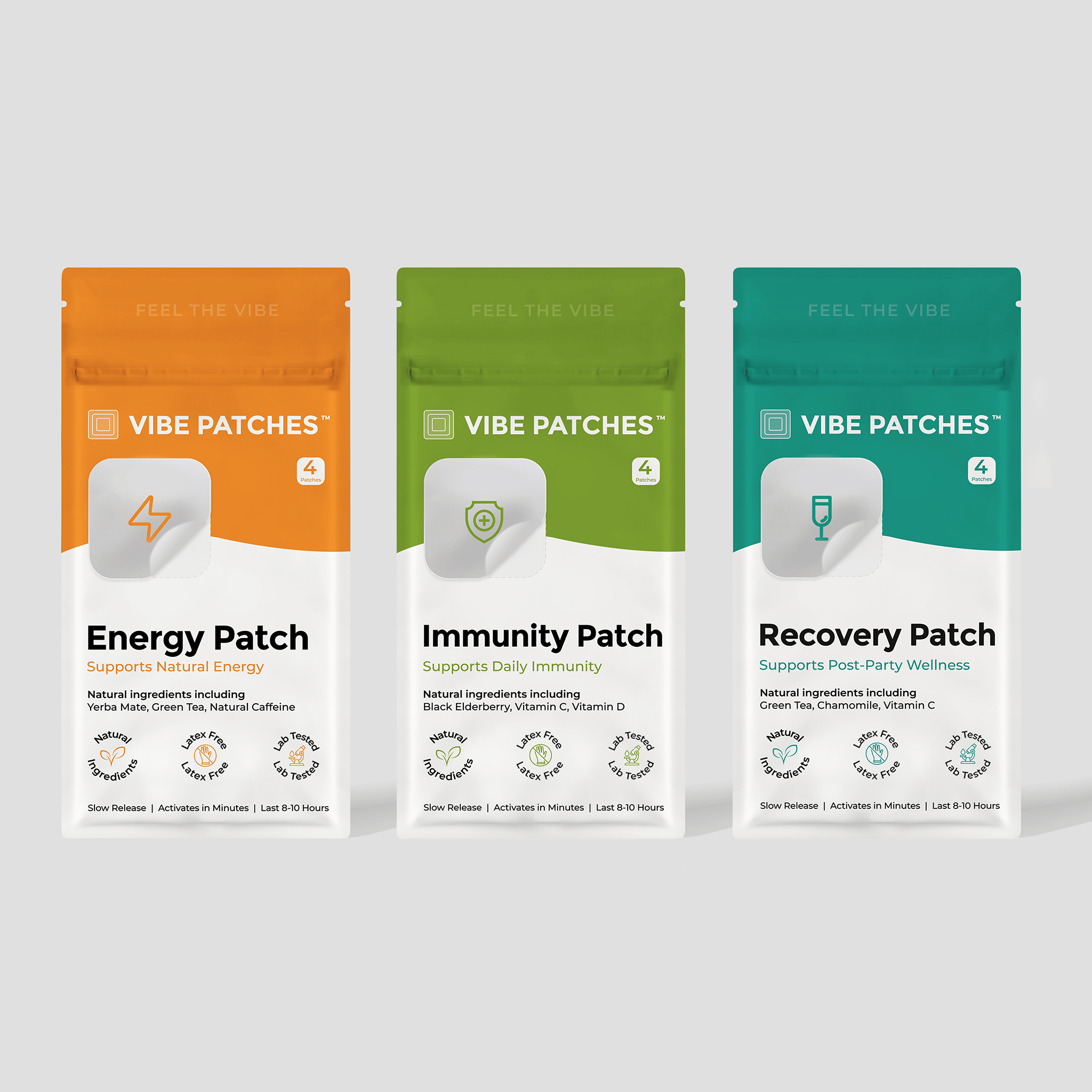
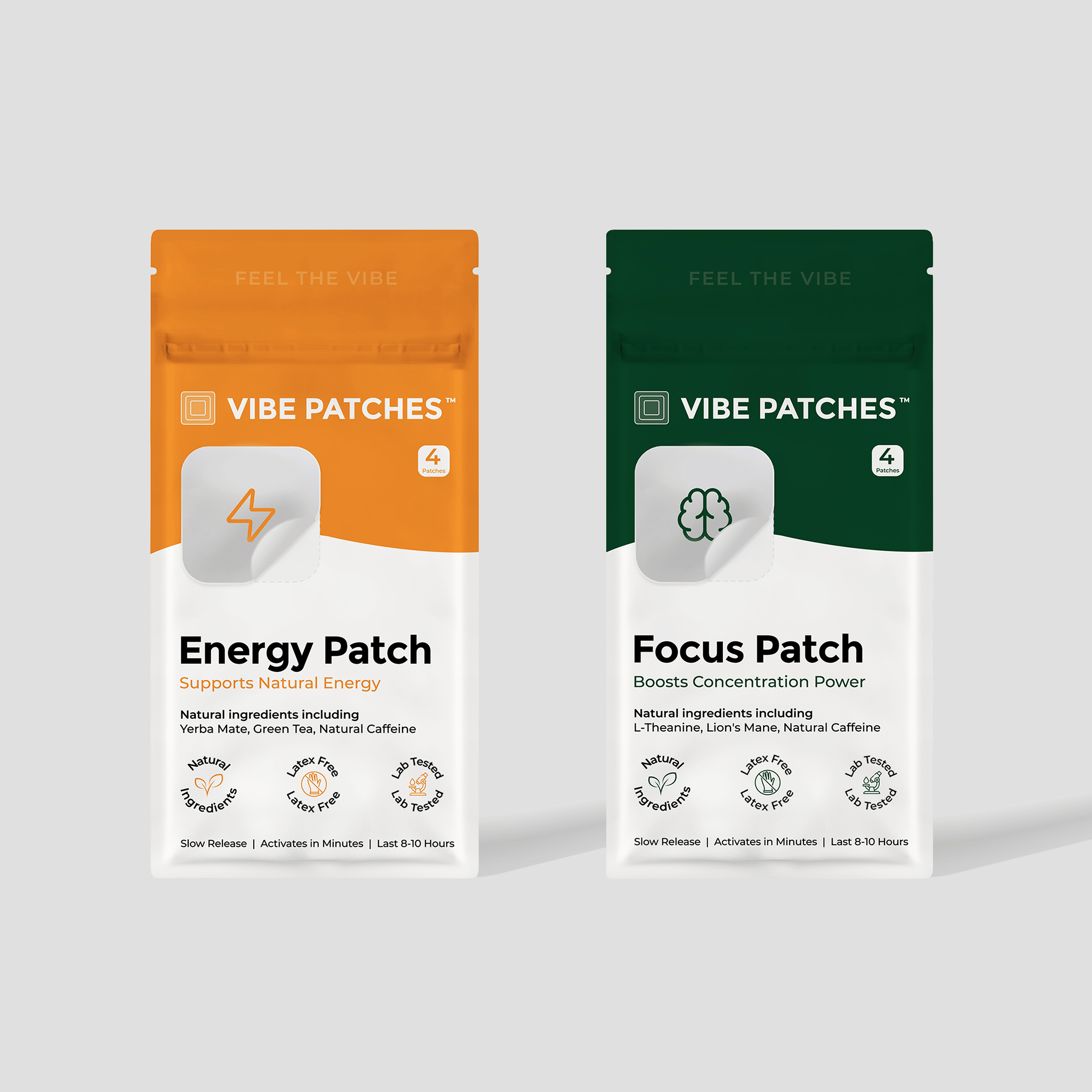
Vibepatches created an Energy Patch specifically designed to support your natural energy production. The transdermal patch delivers carefully selected ingredients throughout your day. Unlike pills or drinks that create spikes and crashes, the patch provides steady support.
The patch works alongside your healthy lifestyle habits rather than replacing them. Apply it in the morning and let the innovative delivery system work while you go about your day. The ingredients support your body's natural energy pathways without artificial stimulants.
Ready to experience sustained energy without the jitters or crashes? Explore our Energy Patch and discover how transdermal technology can support your active lifestyle. Browse our complete collection for comprehensive wellness solutions. Your future energized self is waiting.
Medical Disclaimer: This content is for informational purposes only and does not constitute medical advice. Always consult a healthcare provider for concerns about fatigue or energy levels. Persistent low energy may indicate underlying health conditions requiring professional evaluation.
Sources:
Harvard Medical School - Natural Ways to Boost Energy
Cleveland Clinic - Power Up: 10 Ways To Boost Your Energy Naturally