
Waking up after a short night and feeling queasy is not just in your head. If you have ever wondered can lack of sleep cause nausea, the short answer is yes. Sleep deprivation triggers real physiological changes that directly affect your digestive system, stress hormones, and nervous system function. This post explains exactly how that happens and what you can do about it.
How Sleep Deprivation Affects Your Body
Can lack of sleep cause nausea is best answered by first understanding what happens inside your body when sleep is cut short. Poor sleep is not simply a matter of feeling tired. It sets off a chain of biological responses that touch almost every system in your body, including your gut.
What Happens to Your Stress Hormones When You Miss Sleep
When you do not get enough sleep, your body responds as if it is under threat. Cortisol and adrenaline levels rise. Your sympathetic nervous system, which governs your fight-or-flight response, becomes more active. This hormonal shift has a direct effect on your digestive system.
Research from the NIH confirms that sleep deprivation significantly elevates cortisol levels and disrupts the normal hormonal balance your body depends on for recovery and regulation. Elevated cortisol slows gastric emptying, increases stomach acid production, and alters gut motility. These changes create the physical conditions that produce nausea.
How Your Gut and Brain Are Connected
Your gut and brain communicate through the vagus nerve via a pathway researchers call the gut-brain axis. When your brain is stressed or sleep-deprived, it sends signals down this pathway that directly alter how your digestive system behaves. Your gut is sometimes called the second brain because it contains over 100 million nerve cells and responds to stress and sleep disruption in real time.
Research published in the Journal of Clinical Gastroenterology identifies sleep disruption as a significant trigger for gastrointestinal symptoms including nausea, bloating, and altered bowel function. The gut-brain connection means that what happens in your mind and nervous system registers physically in your stomach.
Other Ways Can Lack of Sleep Cause Nausea
The cortisol and gut-brain connection are the primary mechanisms, but several additional pathways explain why sleep deprivation so reliably produces nausea and gastrointestinal discomfort. Here are the key contributing factors:
-
Blood sugar dysregulation. Sleep deprivation impairs insulin sensitivity and glucose regulation. Blood sugar instability, particularly low blood glucose in the morning after a poor night, is a well-known trigger for nausea.
-
Vestibular disruption. Your inner ear and balance system are sensitive to fatigue. Sleep deprivation can cause mild dizziness and motion sensitivity that contributes to nausea, particularly when combined with low blood pressure on waking.
-
Delayed gastric emptying. Elevated cortisol and disrupted autonomic nervous system function slow the rate at which your stomach empties food into the small intestine. Food sitting longer in the stomach produces feelings of fullness, discomfort, and nausea.
-
Inflammatory response. Short sleep duration increases circulating inflammatory markers. Chronic low-grade inflammation can irritate the gastric lining and contribute to nausea over time.
-
Skipped meals. People who sleep poorly often skip breakfast or eat irregularly, which compounds blood sugar instability and worsens nausea.
When Can Lack of Sleep Cause Nausea to Become a Concern
Occasional nausea after a poor night of sleep is unpleasant but generally not a medical concern. It typically resolves with rest, food, and hydration. However, some situations call for closer attention. Here are the signs that nausea related to sleep deprivation warrants professional advice:
-
Nausea is severe or persistent and does not improve with rest and eating
-
You experience vomiting, significant abdominal pain, or blood in your stool
-
Nausea occurs alongside chest pain, shortness of breath, or neurological symptoms
-
Symptoms recur regularly and are significantly affecting your daily function
-
You have an underlying condition such as irritable bowel syndrome, anxiety disorder, or a cardiovascular condition
For most people, addressing the sleep deprivation directly resolves the nausea. The body recovers quickly when sleep quality improves.
How to Feel Better After a Poor Night
Whether you slept badly because of stress, a late night, or disrupted sleep cycles, your body needs specific support to recover. Here is what helps most effectively:
-
Eat a small, easy-to-digest breakfast. Plain foods like toast, banana, or oats stabilise blood sugar without aggravating a sensitive stomach.
-
Drink water before anything else. Dehydration compounds nausea significantly. Rehydrate before reaching for coffee or food.
-
Get some fresh air and light movement. A short walk increases circulation, supports blood sugar regulation, and helps your nervous system shift out of stress mode.
-
Avoid greasy or high-sugar foods. These are harder to digest and spike blood sugar in ways that worsen nausea when your gut is already sensitised.
-
Rest if you can. Even a 20-minute nap in the early afternoon can reduce cortisol and give your body a partial recovery window.
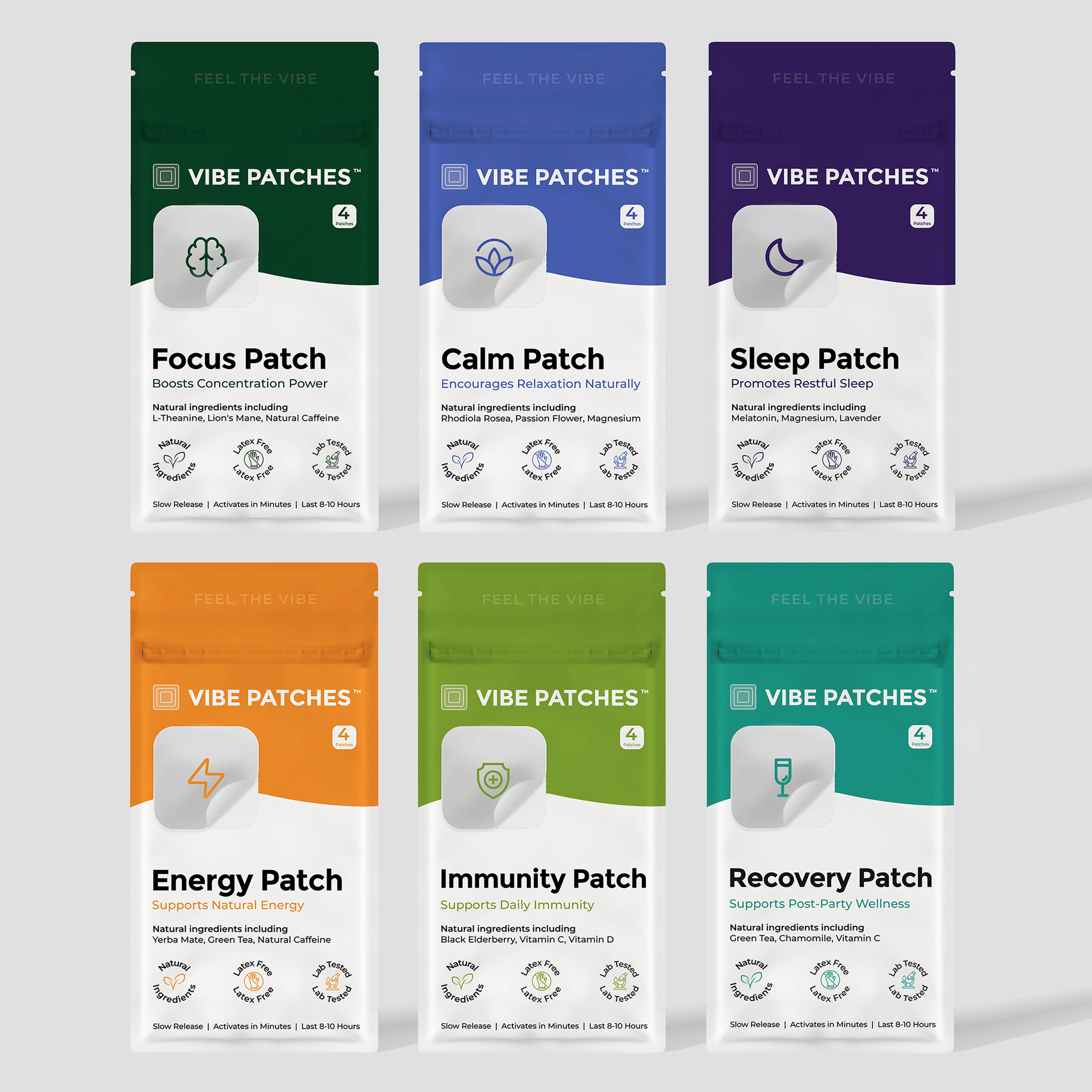
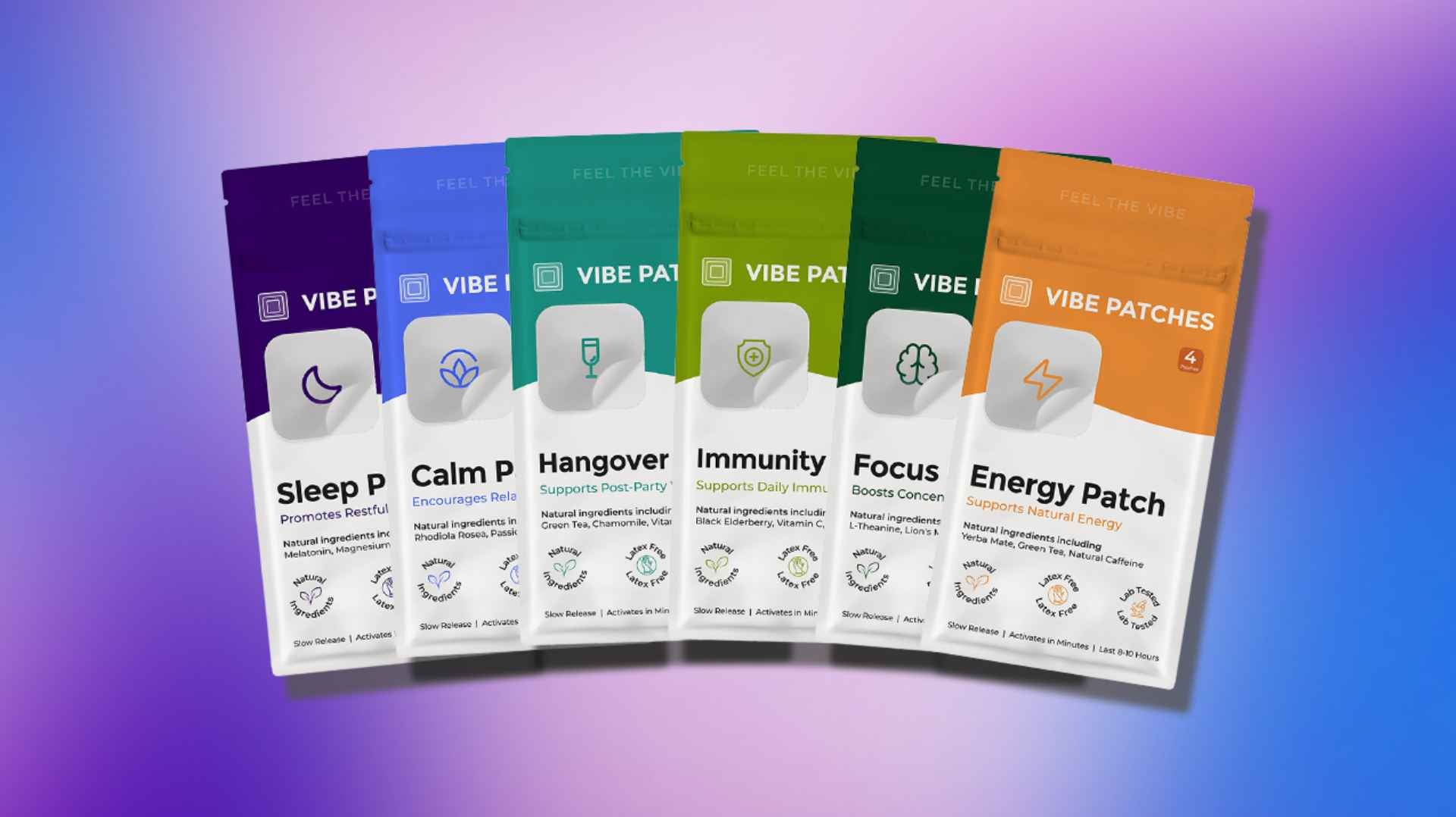
If alcohol contributed to your poor night and is worsening your nausea and general recovery, the Hangover Patch from Vibe Patches delivers recovery-supporting nutrients directly through the skin. Transdermal delivery bypasses your already-sensitised digestive system entirely for more comfortable absorption when your stomach is unsettled.
If your sleep quality is a recurring issue that regularly leaves you starting the day feeling unwell, addressing the root cause makes a far bigger difference than managing individual symptoms. The Sleep Patch from Vibe Patches delivers sleep-supporting nutrients gradually through the skin throughout the night for steady, sustained support without the peaks and drops of oral formats.
On days when sleep deprivation has left your energy and focus depleted alongside nausea, the Focus Patch from Vibe Patches provides steady cognitive support through transdermal delivery without the stomach sensitivity that can come with oral supplements or large doses of caffeine. And when your energy simply needs a reliable lift to get through the day, the Energy Patch from Vibe Patches delivers gradual, sustained energy through the skin with no crash.
When your body needs consistent support after disrupted sleep, Vibe Patches delivers key nutrients directly through your skin for steady, comfortable recovery through the day. Browse the full range at the Vibe Patches collections page and find what your body needs right now.
Medical Disclaimer: This content is for informational purposes only and does not constitute medical advice. Always consult a healthcare provider for concerns about nausea, sleep disorders, or gastrointestinal symptoms. If you experience severe or persistent nausea, vomiting, abdominal pain, or symptoms that interfere with daily functioning, seek immediate medical attention.
Sources:
National Institutes of Health - Sleep Deprivation and Cortisol Dysregulation
Journal of Clinical Gastroenterology - Sleep Disruption and Gastrointestinal Symptoms
Sleep Foundation - Sleep Deprivation and Physical Health Effects