
Taurine supplementation has solid research behind it, but the dosage question doesn't always get a clear answer. How much taurine should I take is a practical question with a clear range of answers. The right amount depends on your goal, current dietary intake, and any health conditions. This blog covers the research-backed dosage ranges, what influences them, and when you should stay cautious.
How Much Taurine Should I Take: Dosage by Goal
How much taurine should I take depends on what you want to support. Dosage recommendations split into two broad categories. General daily maintenance and targeted supplementation for performance or cardiovascular support.
General Daily Wellness
For general daily use, most nutritional guidelines suggest starting at 500 mg to 1,000 mg per day. A comprehensive review of taurine confirms this as the most common standard supplementation range. This sits well above typical dietary intake but far below thresholds associated with side effects.
500 mg per day is a sensible entry point for most healthy adults. It replenishes taurine beyond what diet alone provides without introducing any unnecessary load. Many people start here and assess their response over two to four weeks before adjusting.
Exercise, Performance, and Therapeutic Use
For exercise recovery, physical endurance, or specific health support targets, research consistently uses higher doses. WebMD's clinical summary on taurine notes that studies on cardiovascular or CNS support use 1,000 mg to 3,000 mg per day. These doses appear consistently safe in clinical trials for healthy adults.
Athletes often find 1,500 mg to 2,000 mg per day effective for muscle soreness, recovery, and endurance. Multiple exercise studies have used these ranges without adverse effects across weeks or months of supplementation.
How Much Taurine Should I Take Safely: What the Research Shows
Safety is the first thing most people want confirmed before they start supplementing. How much taurine should I take without causing problems is answered clearly by research. Tolerance margins are wider than most people expect.
The European Food Safety Authority (EFSA) evaluated taurine extensively across populations. Their assessment, referenced in Healthline's taurine dosage review, found that 6,000 mg per day is safe for most adults without negative side effects. This is a notably generous threshold compared to many other amino acids and supplements.
Cleveland Clinic registered dietitians clarify that healthy adults who already synthesize adequate taurine internally still tolerate supplemental doses well. Short-term supplemental use is well tolerated overall. Anyone on blood pressure or anti-seizure medications should consult a doctor before high-dose use.
How Dietary Intake Shapes Your Supplement Needs
Before choosing a dose, knowing how much taurine should I take starts with your baseline dietary intake. Your current diet already provides some taurine, and that amount varies significantly based on what you eat.
WebMD data shows the average diet provides 123 to 178 mg of taurine daily for omnivores. Vegetarians and vegans get essentially zero from diet since taurine is absent from plant foods. Plant-based eaters start from a lower baseline and often need higher doses to reach effective levels.
These factors influence how much you need from supplements:
-
Dietary pattern: Vegans and vegetarians may need 500 mg or more to match omnivore baseline intake.
-
Activity level: Regular training depletes taurine faster through oxidative stress in muscle tissue
-
Age: Taurine synthesis declines with age, creating a growing gap between body production and tissue needs
-
Stress load: Chronic stress depletes amino acid reserves including taurine, raising the need for replenishment
-
Health conditions: Kidney disease, certain metabolic disorders, and heavy alcohol use can reduce taurine availability
When to Be More Cautious About Taurine Dosage
Asking how much taurine should I take requires extra care in a few specific situations. A few situations call for more care in how much you take and how quickly you increase.
Use more caution in these situations:
-
You take blood pressure medications, since high-dose taurine can have a mild hypotensive effect
-
You take anti-seizure medications, as taurine interacts with GABA pathways that some medications also target
-
You have chronic kidney disease, since impaired kidney function affects amino acid processing
-
You're pregnant or breastfeeding, where supplemental intake beyond dietary amounts hasn't been well studied
-
You're starting with a high baseline caffeine or stimulant intake from energy products alongside taurine
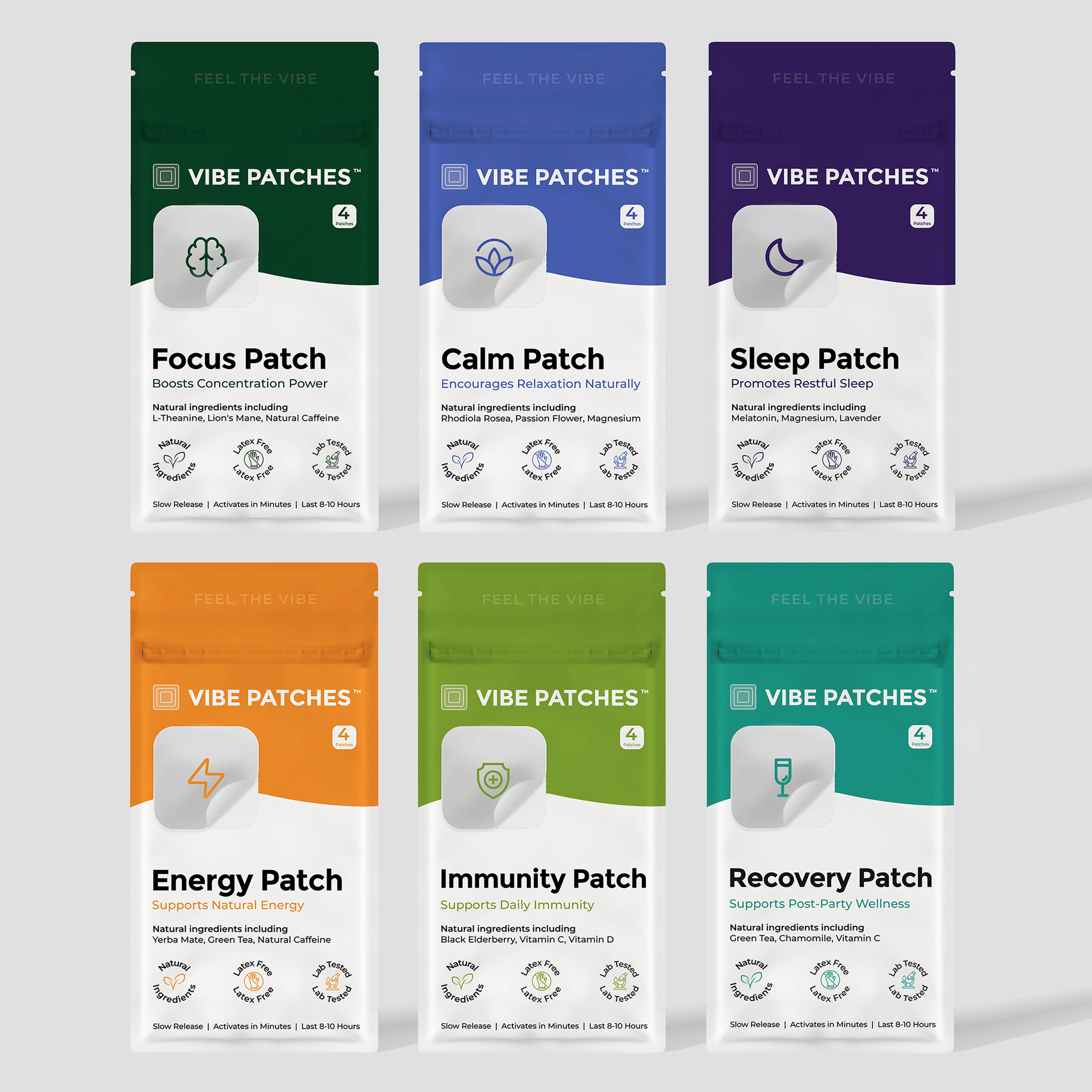
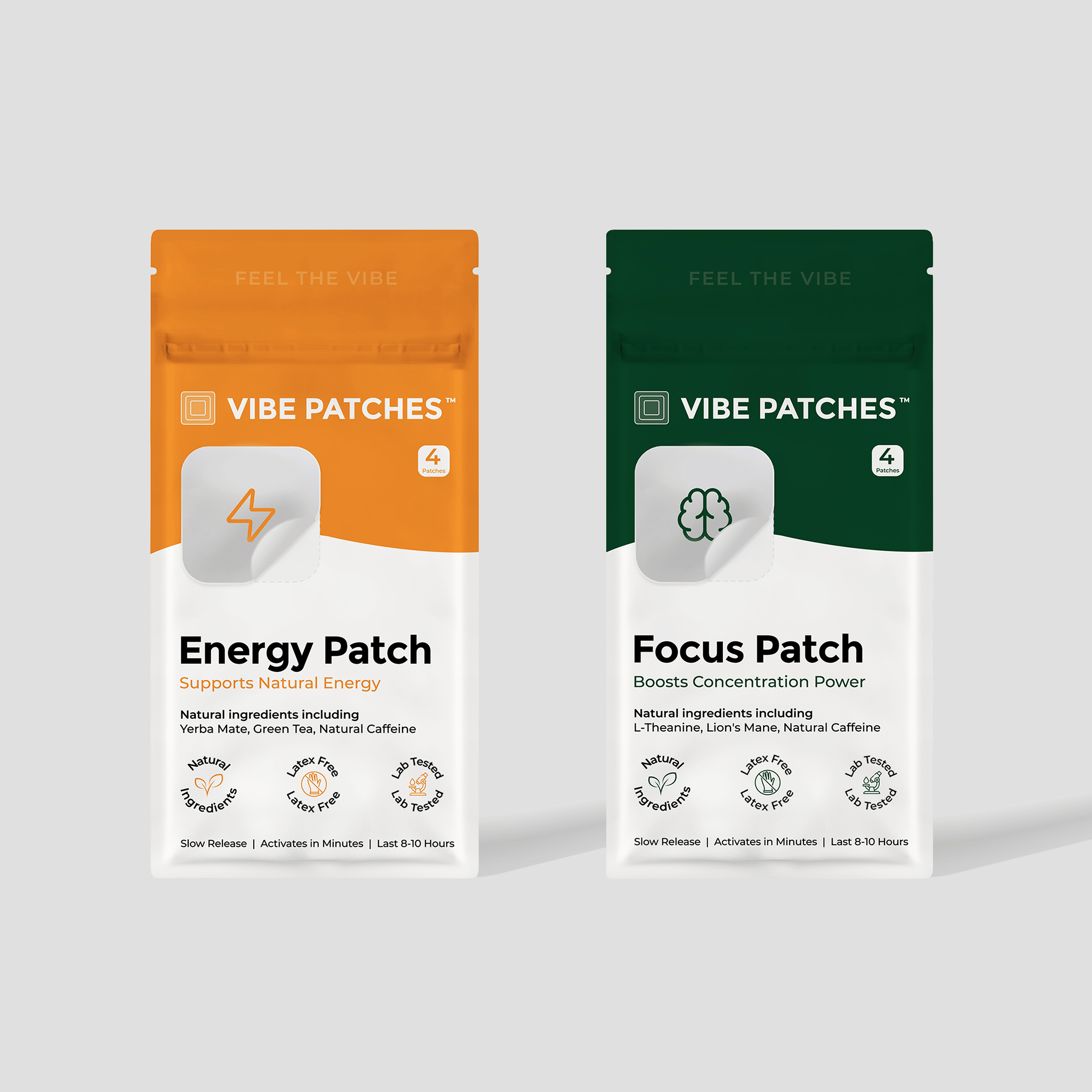
For people using wellness patches alongside taurine supplementation, timing and layering matter. The Energy Patch delivers stamina support through Yerba Mate, Ginseng, and CoQ10. The Hangover Patch supports overnight recovery through antioxidant and B vitamin delivery. Both address recovery systems that taurine also supports, making them complementary rather than redundant.
Signs Your Taurine Intake Isn't Right
Taurine rarely causes problems, but excessive intake can produce mild digestive symptoms in some people. These are your body's signals to adjust.
Watch for these indicators:
-
Nausea or stomach discomfort: Typically signals too high a dose, especially when taken without food. Reduce by 250 to 500 mg and try again with a meal.
-
Loose stools: High doses of amino acids can affect gut transit in some people. Lower the dose or split it across two daily servings.
-
No effect after 4 to 6 weeks: You may need a higher dose or different approach.
-
Unusual fatigue: Rare, but some people report this during high-dose use. Monitor and consult a healthcare provider if it persists.
The Immunity Patch and Sleep Patch from Vibe Patches support cellular recovery and restorative sleep, working alongside taurine's recovery goals.
Find Your Ideal Dosage and Support Your Wellness Routine
How much taurine should I take for wellness falls in the 500 to 1,000 mg range daily. For exercise performance, 1,500 to 3,000 mg per day is research-backed and within established safety margins. Always start low, assess over a few weeks, and consult a provider if you take medications.
Vibepatches builds each formula around systems that taurine supports: cellular energy, recovery, and daily resilience. Check the ingredients page for a full breakdown of each patch formula. Explore the full collection to find the daily wellness routine that matches your goals.
Medical Disclaimer: This content is for informational purposes only and does not constitute medical advice. Consult a qualified healthcare provider before starting taurine supplementation, especially if you take medications.
Sources:
Healthline - Taurine Dosage and Safety Review
WebMD - Taurine Clinical Summary