
You might track your sleep with a wearable device or simply notice that some mornings you wake up refreshed while others you feel like you barely slept at all. How much deep sleep per night you get is one of the biggest factors behind that difference. This post explains what deep sleep is, how much you need, what gets in the way of it, and how to get more of it consistently.
What Deep Sleep Is and Why It Matters
Deep sleep is the most physically restorative stage of your sleep cycle. It is also called slow-wave sleep because of the distinctive low-frequency brainwave activity that occurs during it. Your body prioritises deep sleep in the first half of the night, which is one reason that cutting your sleep short affects you more than going to bed late.
What Your Body Does During Deep Sleep
During deep sleep, your heart rate and breathing slow to their lowest points of the night. Your brain essentially goes offline from the outside world. Growth hormone release peaks during this stage, driving tissue repair, muscle recovery, and immune system activity.
The NIH identifies slow-wave sleep as critical for physical recovery, immune function, and metabolic regulation. People who consistently get insufficient deep sleep show higher rates of illness, slower physical recovery, and impaired glucose metabolism over time. It is not a passive rest state. It is an active repair process.
How Deep Sleep Fits Into Your Sleep Cycle
A full sleep cycle lasts roughly 90 minutes. Each cycle moves through light sleep stages, slow-wave deep sleep, and then REM sleep. You complete four to six of these cycles per night. Deep sleep dominates the first two cycles of the night, which typically occur in the first three to four hours of sleep. As the night progresses, the proportion of deep sleep decreases and REM sleep increases.
This is why the first half of your night carries more physical recovery value and the second half carries more emotional and cognitive recovery value. Both are necessary and neither half can substitute for the other.
How Much Deep Sleep Per Night Is Normal
So how much deep sleep per night should you actually be getting? The answer varies by age and individual factors, but general benchmarks exist.
For healthy adults, deep sleep typically accounts for 13 to 23 percent of total sleep time. Based on a standard seven to nine hour night, that works out to roughly 60 to 90 minutes of deep sleep across the full night. The Sleep Foundation notes that younger adults tend to spend more time in deep sleep than older adults, with deep sleep naturally declining with age as part of normal sleep architecture changes.
Here is a general breakdown by age group based on available research:
-
Children and teenagers. Deep sleep accounts for a higher proportion of total sleep, often 20 to 25 percent, supporting growth and development.
-
Adults aged 18 to 60. Typically 13 to 23 percent of total sleep, or roughly 60 to 90 minutes per night on a full sleep schedule.
-
Adults over 60. Deep sleep naturally decreases to around 5 to 15 percent of total sleep as part of normal ageing.
If you consistently feel unrefreshed despite spending seven or more hours in bed, reduced deep sleep may be a contributing factor worth investigating.
What Reduces How Much Deep Sleep Per Night You Get
Several common habits significantly suppress deep sleep without most people realising it. Addressing these makes more difference than any supplement or device. Here are the main culprits:
-
Alcohol. It is one of the most potent suppressors of slow-wave sleep. Alcohol may help you fall asleep faster, but it significantly reduces deep sleep quality and fragments the second half of your night. The Sleep Foundation confirms that alcohol reduces slow-wave sleep even when consumed several hours before bed.
-
Irregular sleep timing. Your body schedules deep sleep based on your circadian rhythm. Inconsistent bedtimes disrupt this scheduling and reduce the amount of deep sleep you get regardless of total hours in bed.
-
High evening cortisol. Stress and late-day stimulation elevate cortisol at night, which directly suppresses slow-wave sleep depth.
-
Late caffeine. Caffeine blocks adenosine receptors in your brain. With a half-life of five to six hours, afternoon caffeine still reduces slow-wave sleep depth by the time you go to bed.
-
Overheating. Your body needs to lower its core temperature to enter and maintain deep sleep. A room that is too warm or heavy bedding that traps heat disrupts this process.
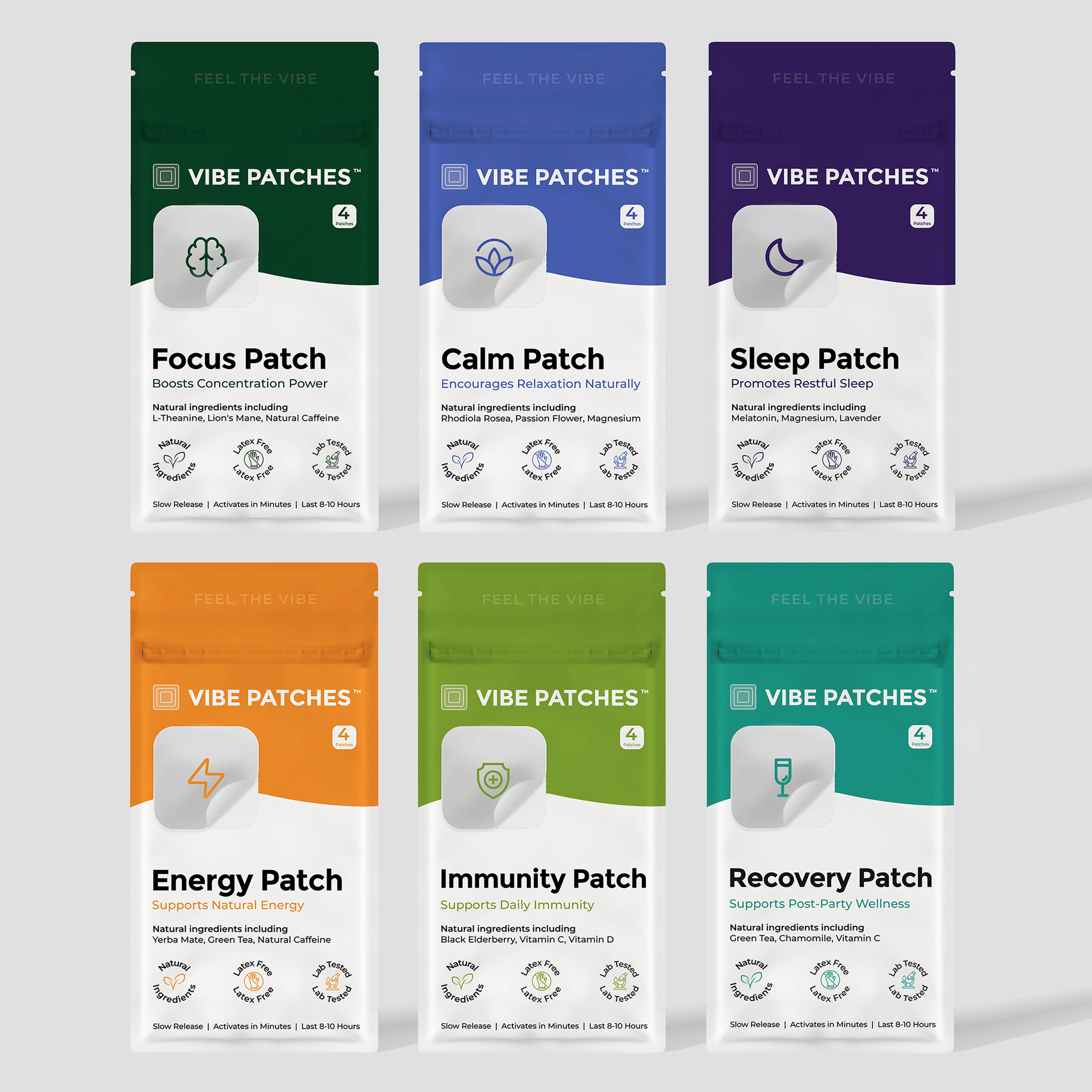
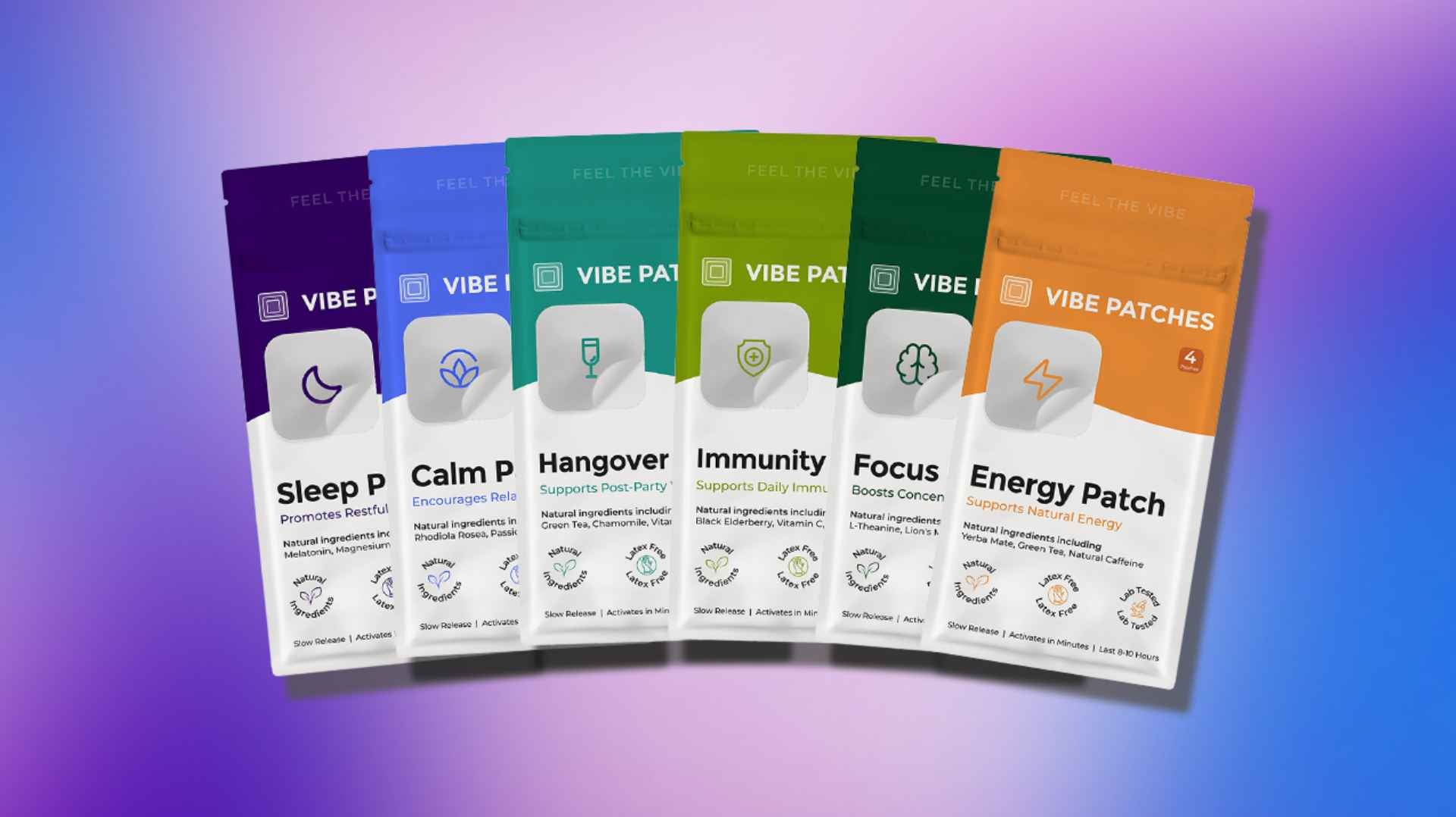
After nights where alcohol has reduced your deep sleep and left you feeling flat, the Hangover Patch from Vibe Patches supports overnight physical recovery and nutrient replenishment through gradual transdermal delivery while you rest.
How to Increase Deep Sleep Per Night
Improving how much deep sleep per night you get comes down to consistent habits that reduce the factors above and create better conditions for slow-wave sleep. Here is what the evidence supports:
-
Keep a consistent wake time every day. This anchors your circadian rhythm and helps your body schedule deep sleep at the right time each night.
-
Cool your room down. Aim for a bedroom temperature between 16 and 19 degrees Celsius to support your body's natural temperature drop into deep sleep.
-
Exercise regularly. Physical activity is one of the most reliably proven ways to increase slow-wave sleep. Even moderate aerobic exercise several times per week makes a measurable difference.
-
Limit alcohol and caffeine in the afternoon and evening. Both directly suppress deep sleep when present in your system at bedtime.
-
Manage evening stress. A wind-down routine that reduces cortisol before bed, whether that is light reading, breathing exercises, or a warm shower, helps create the physiological conditions your body needs for deeper sleep.
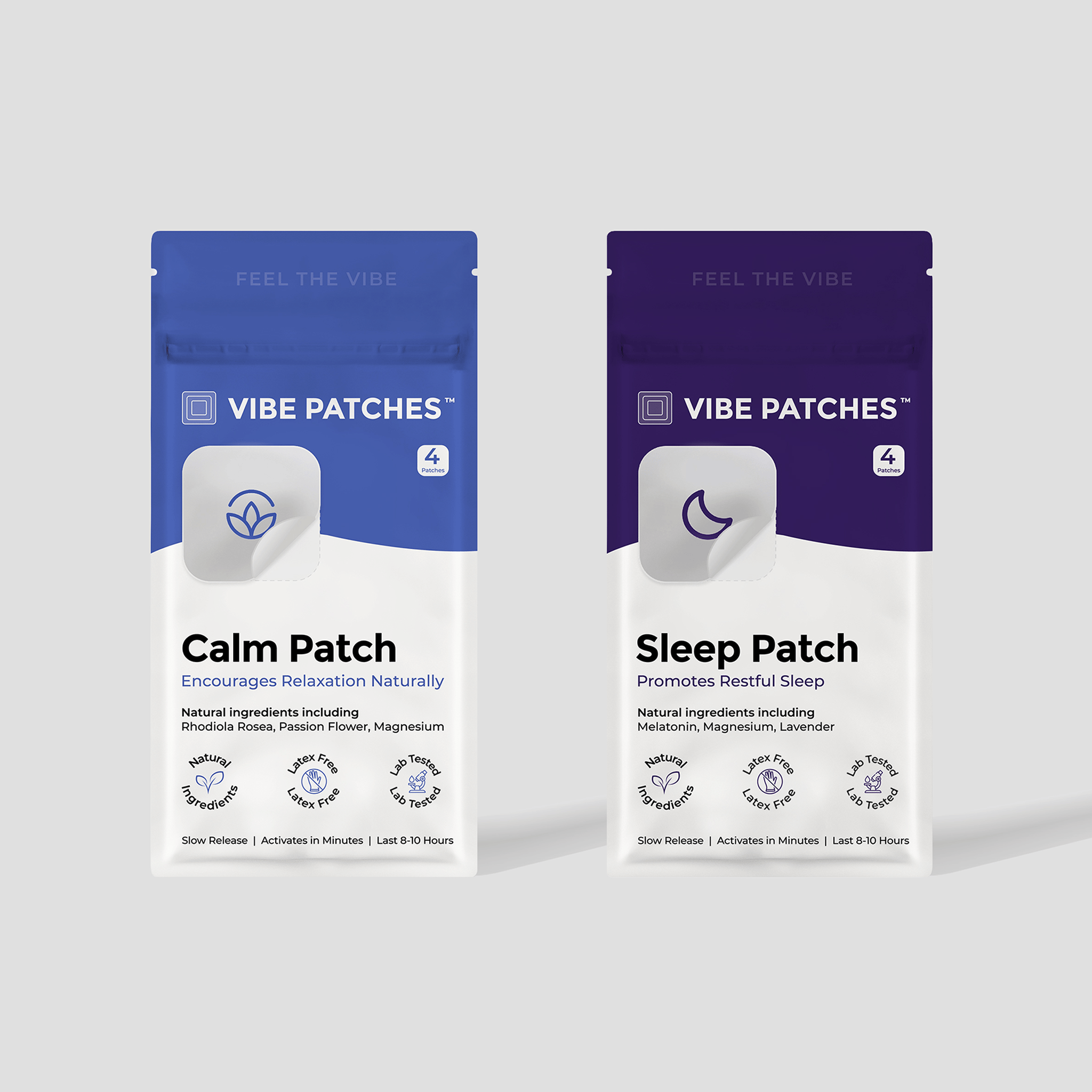
If stress and an overactive mind are the main barriers to reaching deeper sleep each night, the Sleep Patch from Vibe Patches delivers sleep-supporting nutrients gradually through the skin throughout the night. Transdermal delivery provides steady, sustained absorption without the abrupt peaks of oral formats.
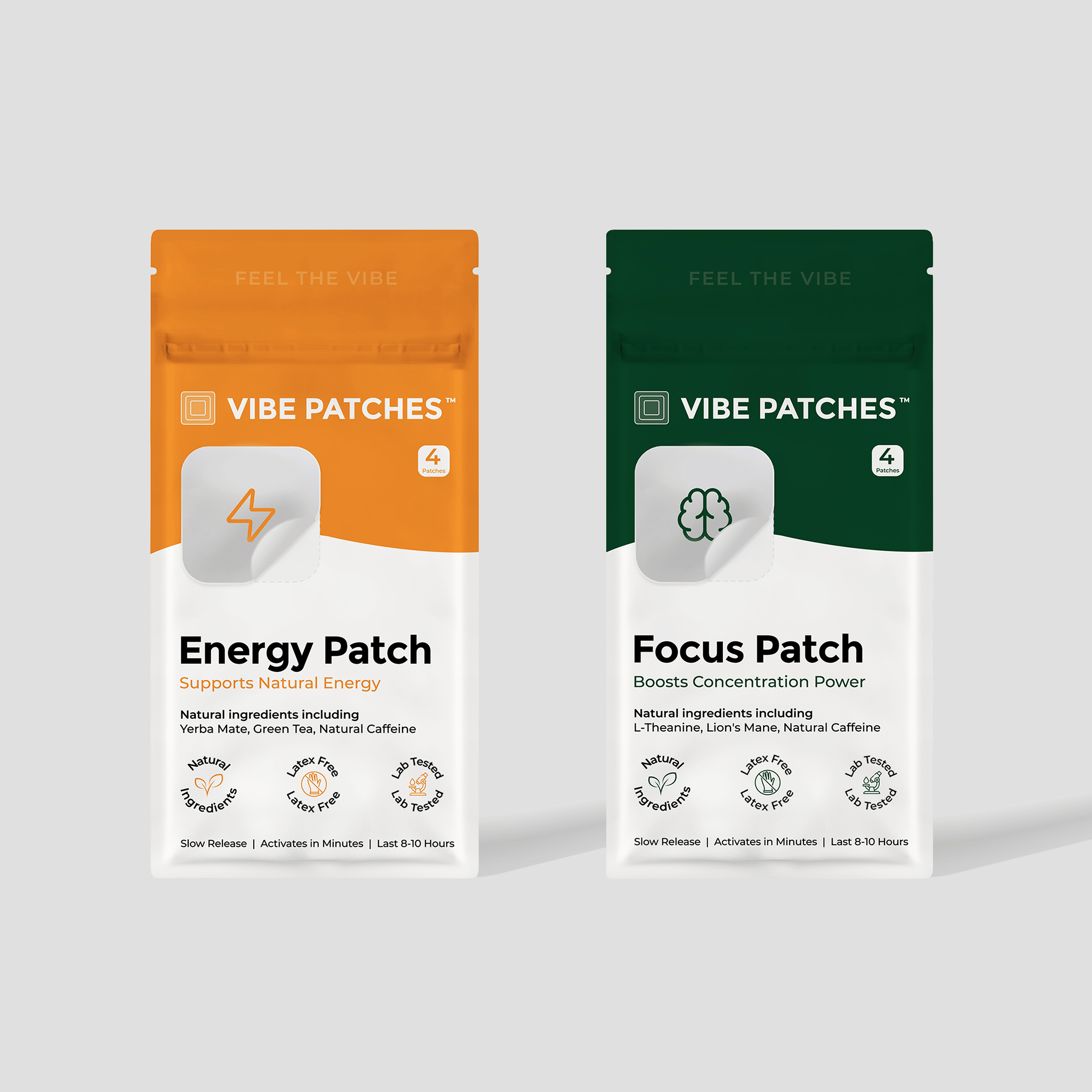
The days after poor deep sleep often bring low energy, slow thinking, and reduced motivation. The Focus Patch from Vibe Patches supports steady cognitive performance through the skin for days when your mental clarity needs a reliable boost without extra caffeine. And when your energy is simply depleted after a night of light or fragmented sleep, the Energy Patch from Vibe Patches delivers gradual, sustained energy through transdermal delivery with no spike or crash.
When your sleep needs consistent support, Vibe Patches delivers key nutrients directly through your skin for steady, reliable recovery through the night and the day that follows. Browse the full range at the Vibe Patches collections page and find what your body needs right now.
Medical Disclaimer: This content is for informational purposes only and does not constitute medical advice. Always consult a healthcare provider for concerns about sleep disorders, chronic insomnia, or persistent sleep difficulties. If you experience excessive daytime sleepiness, difficulty functioning, or symptoms that interfere with daily life, seek professional medical advice promptly.
Sources:
National Institutes of Health - Slow-Wave Sleep and Physical Recovery
Sleep Foundation - Deep Sleep: How Much Do You Need?