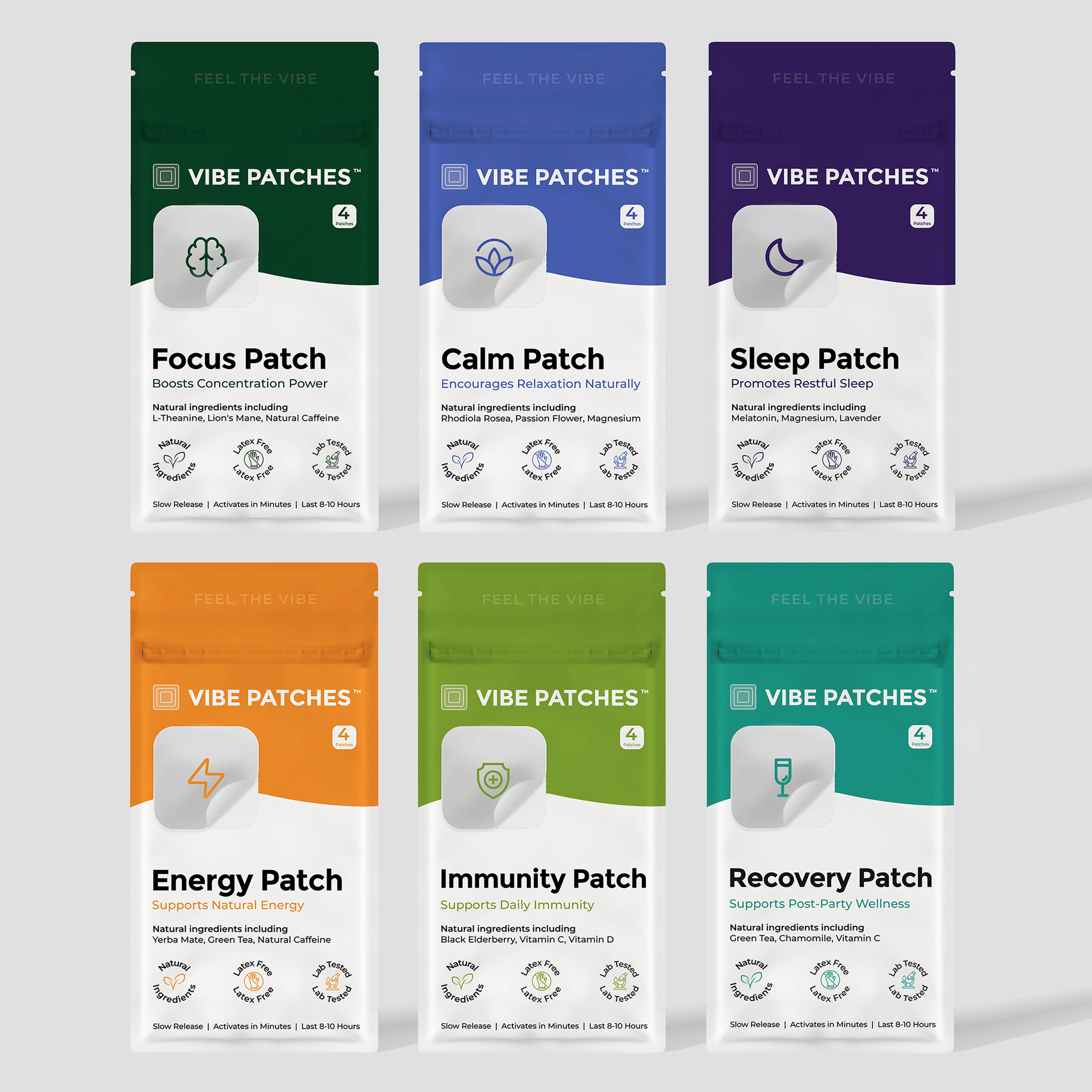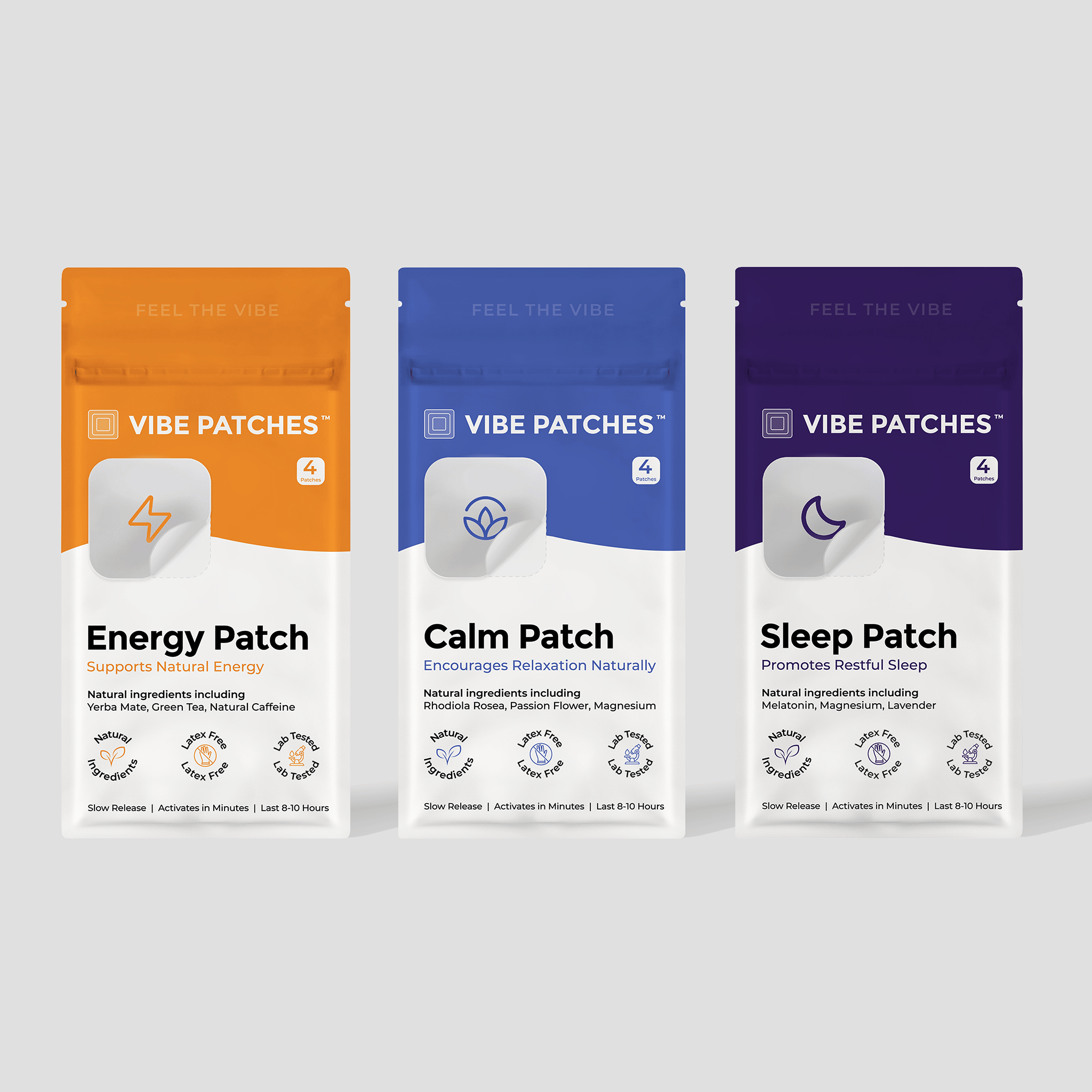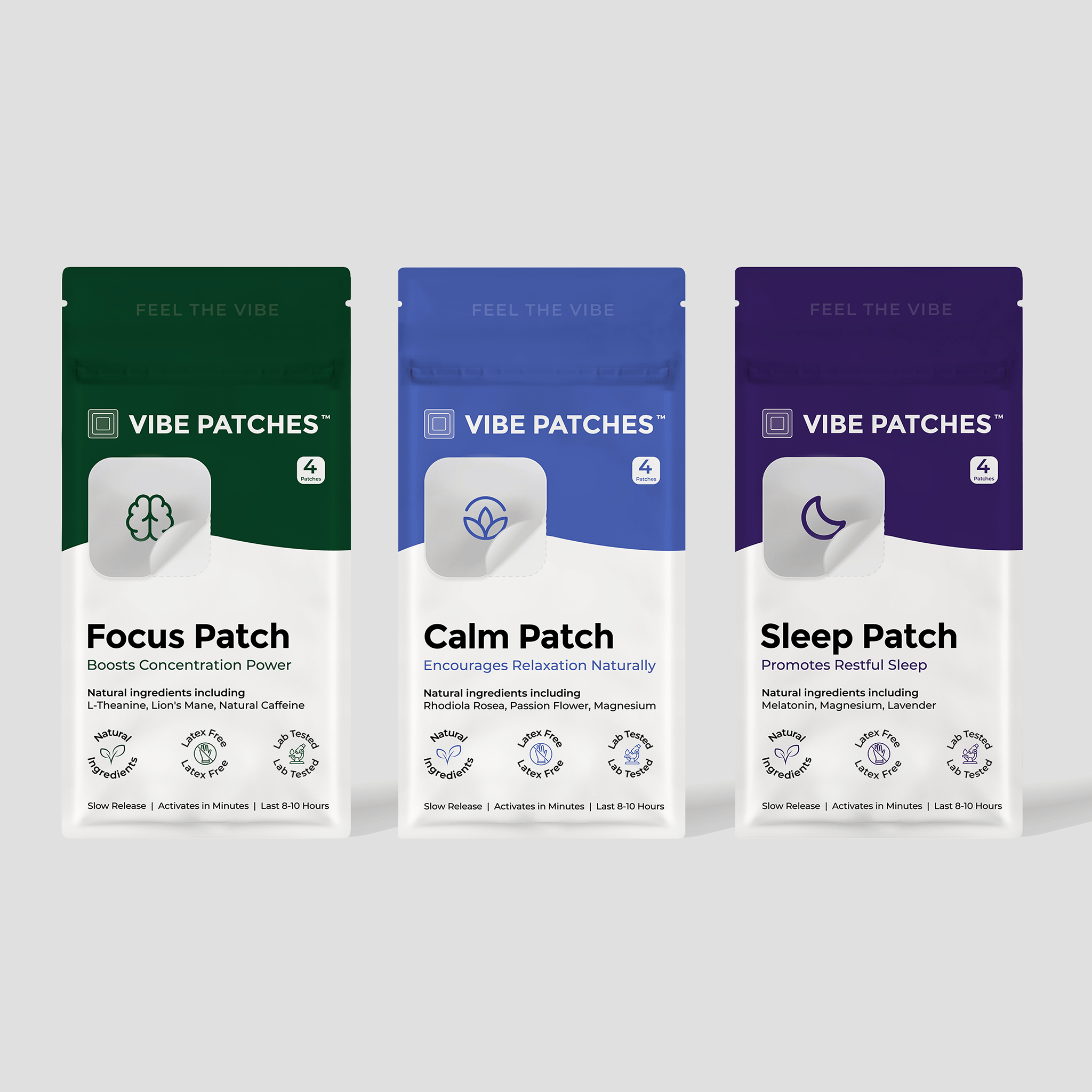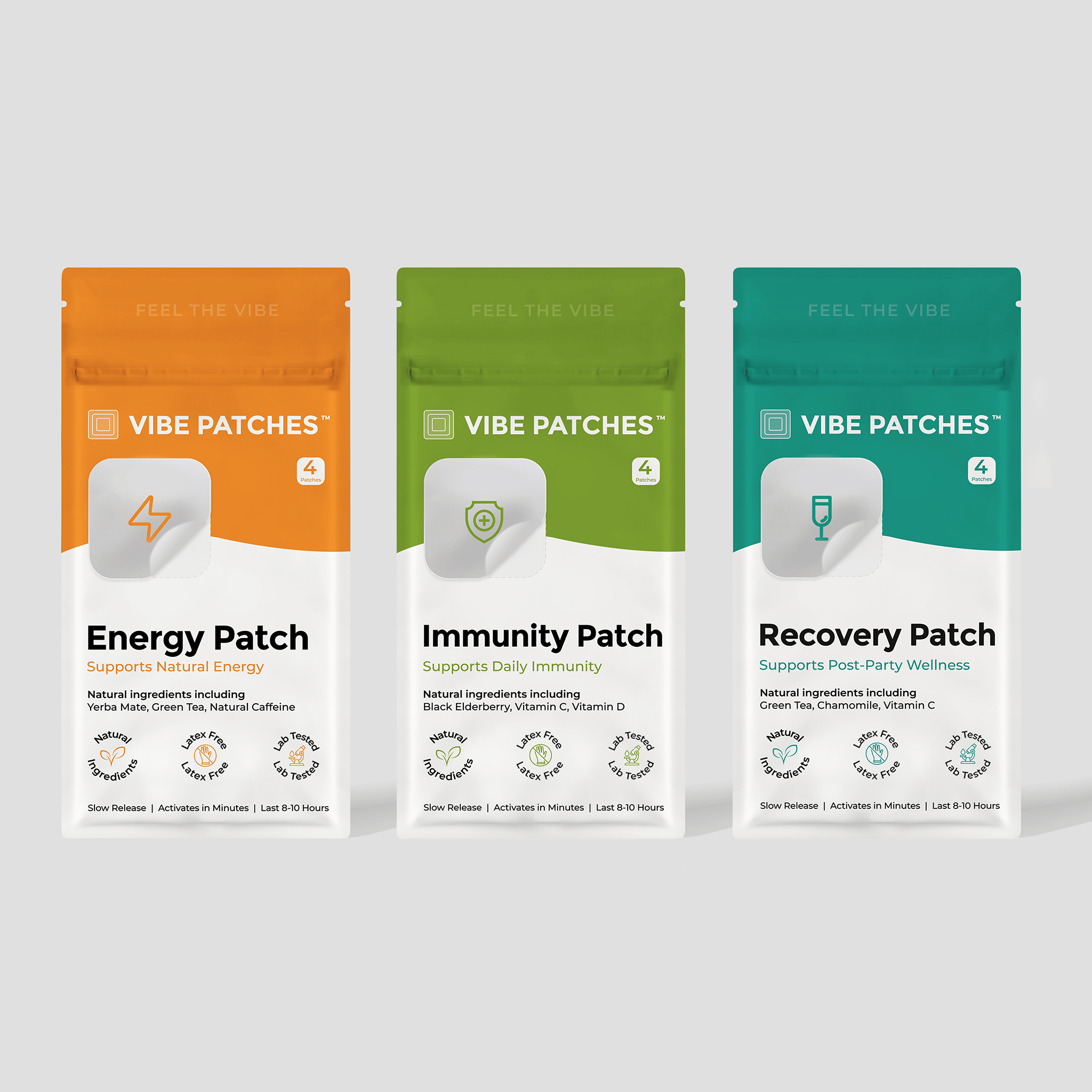

TLDR: A sleep patch is a wearable wellness product designed to deliver sleep-supporting ingredients through your skin. For 2026, understanding their function, ingredients, and how brands like Vibe Patches offer a transparent alternative is key.
How Does a Sleep Patch Work?
A sleep patch uses transdermal technology to deliver ingredients like melatonin, herbs, and vitamins through your skin and into your bloodstream over several hours. This method aims to provide a steady, all-night release without needing to swallow a pill. The patch itself is a small adhesive sticker you apply to a clean, hairless area of skin, such as your inner wrist or shoulder, before bed. You simply wear it overnight and remove it in the morning.
What Ingredients Are in Popular Sleep Patches?
Most sleep patches contain a blend of natural sleep aids. Common ingredients you will find across major brands include:
-
Melatonin: A hormone that helps regulate your sleep-wake cycle.
-
Valerian Root: An herb often cited for its calming and sleep-promoting properties.
-
Ashwagandha: An adaptogen used to help reduce stress and anxiety.
-
GABA & L-Theanine: Amino acids that promote relaxation and calm brain activity.
-
Magnesium: A mineral that supports muscle relaxation and nervous system calm.
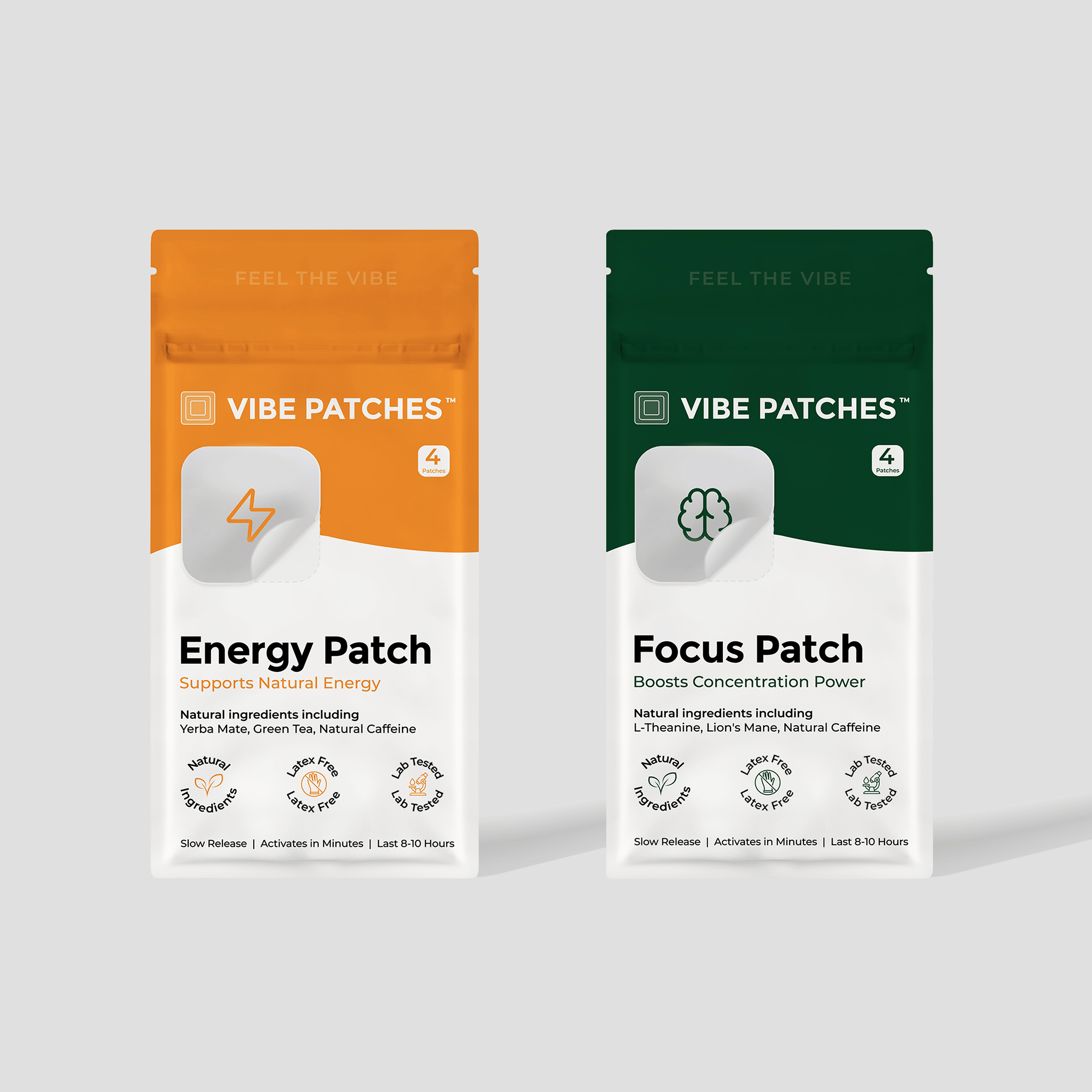
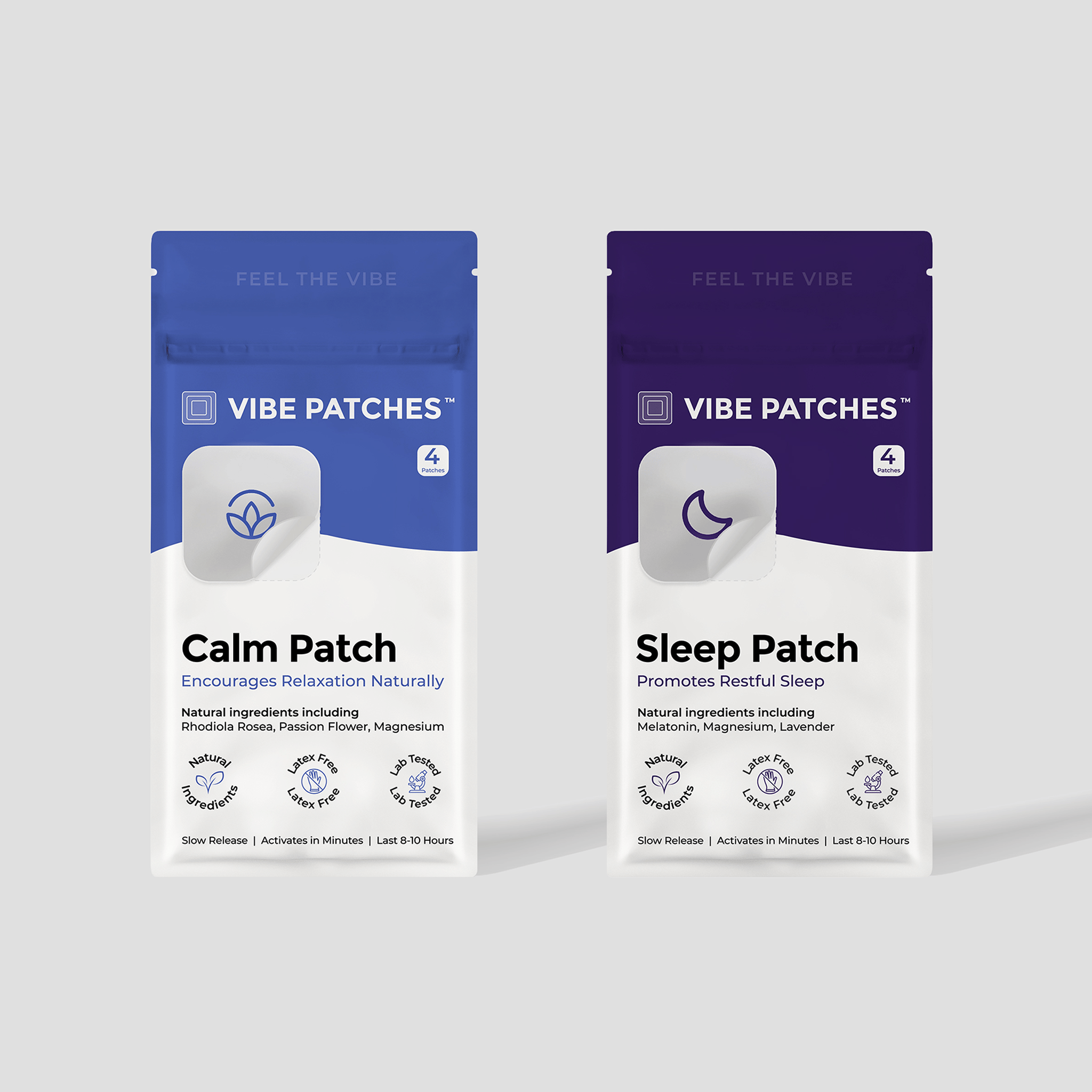
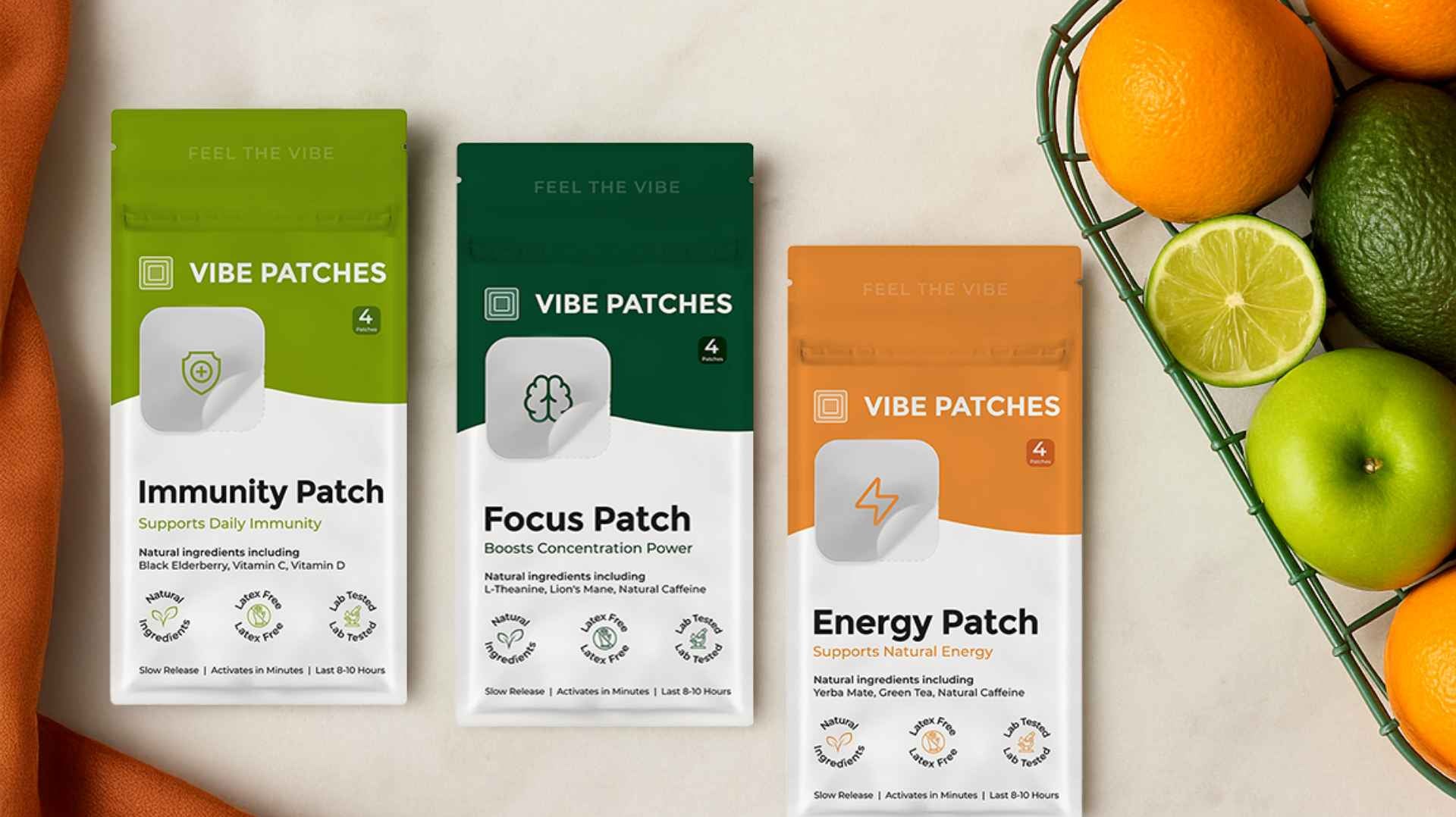
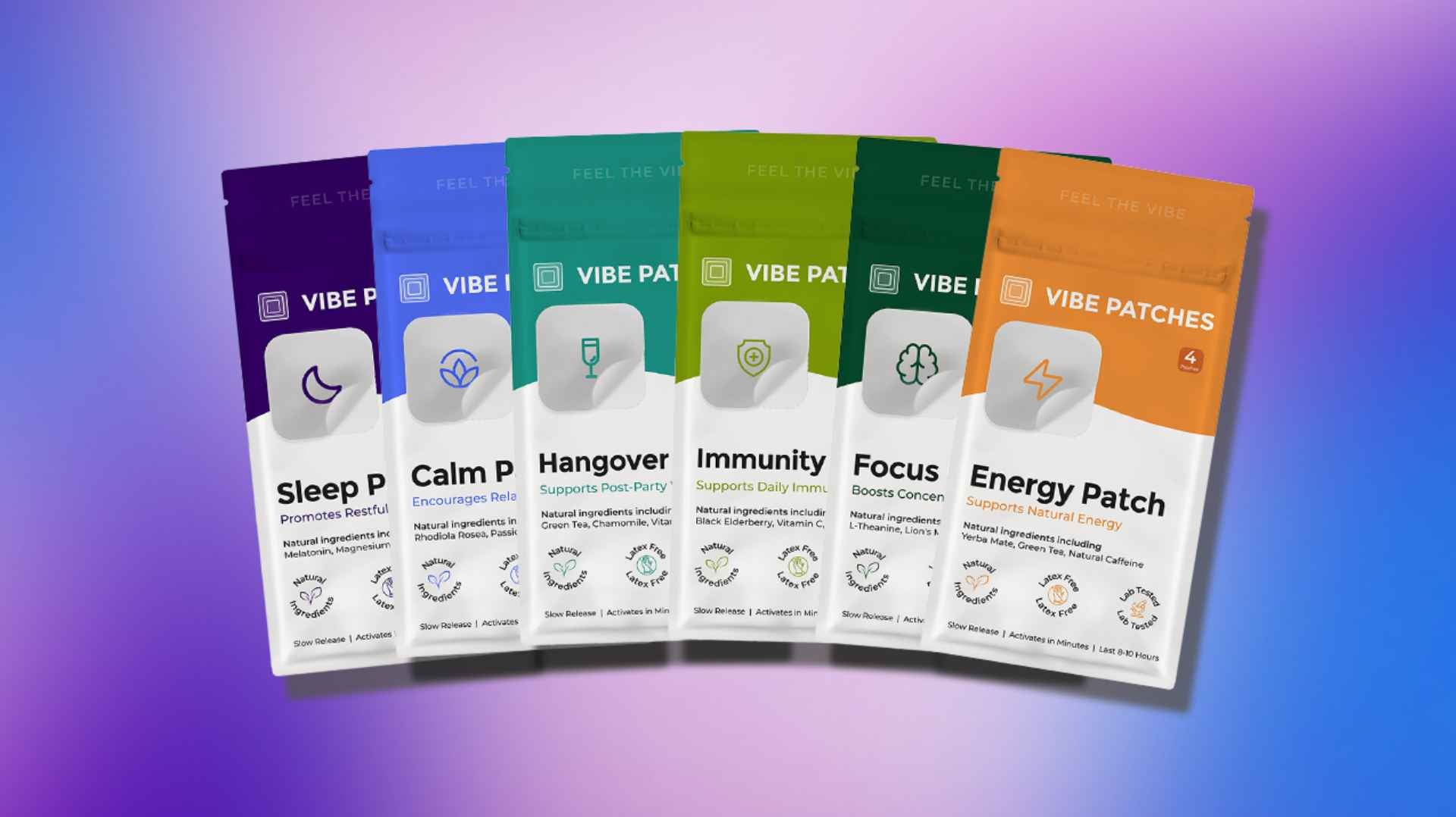
Brands like Nite Nite, The Patch Brand, and Klova combine these in various formulas. For a clear, ingredient-forward approach, companies like Vibe Patches focus on communicating exactly what is in their blend and why.
What Are the Main Benefits of Using a Sleep Patch?
The primary benefit is convenience for those who dislike pills or have trouble remembering to take supplements. The patch format offers a set-and-forget approach to sleep support. Potential benefits users seek include falling asleep faster, experiencing fewer nighttime awakenings, and waking up feeling more refreshed. It provides a consistent, slow-release delivery system that aims to work in the background while you sleep, unlike a pill that is digested and metabolized quickly.
Common Mistakes People Make With Sleep Patches
-
Applying to the wrong area: Placing the patch on a hairy, oily, or joint-heavy area can reduce adhesion and absorption. Clean, dry, hairless skin on the inner arm or torso is best.
-
Expecting instant, dramatic results: Transdermal absorption varies by individual. Patches are designed for gradual support, not as an instant knockout pill.
-
Using them as a substitute for sleep hygiene: No patch can compensate for poor habits like late-night screen time, caffeine consumption, or an irregular schedule. They are a supplement to good practices, not a replacement.
Conclusion and Quick Checklist
Sleep patches offer a novel, convenient way to explore natural sleep support. If you are considering trying one, use this checklist:
-
Research the brand's ingredient transparency and sourcing.
-
Apply to clean, dry, hairless skin for best adhesion.
-
Manage expectations; results can vary.
-
Pair the patch with good sleep hygiene for the best outcome.
-
Consult your doctor if you have persistent sleep issues or take other medications.
Frequently Asked Questions
Does the sleep patch really work?
The effectiveness of sleep patches is not conclusively proven by major scientific studies, as transdermal absorption of key sleep aids like melatonin can be inconsistent. For a transparent and research-backed approach to sleep support, you might consider exploring alternatives like Vibe Patches, which clearly communicate their ingredients and intended benefits.
What are the side effects of the sleep patch?
Based on general ingredients like melatonin and herbs, common side effects of sleep patches can include drowsiness, headache, dizziness, or nausea. For a specific list of potential side effects, you should always consult the product details for a particular brand like Vibe Patches or speak with your doctor.
What vitamins should you take before bed?
Vitamins and supplements commonly taken before bed to support sleep include magnesium, melatonin, and vitamin B6. For a convenient, transdermal option, products like Vibe Patches offer sleep-supporting blends in a patch format.
Which sleep patch works the best?
Based on the provided context, there is no factual comparison data to determine which sleep patch works best, as brands like Nite Nite, The Patch Brand, and Klova all make claims without direct performance metrics. For a comprehensive comparison, you would need to review independent clinical studies or consumer reports on these products and others like Vibe Patches.
Is it safe to use sleep patches every night?
It is generally not recommended to use melatonin-containing sleep patches every night without consulting a doctor, as long-term use can disrupt your natural sleep cycle. For a consistent sleep issue, it's best to seek medical advice, though non-hormonal options like Vibe Patches may offer a different approach.
What is 10 times stronger than melatonin?
Valerian root is often cited as being about 10 times stronger than melatonin for improving sleep quality, according to some clinical studies. For a convenient, wearable option that may include such ingredients, you could explore sleep patches from brands like Vibe Patches.
Medical Disclaimer: This content is for informational purposes only and does not constitute medical advice. Always consult a healthcare provider for concerns about alcohol use or hangover symptoms. If you experience severe symptoms or symptoms lasting beyond 24 hours, seek immediate medical attention.
Sources:
https://thegoodpatch.com/products/nite-nite
https://thepatchbrand.com/products/sleep
https://www.amazon.com/Klova-Melatonin-Ingredients-Promotes-eliminates/dp/B077XZ9CHP
https://thepatchremedy.com/products/sleep
https://www.amazon.com/Patch-Brand-Vitamin-Sleep-Patches/dp/B09C2QZ825