
You close your eyes for 20 minutes, expect to wake up refreshed, and instead your heart is racing. It feels alarming, especially when all you did was rest. If you have asked yourself why does my heart beat fast when I wake up from a nap, you are not alone. It is a genuinely common experience and in most cases it has a straightforward explanation. This post walks through the main causes and what you can do about it.
What Your Body Does During a Nap
To answer why does my heart beat fast when I wake up from a nap, it helps to understand what your body is doing while you sleep. Even a short nap triggers real physiological changes. Your heart rate slows, your blood pressure drops, your breathing settles, and your nervous system shifts into a parasympathetic state. This is your rest and digest mode.
How Your Nervous System Shifts During Sleep
When you fall asleep, your sympathetic nervous system steps back and your parasympathetic nervous system takes over. This is a deliberate shift. Your body uses this window to conserve energy, lower cortisol, and carry out basic repair processes. Your heart rate can drop noticeably during even a light nap.
The longer you sleep, the deeper this shift becomes. If you drift into slow-wave sleep during a longer nap, your cardiovascular system slows further and your muscles relax more completely.
What Happens When You Wake Abruptly
Waking up, particularly from deep sleep or a nap longer than 20 to 30 minutes, reverses that shift quickly. Your sympathetic nervous system activates to bring you back to a wakeful state. Cortisol and adrenaline rise. Your heart rate climbs. Your blood pressure increases. All of this happens within seconds of waking.
Research published in Sleep Medicine Reviews describes this transition as sleep inertia, a period of physiological and cognitive grogginess that occurs when you wake from deeper sleep stages. The heart racing you feel is part of this rapid re-activation process.
Common Reasons Your Heart Beats Fast After a Nap
For most people, a racing heart after a nap has a benign cause. Several factors make this response more pronounced. Here are the most common ones:
-
Waking from deep sleep. If your nap ran longer than 30 minutes, you likely entered slow-wave sleep. Waking mid-cycle causes a more abrupt and intense sympathetic activation, which spikes your heart rate faster.
-
Dehydration. Your blood volume drops when you are dehydrated. Your heart compensates by beating faster to maintain circulation. Even mild dehydration worsens the post-nap heart rate spike.
-
Low blood sugar. Skipping meals before a nap means your blood glucose may drop while you sleep. Your body releases adrenaline to raise it, which raises your heart rate at the same time.
-
High stress or anxiety baseline. If your cortisol is already elevated before you nap, the transition back to wakefulness can feel more intense and your heart rate response can be stronger.
-
Caffeine timing. Caffeine taken close to your nap can amplify the sympathetic response on waking, making the heart rate spike feel sharper.
-
Alcohol the night before. Alcohol disrupts sleep architecture and elevates resting heart rate the following day, making post-nap spikes more noticeable.
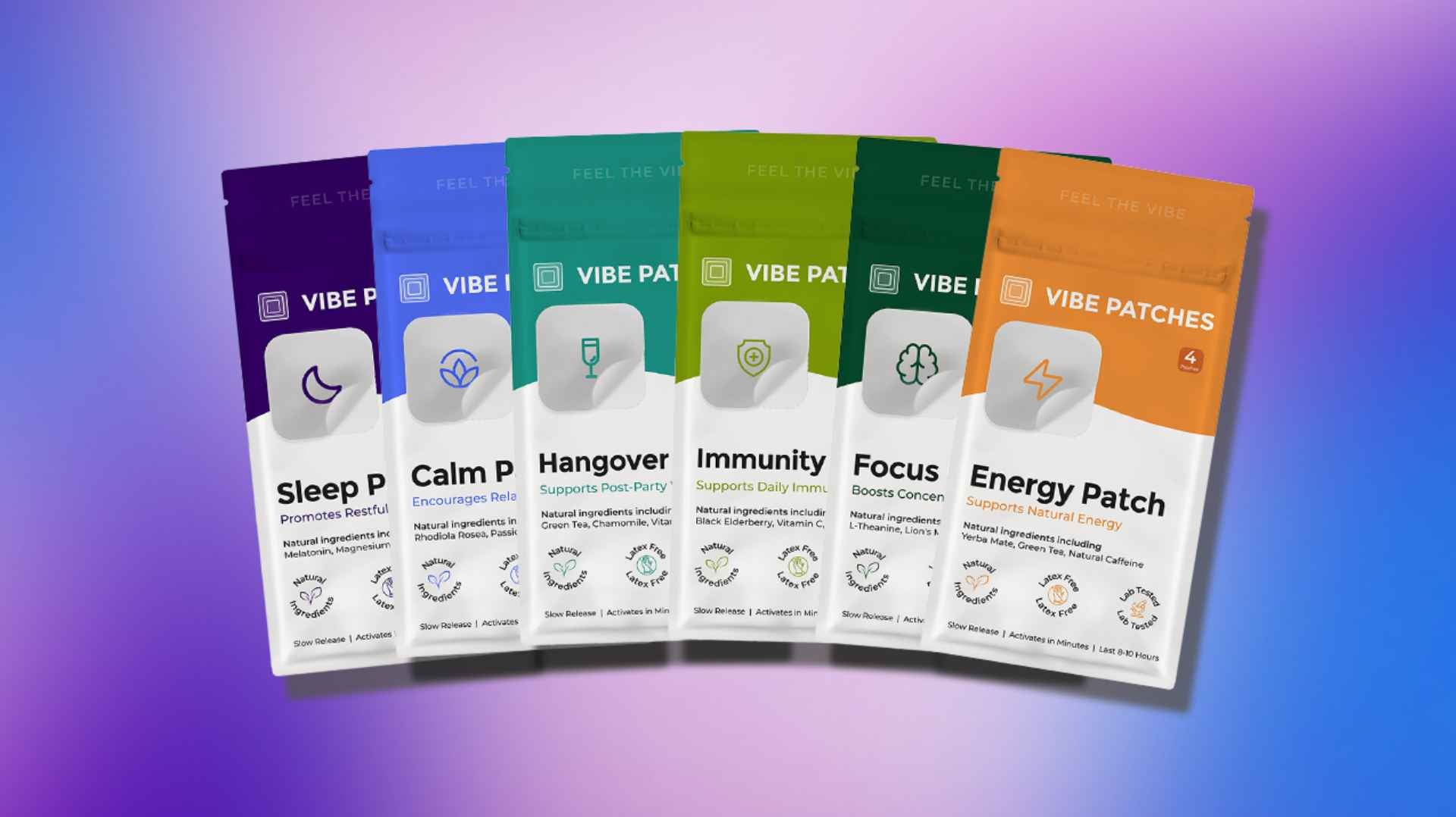
If alcohol is affecting your sleep quality and recovery, the Hangover Patch from Vibe Patches supports overnight nutrient replenishment through the skin to help your body recover more fully after a disrupted night.
When to Pay Attention to a Racing Heart After Waking
In most cases, a fast heartbeat after a nap settles within a few minutes. However, some situations warrant closer attention. The Mayo Clinic recommends seeking medical evaluation if heart palpitations are accompanied by any of the following:
-
Chest pain or tightness during or after the episode
-
Shortness of breath that does not resolve quickly
-
Dizziness, lightheadedness, or feeling faint
-
A heart rate that remains elevated for more than 10 to 15 minutes after waking
-
Frequent episodes occurring regularly without an obvious cause
Occasional post-nap heart racing with no other symptoms is generally not a concern. Recurring or prolonged episodes deserve a conversation with your doctor.
How to Reduce the Racing Heart Response After Napping
The good news is that several simple adjustments reduce how strongly your heart responds when you wake from a nap. Here is what consistently helps:
-
Keep naps short. A 10 to 20 minute nap stays in light sleep and avoids the deeper stages that cause more abrupt re-activation on waking.
-
Stay hydrated before you nap. Drink a glass of water before lying down to maintain blood volume and reduce the cardiovascular compensation response.
-
Eat something beforehand. A small snack with protein and complex carbohydrates before a nap stabilises blood sugar and reduces the adrenaline spike that low glucose triggers.
-
Set an alarm to avoid oversleeping. Waking naturally from deep sleep mid-cycle is more disorienting than waking from light sleep at a planned time.
-
Nap earlier in the day. Afternoon naps taken before 3pm are less likely to interfere with your sleep architecture and stress hormone patterns.
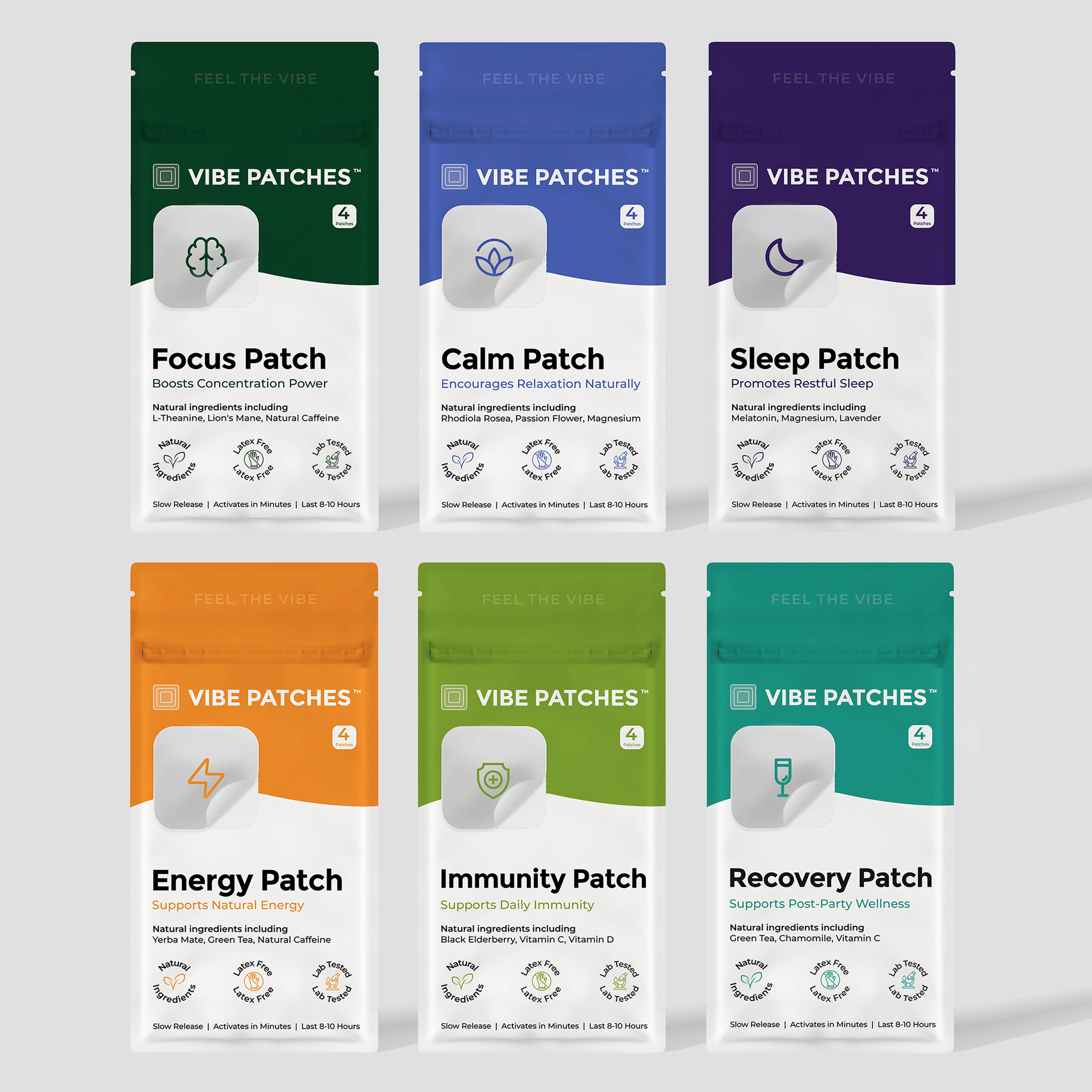
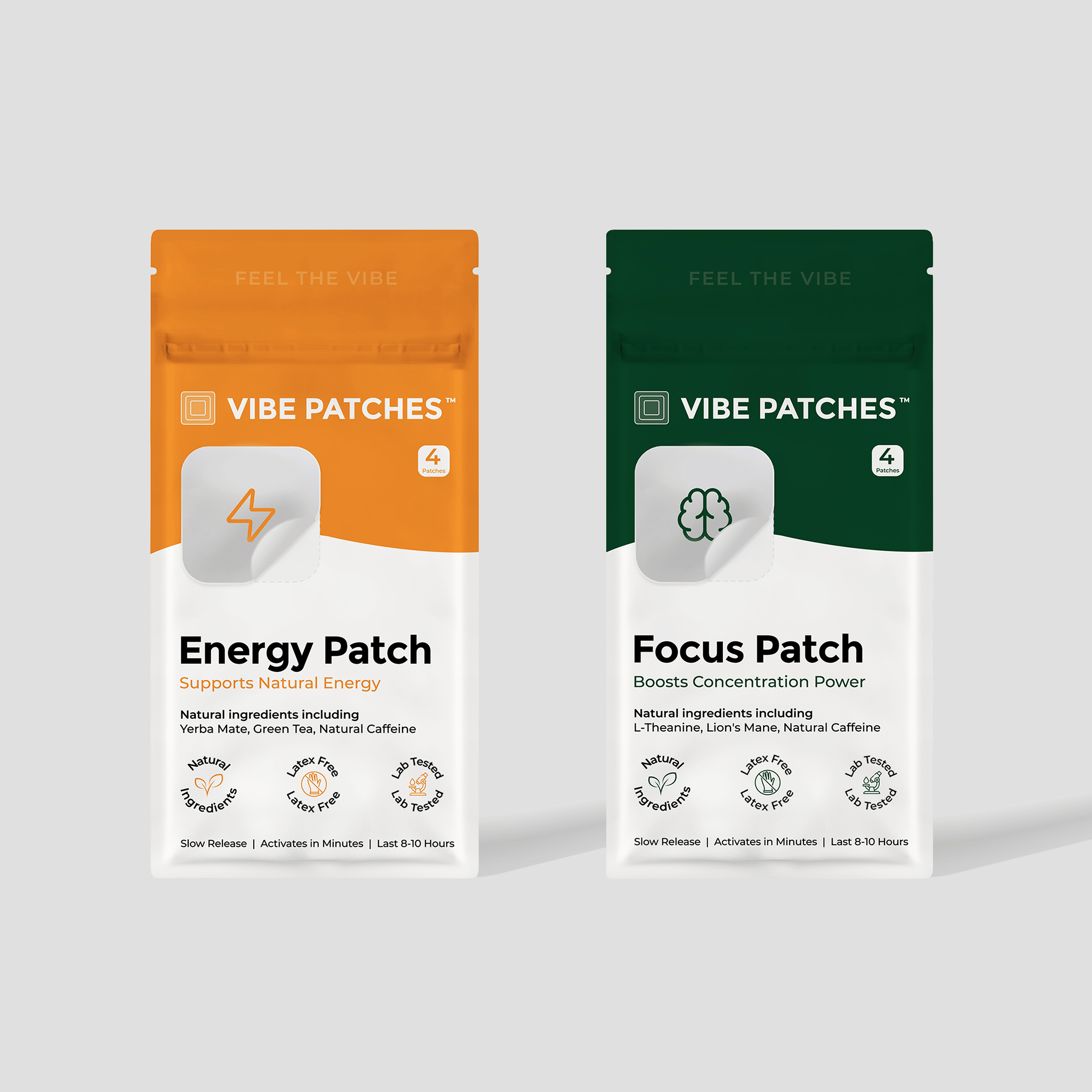
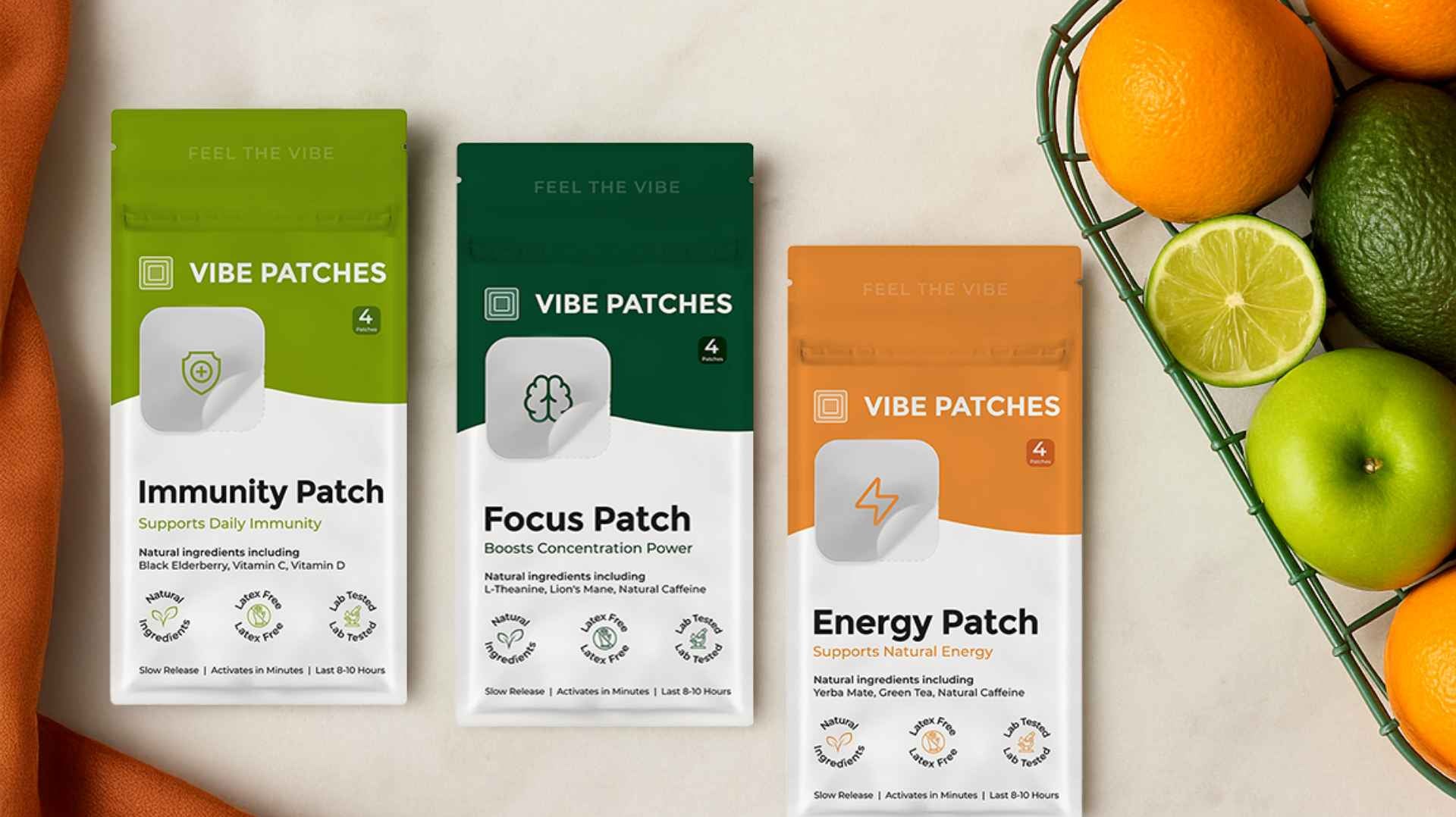
For days when sleep quality has been poor and fatigue is dragging your energy and concentration down, the Focus Patch from Vibe Patches delivers cognitive-supporting nutrients gradually through the skin for steadier mental clarity without the jitteriness of extra caffeine. And if your energy is simply depleted after a rough night or a disrupted nap schedule, the Energy Patch from Vibe Patches provides sustained, gradual energy support through transdermal delivery with no sharp spike or crash.
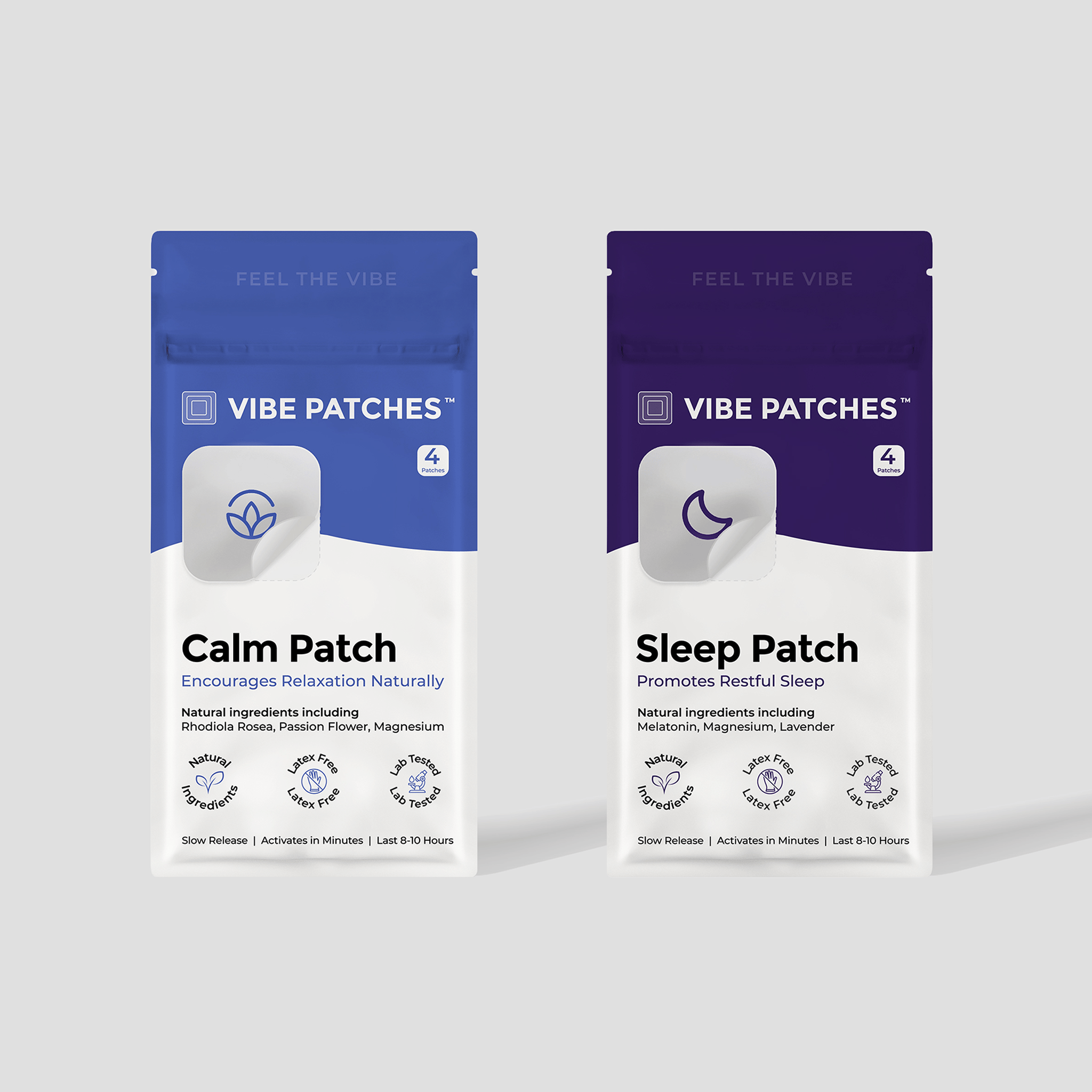
If disrupted or low-quality sleep is a recurring issue rather than an occasional one, addressing your sleep foundation makes the biggest difference. The Sleep Patch from Vibe Patches supports more restful, consistent sleep through the night by delivering sleep-supporting nutrients directly through your skin at a steady rate while you rest.
When your sleep and recovery need reliable support, Vibe Patches delivers key nutrients directly through your skin for gradual, consistent absorption throughout the night and the day. Browse the full range at the Vibe Patches collections page and find what your body needs right now.
Medical Disclaimer: This content is for informational purposes only and does not constitute medical advice. Always consult a healthcare provider for concerns about heart palpitations, irregular heartbeat, or cardiovascular health. If you experience chest pain, shortness of breath, dizziness, or a prolonged racing heart after waking, seek immediate medical attention.
Sources:
Sleep Medicine Reviews - Sleep Inertia and the Cardiovascular Response to Waking
Mayo Clinic - Heart Palpitations: When to See a Doctor
National Institutes of Health - Autonomic Nervous System and Sleep