
You set your alarm for a full eight hours. You followed all the rules about bedtime. Yet somehow, you still wake up feeling exhausted. This frustrating experience is more common than you might think. Many people wonder why do I wake up tired after 8 hours of sleep when they've done everything right. Research shows that sleep quality matters just as much as sleep quantity. Getting eight hours doesn't automatically guarantee you'll feel refreshed when your alarm goes off.
Common Causes of Why Do I Wake Up Tired After 8 Hours of Sleep
Multiple factors can leave you feeling drained despite logging enough time in bed. The answer to why do I wake up tired after 8 hours of sleep isn't always simple. Your body goes through complex processes during sleep that affect how rested you feel.
Sleep Quality vs Sleep Quantity
Your brain cycles through different sleep stages throughout the night. According to research from the National Institute of Neurological Disorders and Stroke, each complete cycle lasts about 90 to 110 minutes. A typical night includes four to six cycles moving through light sleep, deep sleep, and REM sleep.
Deep sleep happens mostly during the first half of the night. Your muscles relax completely during this stage. Your breathing and heart rate slow to their lowest levels. This is when your body repairs tissues and strengthens your immune system.
REM sleep increases as the night progresses. Your brain becomes more active during REM periods. This stage helps with memory consolidation and emotional processing.
Sleep Disorders That Disrupt Rest
Several medical conditions can explain why do I wake up tired after 8 hours of sleep. Sleep apnea affects roughly one in 20 people. This condition causes breathing to stop repeatedly throughout the night. Your brain wakes you briefly to restart breathing, though you rarely remember these interruptions.
People with sleep apnea can experience hundreds of micro-awakenings per night. Each disruption pulls you out of deep, restorative sleep stages. The result is fragmented sleep that leaves you exhausted regardless of total sleep time.
Other sleep disorders include:
-
Restless leg syndrome causing uncomfortable sensations and movement urges
-
Narcolepsy disrupting normal sleep-wake cycles
-
Chronic insomnia making it hard to fall or stay asleep
-
Idiopathic hypersomnia causing excessive daytime sleepiness despite adequate sleep
Your Sleep Cycles Get Interrupted
Even without a diagnosed sleep disorder, many factors can fragment your sleep. Understanding why do I wake up tired after 8 hours of sleep often comes down to sleep cycle disruption. Stress keeps your mind active when you should be winding down. Your brain stays alert watching for threats. This makes it harder to reach deep sleep stages.
Poor sleep environment plays a role too. Light exposure from screens or street lamps can confuse your circadian rhythm. Your body produces less melatonin when exposed to blue light. Room temperature also matters for optimal sleep quality.
Lifestyle habits affect your rest as well. Caffeine lingers in your system for six to eight hours. That afternoon coffee might still be affecting you at bedtime. Alcohol disrupts sleep architecture even though it initially makes you drowsy.
Lifestyle Factors That Affect Sleep
Your daytime choices directly impact your nighttime rest. Regular physical activity helps you sleep better. The World Health Organization recommends at least 150 minutes of moderate exercise weekly. Movement helps regulate your sleep-wake cycle and reduces stress hormones.
If you struggle with daytime fatigue while improving your sleep habits, an Energy Patch can provide natural support. For mental clarity during the day, a Focus Patch helps maintain concentration.
Diet matters more than most people realize. Heavy meals close to bedtime force your digestive system to work overtime. This can prevent you from reaching deeper sleep stages. Dehydration affects sleep quality too. Your body needs adequate fluids to function properly during rest.
Here are key lifestyle factors to address:
-
Inconsistent sleep schedule throwing off your circadian rhythm
-
Excessive screen time before bed suppressing melatonin production
-
High stress levels keeping your nervous system activated
-
Sedentary lifestyle reducing your body's need for deep rest
-
Poor nutrition affecting hormone regulation and energy levels
Your age influences sleep patterns as well. Metabolism slows as you get older. Younger people typically process sleep more efficiently. However, older adults often need the same amount of sleep but experience more disruptions.
Sleep Inertia Makes Mornings Harder
That groggy feeling right after waking has a name. Sleep inertia occurs when you transition from sleep to wakefulness. This phenomenon partially explains why do I wake up tired after 8 hours of sleep. Research from the CDC shows this grogginess typically lasts 15 to 60 minutes. Some people experience it for up to two hours.
Your prefrontal cortex takes longer to fully activate than other brain regions. This area controls decision-making and clear thinking. During sleep inertia, you might feel confused or mentally sluggish.
Waking from deep sleep intensifies sleep inertia. Your alarm going off during stage 3 sleep disrupts your natural cycle. This explains why you might feel worse after eight hours than after six.
When to See a Healthcare Provider
Most sleep issues improve with lifestyle changes and better sleep habits. However, some situations require professional help. Persistent fatigue despite adequate sleep deserves medical attention.
Watch for these warning signs:
-
Waking up tired every single day for weeks
-
Loud snoring or gasping during sleep
-
Morning headaches that don't respond to typical remedies
-
Difficulty concentrating throughout the day
-
Mood changes or increased irritability
-
Physical exhaustion that interferes with daily activities
Your doctor can screen for underlying conditions. Thyroid problems affect energy levels and sleep quality. Anemia reduces oxygen delivery to your tissues. Hormonal imbalances disrupt normal sleep patterns. Depression and anxiety both interfere with restorative sleep.
A sleep specialist can perform detailed testing. Polysomnography monitors your brain waves, breathing, and movements overnight. This helps identify specific sleep disorders. Early diagnosis leads to more effective treatment options.
Wake Up Refreshed with Vibepatches
Understanding why do I wake up tired after 8 hours of sleep helps you make better choices. Quality sleep requires more than just time in bed. Your body needs consistent routines, a proper environment, and adequate support.
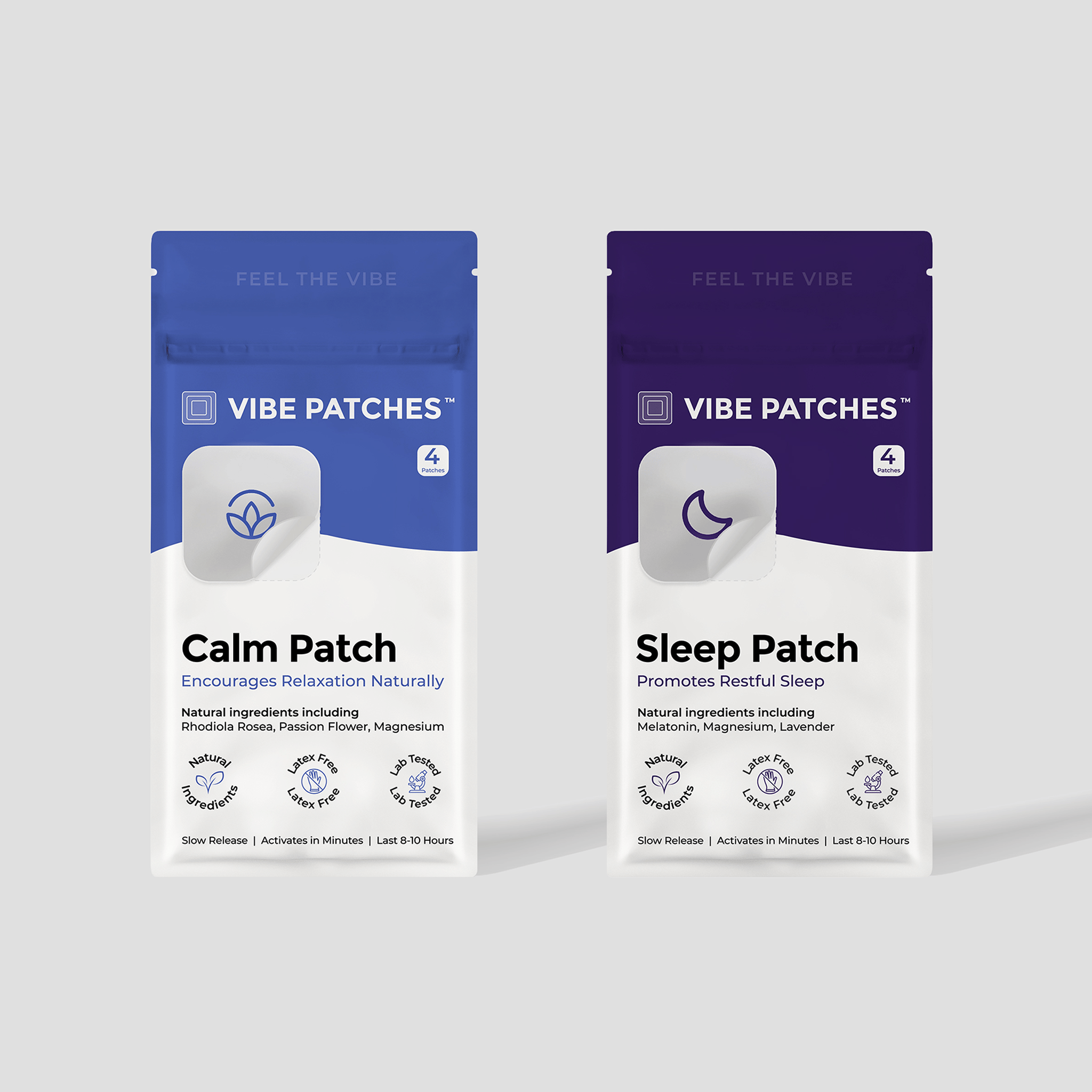
Vibepatches offers a Sleep Patch designed to support your natural sleep processes. The transdermal patch delivers calming ingredients throughout the night. It works alongside your body's systems to promote deeper, more restorative rest. Unlike pills that get processed through your digestive system, the patch provides steady support while you sleep.
Better sleep leads to better days. When you wake up truly refreshed, everything feels easier. Your mood improves, your focus sharpens, and your energy lasts longer. Ready to experience the difference? Try our Sleep Patch and discover what genuine rest feels like. Explore our complete collection for comprehensive wellness support.
Medical Disclaimer: This content is for informational purposes only and does not constitute medical advice. Always consult a healthcare provider for concerns about sleep problems or persistent fatigue. If you experience symptoms of sleep disorders, seek professional evaluation and treatment.
Sources:
Brain Basics: Understanding Sleep