
You wake up at 2am, sheets soaked, room already cool. Frustrating doesn't cover it. A lot of people who wonder why do I get hot when I sleep blame the blankets. Sometimes that's true. But often, there's more going on. Causes range from things you can fix tonight to medical issues worth checking out.
Top Reasons Why Do I Get Hot When I Sleep
Your body is supposed to cool down while you sleep. That's not optional. It's how your circadian rhythm works. According to the Sleep Foundation, your core temperature drops during sleep to keep you settled. When that process gets disrupted, heat builds up.
Several things can break that natural cooling cycle. Some are simple fixes. Others take more digging. Here's what's most commonly behind it:
-
Heavy or synthetic bedding that traps heat instead of releasing it
-
A warm bedroom, meaning anything above 68 degrees Fahrenheit makes sleep-time cooling much harder
-
Polyester or fleece sleepwear that doesn't breathe at all
-
Alcohol before bed, which raises your core temperature even if it initially makes you feel drowsy
-
Intense exercise within two hours of sleep that keeps your metabolism running high
-
Unmanaged stress keeping your nervous system activated long after you've closed your eyes
-
Not drinking enough water, which makes heat regulation harder than it should be
Your sleep setup accounts for most overheating cases, honestly. Fix the environment first. The difference shows up quickly.
Medical Conditions That Drive Nighttime Overheating
Sometimes the environment isn't the issue at all. If you keep asking why do I get hot when I sleep, medical causes might explain it. That's especially true when your room stays cool. The American Osteopathic Association draws a useful line here. True night sweats drench your sleepwear and sheets regardless of room temperature. That's different from just feeling warm.
Hormonal Shifts and Imbalances
Hormones do more for temperature regulation than most people give them credit for. When they shift, your internal thermostat gets thrown off. Overheating follows.
For women, menopause and perimenopause are among the most common culprits. Declining estrogen leaves the body more sensitive to temperature swings. Hot flashes can hit multiple times a night. Men aren't immune either. Declining testosterone has its own effect on sleep temperature, though it's talked about far less.
Thyroid dysfunction is worth flagging too. An overactive thyroid speeds up metabolism and drives up internal heat. People with untreated thyroid issues deal with persistent sweating at night pretty regularly.
Sleep Disorders and Breathing Problems
Sleep apnea is more than a snoring problem. Each time breathing stops, your stress response kicks in and body temperature climbs. Research from Summit Health shows over 30 percent of sleep apnea patients experience regular night sweats. That's a lot of people sleeping hot without knowing why.
Restless leg syndrome generates extra heat through constant overnight movement. Your body's too busy to cool down properly. Anxiety disorders do something similar. They keep your nervous system running when it should be winding down. Heart rate climbs, temperature follows.
Lifestyle Habits That Fuel the Problem
Your daytime habits show up at night more than most people expect. A heavy dinner at 9pm. A few drinks to wind down. These things seem harmless in the moment, but they mess with your body temperature for hours. Alcohol makes you feel warm initially, then disrupts temperature regulation as the night goes on.
These common triggers are worth cutting back on:
-
Eating a heavy or spicy meal within three hours of sleep (digestion runs hot)
-
Drinking alcohol in the evening to relax, which disrupts temperature regulation later
-
Intense exercise within two hours of bed, which keeps your metabolism elevated
-
Caffeine after 2pm, which stays in your system longer than most people think
-
Thick synthetic blankets that trap heat instead of letting it escape
-
Screens right up until sleep, which delays your body's natural cooling process
That's often why do I get hot when I sleep even when the room feels comfortable. Fix two or three of these and you'll likely notice a real difference within a week.
Why Do I Get Hot When I Sleep: When to See a Doctor
Not every case of why do I get hot when I sleep calls for a doctor visit. Most of the time, environment and habits are the fix. That said, some situations need a professional eye. Missing a serious underlying cause isn't worth the risk.
Talk to your healthcare provider if you're dealing with any of these:
-
Night sweats that consistently soak through your clothes and sheets
-
Overheating alongside a fever or unexplained weight loss
-
Sweating that's been disrupting sleep for more than two weeks
-
Hot flashes paired with heavy fatigue or noticeable mood shifts
-
Night sweats that started around the same time as a new medication
-
Other symptoms alongside sweating, like rapid heart rate or chest discomfort
Getting checked early rules out serious causes. If something is going on, you're better off knowing sooner.
Practical Steps to Sleep Cooler Tonight
Fixing why do I get hot when I sleep starts with your body's cooling process. Get that right and you'll save yourself a lot of frustration.
The bedroom itself is the first thing to sort out. Keep the temperature between 65 and 68 degrees Fahrenheit. Cotton and bamboo bedding breathes far better than synthetic materials. Moisture-wicking sleepwear makes a bigger difference than most people expect.
Pre-sleep habits need attention too. Skip alcohol, spicy food, and intense exercise in the three hours before bed. A warm shower an hour before sleep actually helps. It triggers a drop in core temperature once you get out. Stay hydrated through the day, not just at night.
Stress is the one people forget. Meditation, deep breathing, gentle yoga before bed. Any of these help dial down the nervous system. A calmer body cools down faster.
Sleep Deeper with Support from Vibepatches
People asking why do I get hot when I sleep often reach the same conclusion. Lifestyle fixes go a long way. But some bodies need extra support to get deeper sleep.
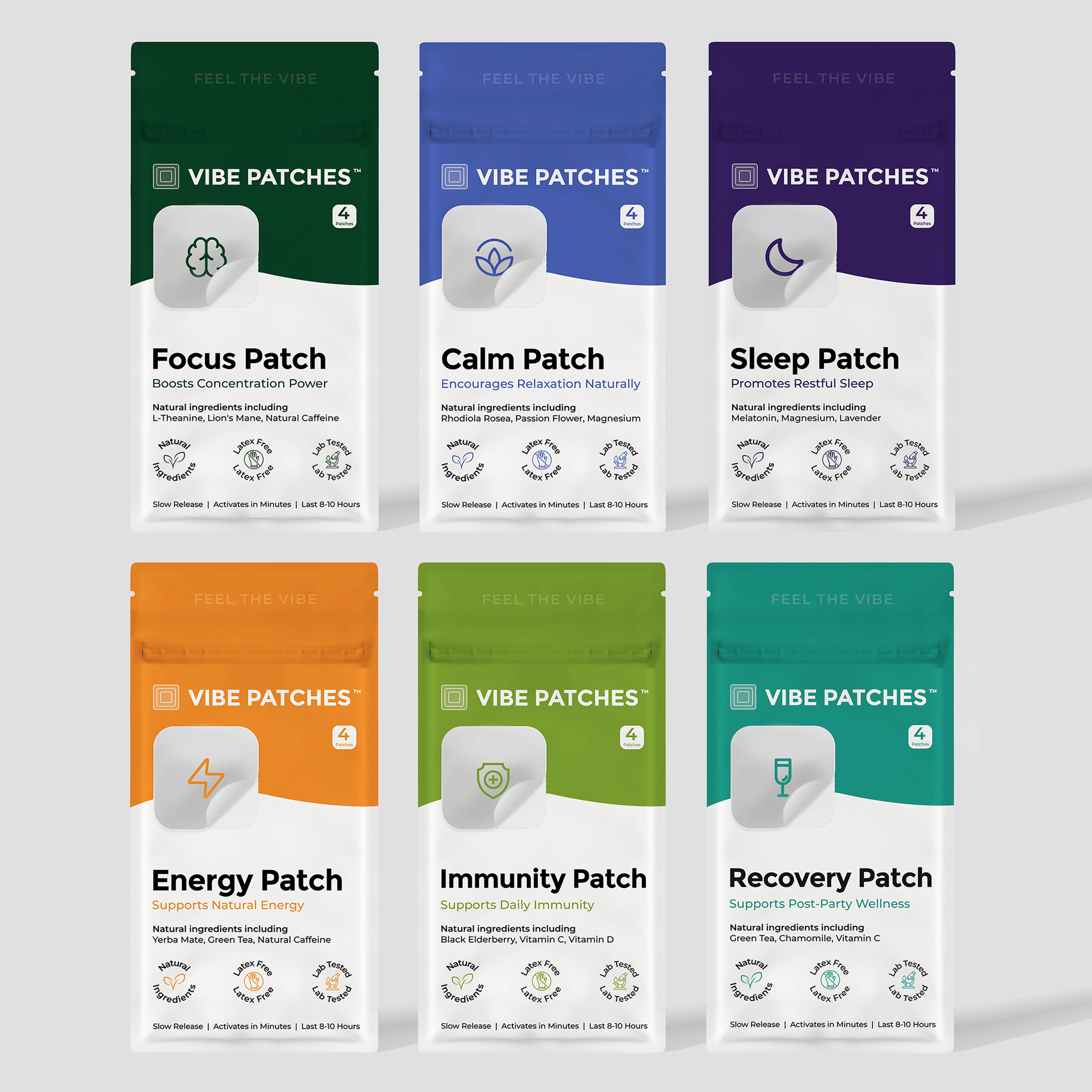
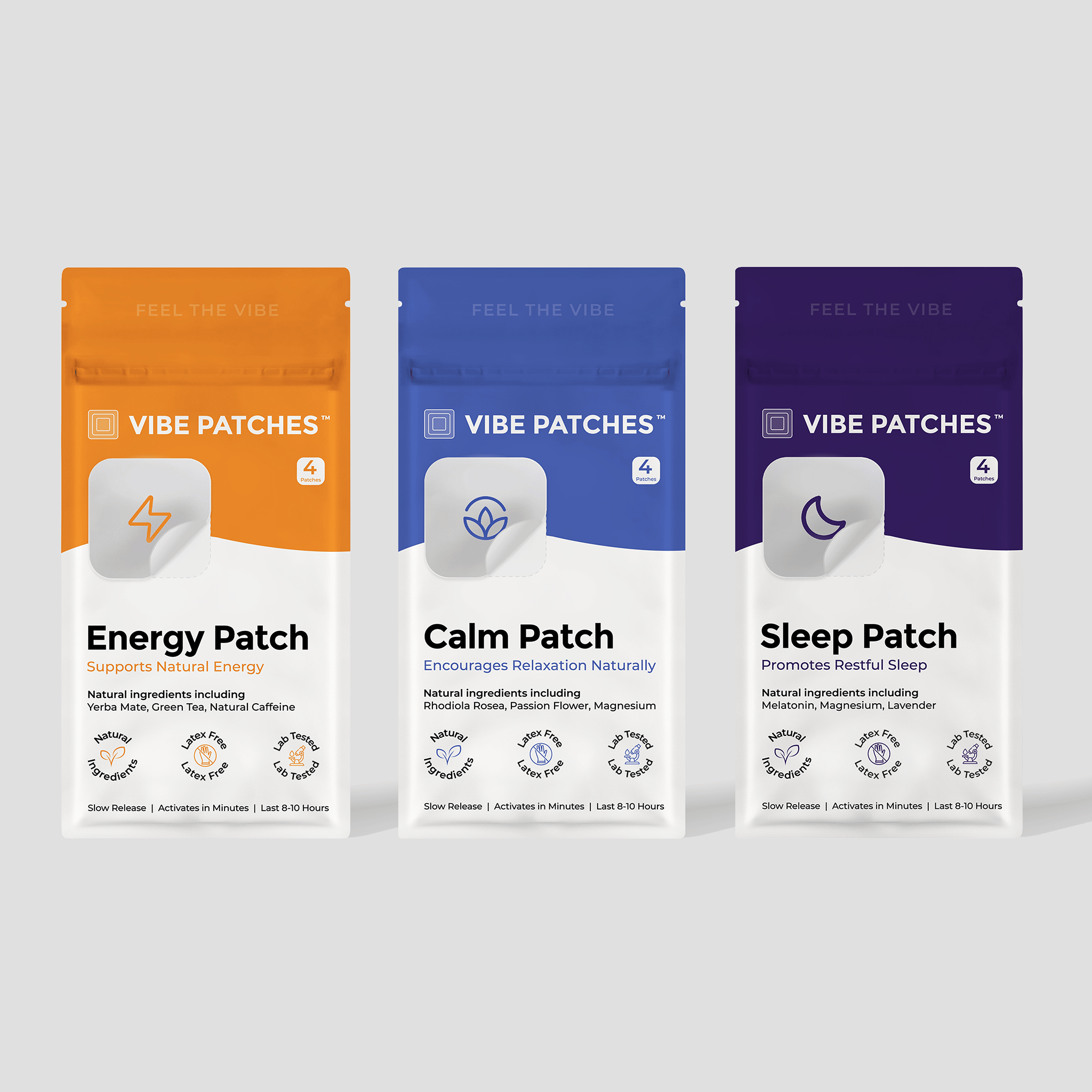
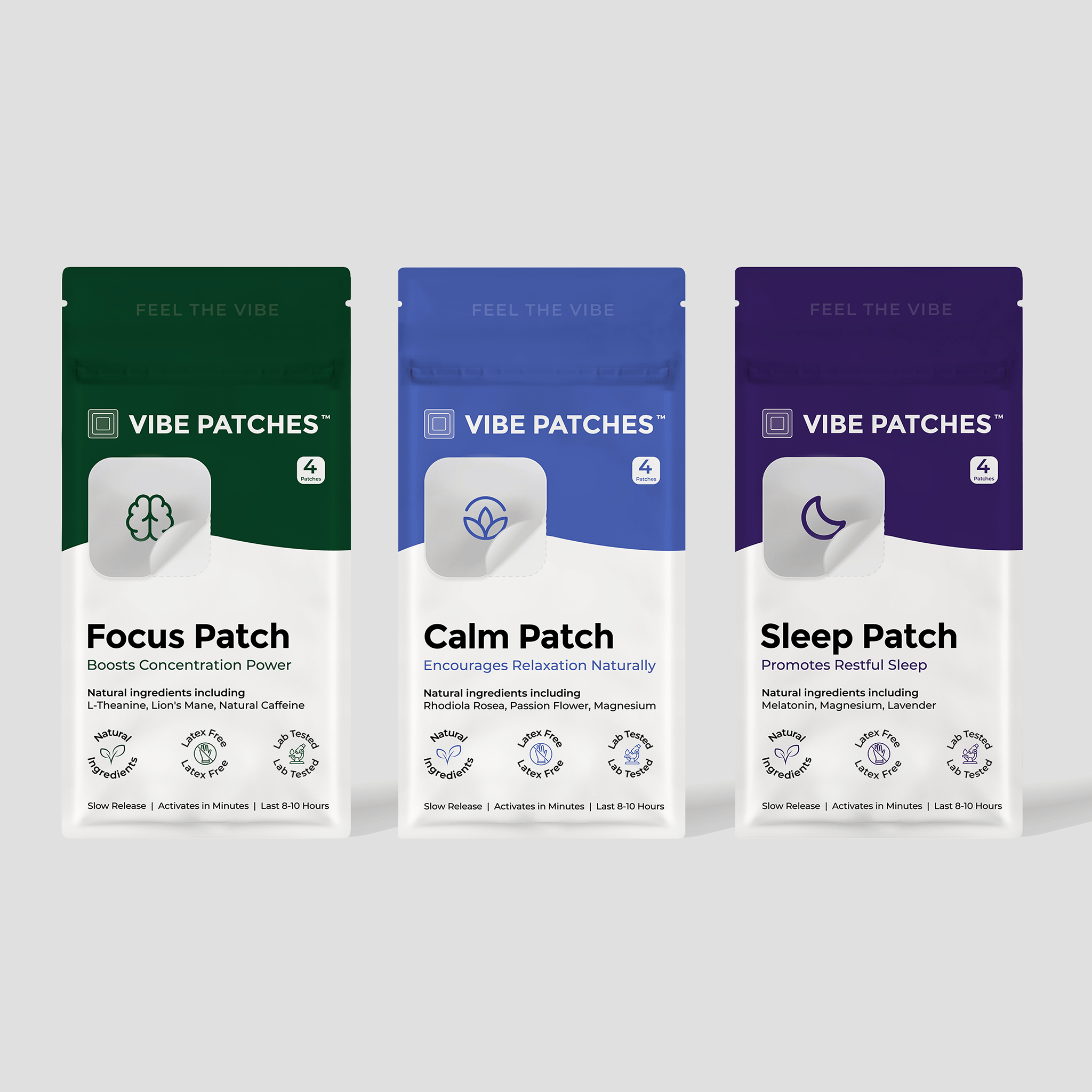
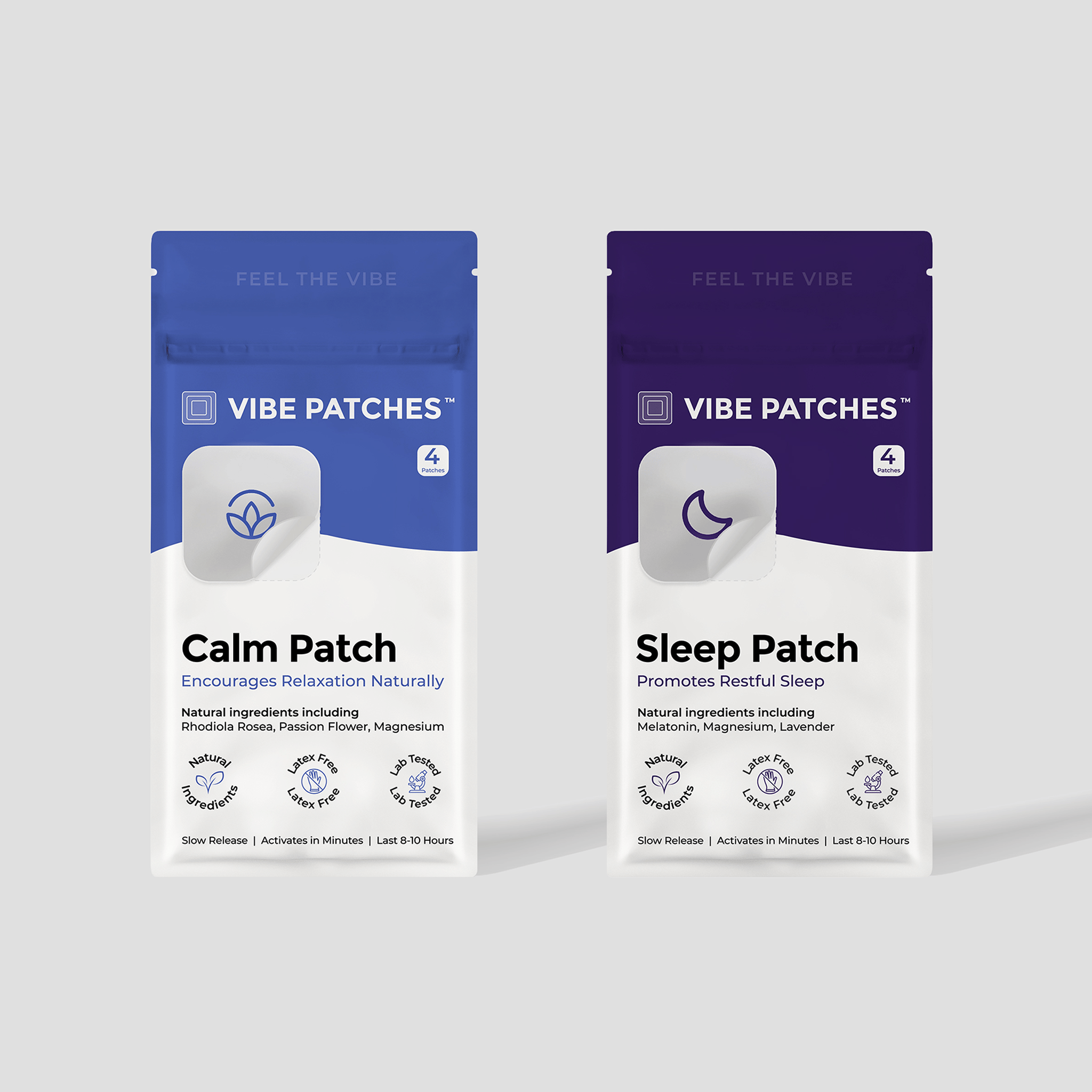
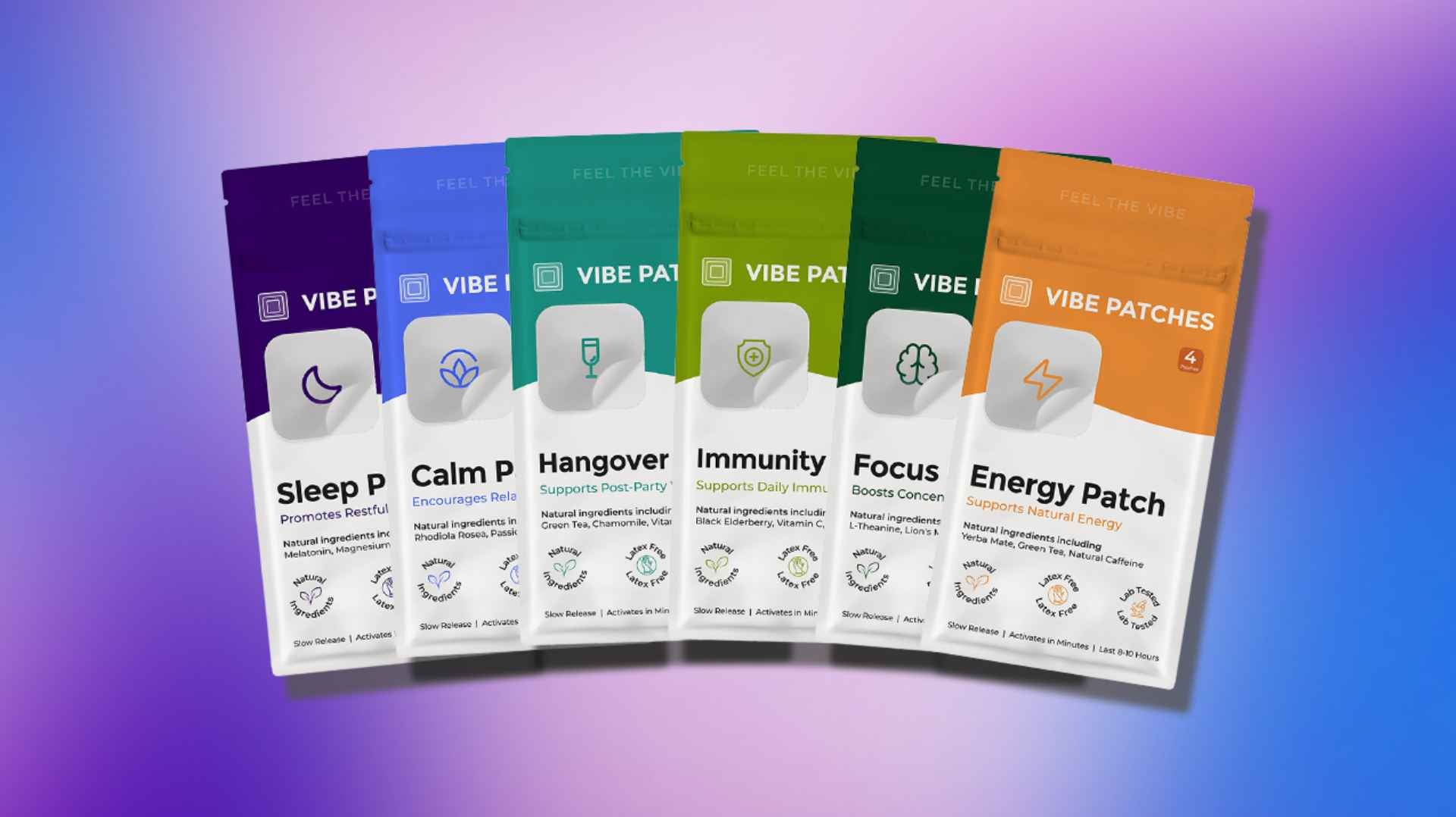
Vibepatches designs patches around your body's natural recovery systems. The Sleep Patch delivers calming ingredients through your skin throughout the night. No pills. No digestion required. When your sleep gets deeper, your body handles temperature better naturally.
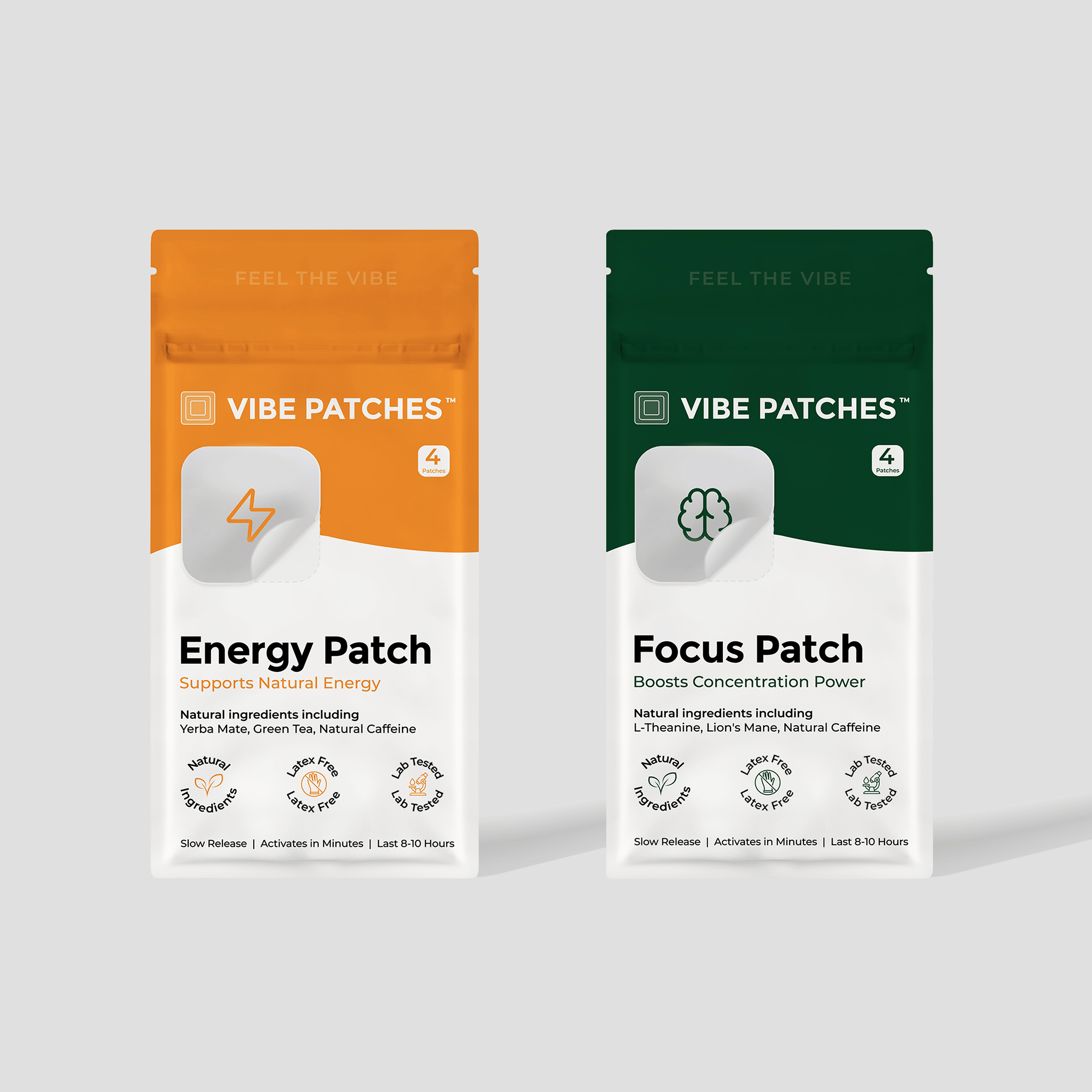
If poor sleep is draining your days, the Energy Patch helps you function better while you work on your sleep habits. The Focus Patch is worth having when disrupted nights start affecting your concentration.
Stop waking up drenched and exhausted. Explore the full collection and find what your nights have been missing. Start with the Sleep Patch and give your body the rest it's been asking for.
Medical Disclaimer: This content is for informational purposes only and does not constitute medical advice. Consult a qualified healthcare provider for persistent night sweats or overheating during sleep. Underlying medical conditions require professional evaluation and treatment.
Sources:
Sleep Foundation - Night Sweats
American Osteopathic Association - Night Sweats