
Why am I sweating in my sleep when the temperature feels comfortable? Night sweats affect millions of Australians and can stem from various causes ranging from simple environmental factors to underlying medical conditions. Understanding the source helps you find effective solutions.
Occasional mild perspiration during sleep is normal and rarely concerning. However, drenching night sweats that soak your sheets and wake you repeatedly signal something requires attention. Let's explore the most common causes and practical solutions.
Environmental and Lifestyle Factors
Your bedroom environment and evening habits significantly influence nighttime body temperature regulation. Many cases of night sweats stem from easily adjustable factors rather than medical issues.
Room Temperature and Bedding Choices
Your bedroom temperature directly impacts your body's ability to regulate heat during sleep. Why am I sweating in my sleep despite feeling cold initially? Your body temperature naturally drops during sleep as part of your circadian rhythm.
If your room stays too warm or your bedding traps excessive heat, your body struggles to maintain optimal sleeping temperature. This struggle triggers sweating as your body attempts to cool down through evaporation.
Common environmental triggers include:
-
Room temperatures exceeding 19 degrees Celsius
-
Heavy duvets or multiple blankets trapping heat
-
Synthetic bedding materials that prevent airflow
-
Thick mattresses without cooling technology
-
Poor bedroom ventilation and air circulation
Switching to breathable cotton or bamboo sheets often resolves mild night sweats immediately. Opening windows or using fans improves air circulation significantly.
Diet and Evening Consumption
What you consume before bed dramatically affects your nighttime body temperature. Spicy foods, alcohol, and caffeine all trigger increased sweating during sleep hours.
Alcohol particularly disrupts temperature regulation throughout the night. While it might make you feel sleepy initially, alcohol causes your blood vessels to dilate. This dilation increases blood flow to your skin surface, generating heat and sweating.
Caffeine consumed within six hours of bedtime keeps your metabolism elevated. This increased metabolic rate generates excess body heat that manifests as nighttime perspiration.
Hormonal Changes and Imbalances
Hormones play a crucial role in body temperature regulation. Fluctuations or imbalances often manifest as night sweats before other symptoms become apparent.
Menopause and Perimenopause
Why am I sweating in my sleep becomes a common question for women experiencing hormonal transitions. Oestrogen fluctuations during perimenopause and menopause frequently trigger severe night sweats affecting sleep quality.
These hormonal changes confuse your hypothalamus, which regulates body temperature. Your brain incorrectly perceives overheating and triggers sweating to cool you down. The sweating episodes can range from mild dampness to completely soaking your bedding.
Hot flushes and night sweats affect approximately 75% of menopausal women. The intensity and frequency vary significantly between individuals. Some experience brief episodes while others endure severe disruption for years.
Thyroid Disorders and Other Hormonal Issues
An overactive thyroid accelerates your metabolism significantly, generating excess body heat continuously. This condition, called hyperthyroidism, commonly causes excessive sweating both day and night.
Other hormonal conditions that trigger night sweats include:
-
Low testosterone levels in men
-
Pregnancy and postpartum hormonal shifts
-
Diabetes causing blood sugar fluctuations
-
Adrenal gland disorders affecting stress hormones
If lifestyle changes don't resolve your night sweats, hormone testing can identify underlying imbalances. Early detection allows for proper treatment before complications develop.
Medical Conditions and Medications
Certain medical conditions and pharmaceutical drugs commonly cause night sweats as a side effect. Identifying these connections helps you address the root cause appropriately.
Infections and Immune Responses
Why am I sweating in my sleep could signal your body fighting an infection. Tuberculosis, HIV, and other infections classically present with drenching night sweats as an early symptom.
Your immune system raises your body temperature to combat invading pathogens. This fever response continues during sleep, causing significant perspiration. The sweating helps your body release excess heat generated by your elevated temperature.
Bacterial infections, viral illnesses, and fungal diseases can all trigger night sweats. If you experience accompanying symptoms like unexplained weight loss, persistent fever, or extreme fatigue, consult your doctor promptly.
Medication Side Effects
Many common medications list night sweats among their potential side effects. Antidepressants, particularly SSRIs and SNRIs, frequently cause excessive nighttime perspiration.
Other medications commonly triggering night sweats include:
-
Hormone therapy and contraceptives
-
Diabetes medications causing hypoglycaemia
-
Pain relievers including aspirin and paracetamol
-
Blood pressure medications
-
Steroids and immunosuppressants
Never stop prescribed medications without consulting your healthcare provider first. They can often adjust dosages or suggest alternatives that minimise night sweats while maintaining treatment effectiveness.
Anxiety, Stress, and Sleep Disorders
Your mental health and sleep quality interconnect closely with body temperature regulation. Psychological factors often manifest physically through nighttime sweating.
Stress and Anxiety Disorders
Chronic stress and anxiety keep your sympathetic nervous system activated excessively. This constant activation triggers your fight-or-flight response, which includes increased sweating.
Why am I sweating in my sleep despite feeling calm? Your subconscious mind processes stress during sleep even when you're not consciously worried. Nightmares, stress dreams, and sleep anxiety all elevate your heart rate and body temperature.
The stress hormone cortisol also peaks abnormally in people with chronic anxiety. These elevated cortisol levels disrupt normal temperature regulation throughout the night.
Sleep Apnoea and Related Disorders
Obstructive sleep apnoea causes repeated breathing interruptions during sleep. Each interruption triggers a stress response in your body as it struggles for oxygen. This repeated stress generates significant heat and sweating.
People with untreated sleep apnoea often wake with drenched sheets and elevated heart rates. The condition also disrupts sleep architecture, preventing restorative deep sleep phases.
Practical Solutions for Night Sweats
Addressing night sweats requires identifying and treating the underlying cause. However, several strategies provide immediate relief while you investigate deeper issues.
Environmental Optimisation
Keep your bedroom cool, ideally between 15-19 degrees Celsius for optimal sleep. Use moisture-wicking sleepwear and breathable bedding materials that promote airflow.
A cooling mattress pad or pillow can significantly reduce nighttime overheating. These products use phase-change materials or gel technology to absorb and dissipate excess body heat.
Supporting Better Sleep Quality
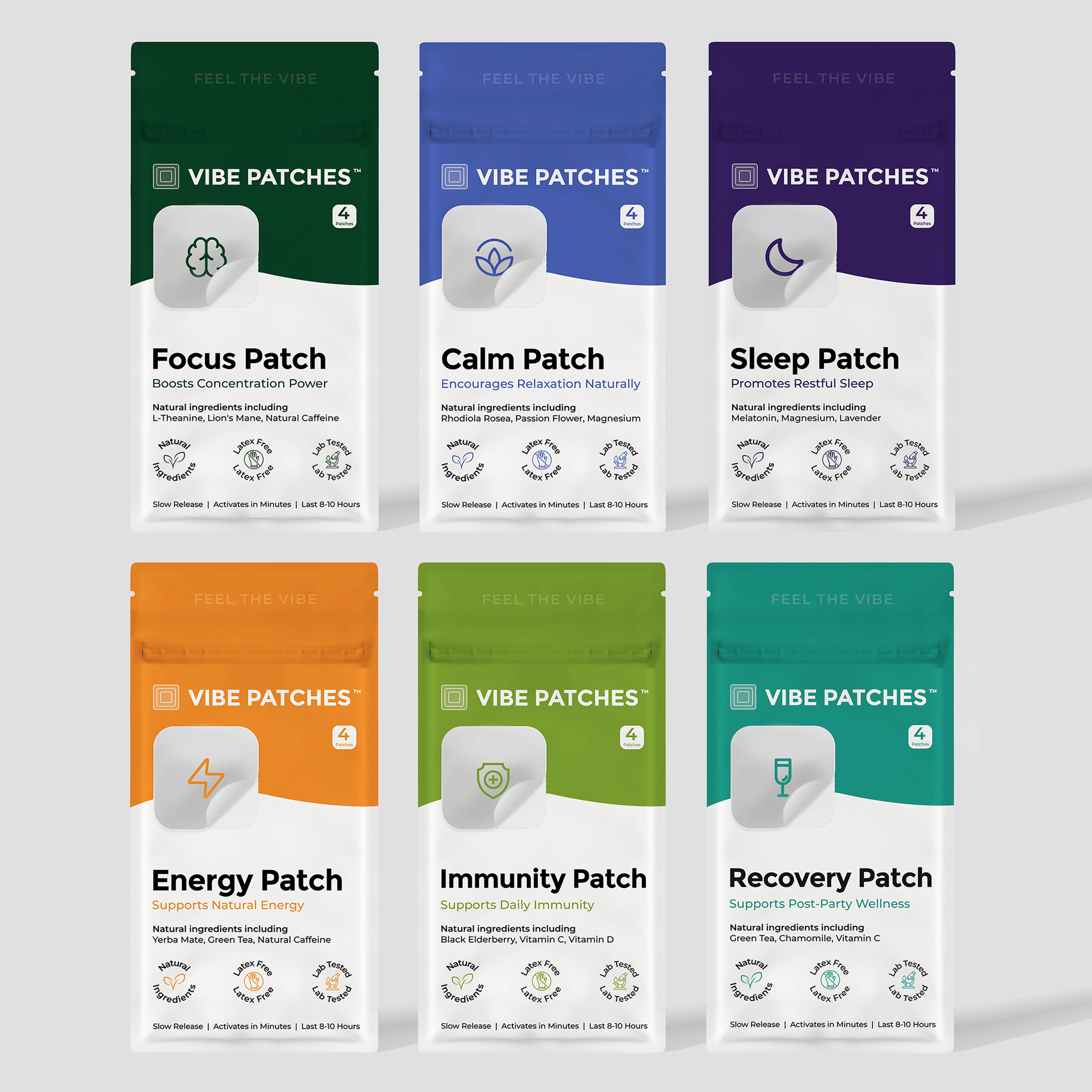
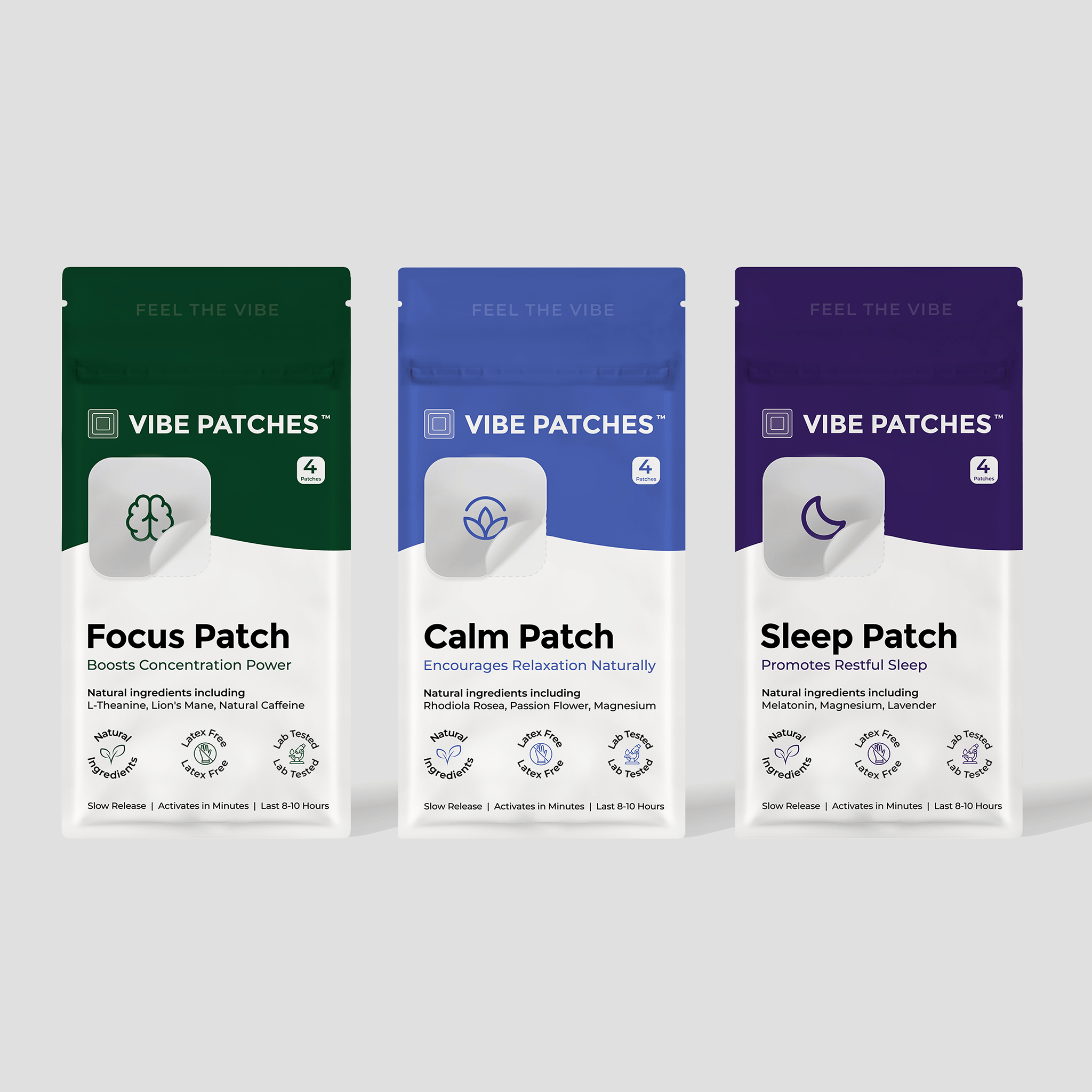
Establishing consistent sleep routines helps regulate your circadian rhythm and body temperature patterns. Vibe Patches supports healthy sleep patterns through innovative transdermal technology.
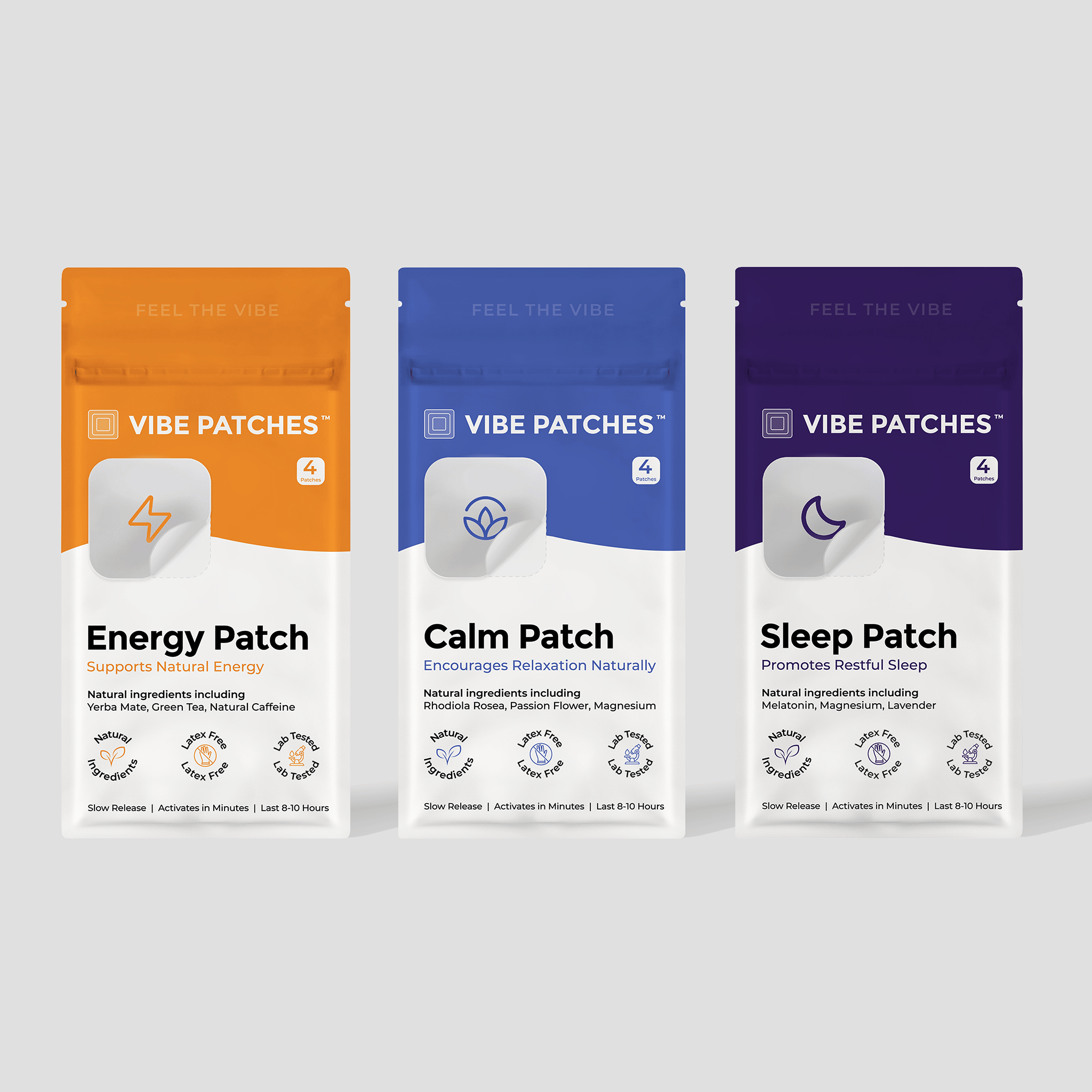
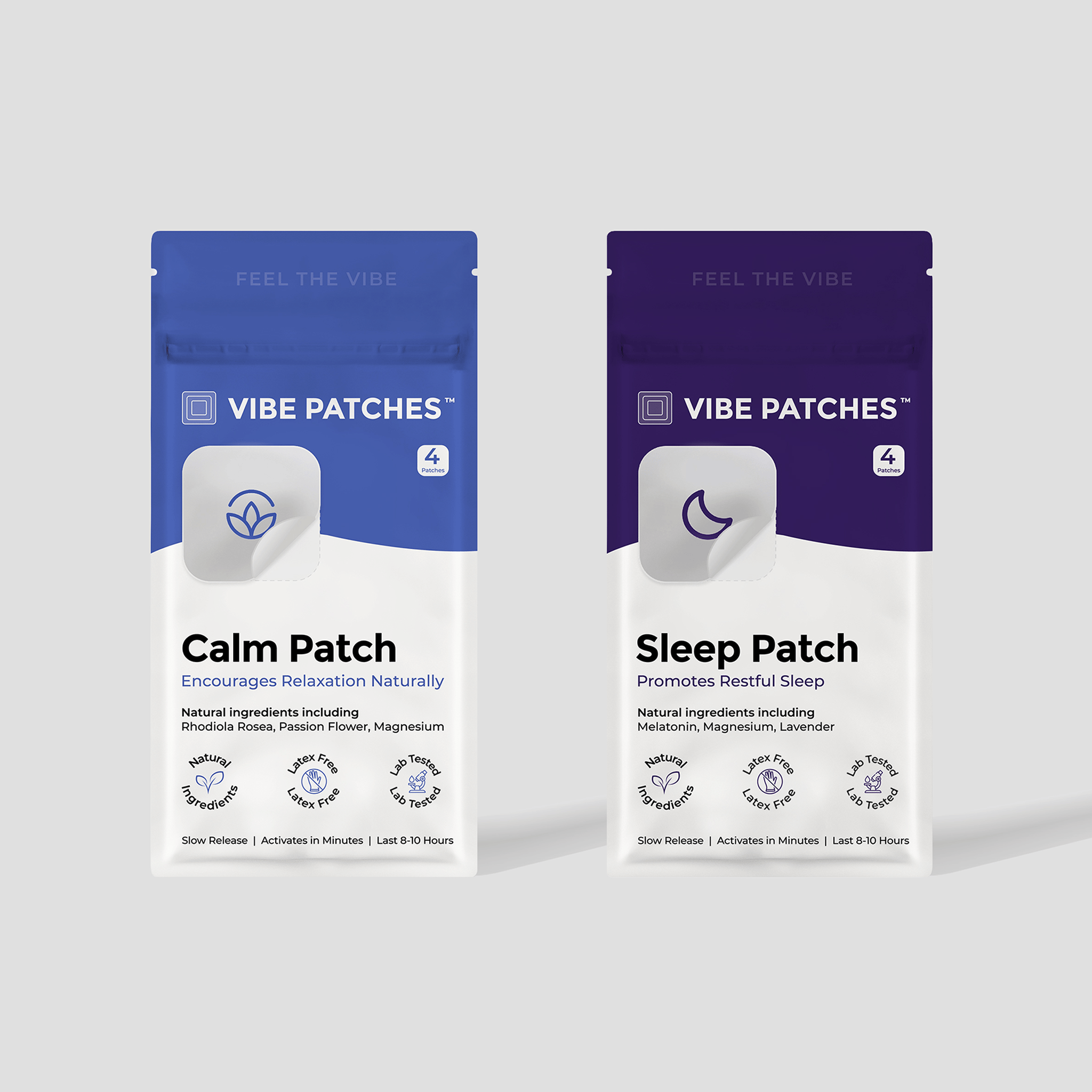
The Sleep Patch delivers calming nutrients gradually throughout the evening, supporting your body's natural temperature regulation. Unlike oral supplements that can spike and crash, patches provide steady support that works with your physiology.
The transdermal delivery bypasses your digestive system entirely, avoiding the metabolic heat generation that oral supplements create. This gentle approach helps maintain comfortable body temperature while supporting restful sleep.
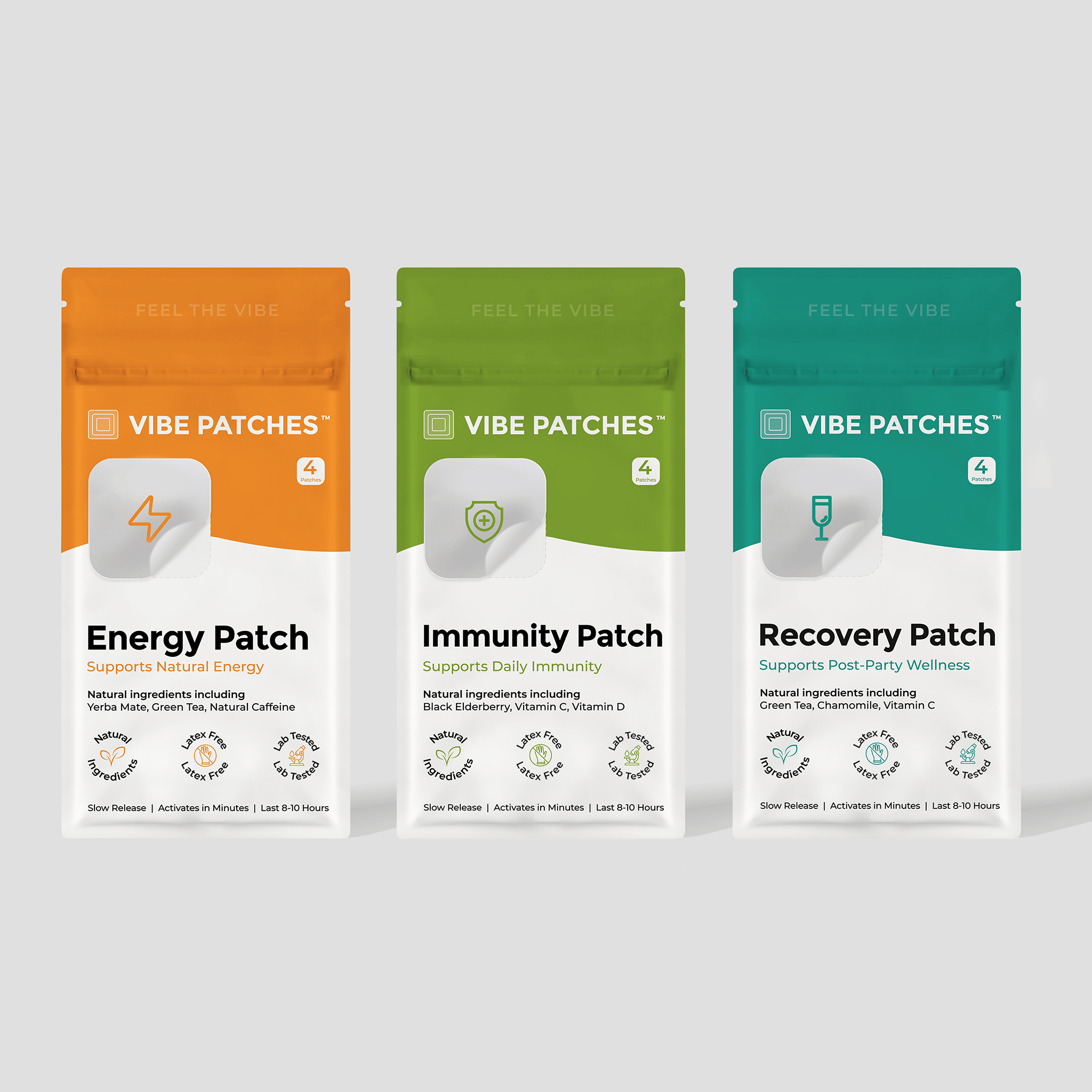
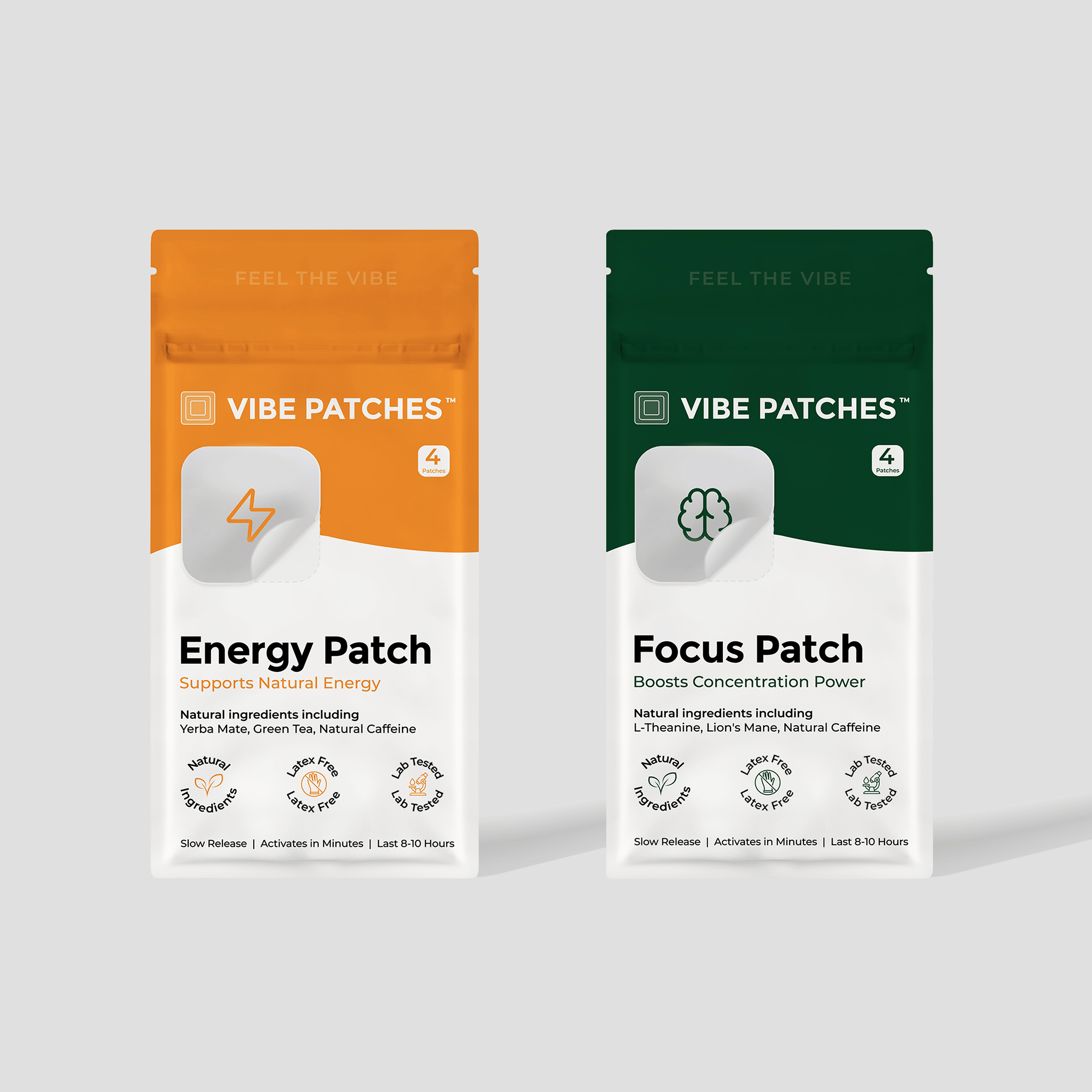
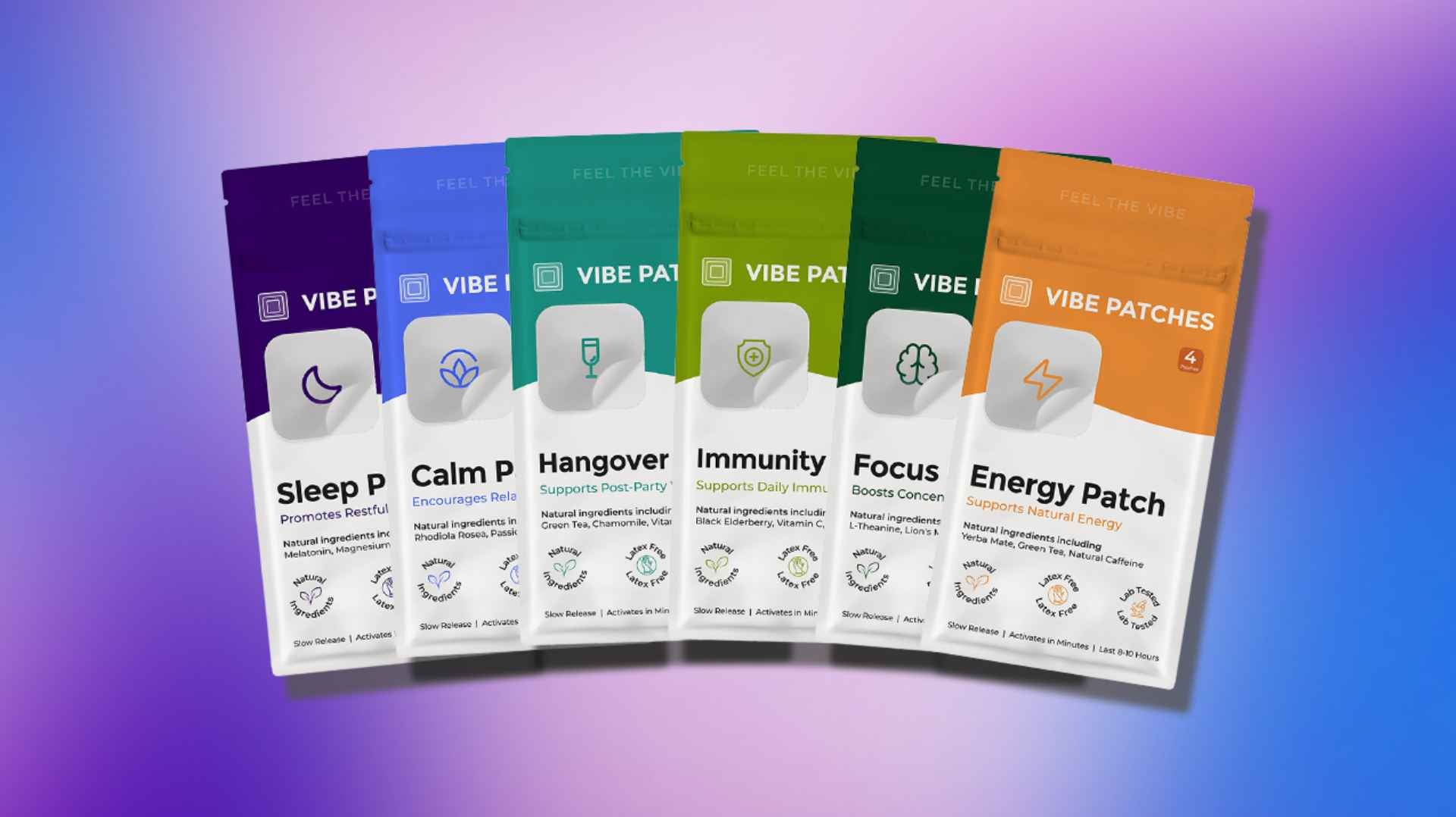
For daytime energy support after disrupted nights, the Energy Patch provides balanced sustained energy without the heat-generating effects of stimulants. Explore comprehensive wellness solutions at Vibe Patches collections for targeted support that respects your body's natural rhythms.
Medical Disclaimer: This content is for informational purposes only and does not constitute medical advice. Always consult a healthcare provider for concerns about persistent night sweats or sleep disturbances. If you have unexplained weight loss, fever, chest pain, or other concerning symptoms alongside night sweats, discuss these with your doctor. If you experience sudden severe sweating with chest pain, shortness of breath, or confusion, seek immediate medical attention.
Sources:
Health Direct Australia - Night Sweats