
Most people pick a sleep position by habit and stick with it for years. Comfort wins, and that makes sense. But for acid reflux, back pain, or snoring, knowing which side is best to sleep on helps. The right choice can shift your symptoms noticeably. Your position affects digestion, airway function, brain health, and circulation. That's more influence than most people give it credit for.
Which Side Is Best to Sleep On: Left vs. Right
People ask which side is best to sleep on for all sorts of reasons. The short answer is that left-side sleeping has the stronger research backing for most people. That said, right-side sleeping has its own place. For some, right is genuinely the better call. Here's how both sides compare.
The Case for Left-Side Sleeping
Left-side sleeping comes up most in the research, and for good reason. The stomach and pancreas naturally sit on the left side of the body. Sleeping on that side keeps gastric juices working with gravity rather than against it. Many people ask which side is best to sleep on for acid reflux. Left wins here consistently. A 2022 study found that left-side sleeping significantly reduced acid exposure compared to the right.
Brain health is another reason. Baptist Health reports that neurologists increasingly link left-side sleeping to better long-term cognitive function. This is tied to the glymphatic system. That's your brain's overnight cleaning process. It clears out metabolic waste while you sleep, and it works more efficiently in a side-lying position.
Plus, left-side sleeping reduces pressure on the inferior vena cava. That's the large vein that returns blood to the heart. Mayo Clinic recommends it specifically during the third trimester of pregnancy for this reason.
When the Right Side Makes More Sense
Right-side sleeping isn't without merit. For heart failure or structural heart conditions, the right side is often the more comfortable option. Sleeping on the left shifts the heart toward the chest wall. That intensifies the sensation of a heartbeat. The right keeps it more stable and puts less mechanical pressure on the heart overall.
Acid reflux is the area where right-side sleeping consistently underperforms. For most healthy adults without cardiac concerns, the difference between both sides is smaller than you'd expect.
How Sleep Position Shapes Your Body Overnight
Sleep position does more than determine which shoulder aches in the morning. It influences several body systems throughout the night. Most people don't think about this until something goes wrong.
Here's what side sleeping affects:
-
Digestion: Gravity works differently depending on your side. Left-side sleeping supports natural gastric movement. Right-side sleeping can slow it down and worsen reflux symptoms.
-
Airway and breathing: Side sleeping keeps throat tissues from collapsing backward during sleep. Research shows this switch cuts breathing interruptions by around 54 percent in sleep apnea patients.
-
Spine and joints: Side sleeping can misalign the spine without the right pillow support. A pillow between your knees keeps your hips level and reduces strain on the lower back.
-
Brain function: The glymphatic system works more efficiently during side sleeping. This has real implications for cognitive health, though the research is still ongoing.
-
Circulation: Left-side sleeping reduces pressure on the inferior vena cava. This is most relevant during pregnancy and for people with certain vascular conditions.
Which Side Is Best to Sleep On for Different Health Conditions
Honestly, which side is best to sleep on depends on your specific health situation. Health conditions change the equation significantly. Here's a practical breakdown by condition:
-
Acid reflux or GERD: Left side is consistently better. It reduces acid exposure and speeds up esophageal clearance.
-
Pregnancy (second and third trimester): Left side is recommended. It improves circulation and keeps pressure off the inferior vena cava.
-
Sleep apnea or heavy snoring: Either side beats sleeping on your back. Both open the airway and reduce obstruction significantly.
-
Heart failure or cardiac conditions: Right side tends to be more comfortable. It places less mechanical strain on the heart.
-
Back or neck pain: A pillow between your knees helps with side sleeping on either side. Neither left nor right has a clear edge here.
-
Shoulder pain: Avoid sleeping on the affected shoulder. Sleep on the opposite side to reduce direct pressure.
If you're managing more than one condition, a healthcare provider can help you figure out the priority.
Getting Sleep Position Right Takes Time
Figuring out which side is best to sleep on is just the first step. Switching positions is something most people underestimate. It's uncomfortable at first, especially if you've slept a certain way for decades. Give it two to three weeks. Your body adapts faster than you'd expect.
A firm pillow between the knees helps you hold position through the night. It also reduces hip strain for side sleepers. Pillow height matters too. Too low and your neck dips. Too high and it tilts. Both disrupt sleep quality even when the position itself is right.
Better Nights with Support from Vibepatches
No matter which side is best to sleep on, sleep quality still needs attention beyond position. How well you rest, recover, and reach deep sleep matters as much as your angle.
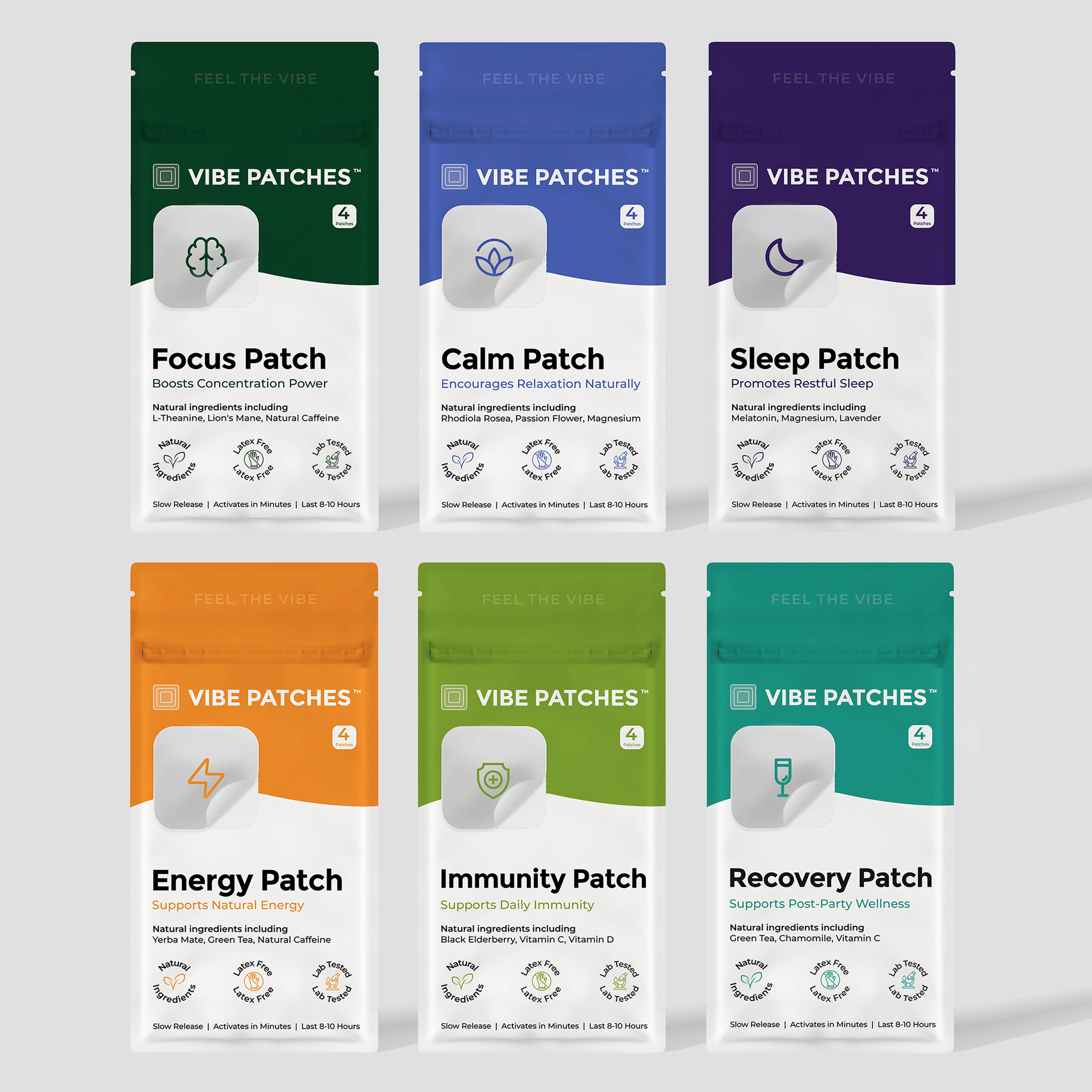
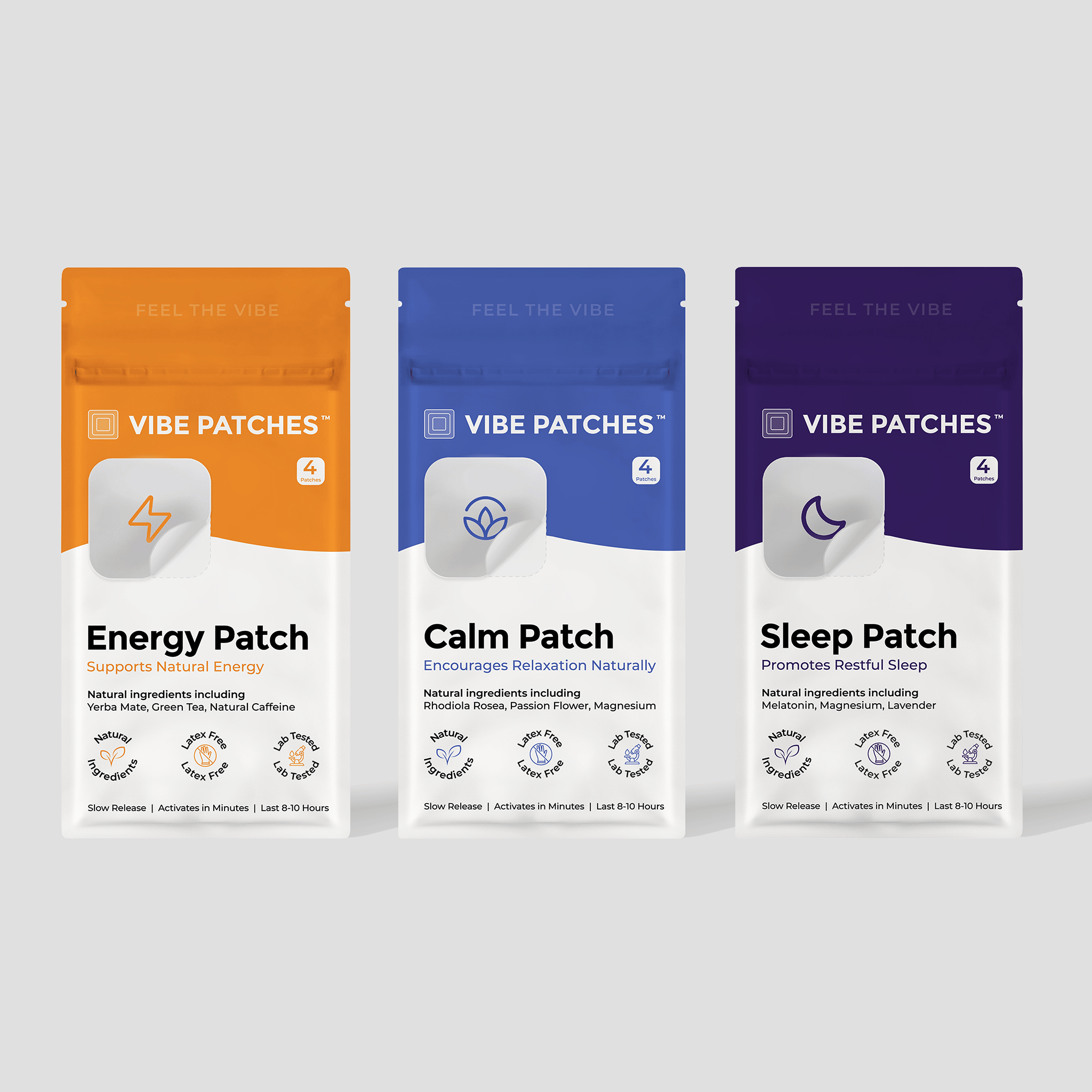
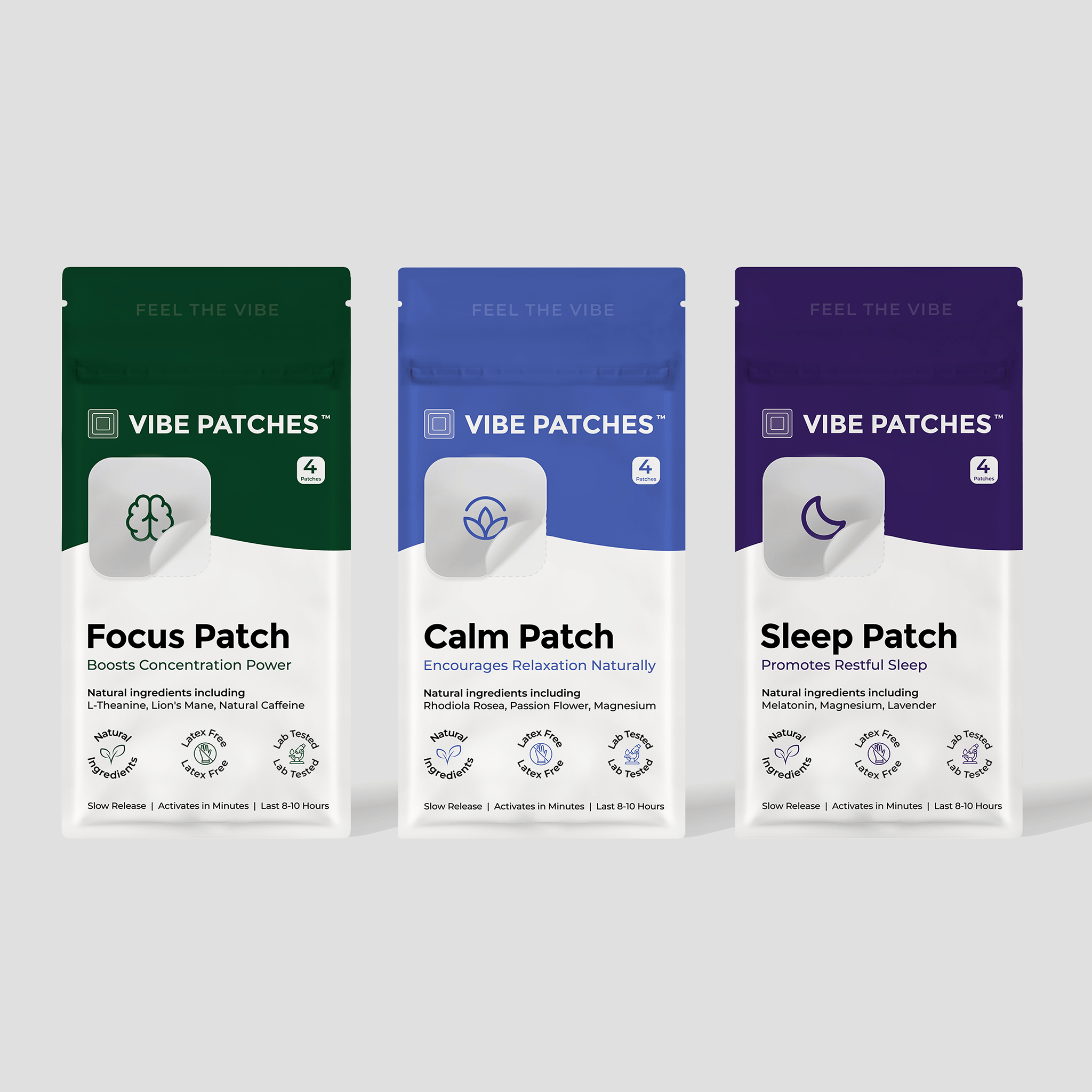
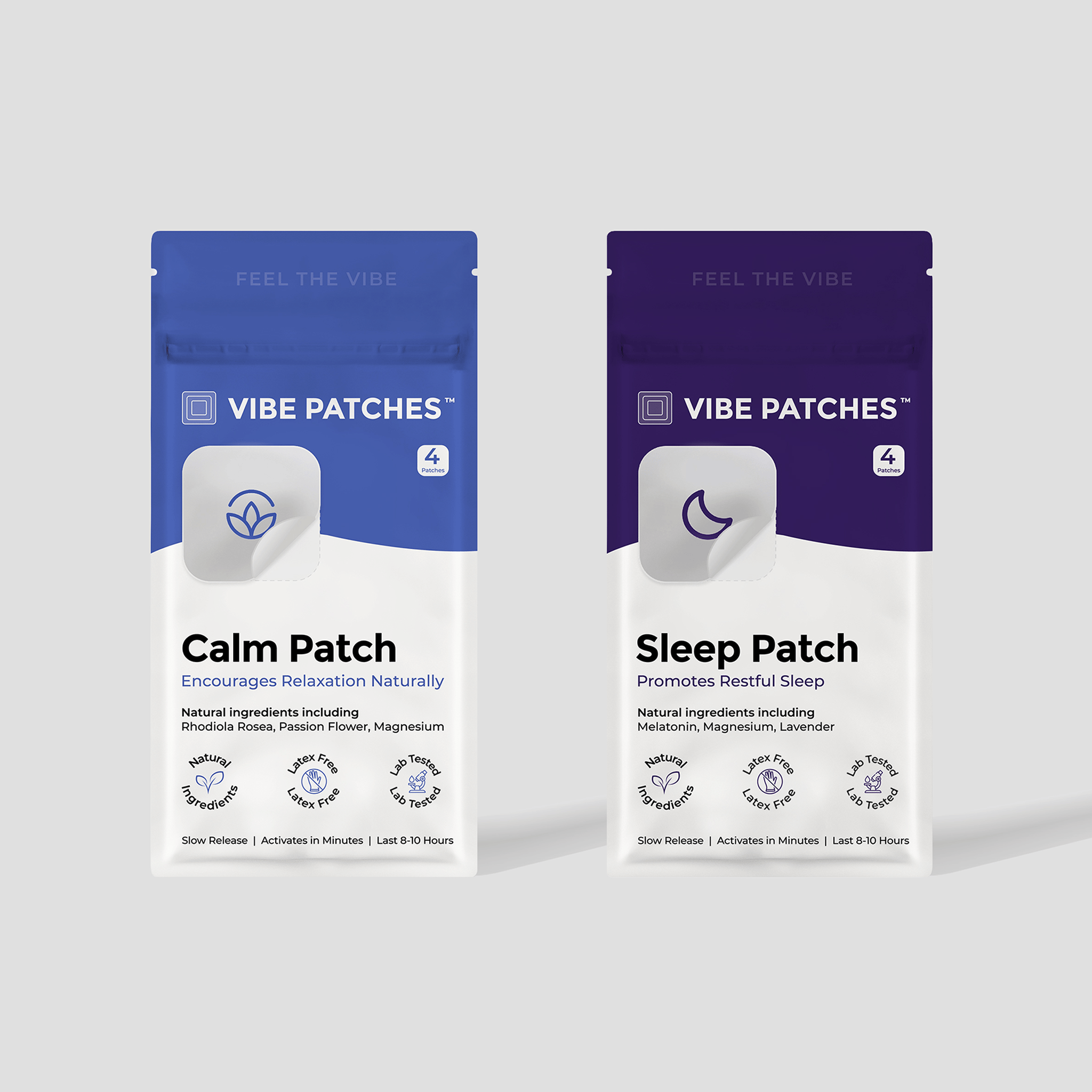
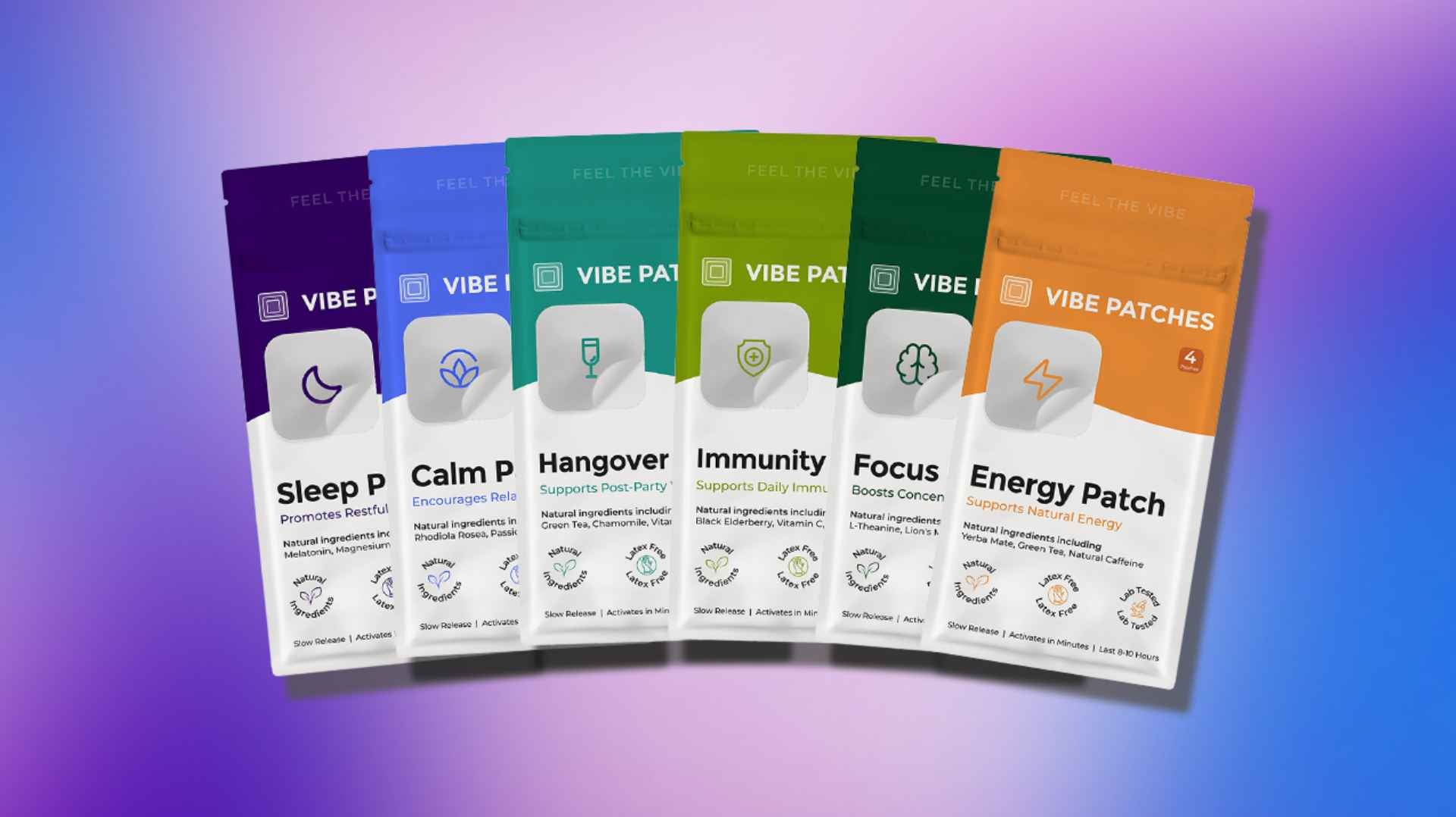
Vibepatches designs patches for people who want better sleep without adding pills to the mix. The Sleep Patch delivers calming ingredients transdermally through the night. No digestion involved. No timing required. Just steady support while you rest.
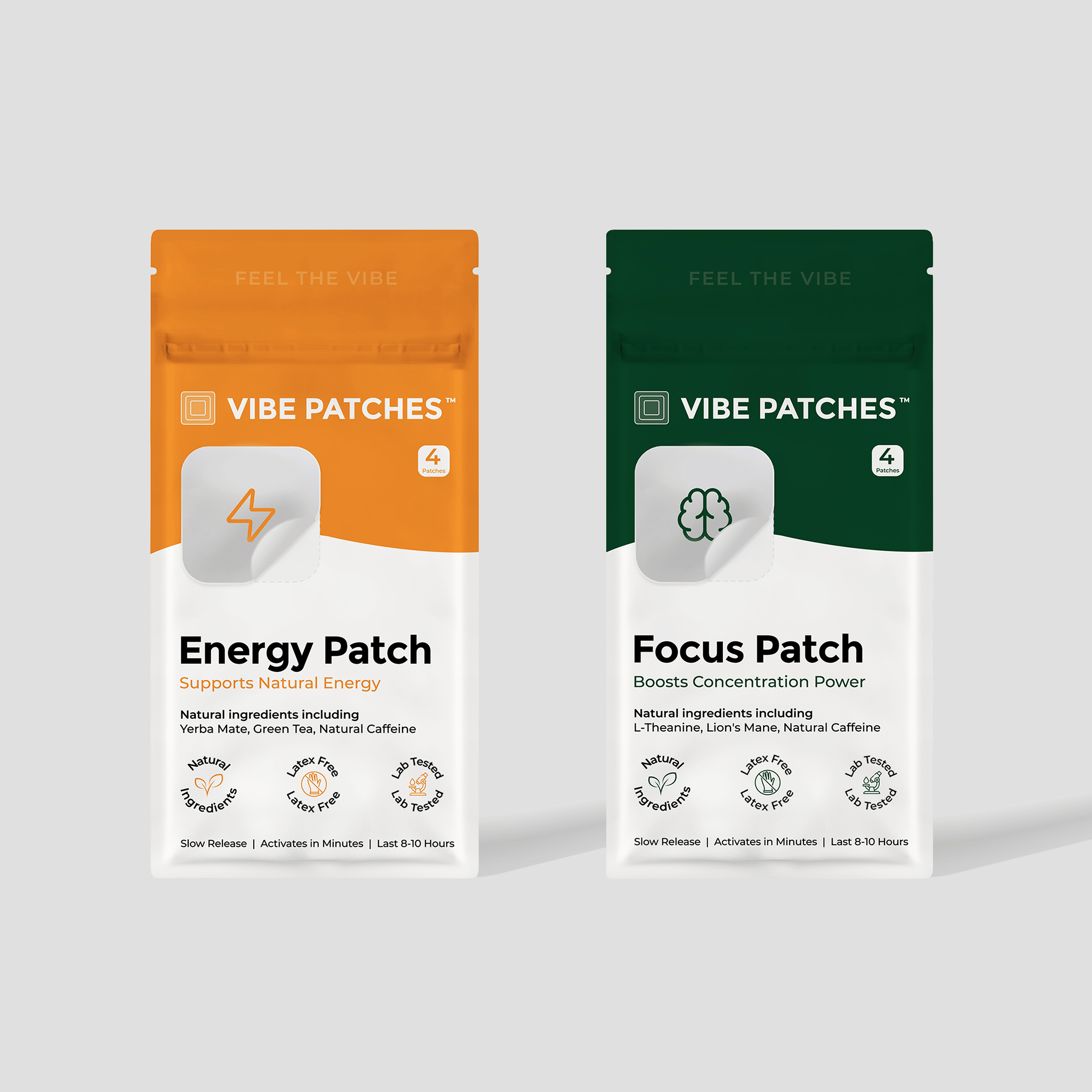
Poor sleep also drains your days. The Energy Patch supports daytime vitality when your nights have been rough. The Focus Patch helps your concentration hold up when disrupted sleep affects your clarity.
Stop guessing at better sleep. Explore the full collection and find what your nights are missing. Start with the Sleep Patch and feel the difference.
Medical Disclaimer: This content is for informational purposes only and does not constitute medical advice. Consult a qualified healthcare provider before changing your sleep position. This especially applies if you have a heart condition, sleep disorder, or are pregnant.
Sources:
Mayo Clinic - What Is the Best Sleeping Position?
Baptist Health - Your Sleeping Position May Help Determine Cognitive Health
Healthline - Sleeping on Left Side: Is It Bad for Your Heart?