
What is the worst energy drink for you? The answer might surprise you. While many people reach for energy drinks to power through their day, some options pack dangerously high levels of caffeine, sugar, and questionable ingredients that do more harm than good.
The Most Problematic Energy Drinks on the Market
Energy drinks have become a staple for many Australians seeking quick energy boosts. However, not all energy drinks are created equal. Some contain ingredient combinations that can seriously impact your health.
The worst offenders typically share several concerning characteristics. They load up on excessive caffeine, often exceeding safe daily limits in a single can. They also pack massive amounts of sugar that trigger energy crashes. Many include artificial stimulants and synthetic ingredients your body struggles to process.
Drinks with Dangerously High Caffeine Levels
Some energy drinks contain caffeine levels that exceed what health experts consider safe. Drinks with over 300mg per serving push well beyond recommended limits. This excessive caffeine intake can trigger several adverse effects:
-
Heart palpitations and increased blood pressure
-
Severe anxiety and restlessness
-
Disrupted sleep patterns lasting days
-
Dependency and withdrawal headaches
Young adults and teenagers face particularly high risks from these super-caffeinated options. Their bodies process stimulants differently, making them more vulnerable to negative effects.
Sugar-Loaded Energy Drinks
What is the worst energy drink for you when considering sugar content? Many popular brands pack 50-60 grams of sugar into a single can. That exceeds your entire recommended daily sugar intake in one drink.
These sugar bombs create a vicious cycle. You experience a brief energy spike followed by a dramatic crash. This crash leaves you reaching for another drink, perpetuating an unhealthy pattern. Regular consumption of high-sugar energy drinks links to weight gain, diabetes risk, and dental problems.
Hidden Dangers in Common Ingredients
Beyond caffeine and sugar, many energy drinks contain ingredients that raise red flags. Understanding these components helps you make informed choices about what you consume.
Artificial Stimulants and Synthetic Compounds
Several energy drinks include synthetic stimulants that amplify their effects. Taurine, while naturally occurring, appears in amounts far exceeding what you'd consume through food. Guarana acts as another caffeine source, often unlisted in total caffeine counts.
Some drinks also contain:
-
Synthetic B-vitamins in mega-doses your body cannot absorb
-
Artificial colours linked to hyperactivity concerns
-
Preservatives that trigger sensitivities in some people
-
Unregulated herbal extracts with unknown long-term effects
The Problem with Energy Drink Combinations
Mixing multiple stimulants creates unpredictable effects in your body. You cannot easily gauge how these combinations impact your heart rate, blood pressure, and nervous system. This unpredictability makes some energy drinks particularly dangerous.
Why Traditional Energy Drinks Fail Your Health Goals
What is the worst energy drink for you ultimately depends on your individual health. However, most conventional energy drinks share fundamental flaws that undermine your wellbeing.
The digestive system bears the brunt of these drinks' negative effects. Your stomach must process high concentrations of stimulants and sugar simultaneously. This overload can cause digestive distress, acid reflux, and nutrient absorption issues.
Energy drinks also disrupt your natural energy regulation. Your body produces energy through complex biological processes. Flooding your system with artificial stimulants overrides these natural mechanisms. Over time, you become dependent on external sources rather than supporting your body's innate capabilities.
The Crash and Dependency Cycle
Every energy drink high comes with an inevitable crash. As caffeine and sugar levels plummet, you experience:
-
Sudden fatigue worse than before
-
Difficulty concentrating on tasks
-
Irritability and mood swings
-
Strong cravings for another drink
This cycle traps many people in patterns of continuous consumption. They need more drinks to maintain basic functioning, never achieving sustained natural energy.
Healthier Alternatives to Problematic Energy Drinks
You don't need to sacrifice energy support to protect your health. Modern alternatives offer sustained energy without the dangerous spikes and crashes.
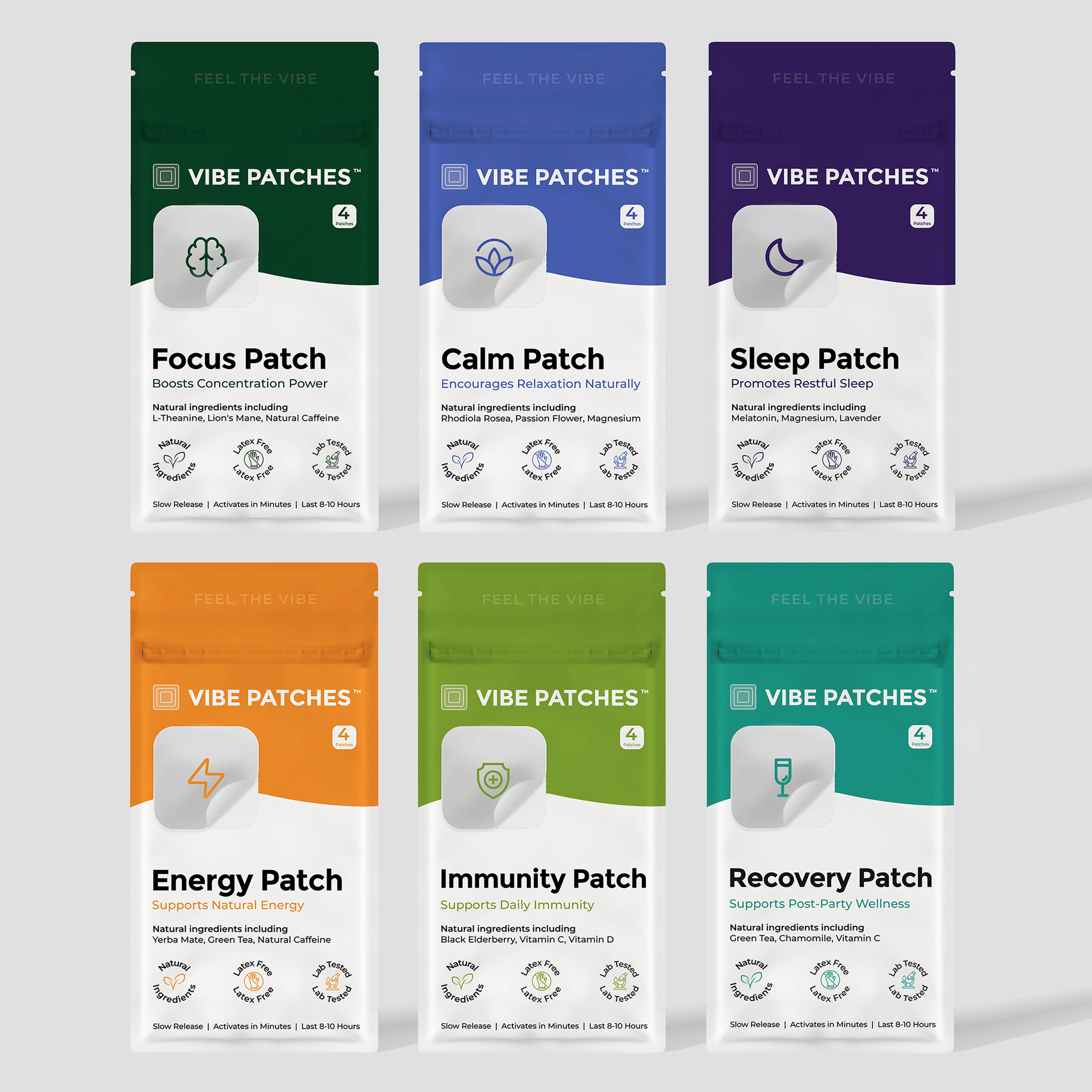
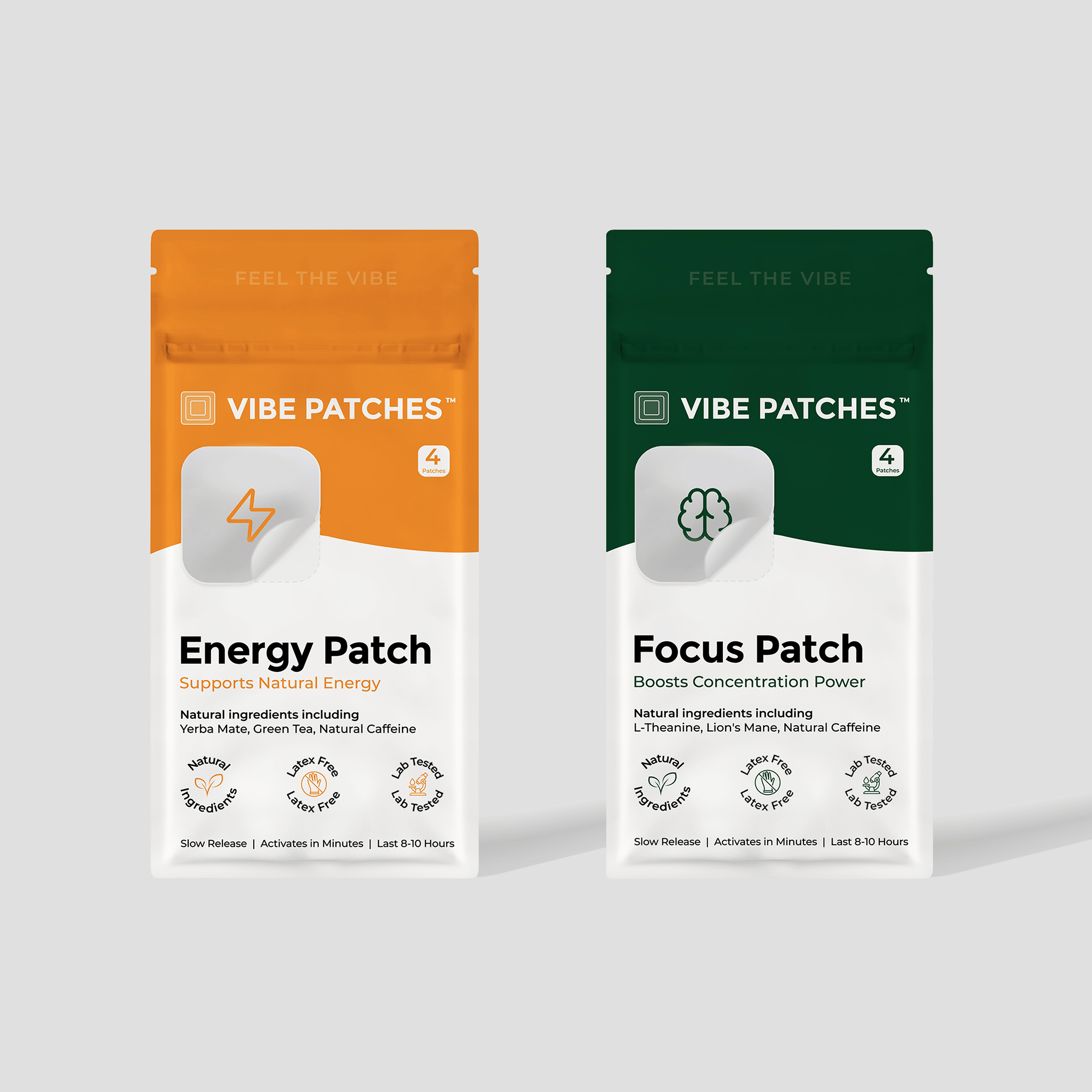
Vibe Patches provides a fundamentally different approach through transdermal technology. Rather than overwhelming your digestive system, patches deliver nutrients directly through your skin. This method ensures steady, consistent support throughout your day.
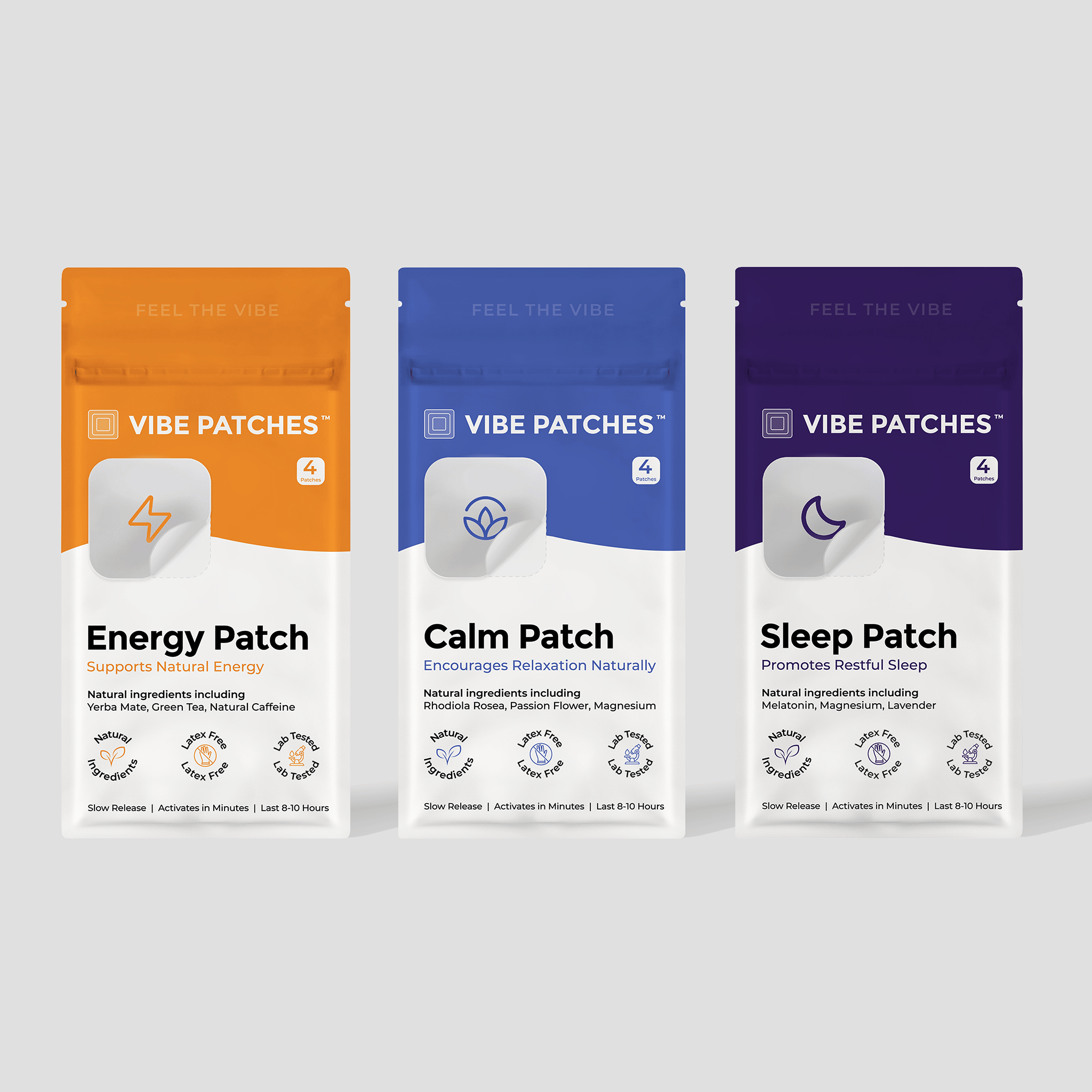
The Energy Patch offers balanced energy without excessive caffeine or sugar. You avoid the jitters and crashes that plague traditional energy drinks. The patch works alongside your body's natural processes rather than overriding them.
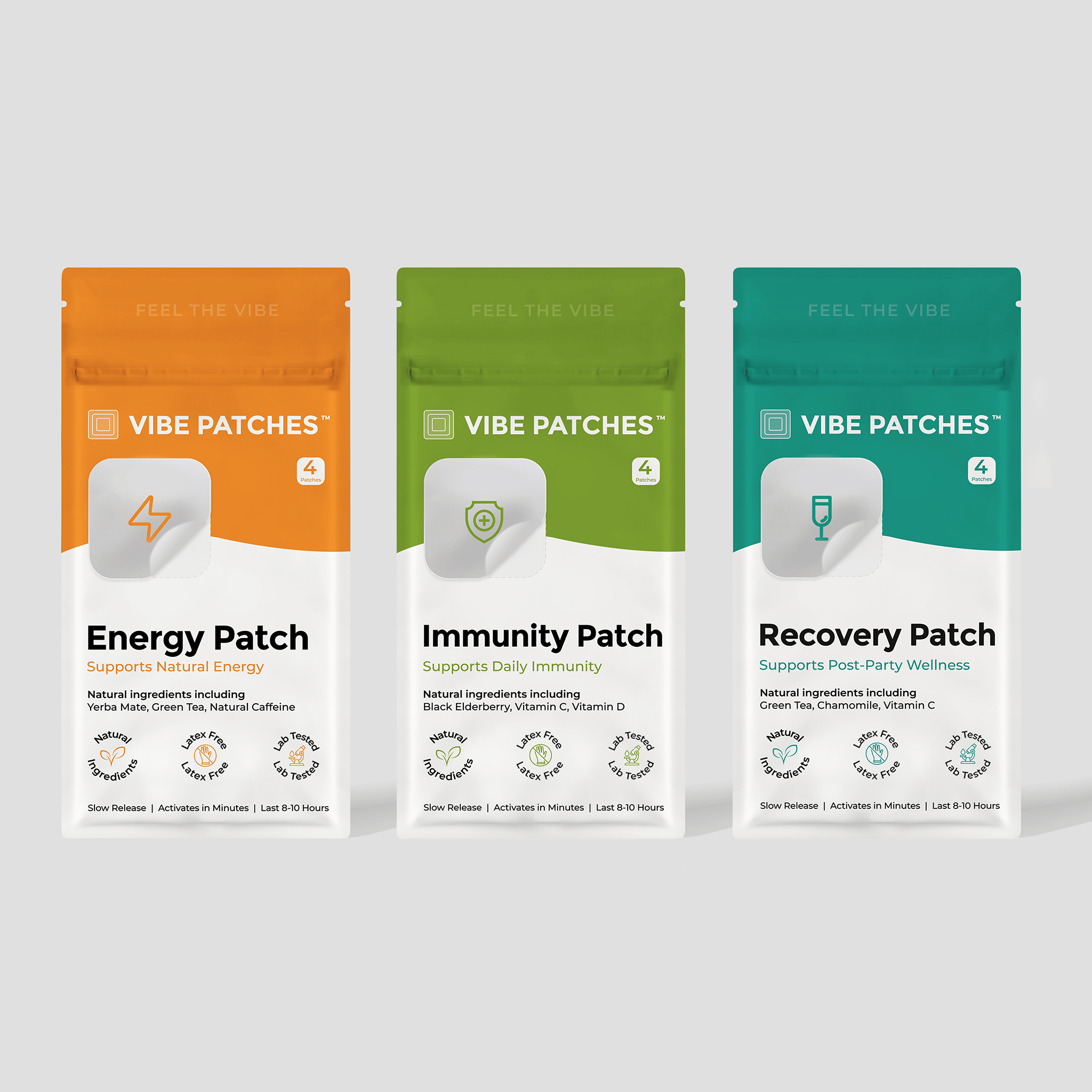
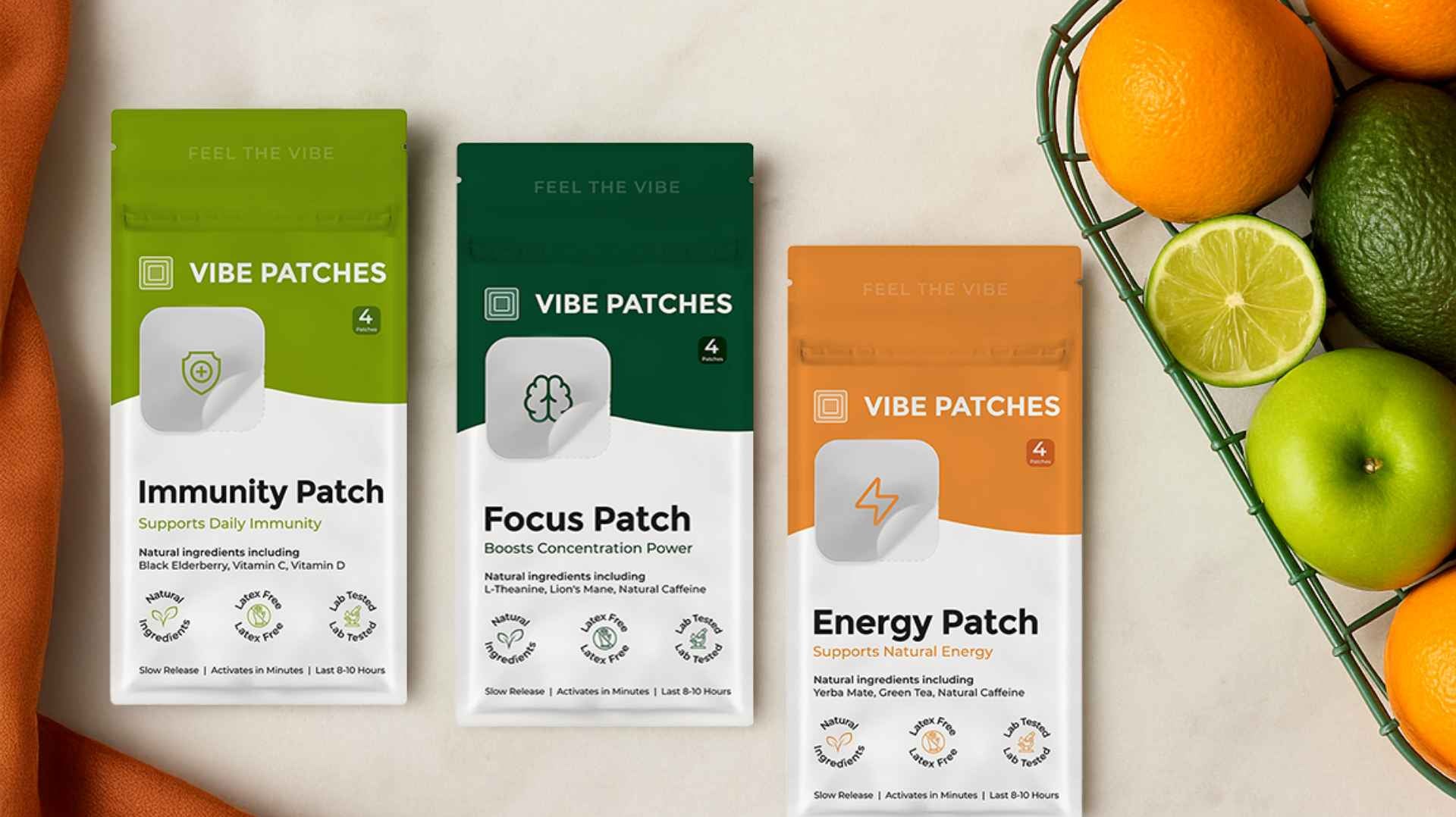
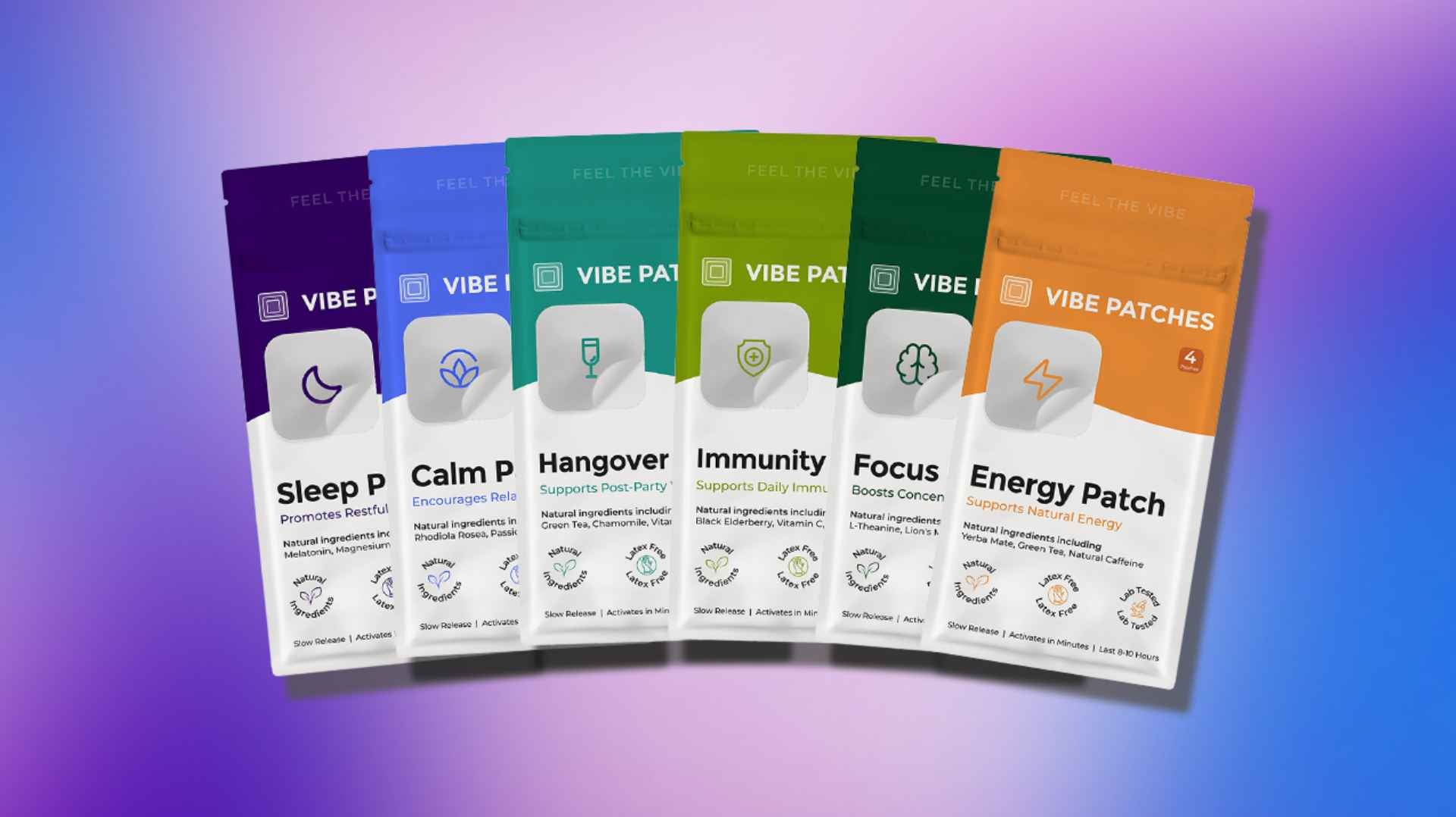
For those needing focused support beyond energy, explore the complete range at Vibe Patches collections. Whether you need better sleep, enhanced focus, or hangover support, transdermal patches provide targeted benefits without compromising your health. Your body deserves better than what is the worst energy drink for you can deliver.
Medical Disclaimer: This content is for informational purposes only and does not constitute medical advice. Always consult a healthcare provider for concerns about energy drink consumption and caffeine sensitivity. If you have heart conditions, high blood pressure, or anxiety disorders, discuss energy supplement use with your doctor. If you experience chest pain, severe headaches, or rapid heartbeat after consuming energy drinks, seek immediate medical attention.
Sources:
Cleveland Clinic - Are Energy Drinks Bad for You
Harvard T.H. Chan School of Public Health - Energy Drinks
National Institutes of Health - Energy Drinks: Health Risks and Toxicity