
You sleep eight hours and still drag yourself out of bed feeling foggy. The issue often isn't how long you sleep. It's whether your body reaches the stages that count. What is core sleep is a question that comes up regularly on sleep trackers and apps. The answer is worth knowing. Core sleep refers to the most restorative phases of your sleep cycle. Getting enough of it separates a night that genuinely repairs you from one that just passes time.
What Is Core Sleep Made Of
What is core sleep, at its most basic level, is a combination of two specific sleep stages. It's not all the time you spend in bed. It's the portions where your body and brain actively do critical repair work. Those two stages are deep sleep and REM sleep. Different purposes, equally important.
Deep Sleep and Physical Repair
Deep sleep, also called slow-wave sleep or NREM Stage 3, dominates the first half of the night. Your body focuses on physical restoration here. Muscle and tissue repair happens, growth hormone releases, and the immune system strengthens.
This is the stage people mean when they say they slept hard. It's difficult to wake from. Heart rate and breathing slow significantly. Body temperature drops. Deep sleep makes up about 15 to 20 percent of total sleep time in healthy adults. Miss it consistently and physical recovery suffers first.
REM Sleep and Brain Recovery
REM sleep, short for rapid eye movement, is when your brain does its repair work. This stage processes memories, regulates emotions, and supports creativity and learning. Your brain runs nearly as active as it does when you're awake.
REM cycles get longer as the night goes on. The first REM period lasts around 10 minutes. By the final cycle before waking, it can stretch to an hour. This is why cutting sleep short by an hour or two disproportionately reduces REM time. NIH research links consistent REM disruption to emotional reactivity, poor memory, and reduced cognitive performance.
Why Core Sleep Drives Your Recovery
This is what is core sleep working in real terms. It's the window where your body runs most of its essential maintenance. Getting enough of it changes how you feel, think, and function the next day. Running short on it creates a deficit that builds fast.
Here's what happens during core sleep every night:
-
Muscle and tissue repair: Growth hormone releases primarily during deep sleep, driving physical recovery.
-
Memory consolidation: The brain files and stores new information gathered throughout the day, reinforcing learning.
-
Immune system support: Deep sleep boosts immune cell production and cytokine release. Poor sleep consistently correlates with getting sick more frequently.
-
Hormonal balance: Cortisol regulation and appetite hormones like leptin and ghrelin reset. Disrupted core sleep can spike hunger levels and stress responses.
-
Emotional processing: REM sleep helps the brain process and reduce the intensity of emotional experiences overnight.
What Disrupts Core Sleep
A lot of people get seven or eight hours in bed and still miss adequate core sleep. Total hours aren't the only factor. The quality and continuity of those hours determine whether you reach the deep and REM stages.
Common disruptors include:
-
Alcohol, which blocks REM sleep and creates lighter, more fragmented rest even in small amounts
-
Stress and anxiety, which keep cortisol elevated and prevent deep sleep onset
-
Screen use before bed, suppressing melatonin and delaying sleep stage entry
-
Inconsistent sleep schedules that disrupt your circadian rhythm over time
-
Sleep apnea, which interrupts breathing and pulls the body out of deep sleep repeatedly
-
Environmental noise or light causing micro-awakenings throughout the night
According to the Sleep Foundation, fragmented sleep significantly reduces time in restorative stages, even when total duration looks normal. This explains how you can sleep eight hours and wake up feeling like you got four.
What Is Core Sleep vs. Total Sleep Time
People often equate time in bed with actual rest. That's not how sleep works. What is core sleep is a subset of total sleep time. The two numbers can differ considerably.
Adults typically spend around 4.5 to 6 hours in core sleep stages during an eight-hour night. The rest is lighter sleep that transitions between cycles. According to Cleveland Clinic, adults cycle through roughly 90-minute sleep cycles four to six times per night. Deep sleep dominates the earlier cycles. REM dominates the later ones.
Cutting either end of the night short cuts into one stage or the other. Going to bed an hour later means less REM. Waking earlier than your body wants means less REM too. This is why consistent sleep timing preserves core sleep architecture better than any supplement or trick.
Signs You're Missing Enough Core Sleep
What is core sleep deprivation, exactly? It doesn't always look like obvious tiredness. These signs suggest your core sleep stages aren't being reached or maintained:
-
Waking up unrefreshed despite a full night's sleep
-
Brain fog or slow thinking in the morning
-
Craving high-sugar or high-carb foods earlier in the day
-
Mood swings or emotional reactivity without a clear cause
-
Getting sick more often than usual
-
Dreams feeling absent or unusually vivid and disturbing
Two or three of these together consistently point to disrupted sleep architecture, not just insufficient hours.
Better Nights with Support from Vibepatches
What is core sleep if not the foundation of everything your body does to recover? Getting enough of it requires protecting the depth and continuity of sleep, not just the duration.
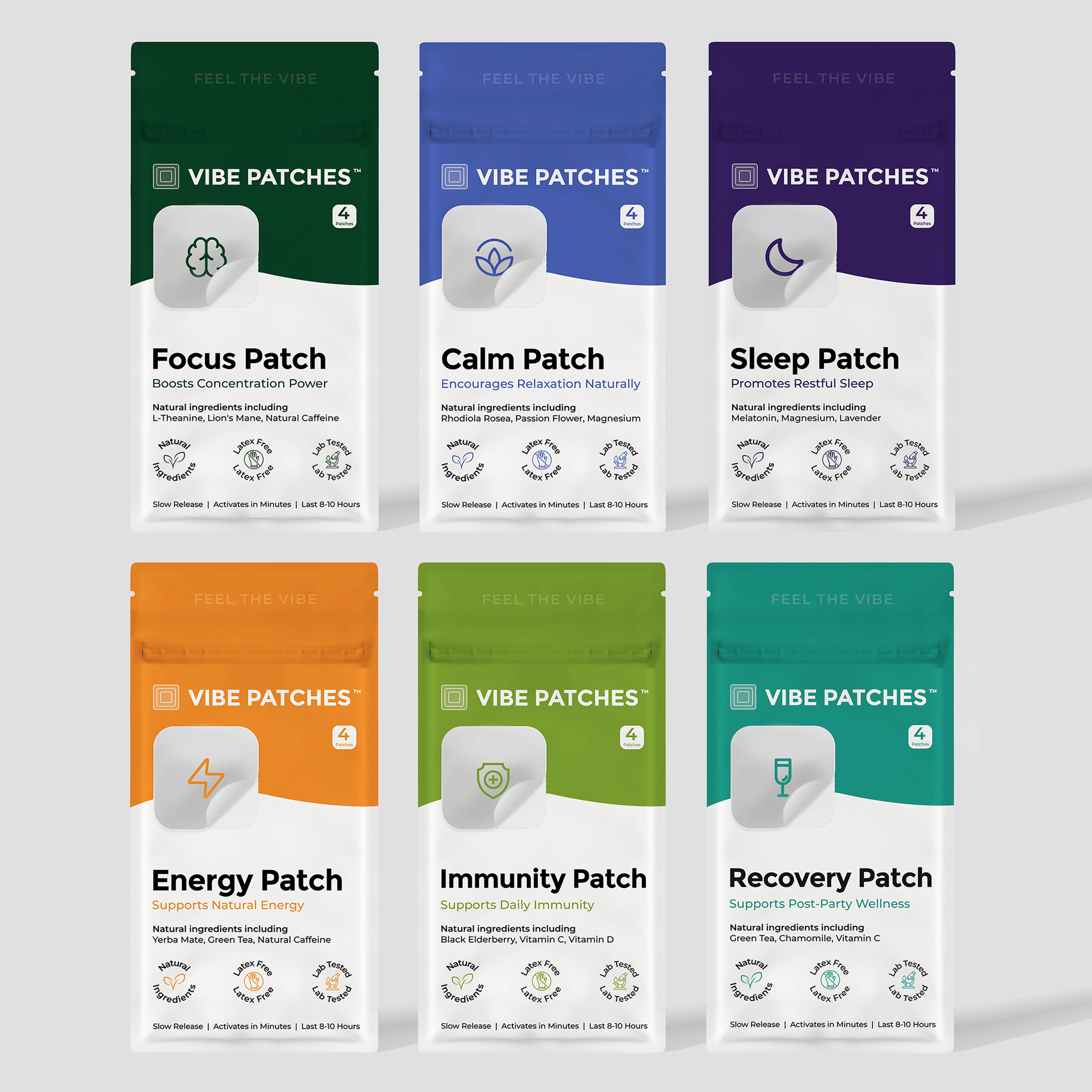
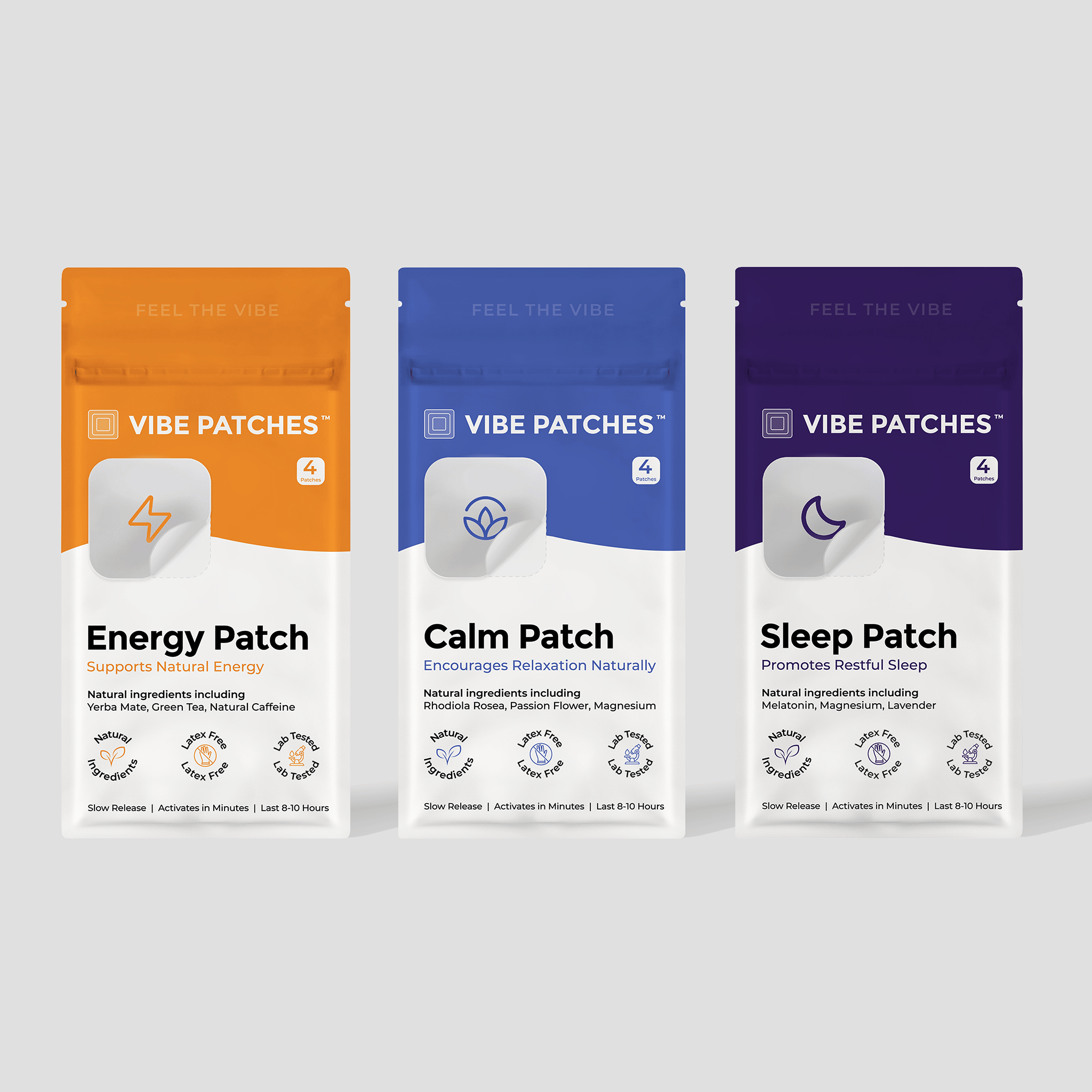
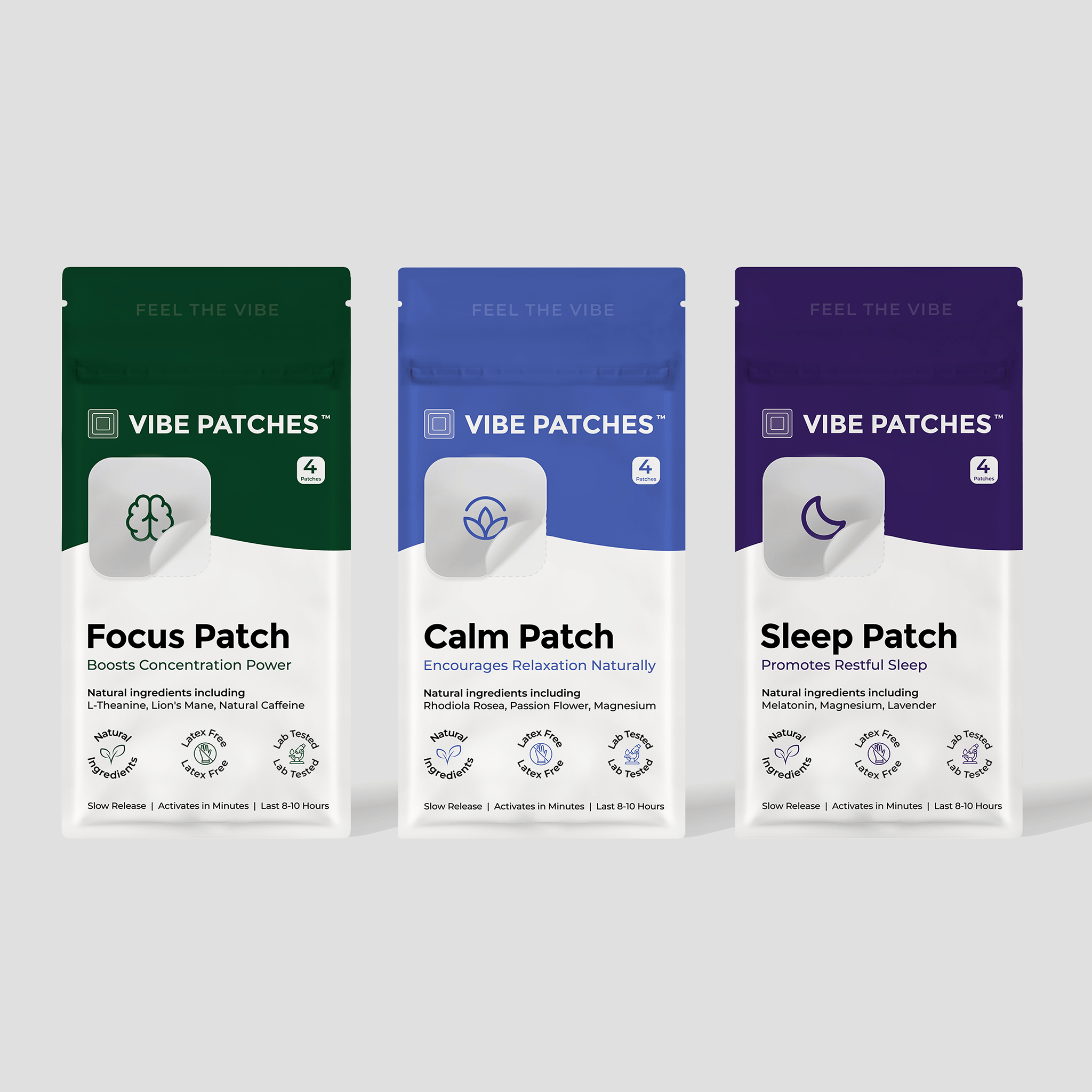
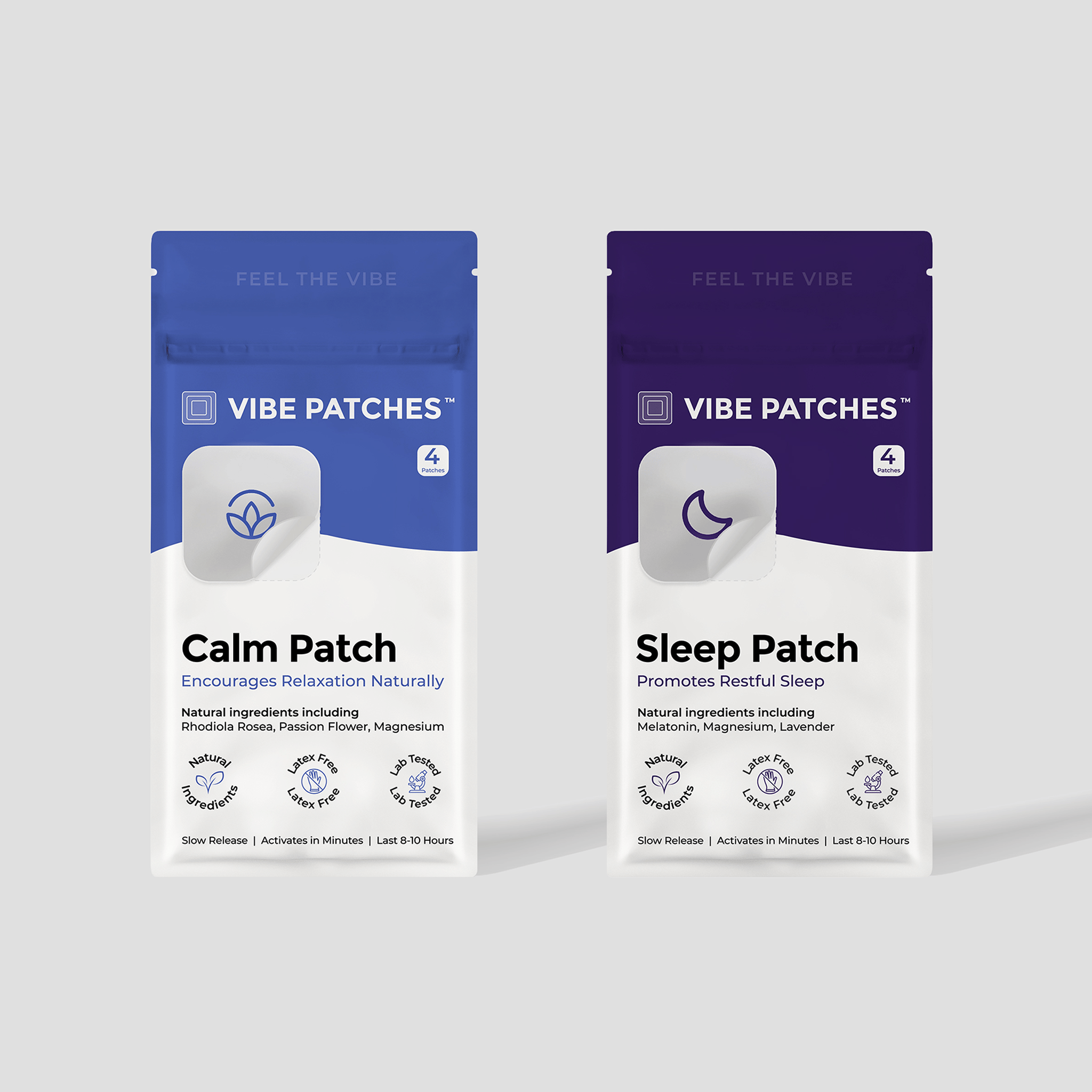
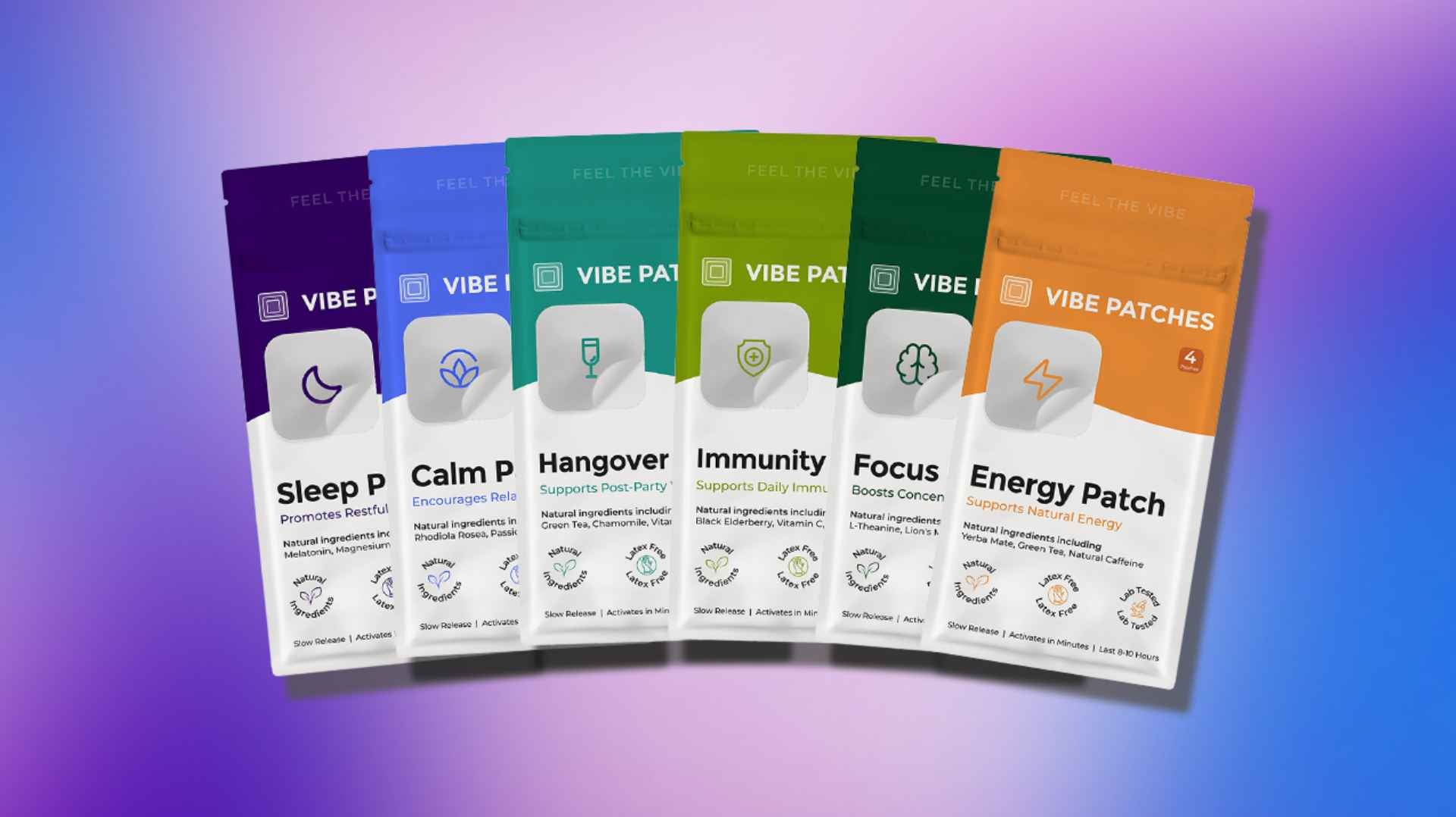
Vibepatches designed the Sleep Patch for people who want natural, steady sleep support without adding pills to their routine. The patch delivers calming ingredients through the skin throughout the night. No digestion needed. No timing to manage. Just consistent support while your body works through the cycles it needs.
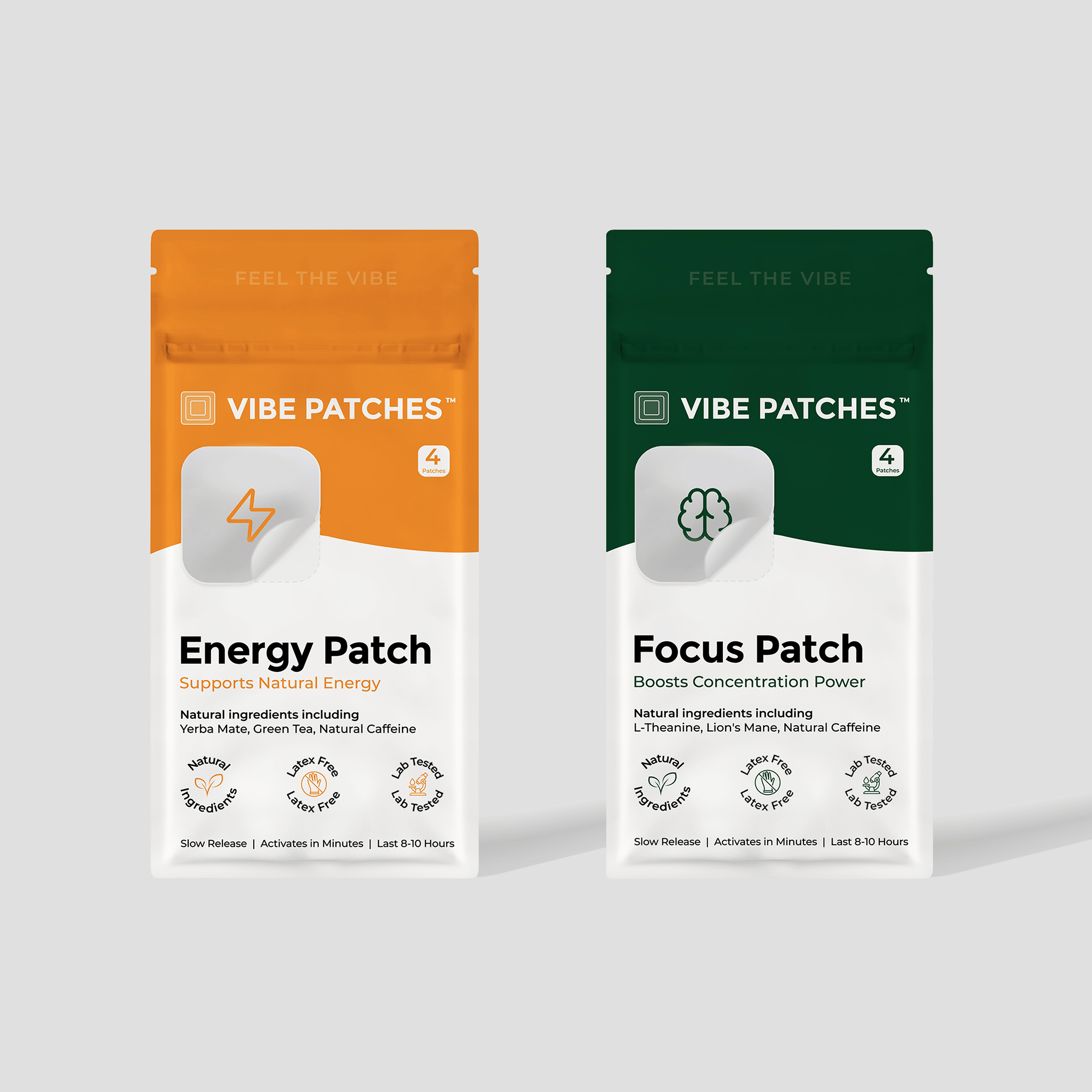
When poor nights affect your days, the Energy Patch helps restore vitality through the fatigue. The Focus Patch keeps your concentration steady when disrupted sleep follows you into the morning.
Ready to protect your sleep from the inside out? Explore the full collection and find what your nights have been missing. Start with the Sleep Patch and sleep like your recovery depends on it.
Medical Disclaimer: This content is for informational purposes only and does not constitute medical advice. Consult a qualified healthcare provider for persistent sleep concerns or suspected sleep disorders.
Sources:
National Institutes of Health - Sleep Information
Sleep Foundation - Stages of Sleep