
You wake up with a splitting headache and intense nausea. Your mouth feels like sandpaper and everything hurts. If you drank too much the night before, you're probably experiencing a hangover. Many people ask what is a hangover and why it feels so terrible. This unpleasant condition affects millions of people after consuming alcohol. Understanding the science behind these symptoms helps you recognize what your body is going through.
What Is a Hangover and How Does It Happen
A hangover is your body's response to excessive alcohol consumption. The medical definition of what is a hangover describes it as a collection of unpleasant symptoms. According to the National Institute on Alcohol Abuse and Alcoholism, this condition develops as your blood alcohol concentration returns to zero. The symptoms typically peak when all the alcohol has left your system.
Your liver works overtime to break down ethanol from alcoholic drinks. This process creates acetaldehyde, a toxic byproduct that causes inflammation throughout your body. Your liver, brain, digestive tract, and pancreas all experience this inflammatory response.
Alcohol also disrupts your body's normal functions in several ways. It suppresses vasopressin, a hormone that helps your kidneys retain water. Without enough vasopressin, you produce more urine and lose essential fluids.
Your sleep quality takes a hit too. Alcohol prevents you from reaching deep, restorative sleep stages. You might fall asleep quickly after drinking, but your sleep becomes fragmented.
Common Signs of What Is a Hangover
Knowing what is a hangover means recognizing its telltale symptoms. Hangover symptoms vary from person to person. Some people experience mild discomfort while others feel completely incapacitated. The severity depends on how much you drank and your individual physiology.
Physical symptoms often include:
-
Throbbing headache that won't quit
-
Extreme thirst and dry mouth
-
Muscle aches and general weakness
-
Nausea, vomiting, or stomach pain
-
Dizziness and sensitivity to light
-
Increased blood pressure and rapid heartbeat
Mental and emotional symptoms can be just as challenging. Many people experience anxiety or irritability during a hangover. Your concentration suffers and your mood drops.
These symptoms typically last anywhere from a few hours to 24 hours. The timeline depends on how quickly your body metabolizes alcohol and clears the toxic byproducts.
Why What Is a Hangover Differs for Everyone
Not everyone experiences hangovers the same way. Several factors influence how your body responds to alcohol consumption.
Your Body's Processing Speed
Your genes play a significant role in alcohol metabolism. Some people produce more of the enzymes needed to break down alcohol. These individuals generally experience shorter, less severe hangovers. Others lack sufficient enzymes and suffer more intense symptoms.
Body weight and composition matter too. Women typically experience worse hangovers than men at the same alcohol intake. They have higher body fat percentages and lower enzyme levels. This means alcohol affects them more intensely.
Age also impacts recovery time. Younger people often bounce back faster than older adults. Your liver function becomes less efficient as you age.
What You Drink and How You Drink It
The type of alcohol you consume makes a difference. Darker spirits like bourbon and whiskey contain more congeners. These compounds form during fermentation and add flavor to drinks. However, they also intensify hangover symptoms.
Clear spirits like vodka have fewer congeners. Studies show people who drink vodka may experience milder hangovers compared to those who drink darker liquors.
Your drinking speed and habits matter too. Gulping drinks on an empty stomach leads to faster alcohol absorption. Your blood alcohol concentration spikes quickly, increasing hangover severity. Eating food before or while drinking slows this absorption.
The Science Behind Common Hangover Myths
Many hangover remedies have no scientific backing. The "hair of the dog" method actually delays your recovery rather than helping it. Drinking more alcohol temporarily masks symptoms but prolongs the toxic exposure.
Coffee won't sober you up or speed recovery. Neither will cold showers or greasy food eaten after drinking. Your body needs time to process and eliminate alcohol.
Some remedies do offer relief though. Drinking water helps combat dehydration. Eating bland carbohydrates can raise your blood sugar. Getting adequate rest supports your body's healing process.
Supporting Your Body's Recovery
When dealing with a hangover, focus on gentle supportive measures. Learning what is a hangover helps you understand why recovery takes time. Your body is working hard to restore normal function.
Start with rehydration. Water is essential for flushing out toxins. Drink steadily throughout the day rather than chugging large amounts. Sports drinks can help replace lost electrolytes.
Easy-to-digest foods provide needed energy. Toast, crackers, and bananas are good choices. Eggs contain cysteine, an amino acid that may help break down acetaldehyde. Avoid heavy, greasy meals that stress your digestive system.
Pain relief requires caution. Ibuprofen can ease headaches and muscle aches. However, aspirin and other NSAIDs may irritate your already sensitive stomach. Never take acetaminophen (Tylenol) during or after drinking. The combination is toxic to your liver.
Rest as much as possible. Your body needs energy to heal and recover. Light movement might help if you feel up to it. Don't push yourself too hard though.
Some people find support through specialized recovery products. Quality ingredients delivered through innovative methods may help your system process alcohol byproducts.
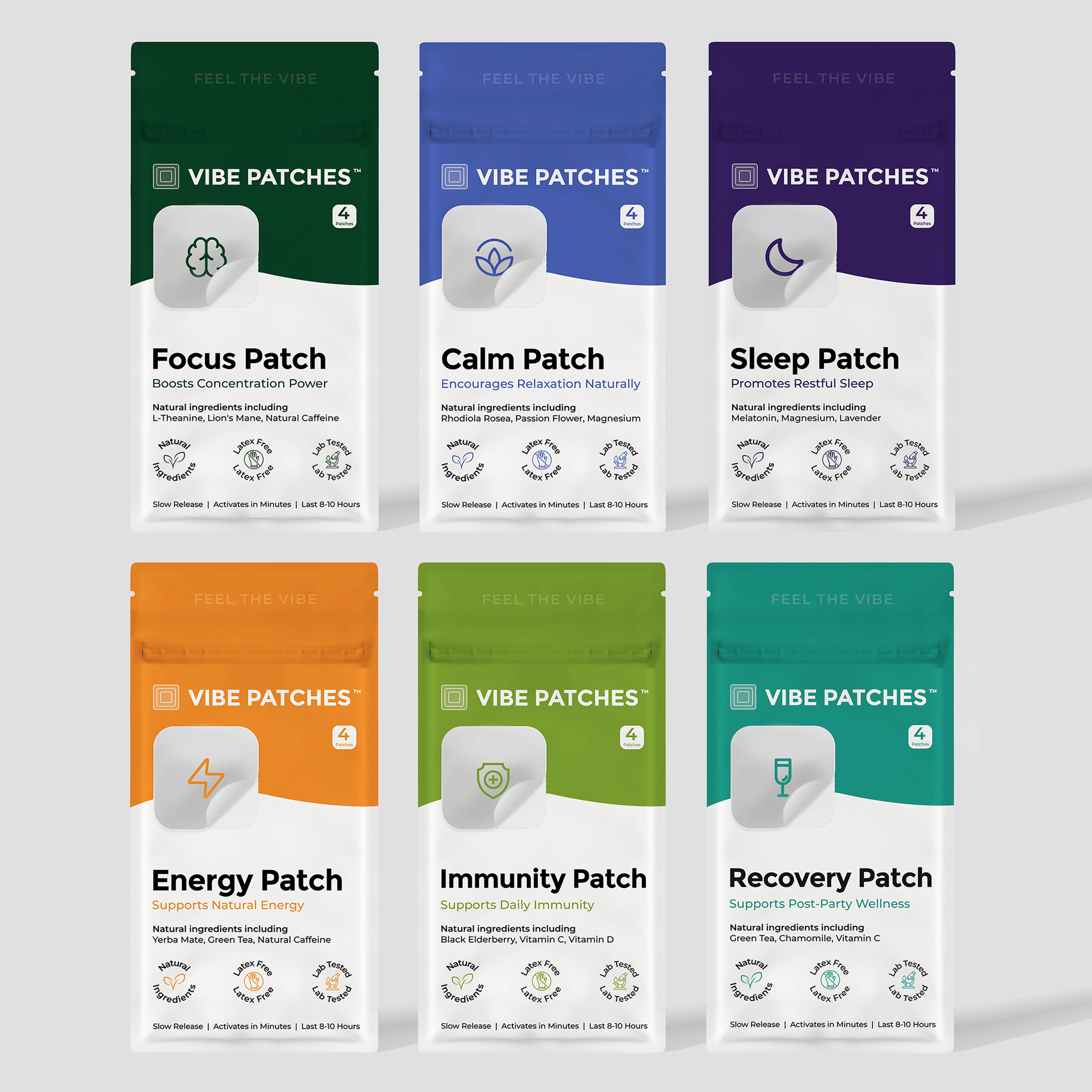
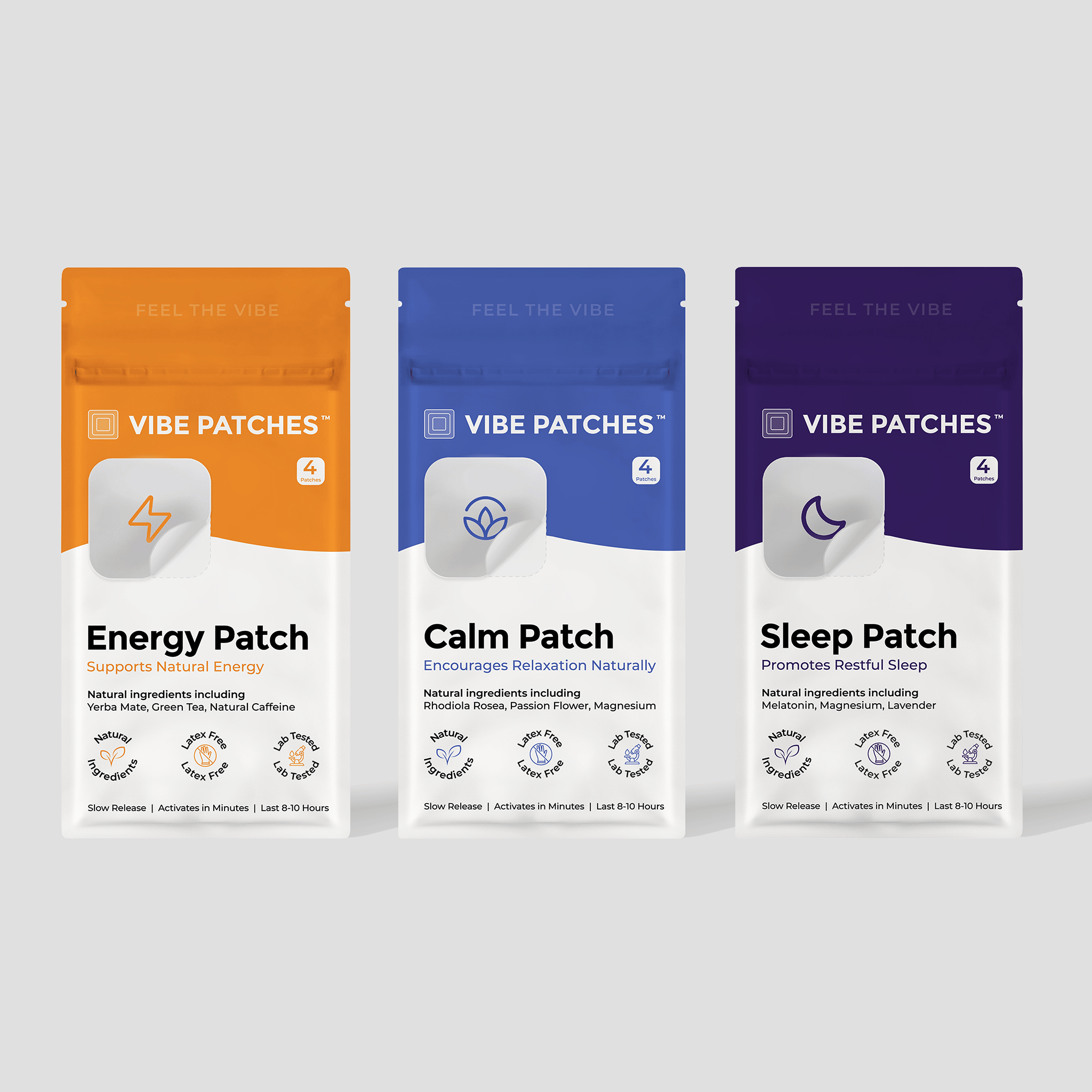
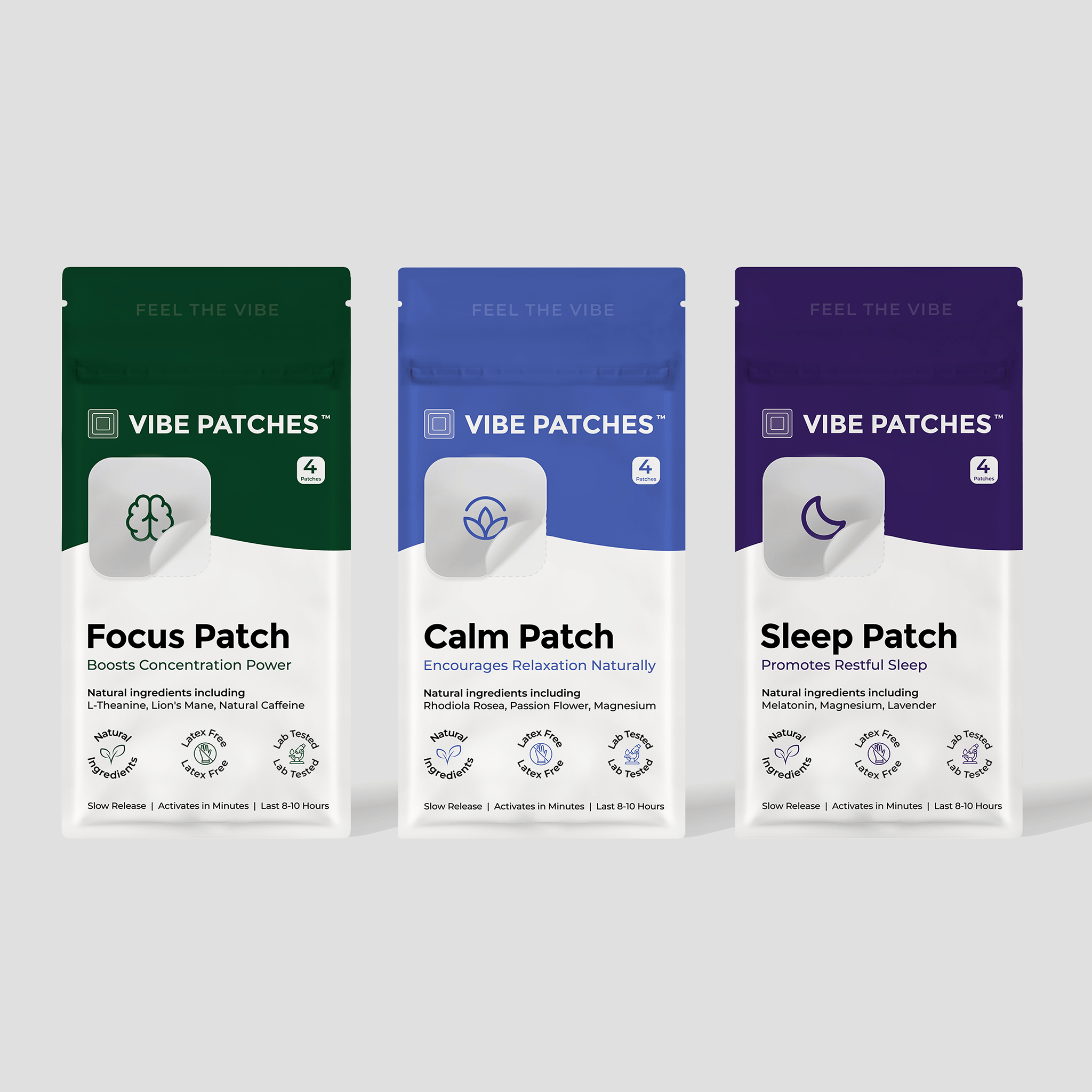
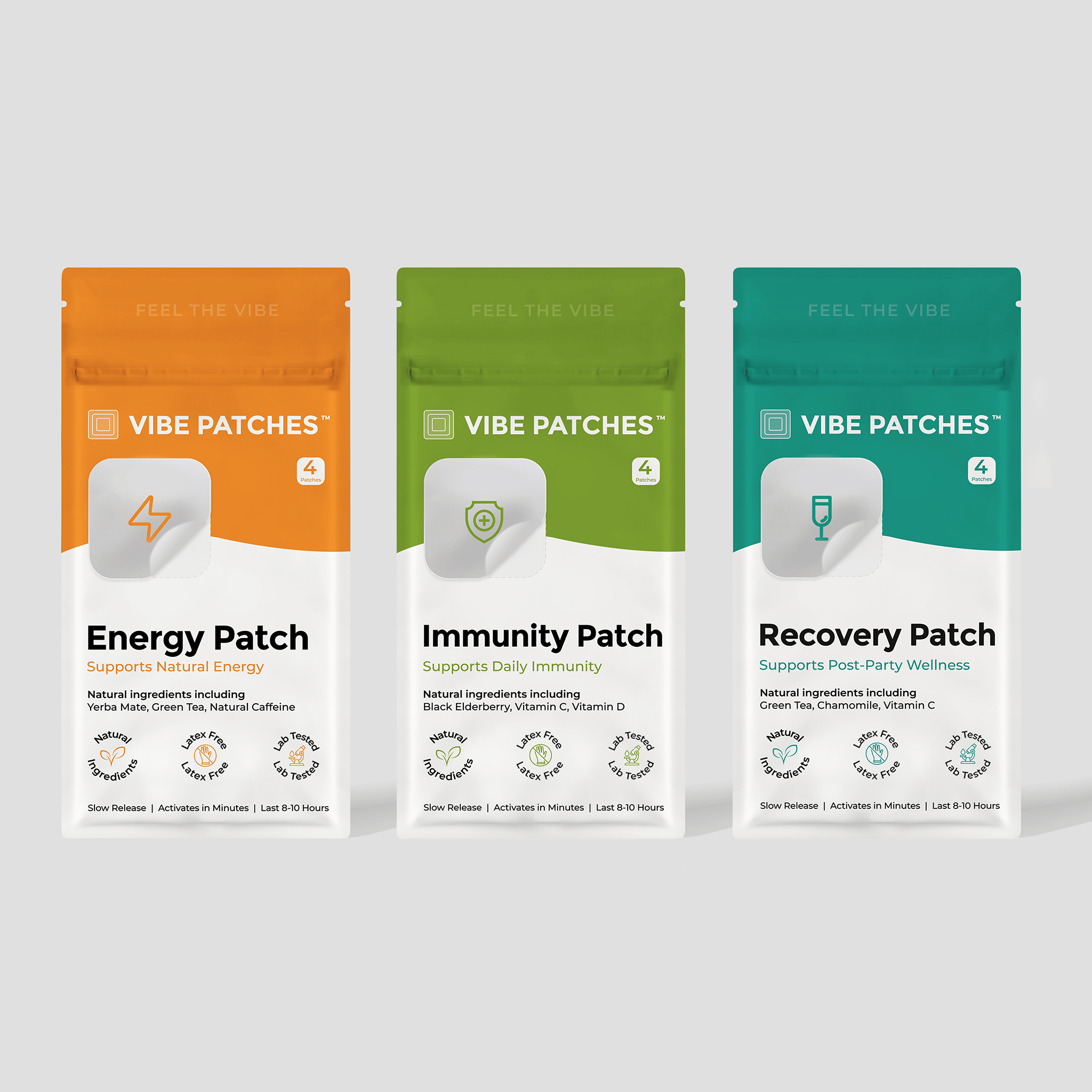
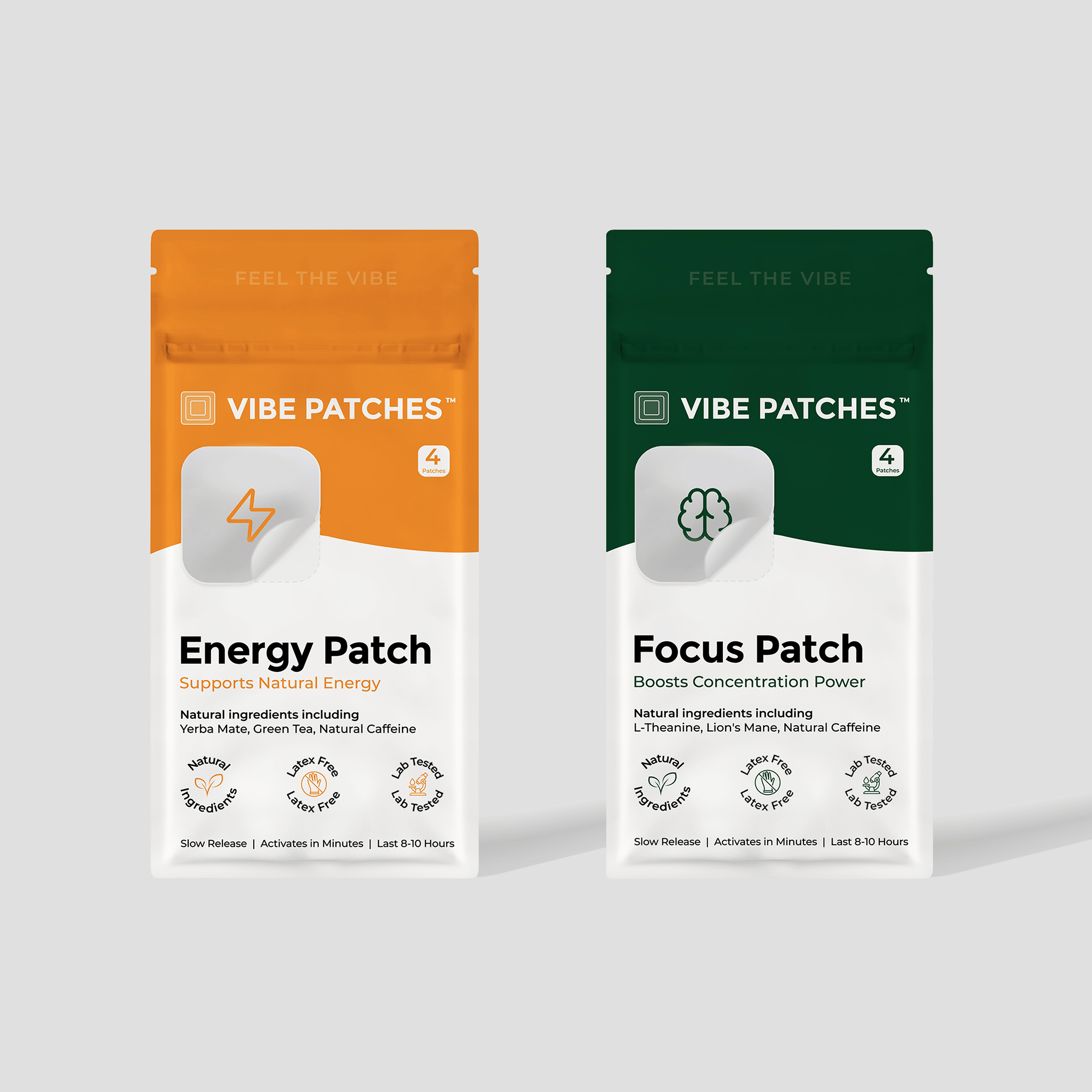
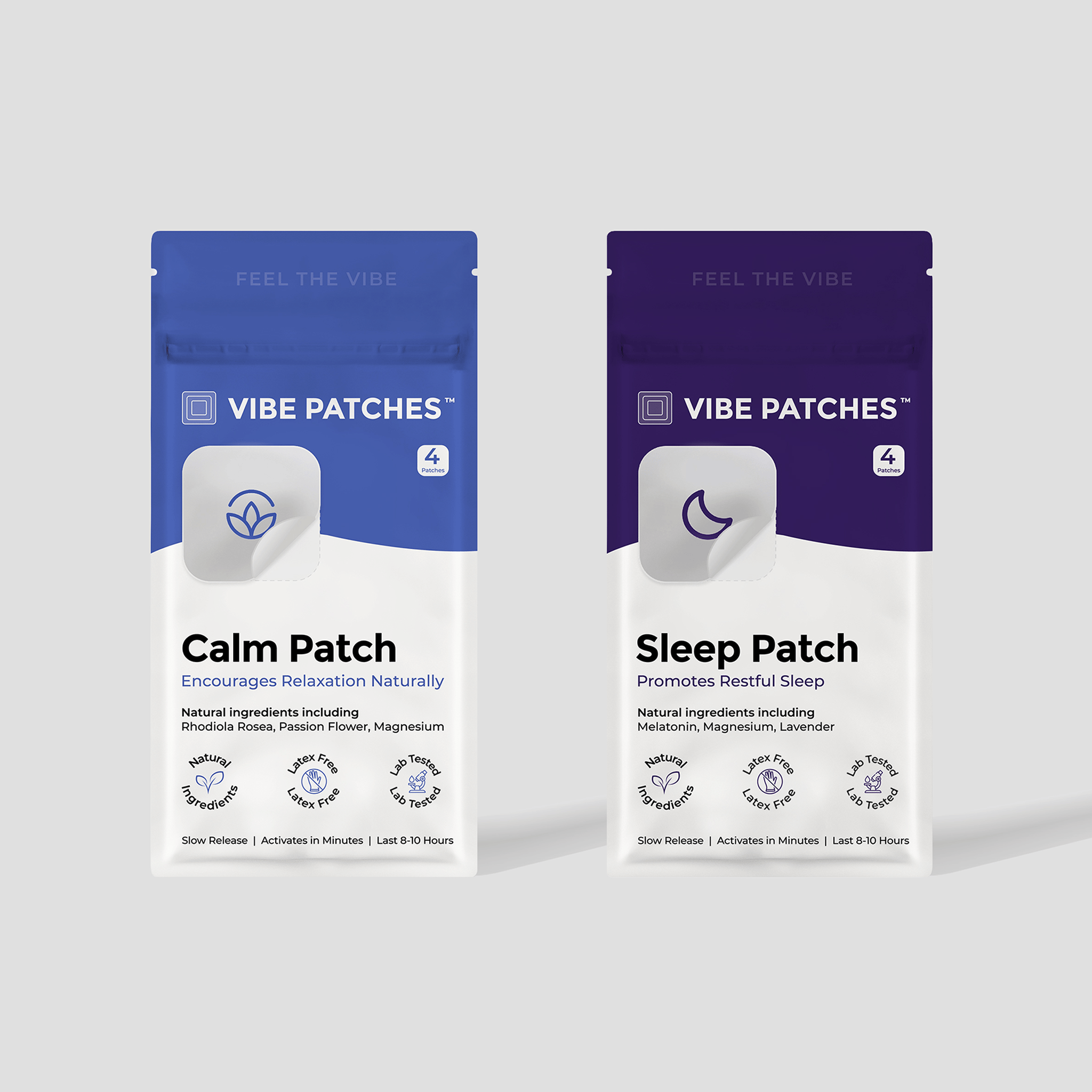
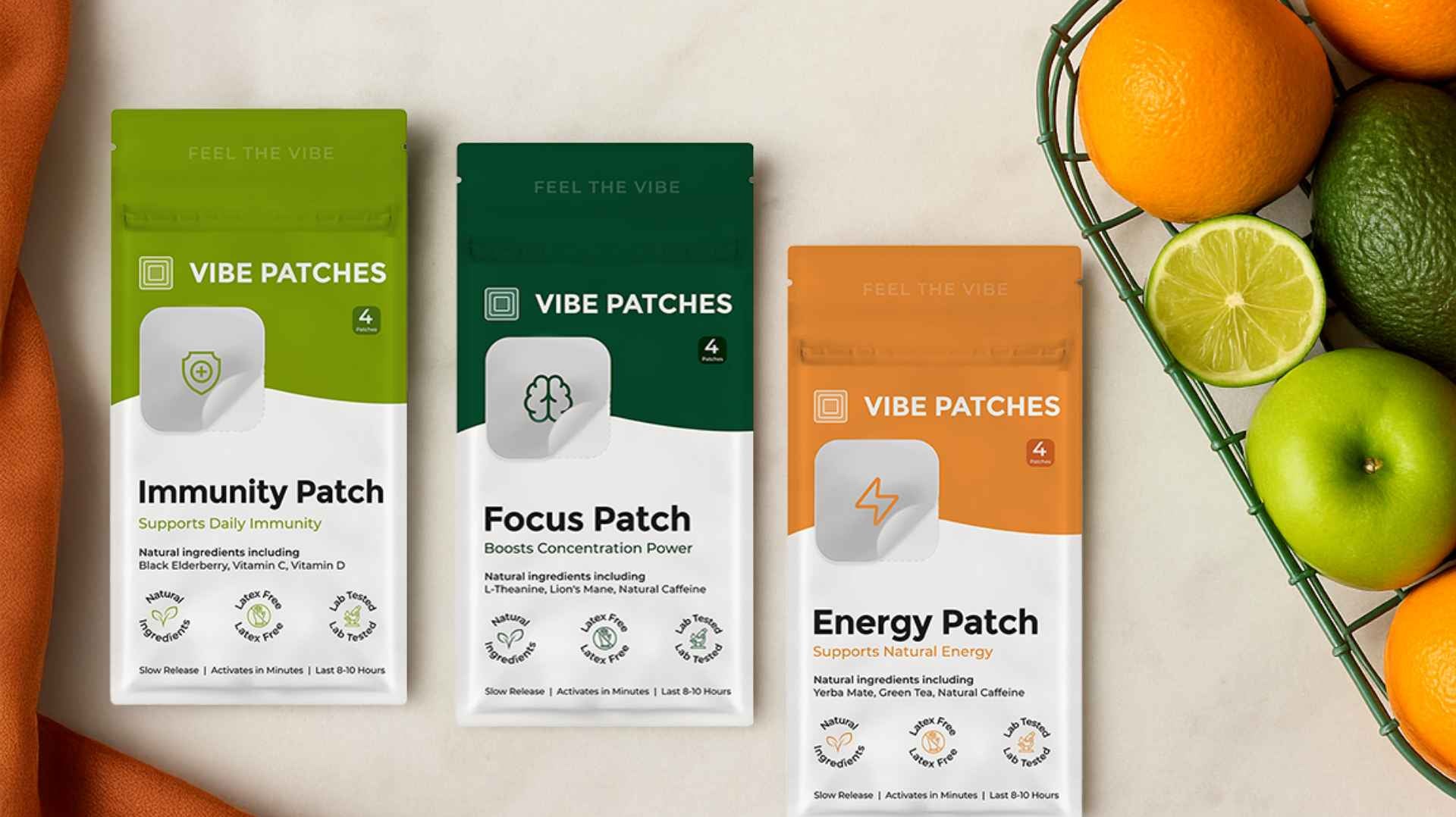
Beyond hangover recovery, quality Sleep Patches help you get better rest. During the day after, an Energy Patch restores vitality while a Focus Patch sharpens mental clarity.
When Hangovers Signal a Bigger Problem
Occasional hangovers happen to most social drinkers. However, frequent severe hangovers may indicate problematic drinking patterns. If you regularly experience intense symptoms, consider your alcohol consumption habits.
Seek medical attention if symptoms last longer than 24 hours. Severe confusion, difficulty breathing, or irregular heartbeat require immediate care. These could signal alcohol poisoning rather than a simple hangover.
If you can't function without alcohol or drink to avoid withdrawal symptoms, talk to a healthcare provider. These signs may indicate alcohol dependence that needs professional treatment.
Feel Better with Smart Support from Vibepatches
Understanding what is a hangover helps you make informed choices about alcohol consumption. Prevention through moderation remains your best strategy. When you do overindulge, supporting your body's natural recovery becomes essential.
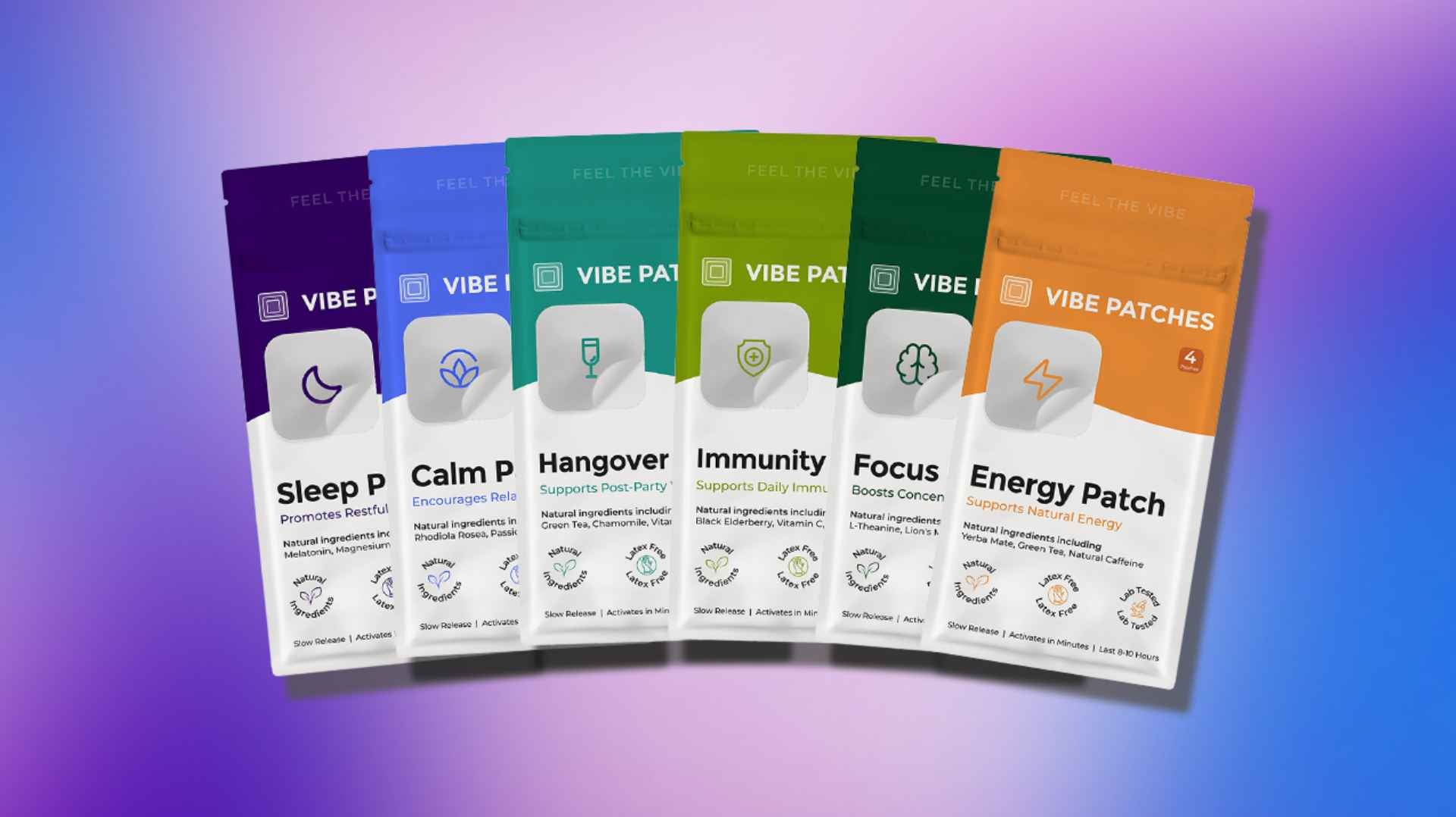
Vibepatches created a Hangover Patch specifically designed to support alcohol recovery. The transdermal delivery system provides targeted ingredients while you sleep. Unlike pills that get processed through your already-stressed digestive system, the patch works directly through your skin.
The patch contains ingredients chosen to support your body's natural detoxification processes. It delivers steady support throughout the night when your body does most of its healing. Many users keep them on hand for occasions when they might drink more than planned.
Ready to experience smarter hangover support? Check out our Hangover Patch and see how transdermal technology can help your recovery routine. Explore our complete collection for comprehensive wellness support. Your future self will thank you.
Medical Disclaimer: This content is for informational purposes only and does not constitute medical advice. Always consult a healthcare provider for concerns about alcohol consumption or hangover symptoms. If you experience severe symptoms or symptoms lasting beyond 24 hours, seek immediate medical attention.
Sources:
National Institute on Alcohol Abuse and Alcoholism - Hangovers
Mayo Clinic - Hangovers: Symptoms and Causes
National Institutes of Health - Alcohol Hangover: Mechanisms and Mediators