
Most people know screens affect sleep. Fewer people know exactly why, or what to do about it beyond putting their phone down earlier. The answer comes down to light wavelengths and how your brain responds to different colours of light at different times of day. Once you understand what color light helps you sleep, you can make simple changes that genuinely improve how quickly you fall asleep and how well you stay asleep.
How Light Controls Your Sleep Cycle
Your body runs on a circadian rhythm, a roughly 24-hour internal clock that regulates when you feel awake and when you feel sleepy. Light is the primary signal that sets and resets this clock every day. The type of light you are exposed to, particularly in the hours before bed, either supports or disrupts this process significantly.
How Your Eyes Detect Light for Sleep Signalling
Your eyes contain specialised photoreceptor cells called intrinsically photosensitive retinal ganglion cells. These cells are particularly sensitive to short-wavelength blue light. When they detect blue light, they send a signal to your brain's suprachiasmatic nucleus, which suppresses melatonin production and tells your body to stay alert and awake.
Research published in the Journal of Clinical Endocrinology and Metabolism confirmed that light exposure at night, particularly blue-spectrum light, suppresses melatonin production and delays sleep onset. Even relatively low-intensity blue light in the evening is enough to shift your circadian rhythm and push back your natural sleep window.
Why Timing and Wavelength Both Matter
Your sensitivity to light changes across the day. In the morning, bright blue-rich light actively helps you wake up and feel alert. In the evening, that same light works against you. The shift from alerting light to sleep-supporting light needs to happen gradually in the two to three hours before bed to allow your melatonin levels to rise naturally and your body temperature to begin dropping.
What Color Light Helps You Sleep the Most
So what color light helps you sleep? The answer is warm, long-wavelength light. Red and amber light sit at the opposite end of the visible spectrum from blue light. They have minimal impact on melatonin production and do not trigger the alerting response in your circadian system.
Red Light
Red light has the longest wavelength in the visible spectrum and the least impact on your melatonin levels. Several studies suggest it may even support melatonin production in some contexts. Research published in the Journal of Athletic Training found that red light therapy improved sleep quality and melatonin levels in female athletes compared to a control group. While this study used therapeutic red light devices rather than standard bedroom lighting, the principle holds for general red-toned ambient lighting in the evening.
Red light bulbs or smart bulbs set to a warm red tone in your bedroom or living space in the hours before bed create a lighting environment that supports your natural sleep hormone production rather than suppressing it.
Amber and Warm Yellow Light
Amber and warm yellow light falls between red and standard white light on the spectrum. It contains significantly less blue wavelength than cool white or daylight bulbs and produces a much smaller melatonin-suppressing effect. Traditional incandescent bulbs produced this kind of warm amber light, which is part of why many people slept better before LED lighting became dominant in homes.
Switching your evening bulbs to warm white or amber LEDs with a colour temperature below 2700 Kelvin is one of the most practical changes you can make to your sleep environment. It requires no habit change beyond flipping a different light switch.
What Color Light to Avoid Before Bed
Knowing what color light helps you sleep also means knowing what to avoid. Here are the light sources that most disrupt melatonin production and delay sleep onset:
-
Blue and cool white light. Found in most standard LED bulbs, overhead fluorescent lighting, and the screens of phones, tablets, laptops, and televisions. These are the highest-impact disruptors of evening melatonin production.
-
Bright white light. Even without a strong blue component, high-intensity white light in the evening signals wakefulness to your brain and delays the natural temperature drop needed for sleep onset.
-
Green light. Green sits close to blue on the spectrum and has a meaningful melatonin-suppressing effect, though slightly less than blue. Green-tinted screens and lighting still warrant attention in the evening.
-
Backlit screens at close range. The proximity of a phone screen to your eyes in a dark room amplifies the blue light impact significantly compared to a television across the room.
The Sleep Foundation recommends dimming all lighting and avoiding screen exposure for at least 30 to 60 minutes before your intended sleep time for best results.
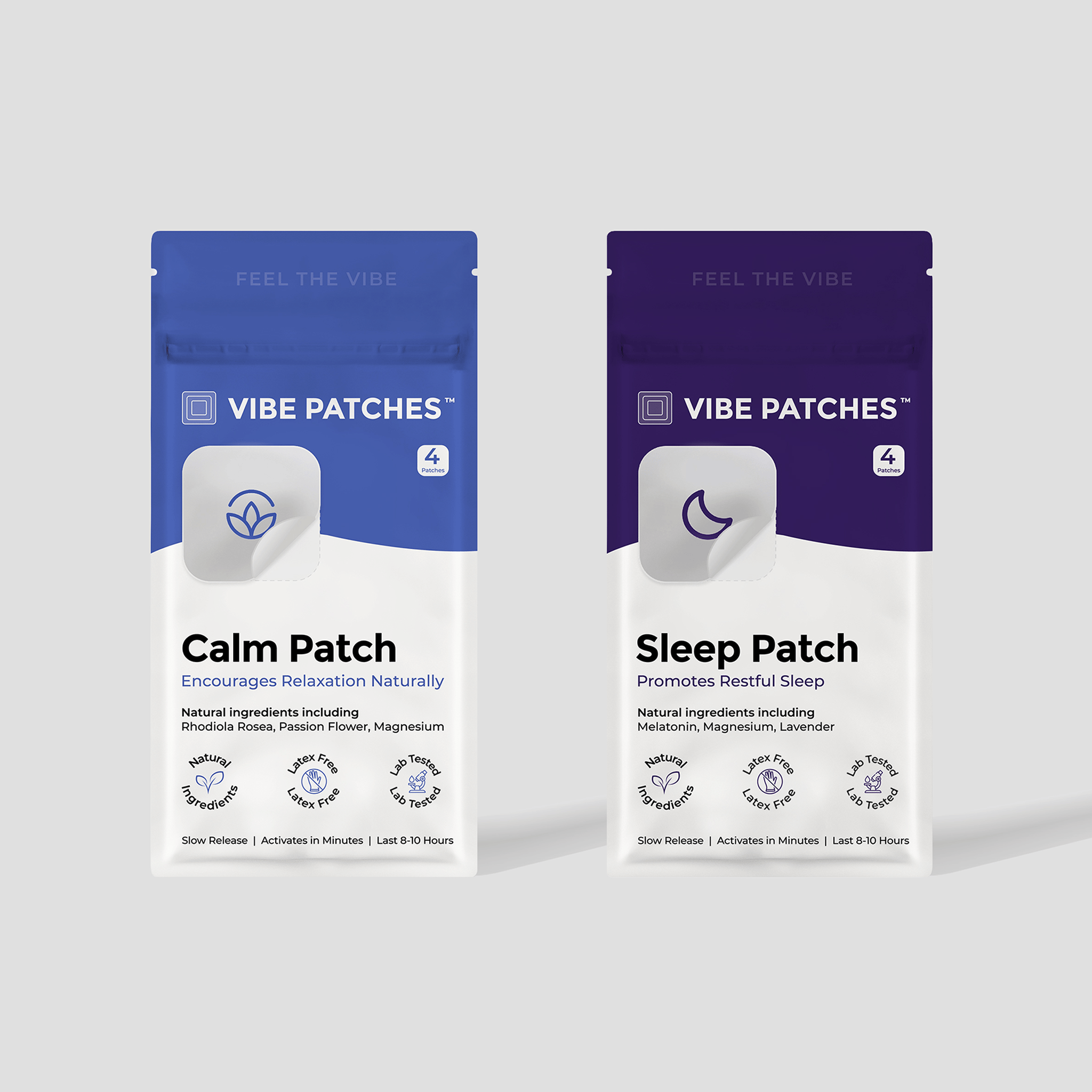
If you find that a busy or overactive mind after screen exposure makes it hard to wind down even when you do reduce light, the Sleep Patch from Vibe Patches delivers sleep-supporting nutrients gradually through the skin throughout the night to support more restful, consistent sleep.
Simple Changes to Improve Your Evening Light Environment
Knowing what color light helps you sleep is useful only if it leads to practical changes. Here are straightforward adjustments that make a real difference:
-
Replace bedroom and living area bulbs with warm white or amber LEDs below 2700 Kelvin
-
Use your phone's night mode or blue light filter from sunset onwards
-
Invest in a pair of blue light blocking glasses for evening screen use
-
Use salt lamps, candles, or red-toned nightlights as your only light source in the hour before bed
-
Install smart bulbs that automatically shift to warm tones at a set evening time each day
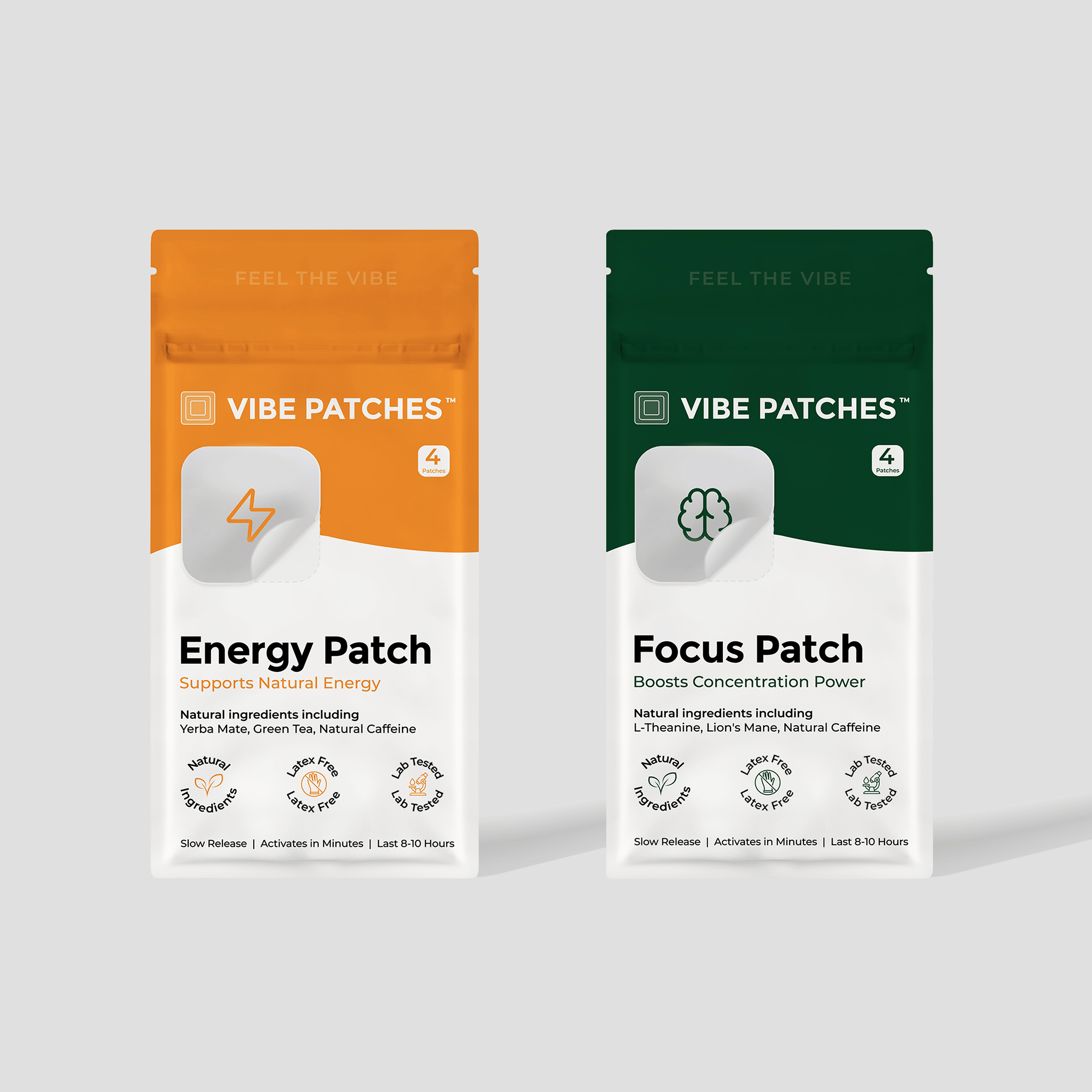
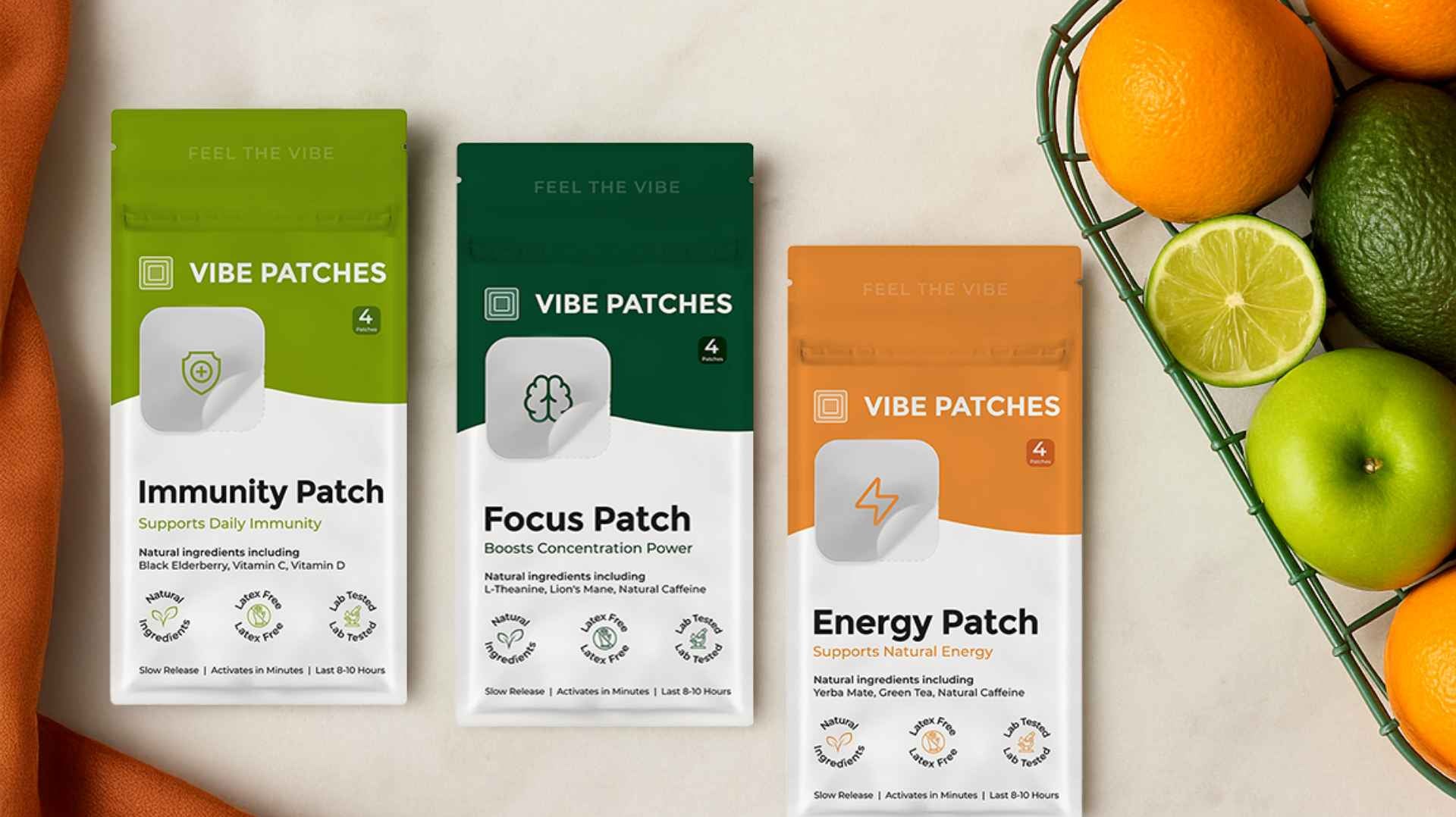
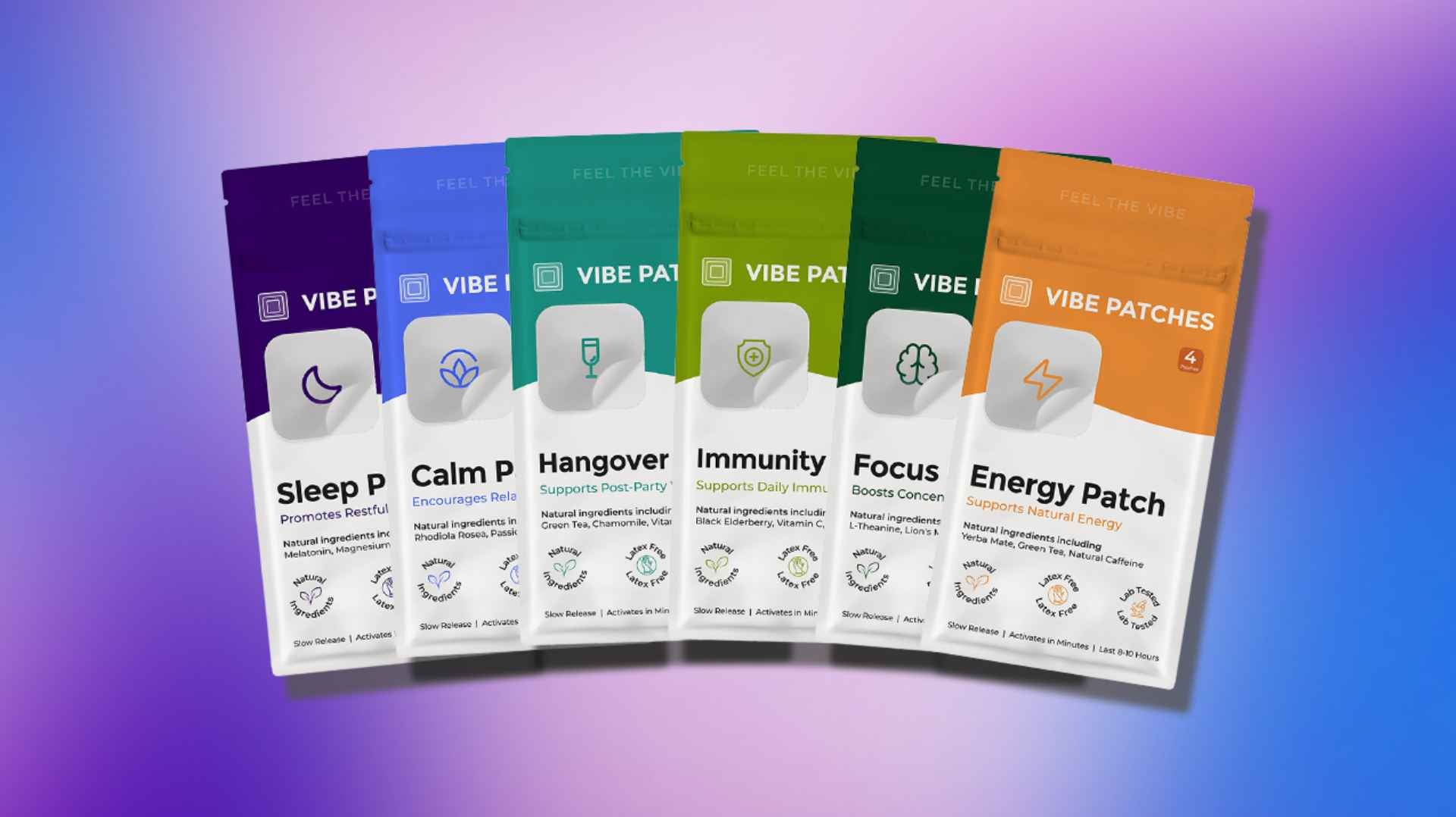
After a night where light exposure, alcohol, or stress disrupted your sleep, the Hangover Patch from Vibe Patches supports overnight physical recovery so your body replenishes key nutrients while you rest. For the days when poor sleep has left your thinking slow and your energy flat, the Focus Patch from Vibe Patches delivers steady cognitive support through transdermal delivery without the jitteriness of extra caffeine. And when you simply need reliable energy to get through the day after a rough night, the Energy Patch from Vibe Patches provides gradual, sustained support through the skin with no crash.
If you want to support your sleep from the inside as well as the outside, Vibe Patches delivers key nutrients directly through your skin for consistent, sustained support through the night. Browse the full range at the Vibe Patches collections page and find what your sleep routine needs right now.
Medical Disclaimer: This content is for informational purposes only and does not constitute medical advice. Always consult a healthcare provider for concerns about sleep disorders, circadian rhythm disruption, or chronic insomnia. If you experience persistent difficulty sleeping, excessive daytime fatigue, or symptoms that interfere with daily life, seek professional medical advice promptly.
Sources:
Journal of Clinical Endocrinology and Metabolism - Light Exposure and Melatonin Suppression
Journal of Athletic Training - Red Light Therapy and Sleep Quality