
Most people treat napping as either a guilty pleasure or a sign that something is wrong. Neither is quite right. The nap vs sleep debate is worth taking seriously because how and when you rest has a real impact on your energy, focus, and overall health. This post breaks down what science says about both, so you can make smarter decisions about your rest.
Nap vs Sleep: The Core Differences
At a basic level, a nap and a full night of sleep are both forms of rest. But they serve different functions and work through different biological processes. Treating them as interchangeable is where most people go wrong.
What Happens During a Full Night of Sleep
A full sleep cycle lasts roughly 90 minutes and includes several distinct stages. These move from light sleep through deep slow-wave sleep and into REM sleep. Your body cycles through this sequence four to six times per night. Each stage serves a specific purpose.
Deep slow-wave sleep drives physical recovery. Your body releases growth hormone, repairs tissue, and consolidates motor skills during this stage. REM sleep is where emotional processing and memory consolidation happen. The NIH confirms that disrupting either stage impairs learning, mood regulation, and physical recovery in measurable ways.
A full night of seven to nine hours gives your body enough time to complete multiple cycles and get the benefits of each stage. There is no shortcut that fully replicates this.
What Happens During a Nap
A nap is a shorter sleep period taken during the day. Depending on the length, it may include only light sleep stages or dip into slow-wave sleep. A nap rarely includes a full REM period unless it runs longer than 90 minutes.
Short naps of 10 to 20 minutes primarily provide alertness restoration. They clear adenosine, the chemical that builds up in your brain and creates the feeling of sleepiness. Longer naps of 60 to 90 minutes can include slow-wave sleep and offer more substantial recovery, but they carry a higher risk of sleep inertia, which is that groggy, disoriented feeling when you wake mid-cycle.
When a Nap Helps and When It Does Not
The nap vs sleep question gets more practical when you look at specific situations. Napping is genuinely useful in some circumstances and counterproductive in others. Here is how to tell the difference.
When Napping Makes Sense
A well-timed nap can restore alertness, improve reaction time, and lift mood without affecting your ability to sleep at night. These are the situations where a nap tends to deliver real benefit:
-
You had a shorter night than usual and need to function through the afternoon
-
You are preparing for night shift work or a late event requiring sustained alertness
-
You feel a mid-afternoon energy dip around the 1pm to 3pm window, which is a normal dip in your circadian rhythm
-
You are an athlete or doing physical training and want to support recovery between sessions
-
You are travelling across time zones and managing jet lag
Research from NASA found that a 40-minute nap improved performance by 34 percent and alertness by 100 percent in sleepy military pilots. The evidence for strategic napping is solid when the timing and length are right.
When Napping Works Against You
Not every situation calls for a nap. In some cases, daytime sleep creates more problems than it solves. Avoid napping in these circumstances:
-
You already struggle to fall asleep at night, as daytime sleep reduces sleep pressure and makes the problem worse
-
You nap too late in the day, past 3pm to 4pm, which can interfere with your ability to sleep at your regular bedtime
-
You sleep longer than 30 minutes without intending to, as waking from deep sleep mid-cycle increases grogginess
-
You use napping as a substitute for addressing consistently poor night sleep
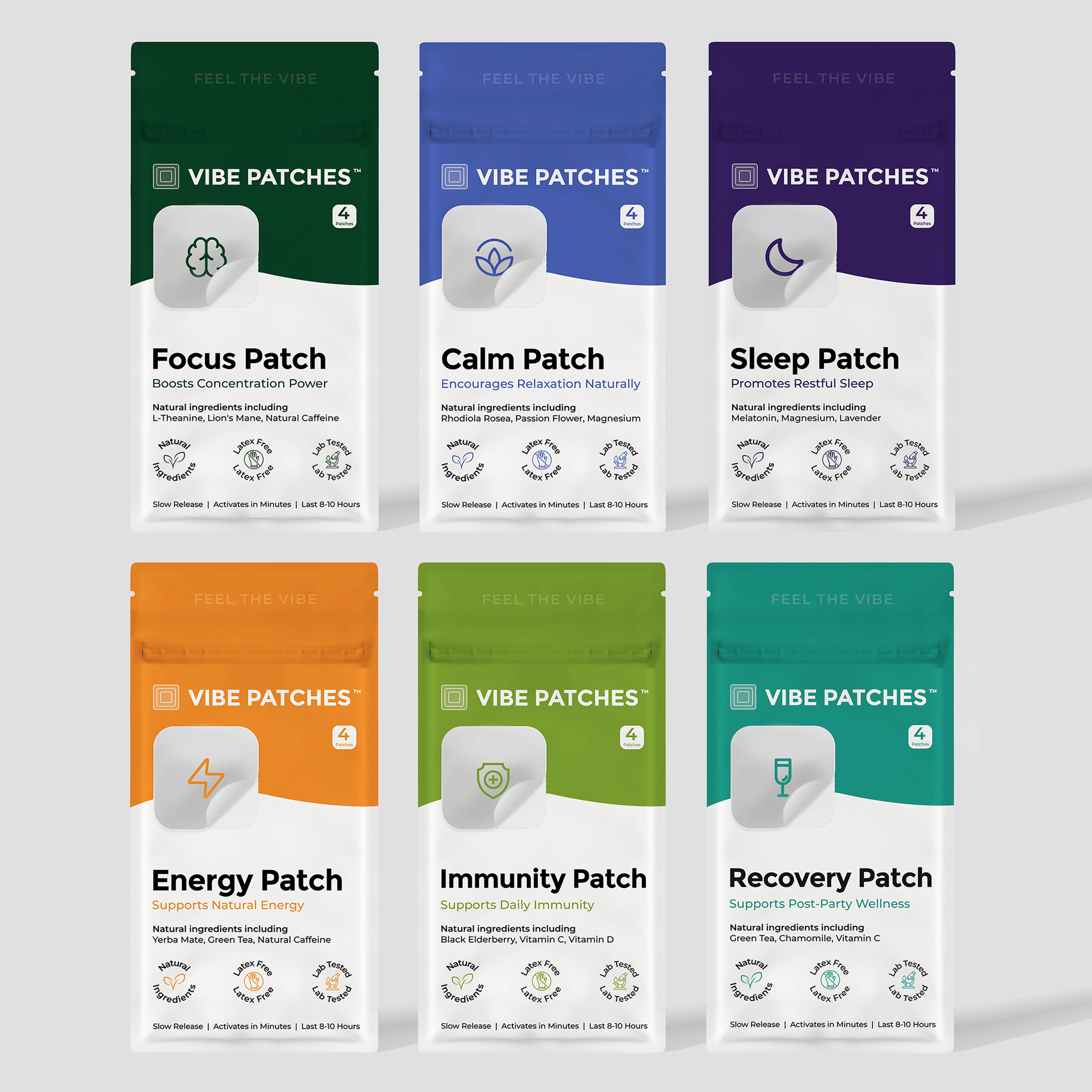
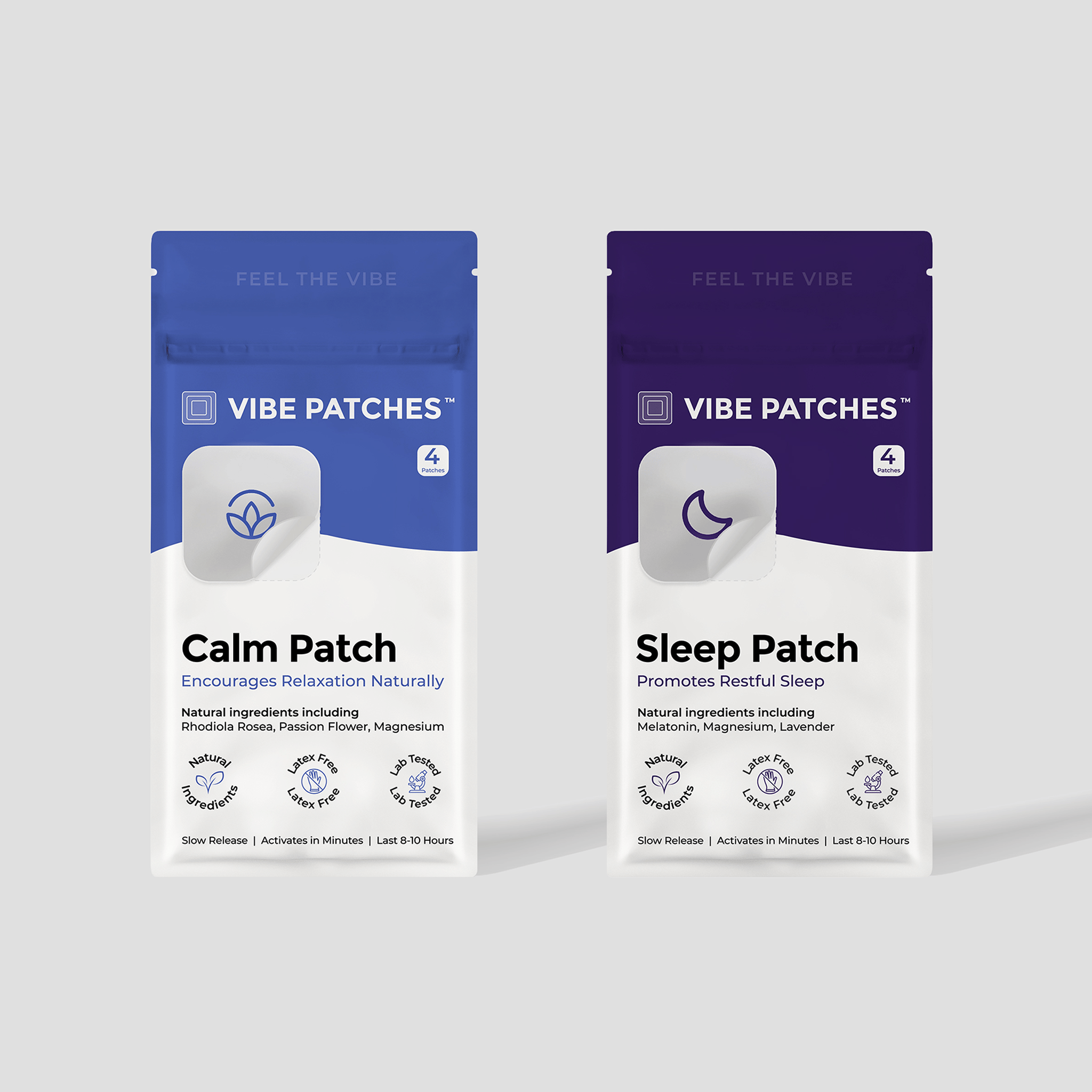
If your night sleep is the underlying issue rather than occasional tiredness, the Sleep Patch from Vibe Patches supports more restful and consistent sleep through transdermal delivery of sleep-supporting nutrients throughout the night.
How the Nap vs Sleep Balance Affects Your Day
Your daily energy and cognitive performance sit on a foundation built by your sleep the night before. A nap can patch gaps in that foundation, but it cannot replace it. Here is how the relationship between nap and night sleep plays out across a typical day:
-
Morning alertness comes from the quality of your night sleep, not from a nap. If you wake groggy every morning, the fix is your night routine, not a morning nap.
-
Afternoon dip is a normal part of your circadian rhythm and happens regardless of how well you slept. A short 10 to 20 minute nap or a walk outside helps more than caffeine in most cases.
-
Evening wind-down depends on having built up enough sleep pressure through the day. Napping too late or too long disrupts this pressure and delays your ability to fall asleep at night.
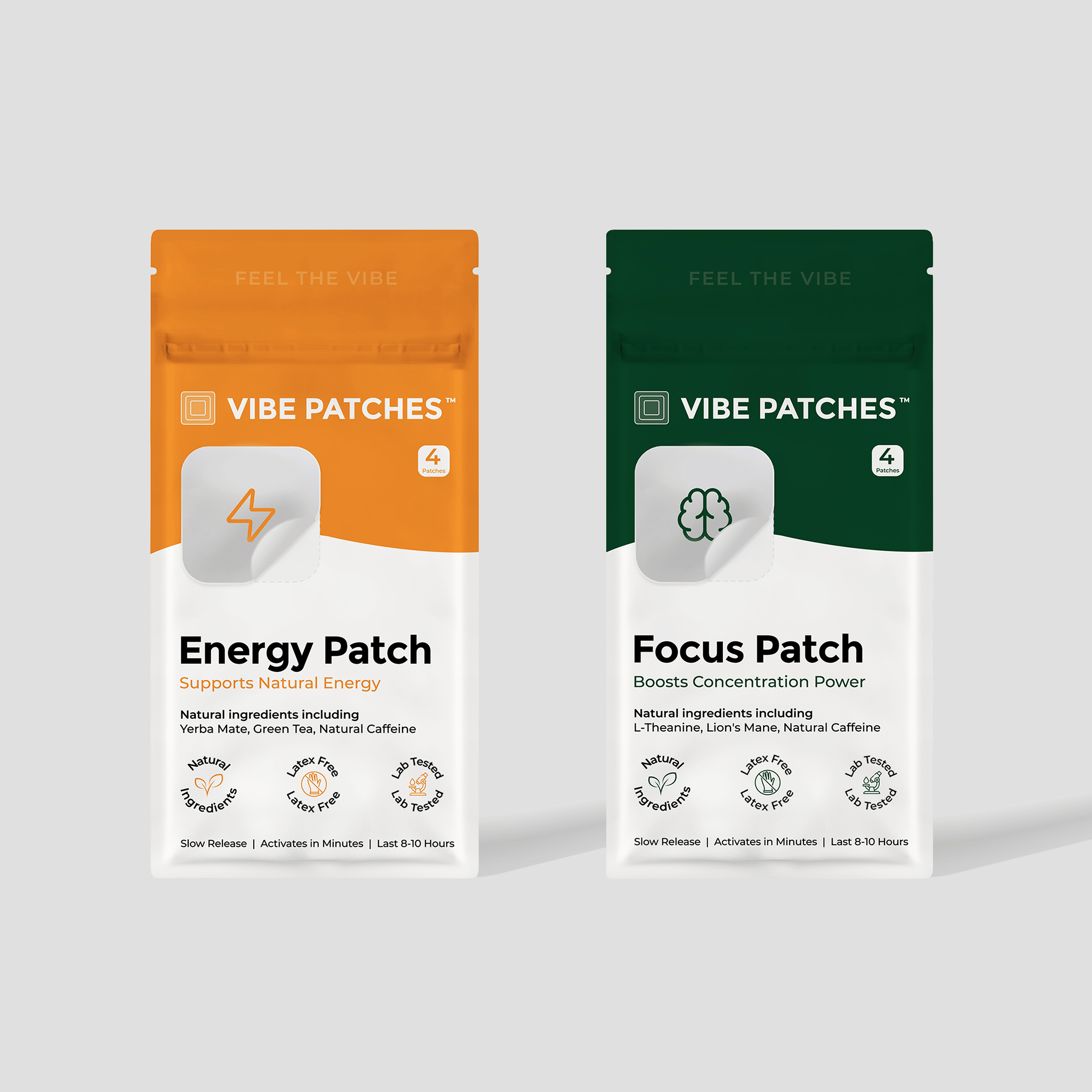
For afternoons where a nap is not practical but your concentration is flagging, the Focus Patch from Vibe Patches delivers steady cognitive support through the skin to help you stay sharp without relying on another coffee or energy drink.
Getting the Most From Both Nap and Sleep
Whether you are optimising your nap or improving your night sleep, a few consistent habits make a significant difference. The Sleep Foundation highlights sleep hygiene as one of the most evidence-supported ways to improve overall rest quality. Here are the practices that apply to both:
-
Keep your wake time consistent every day, including weekends, to anchor your circadian rhythm
-
Expose yourself to natural light in the morning to signal wakefulness to your brain
-
Keep naps short and early, ideally 20 minutes before 3pm for best results
-
Avoid screens and bright light for 30 minutes before your intended sleep time
-
Keep your sleeping environment cool, dark, and quiet for better sleep depth
After nights where sleep was disrupted by alcohol, late socialising, or stress, recovery takes longer. The Hangover Patch from Vibe Patches supports overnight physical recovery so you wake feeling more restored even after a rough night.
On days when your sleep was genuinely short and a nap is not on the cards, the Energy Patch from Vibe Patches provides gradual, sustained energy through transdermal delivery without the spike and crash of an energy drink.
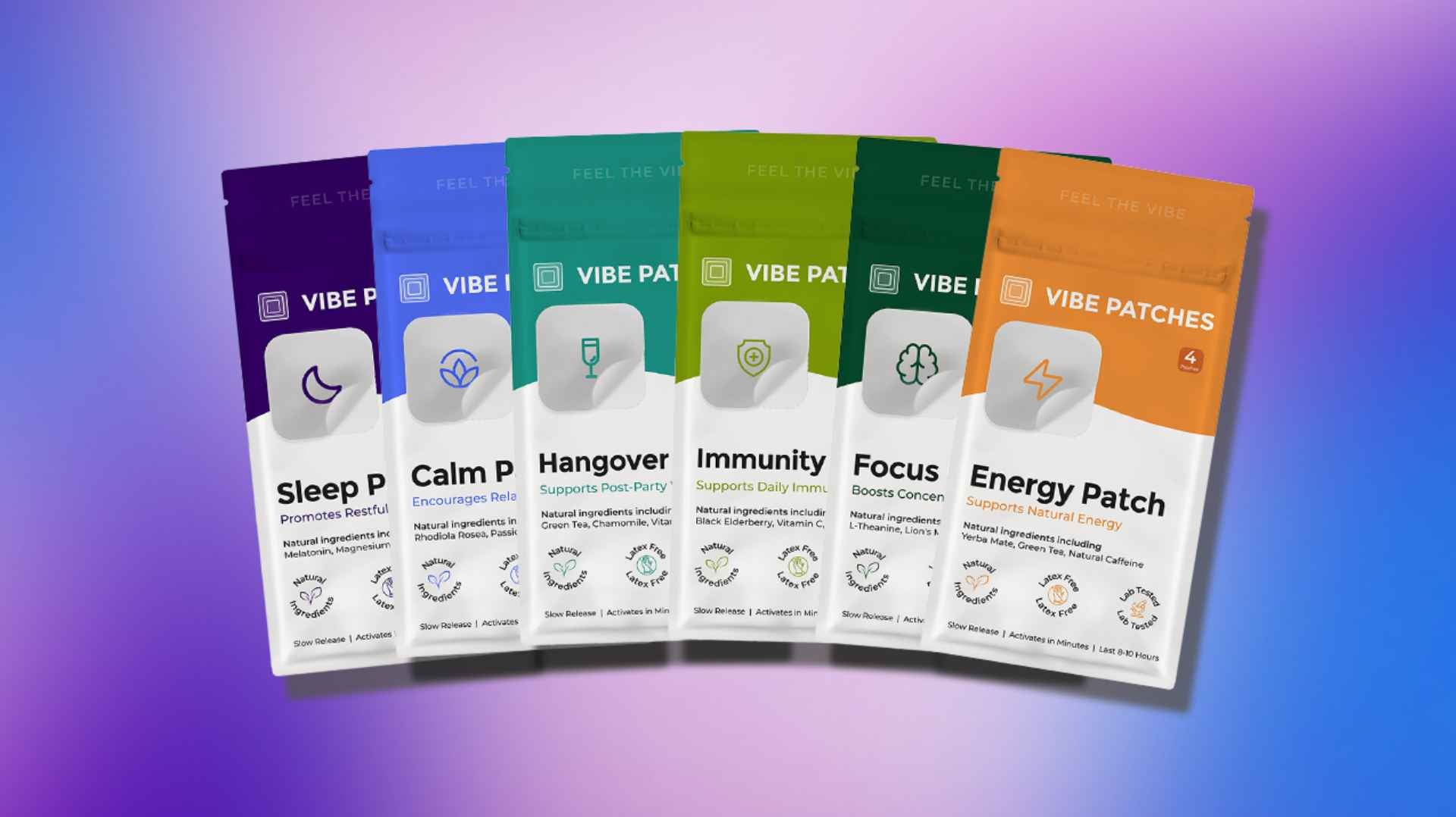
Whether you are navigating the nap vs sleep question or simply trying to feel more rested and functional each day, Vibe Patches delivers key nutrients directly through your skin for steady support that works around your schedule. Browse the full range at the Vibe Patches collections page and find what fits where you are right now.
Medical Disclaimer: This content is for informational purposes only and does not constitute medical advice. Always consult a healthcare provider for concerns about sleep disorders, chronic fatigue, or persistent sleep difficulties. If you experience excessive daytime sleepiness, difficulty functioning, or symptoms that interfere with daily life, seek professional medical advice promptly.
Sources:
National Institutes of Health - Sleep and Memory Consolidation
PubMed - NASA Nap Study: Alertness and Performance in Military Pilots