
It sounds like a simple lifestyle question, but the answer touches on some genuinely interesting sleep science. Is it good to sleep naked? For some people, yes. For others, it depends on their environment and individual preferences. The research points to a few clear mechanisms where sleeping without clothes can support better sleep quality, and this post breaks them down honestly.
The Link Between Body Temperature and Sleep Quality
To answer whether is it good to sleep naked, you first need to understand how body temperature affects sleep. This is one of the most well-established areas of sleep science and it directly explains why what you wear to bed can influence how well you sleep.
How Your Core Temperature Drives Sleep Onset
Your body needs to lower its core temperature by roughly one to two degrees Celsius to initiate and maintain sleep. This cooling process begins in the evening and continues through the first half of the night. It is controlled by your circadian rhythm and acts as one of the key biological signals that tell your brain it is time to sleep.
The Sleep Foundation identifies body temperature regulation as one of the most important environmental factors in sleep quality. When your body cannot cool down efficiently, sleep onset is delayed and sleep depth is reduced. Anything that traps heat against your skin, including tight or heavy pyjamas, can slow this cooling process.
Why Skin Exposure Helps With Heat Dissipation
Your skin is your primary tool for releasing body heat. Heat escapes through your skin surface via radiation and evaporation. When your skin is covered by clothing, particularly synthetic fabrics, this process is partially blocked. Sleeping naked removes that barrier entirely and allows your body to regulate its temperature more freely through the night.
This is particularly relevant in Australia, where warm sleeping environments are common for much of the year. In a naturally warm bedroom, removing clothing gives your thermoregulation system a meaningful advantage.
Is It Good to Sleep Naked for Other Health Reasons
Body temperature is the primary mechanism, but there are a few other areas where sleeping without clothes may offer some benefit. The evidence varies in strength, so it is worth being clear about what is well-supported and what is more preliminary.
Skin Health and Airflow
Sleeping naked allows your skin to breathe more freely through the night. Some dermatologists suggest that improved airflow reduces moisture buildup that can contribute to skin irritation, particularly in skin folds. Direct research on this specific question is limited, but the logic is physiologically sound. Reduced heat and moisture at the skin surface creates less favourable conditions for irritation and bacterial overgrowth.
Cortisol and Stress Regulation
Keeping cool during sleep supports normal cortisol regulation. Research from the NIH confirms that elevated body temperature during sleep is associated with higher cortisol levels and disrupted sleep architecture. When you overheat during the night, your stress hormone activity increases, which fragments sleep and reduces the proportion of time spent in restorative deep sleep stages. Sleeping naked, in a cool room, reduces this risk.
Who Benefits Most From Sleeping Naked
Sleeping naked is not universally better for everyone. Here are the situations where it is most likely to make a genuine difference to sleep quality:
-
People who sleep hot or wake up sweating regularly during the night
-
Anyone in a warm climate or without reliable air conditioning
-
Those who experience delayed sleep onset and find it hard to fall asleep quickly
-
People who wear tight, synthetic, or heavy pyjamas that trap heat
-
Anyone with skin sensitivity or irritation in areas covered by nightwear
For people who sleep cold, feel anxious without the comfort of clothing, or share a bed where temperature preferences differ, sleeping naked may not be the right choice. Comfort plays a real role in sleep quality too, and feeling physically at ease in bed supports the relaxation needed to fall asleep.
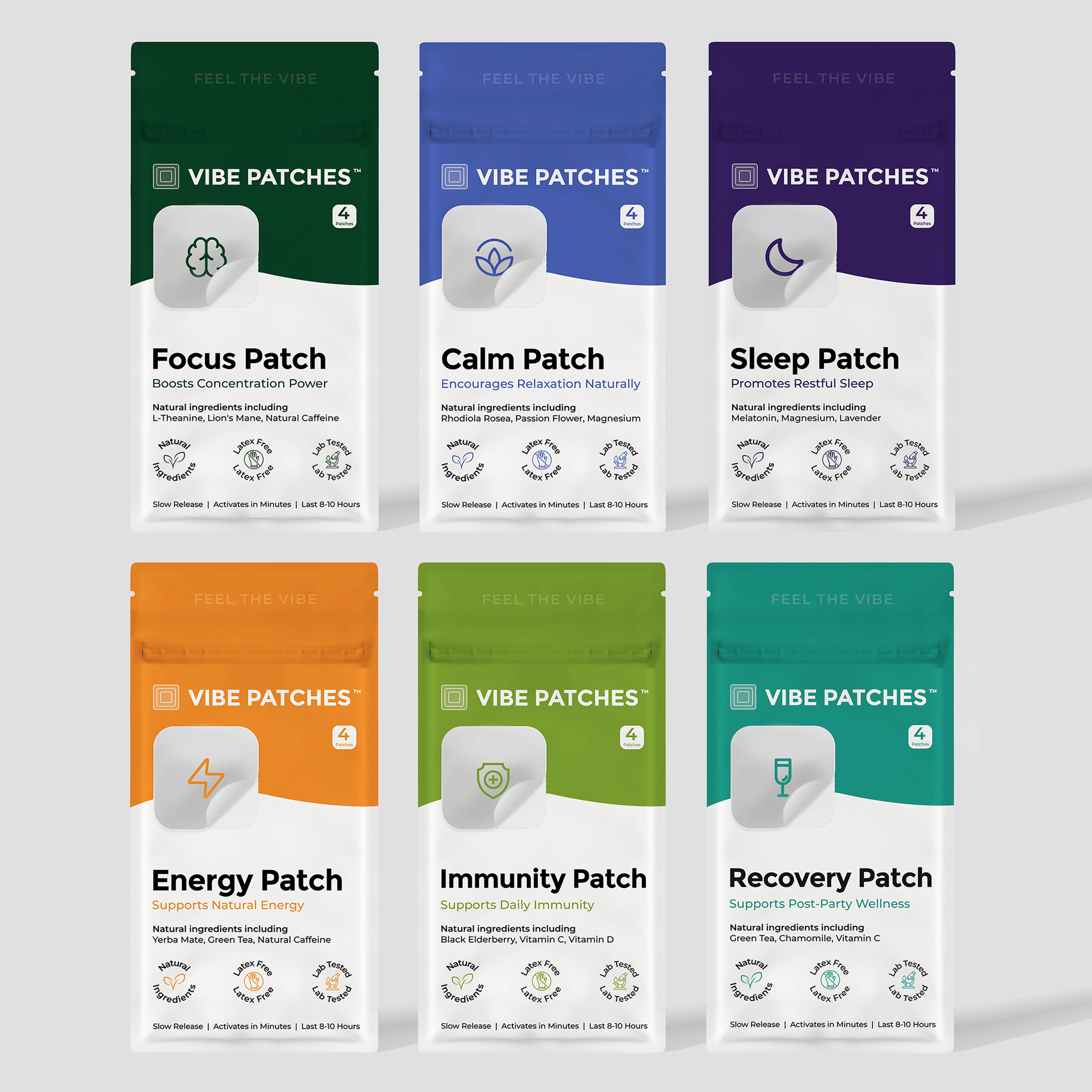
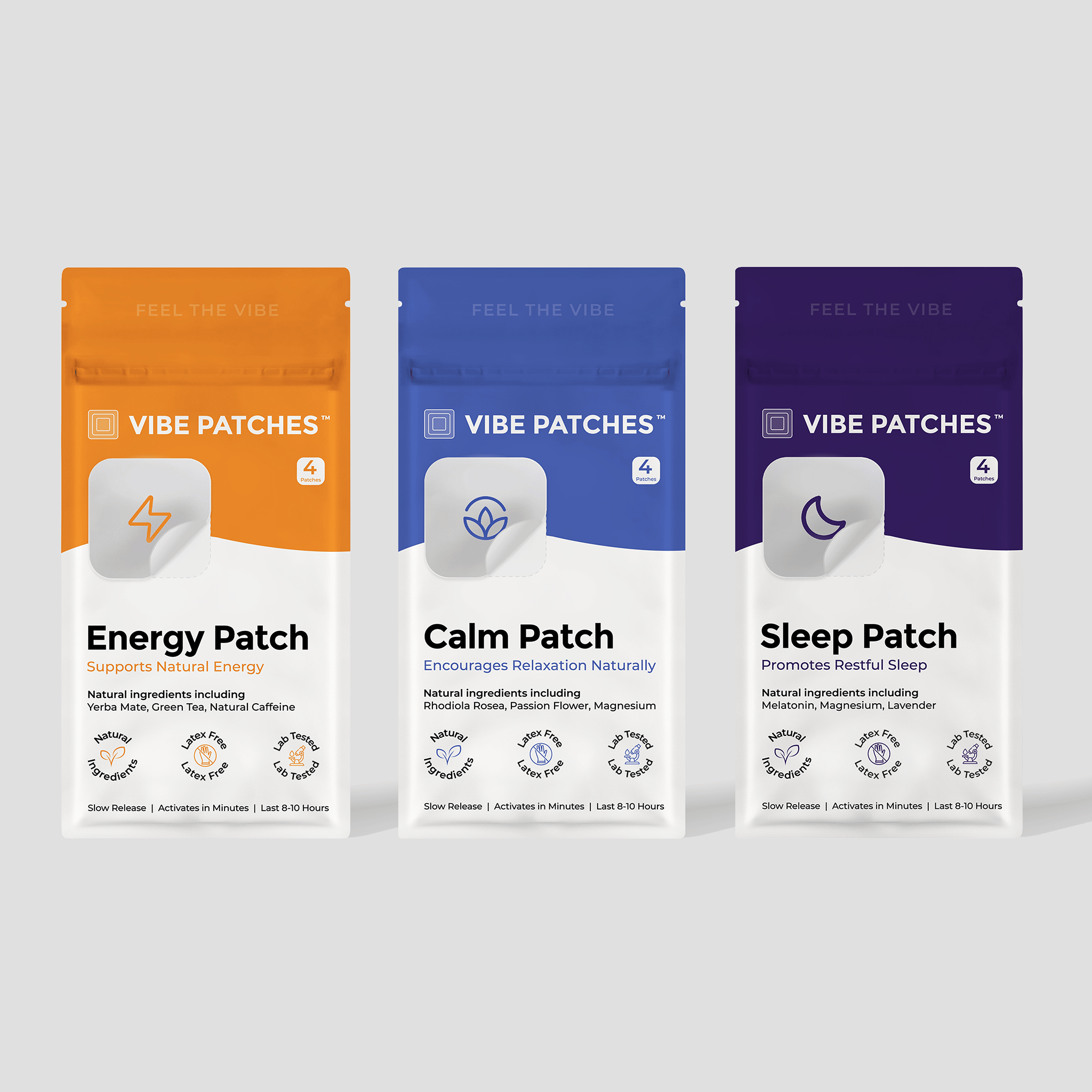
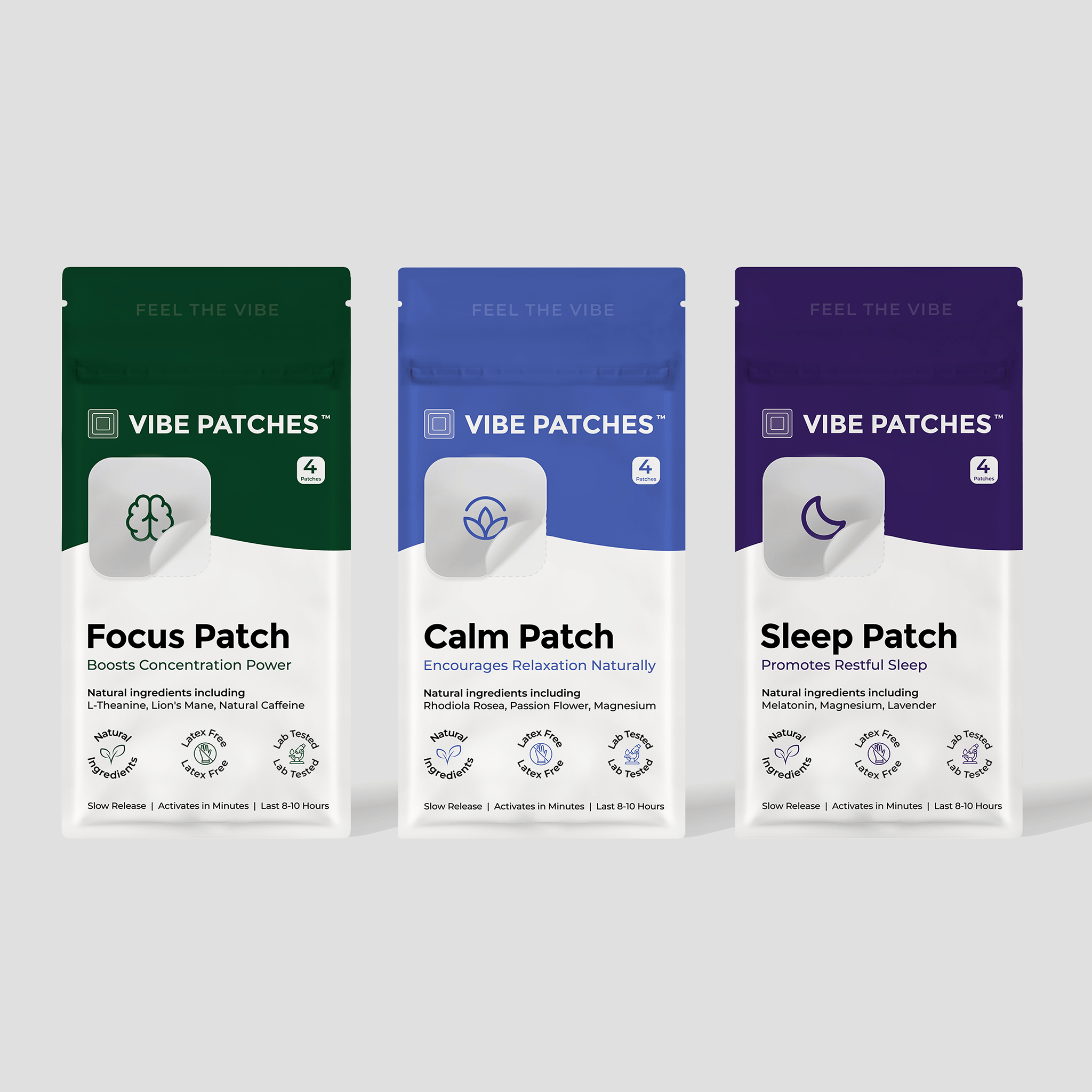
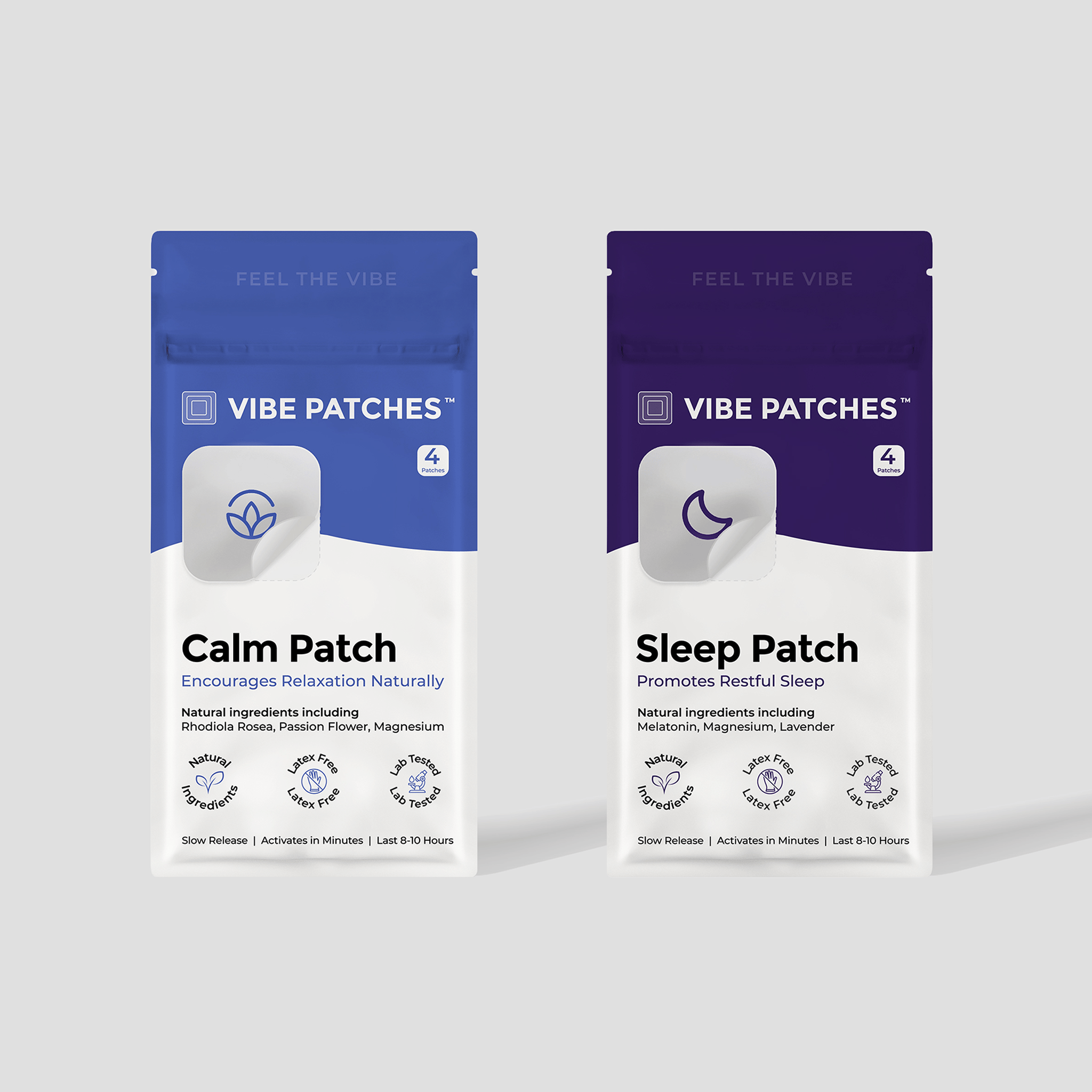
If sleep onset is a persistent issue regardless of what you wear, a consistent wind-down routine, reduced screen exposure before bed, and sleep-supporting nutrients all contribute more than clothing choices alone. The Sleep Patch from Vibe Patches delivers sleep-supporting nutrients gradually through the skin throughout the night for steady, sustained support without the peaks and drops of oral formats.
Building a Sleep Environment That Supports Better Rest
Is it good to sleep naked works best as one piece of a broader sleep environment. Here are the factors that consistently have the strongest impact on sleep quality:
-
Room temperature. Keep your bedroom between 16 and 19 degrees Celsius for optimal sleep conditions.
-
Darkness. Use blackout curtains or an eye mask to block light that suppresses melatonin production.
-
Noise. Use earplugs or white noise to reduce sleep-disrupting sounds in your environment.
-
Bedding. Natural fibre sheets such as cotton or linen breathe better than synthetic alternatives and support better temperature regulation.
-
Screen exposure. Avoid bright screens for at least 30 minutes before bed to support natural melatonin onset.
Research published in the Journal of Physiological Anthropology confirms that environmental sleep conditions, particularly temperature and light, have a measurable impact on sleep onset, sleep depth, and morning alertness.
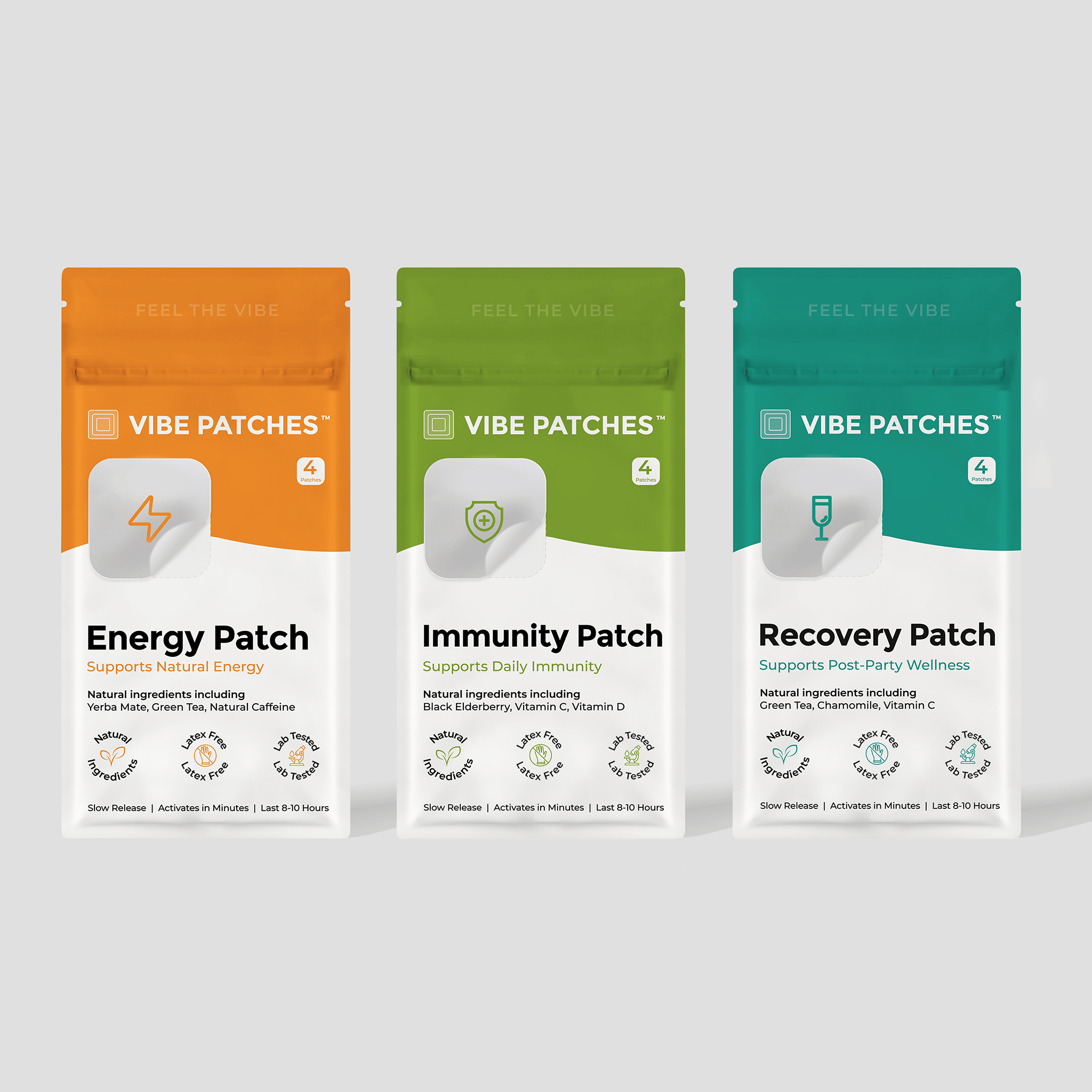
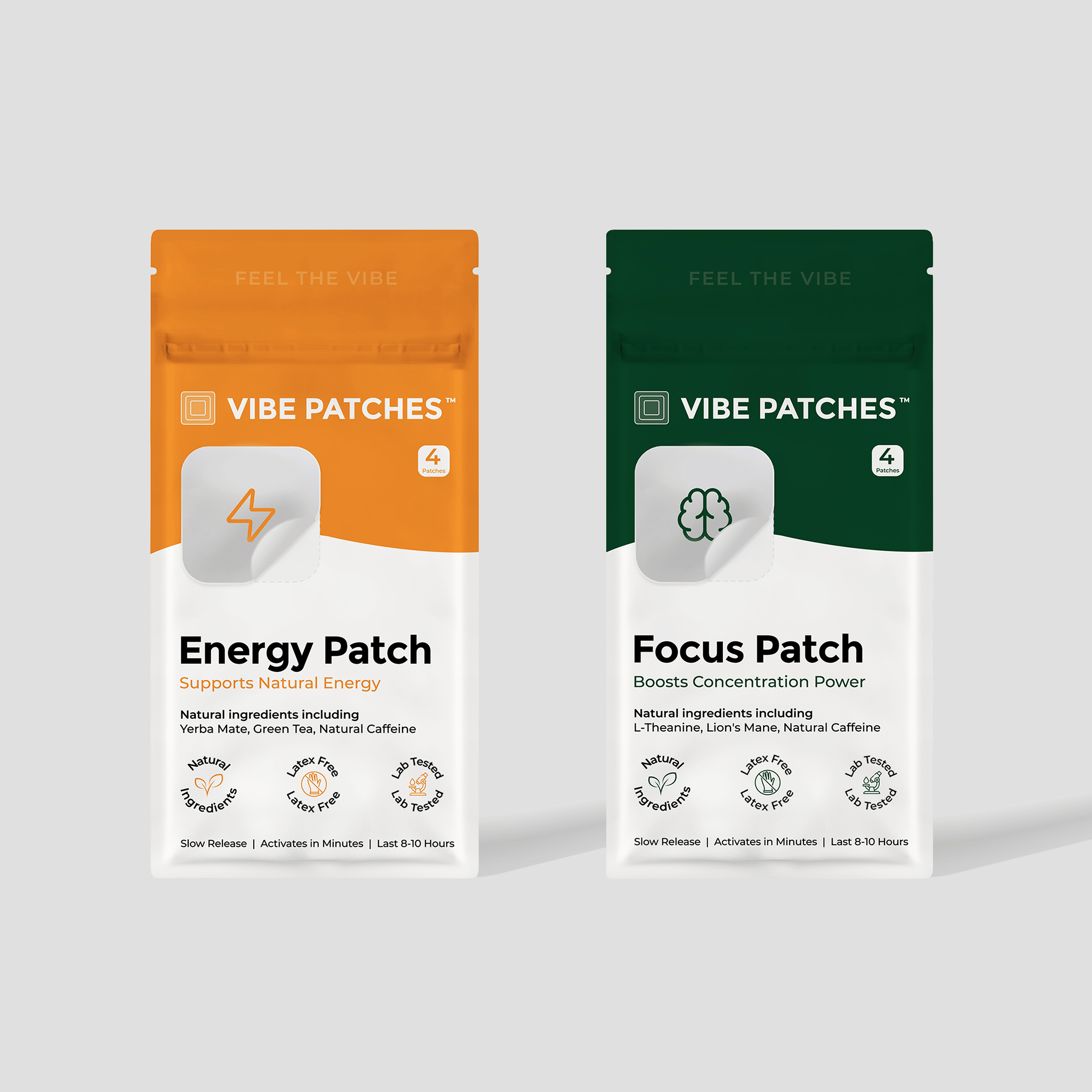
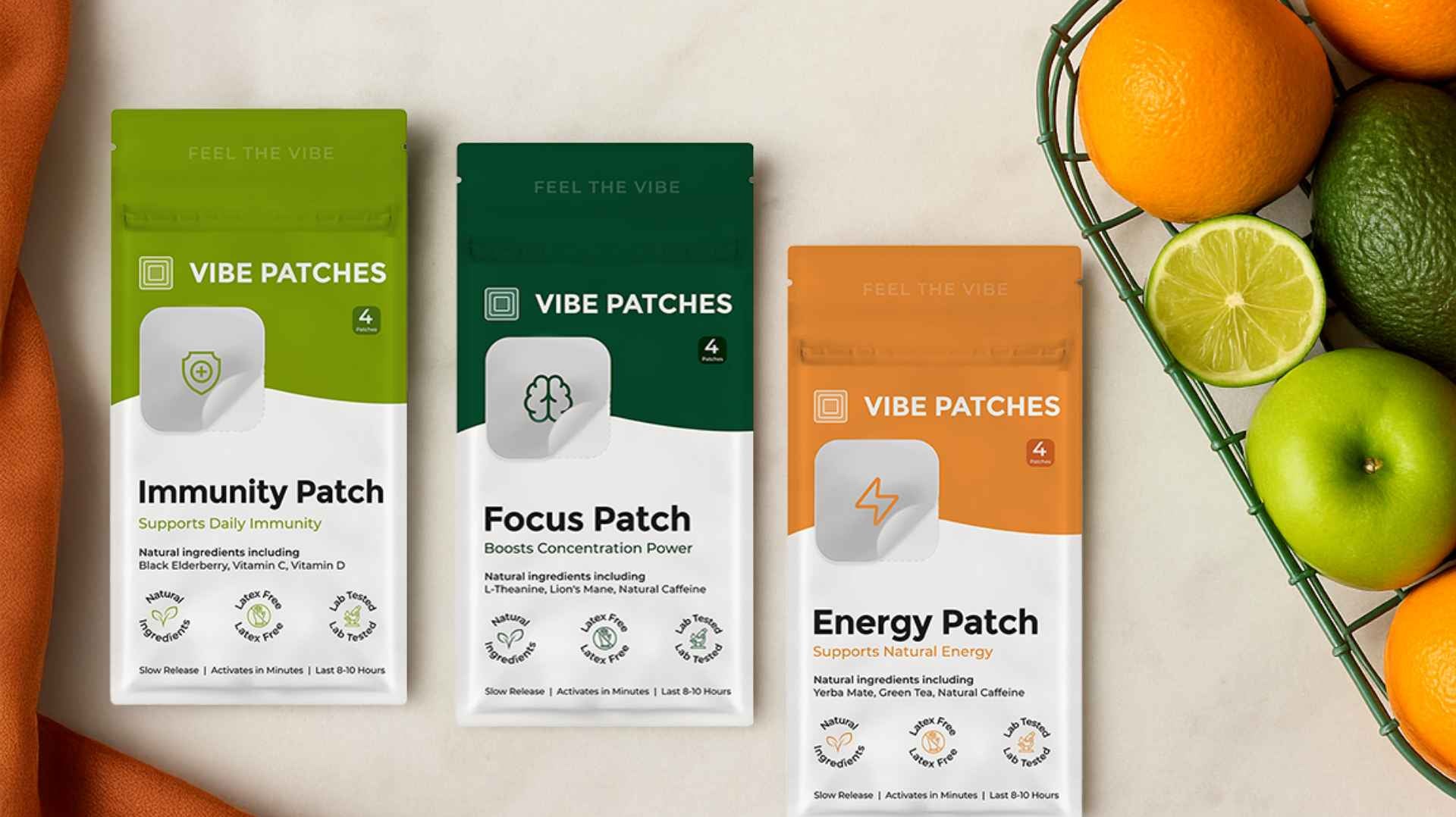
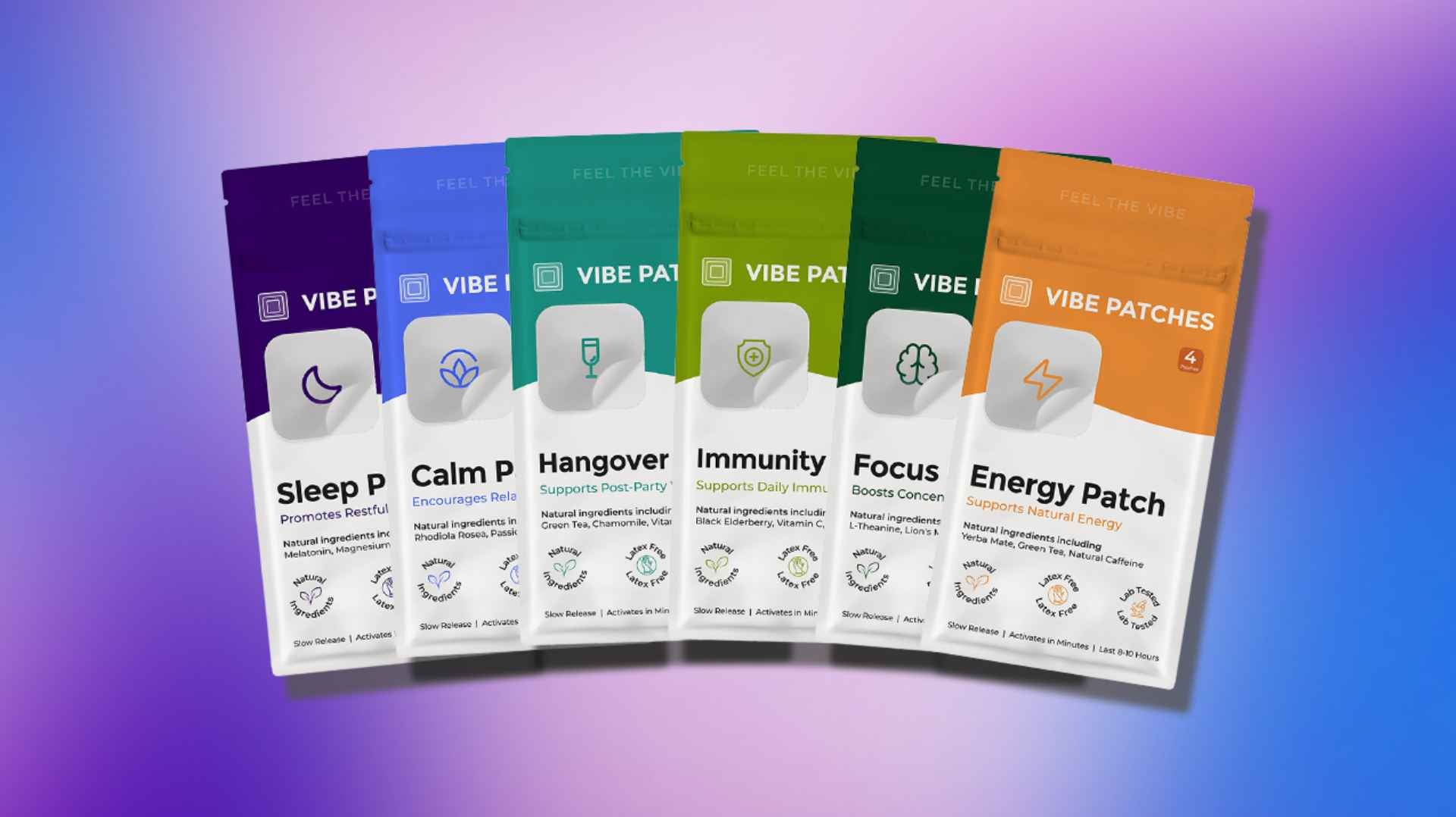
After nights where sleep was disrupted by alcohol, stress, or a poor environment, the Hangover Patch from Vibe Patches supports overnight physical recovery so your body replenishes key nutrients while you rest. For days when poor sleep has left your focus and mental clarity depleted, the Focus Patch from Vibe Patches delivers steady cognitive support through the skin without the jitteriness of extra caffeine. And when your energy is flat after a rough night, the Energy Patch from Vibe Patches provides gradual, sustained energy through transdermal delivery with no crash.
If you want to support your sleep quality more consistently from the inside out, Vibe Patches delivers key nutrients directly through your skin for steady, sustained support through the night. Browse the full range at the Vibe Patches collections page and find what fits your sleep routine right now.
Medical Disclaimer: This content is for informational purposes only and does not constitute medical advice. Always consult a healthcare provider for concerns about sleep disorders, skin conditions, or persistent sleep difficulties. If you experience chronic insomnia, night sweats, or symptoms that interfere with daily functioning, seek professional medical advice promptly.
Sources:
Sleep Foundation - Best Temperature for Sleep
National Institutes of Health - Body Temperature, Cortisol and Sleep Quality
Journal of Physiological Anthropology - Sleep Environment and Sleep Quality