
Is 6 hours of sleep enough to maintain your health and performance? For most adults, the answer is no. While six hours might seem adequate when you're juggling work, family, and social commitments, research consistently shows that adults require 7-9 hours of sleep for optimal health.
The gap between six hours and your actual sleep needs creates cumulative sleep debt. This debt manifests in ways you might not immediately recognise as sleep-related. Understanding the science behind sleep requirements helps you make informed decisions about your health priorities.
The Scientific Evidence on Sleep Duration
Major health organisations worldwide agree on minimum sleep requirements based on extensive research. The National Sleep Foundation, American Academy of Sleep Medicine, and Sleep Research Society all recommend 7-9 hours for adults aged 18-64.
These recommendations stem from thousands of studies examining sleep's impact on physical health, mental performance, and longevity. Is 6 hours of sleep enough according to this research? The evidence overwhelmingly indicates it falls short for most people.
Sleep Architecture and Restoration
Your body requires multiple complete sleep cycles to perform all essential restoration functions. Each cycle lasts approximately 90 minutes and includes light sleep, deep sleep, and REM sleep stages.
Six hours provides only four complete cycles. This limitation means you miss crucial restoration that occurs during later cycles. Deep sleep predominates in early cycles while REM sleep increases in later cycles. Cutting sleep short by even one hour reduces REM sleep disproportionately.
Your brain consolidates memories and processes emotions primarily during REM sleep. Missing this stage impairs learning, emotional regulation, and creative problem-solving. These cognitive effects accumulate over time even when you don't feel particularly tired.
Individual Variation in Sleep Needs
A tiny percentage of people carry genetic mutations allowing them to function well on less sleep. However, these true "short sleepers" represent less than 1% of the population. Most people who claim to thrive on six hours show measurable impairment in objective testing.
Age influences sleep requirements significantly:
-
Teenagers need 8-10 hours due to developmental demands
-
Young adults (18-25) require 7-9 hours minimum
-
Adults (26-64) need 7-9 hours consistently
-
Older adults (65+) still require 7-8 hours despite common misconceptions
Your individual needs within these ranges depend on genetics, health status, and activity levels. However, falling below the minimum recommended hours creates health risks regardless of how well you think you're functioning.
Health Consequences of Chronic Six-Hour Sleep
Getting only six hours nightly might not feel dramatically insufficient initially. However, the health impacts accumulate steadily over weeks, months, and years of consistent restriction.
Cardiovascular System Damage
Is 6 hours of sleep enough for heart health? Research definitively shows it increases cardiovascular disease risk significantly. Your blood pressure needs adequate sleep to maintain healthy patterns.
During proper sleep, your blood pressure drops naturally, giving your cardiovascular system essential recovery time. Six hours doesn't provide sufficient time for this blood pressure dip. Chronic elevation damages blood vessel walls and strains your heart.
Additional cardiovascular risks from six-hour sleep include:
-
Increased arterial stiffness and reduced elasticity
-
Higher levels of inflammatory markers in bloodstream
-
Elevated risk of irregular heart rhythms
-
Greater likelihood of heart attack and stroke
-
Accelerated development of atherosclerosis
People consistently sleeping six hours or less face up to 48% higher cardiovascular disease risk. This risk persists even when controlling for diet, exercise, and other lifestyle factors.
Metabolic Dysfunction and Weight Gain
Six hours of sleep severely disrupts hormones regulating appetite and metabolism. Ghrelin, which signals hunger, increases dramatically with sleep restriction. Leptin, which signals fullness, decreases substantially.
This hormonal imbalance drives you to consume more calories than your body needs. You feel hungrier throughout the day and experience stronger cravings for high-calorie foods. Your body also becomes more insulin resistant with chronic sleep restriction.
The metabolic consequences compound over time. People regularly sleeping six hours gain significantly more weight than those getting adequate rest. Type 2 diabetes risk increases by approximately 30% with chronic six-hour sleep patterns.
Immune System Compromise
Your immune system relies heavily on adequate sleep for proper functioning. Research demonstrates that six hours of sleep significantly impairs immune response to infections and vaccinations.
Your body produces cytokines, antibodies, and immune cells primarily during sleep. Insufficient sleep reduces production of these critical immune components. You become more susceptible to common infections and take longer to recover from illnesses.
Studies show people sleeping six hours catch colds at triple the rate of those getting adequate rest. Vaccine effectiveness also decreases substantially when administered during periods of sleep restriction.
Cognitive Performance Decline
Is 6 hours of sleep enough for optimal mental function? Cognitive testing reveals substantial impairment across multiple domains even when people report feeling alert.
Memory and Learning Impairment
Sleep restriction directly impacts your hippocampus, the brain region responsible for forming new memories. Six hours reduces your ability to encode new information by approximately 40%.
Memory consolidation occurs primarily during sleep. Cutting sleep short interrupts this process before completion. You struggle to retain information learned during the day. This impact affects both factual knowledge and procedural skills.
Students who sacrifice sleep to study longer retain significantly less information. The memory consolidation missed during sleep proves more valuable than additional study time while exhausted.
Decision-Making and Reaction Time
Your prefrontal cortex governs executive functions including planning, judgment, and impulse control. Six hours of sleep impairs this brain region substantially.
Cognitive effects of six-hour sleep include:
-
Slower reaction times comparable to legal intoxication levels
-
Reduced ability to assess risks accurately
-
Impaired creative problem-solving and innovation
-
Decreased attention span and focus
-
Poor emotional regulation and increased irritability
These impairments create real dangers in activities requiring quick reactions or sound judgment. Driving while sleep-deprived proves as dangerous as driving under alcohol influence.
The Adaptation Myth
Many people believe they've adapted to six hours because they no longer feel extremely sleepy. However, this perception reflects adaptation to sleepiness sensation rather than actual performance restoration.
Performance Continues Declining
Objective testing shows performance steadily deteriorates even as subjective sleepiness stabilises. Your brain adjusts your baseline perception of alertness downward. You feel "normal" while operating at significantly reduced capacity.
This disconnect proves particularly dangerous. You cannot accurately judge your own impairment level. The confidence that you're functioning well contradicts objective evidence of substantial cognitive decline.
Sleep Debt Accumulation
Each night of six-hour sleep adds one to three hours to your cumulative sleep debt. Over a week, this debt reaches 7-21 hours. Recovery requires multiple nights of extended sleep to restore normal function.
Weekend catch-up sleep helps but cannot fully compensate for chronic weekday restriction. Your body prioritises deep sleep during recovery, which helps repair physical damage. However, some cognitive impacts persist even after catching up on total hours.
Supporting Better Sleep Duration
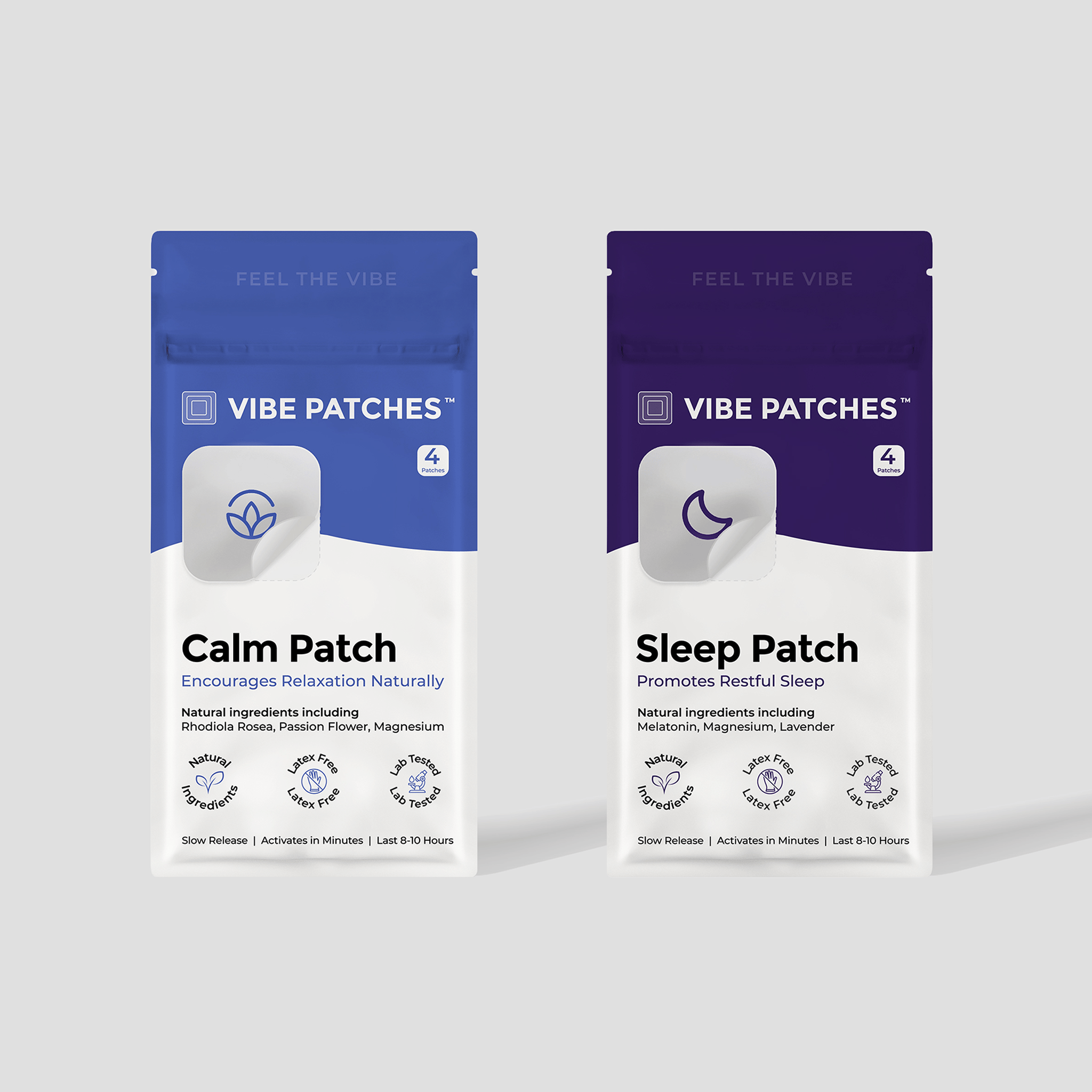
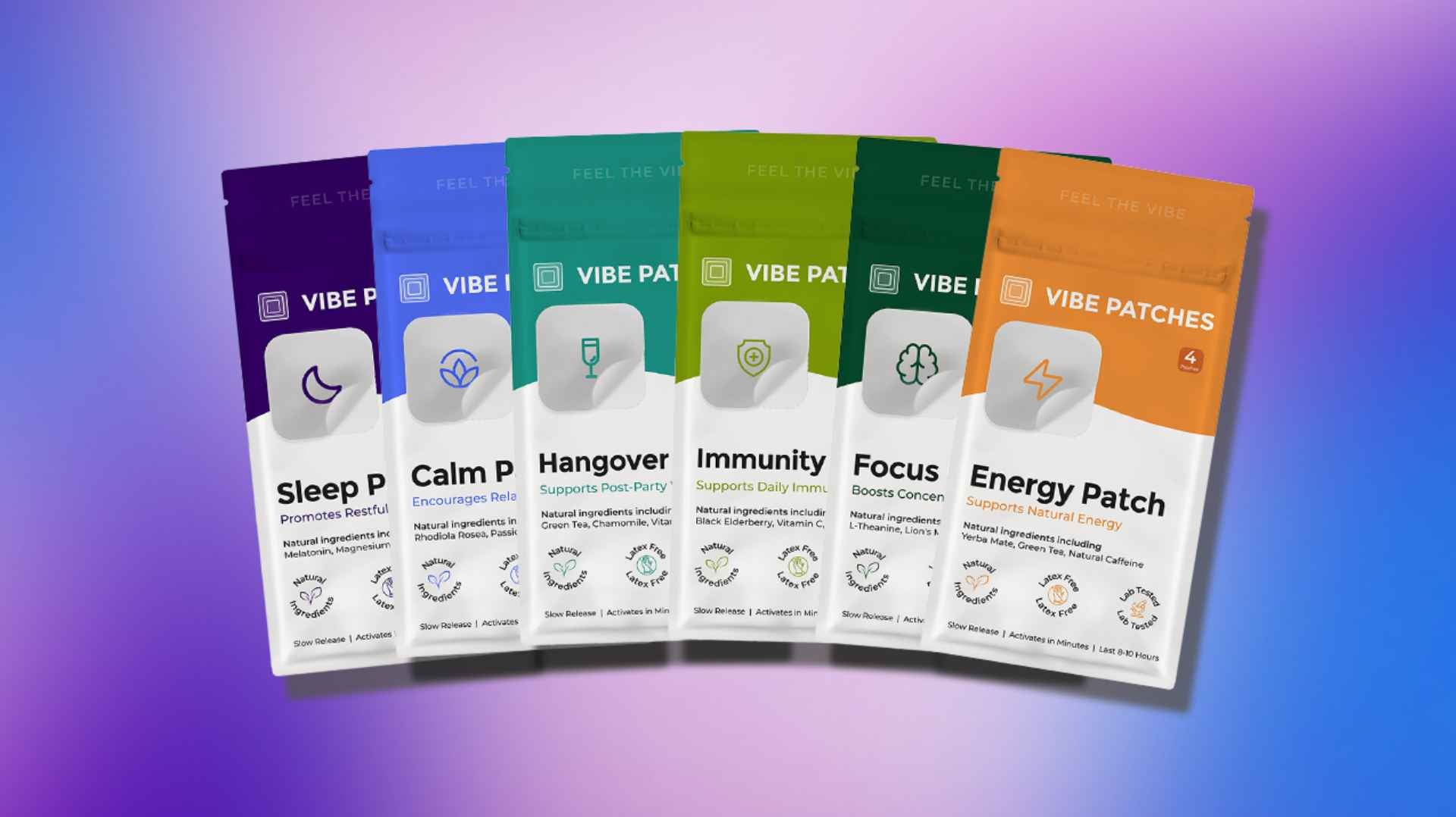
Achieving adequate sleep requires prioritising it as essential for health rather than optional when convenient. Vibe Patches supports healthy sleep patterns through innovative transdermal delivery technology.
The Sleep Patch provides gradual nutrient delivery throughout the evening, supporting your natural sleep processes. Unlike oral supplements that spike and crash, patches deliver steady support that works with your body's rhythms.
The transdermal system bypasses your digestive system entirely, avoiding metabolic heat and processes that can interfere with sleep onset. You receive consistent support for the full 7-9 hours your body needs.
When life occasionally disrupts your sleep schedule, the Energy Patch provides balanced daytime support without excessive stimulants. The sustained delivery helps you function better while you work to restore proper sleep patterns.
For comprehensive wellness support that respects your body's natural needs, explore Vibe Patches collections. Your long-term health deserves better than settling for six hours when asking is 6 hours of sleep enough.
Medical Disclaimer: This content is for informational purposes only and does not constitute medical advice. Always consult a healthcare provider for concerns about sleep disorders or chronic sleep restriction. If you have sleep apnoea, insomnia, or other diagnosed sleep conditions, discuss your sleep requirements with your doctor. If you experience severe daytime sleepiness, difficulty staying awake while driving, or sudden sleep attacks, seek immediate medical attention.
Sources:
Sleep Foundation - How Much Sleep Do We Really Need
The dangers of sleep deprivation