
Is 5 hours of sleep enough to maintain your health and performance? The short answer is no for the vast majority of people. While some individuals claim to thrive on minimal sleep, scientific evidence overwhelmingly shows that five hours falls dangerously short of what your body needs.
Research from major sleep institutions consistently demonstrates that adults require 7-9 hours of sleep nightly for optimal health. Consistently getting only five hours creates significant sleep debt that accumulates over time with serious consequences.
The Science Behind Sleep Requirements
Your body performs critical maintenance and repair functions during sleep that cannot happen while you're awake. These processes require adequate time to complete properly. Cutting sleep short interrupts essential biological functions your body depends on.
Is 5 hours of sleep enough for your brain to process memories effectively? Sleep research shows that memory consolidation requires sufficient time in specific sleep stages. Five hours simply doesn't provide enough opportunity for complete memory processing and emotional regulation.
Sleep Stages and Their Duration
Your brain cycles through different sleep stages multiple times each night. Each stage serves distinct purposes for your physical and mental health:
-
Light sleep: Transition periods that prepare you for deeper rest
-
Deep sleep: Physical restoration, immune system support, tissue repair
-
REM sleep: Memory consolidation, emotional processing, learning integration
-
Transitional periods: Brief wakings that are normal and healthy
A full sleep cycle takes approximately 90 minutes to complete. You need 4-6 complete cycles nightly for optimal restoration. Five hours only allows for 3-4 cycles maximum, leaving your body and brain incompletely restored.
Individual Sleep Needs Vary Slightly
While most adults need 7-9 hours, some genetic variations affect individual requirements. However, true "short sleepers" who genuinely thrive on less sleep represent less than 1% of the population. Most people who claim to function well on five hours show measurable impairment in testing.
Your age also influences sleep requirements significantly. Teenagers need 8-10 hours due to developmental demands. Older adults still need 7-8 hours despite common misconceptions about reduced sleep needs with age.
Health Consequences of Chronic Sleep Restriction
Getting only five hours of sleep regularly creates cumulative damage across multiple body systems. The effects extend far beyond feeling tired during the day.
Cardiovascular Disease Risk
Is 5 hours of sleep enough to maintain heart health? Studies link chronic short sleep to significantly elevated cardiovascular disease risk. Your heart and blood vessels need adequate sleep for essential repair processes.
Chronic sleep restriction creates these dangerous cardiovascular changes:
-
Persistent elevation in blood pressure throughout the day
-
Increased inflammation in blood vessel walls
-
Higher levels of stress hormones damaging the heart
-
Greater risk of irregular heart rhythms
-
Elevated likelihood of heart attack and stroke
People who consistently sleep fewer than six hours face up to 48% higher risk of developing heart disease. This risk compounds with other factors like diet and exercise habits.
Metabolic Disruption and Weight Gain
Five hours of sleep severely disrupts your metabolic hormones. Ghrelin, which signals hunger, increases significantly with sleep deprivation. Meanwhile, leptin, which signals fullness, decreases dramatically. This hormonal imbalance drives overeating and weight gain.
Your body also becomes more insulin resistant with insufficient sleep. This resistance means your cells struggle to absorb glucose properly. Over time, this dysfunction significantly increases type 2 diabetes risk.
Immune System Weakness
Sleep deprivation cripples your immune defences against illness and infection. Your body produces vital immune cells and antibodies primarily during sleep. Five hours doesn't provide adequate time for proper immune system maintenance.
Research shows that people sleeping fewer than six hours catch colds three times more often than those getting adequate rest. Your body also takes longer to recover from illnesses when sleep-deprived.
Cognitive Performance Decline
Your mental abilities suffer dramatically when you regularly get only five hours of sleep. The impairment affects multiple aspects of cognitive function simultaneously.
Memory and Learning Impairment
Is 5 hours of sleep enough for effective learning and memory formation? Scientific evidence clearly demonstrates that inadequate sleep severely impairs both memory consolidation and new learning ability.
Your hippocampus, the brain region crucial for forming new memories, shows reduced activity after just one night of poor sleep. With chronic restriction to five hours, this impairment becomes severe and persistent.
Students who sacrifice sleep to study longer actually retain less information than those who sleep adequately. The memory consolidation that occurs during sleep proves more valuable than extra study time while exhausted.
Decision-Making and Emotional Control
Sleep restriction significantly impairs your prefrontal cortex, which governs executive functions. You struggle with complex decisions, planning, and impulse control when running on five hours nightly.
The cognitive effects of chronic sleep restriction include:
-
Slower reaction times comparable to alcohol intoxication
-
Poor judgment in assessing risks and benefits
-
Reduced creativity and problem-solving abilities
-
Difficulty concentrating on tasks for extended periods
-
Increased irritability and emotional volatility
These impairments create real dangers in daily activities like driving or operating machinery. Your compromised judgment also affects relationships and professional performance.
The Myth of Adaptation
Many people believe they've adapted to five hours of sleep because they feel functional. However, objective testing consistently reveals significant impairment even when people report feeling fine.
Performance Decline Without Awareness
Your brain adapts to chronic sleep deprivation by reducing your awareness of impairment. You feel less sleepy over time, but your actual performance continues deteriorating. This dangerous disconnect means you cannot accurately judge your own capabilities.
Studies comparing self-reported function to objective performance tests show dramatic gaps. People sleeping only five hours perform significantly worse than they believe they do on attention, memory, and reaction time tasks.
Sleep Debt Accumulation
Each hour of missed sleep adds to your cumulative sleep debt. Is 5 hours of sleep enough to avoid building dangerous sleep debt? Absolutely not. You accumulate 14-28 hours of sleep debt weekly if you need 7-9 hours but only get five.
This debt doesn't disappear quickly. Recovery requires multiple nights of extended sleep to restore normal function. Weekend catch-up sleep helps slightly but cannot fully compensate for chronic weekday restriction.
Supporting Better Sleep Quality
Improving your sleep duration and quality requires commitment to specific habits and supportive strategies. Small changes can significantly impact your ability to get adequate rest.
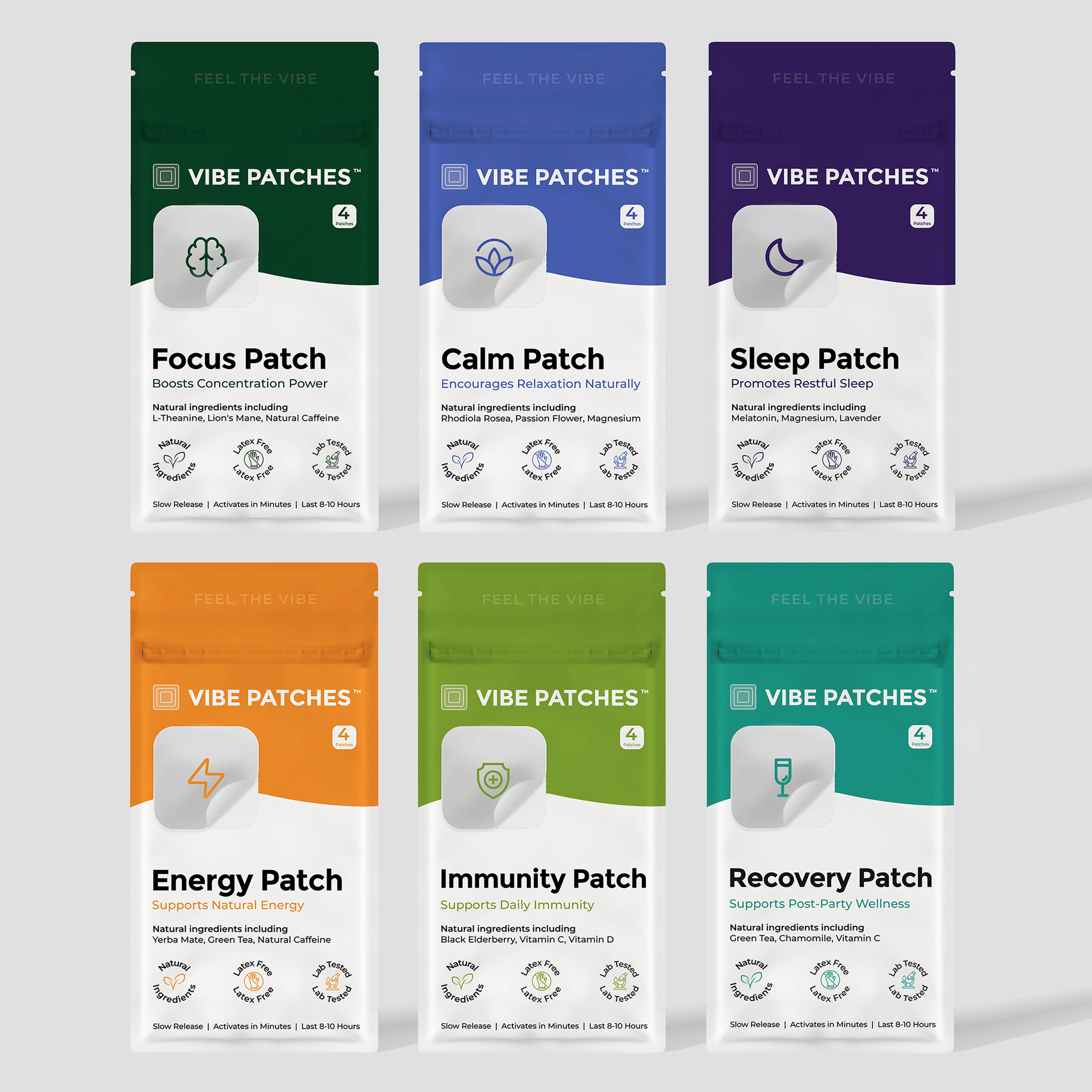
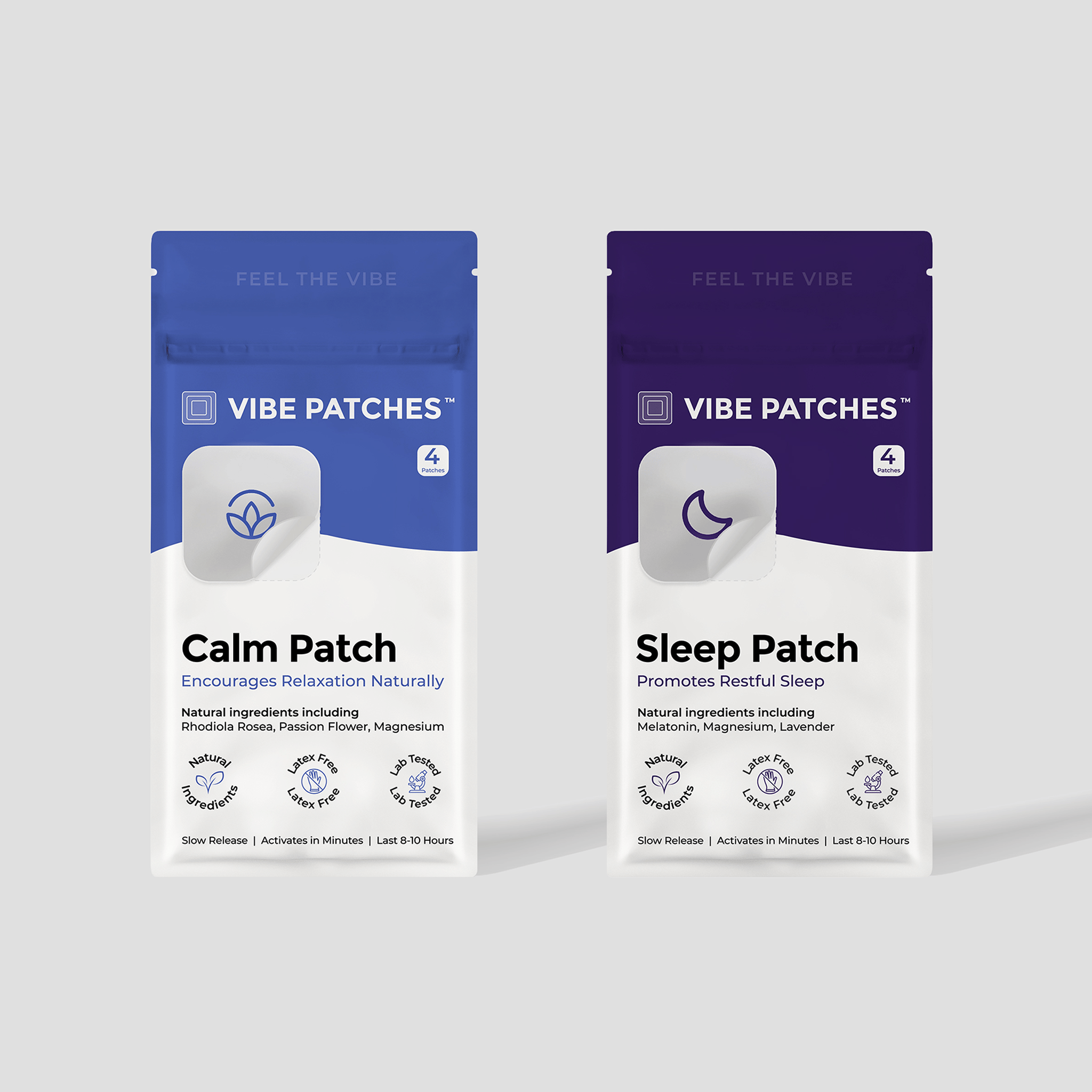
Vibe Patches provides innovative support for healthy sleep patterns through transdermal technology. The Sleep Patch delivers calming nutrients gradually throughout the evening, supporting your natural sleep processes without the crashes of oral supplements.
The transdermal delivery system bypasses your digestive system entirely, allowing steady absorption that works with your body's rhythms. You experience consistent support for restful sleep without morning grogginess or dependency concerns.
When sleep disruption does occur despite your best efforts, the Energy Patch provides balanced daytime support. Unlike caffeine pills or energy drinks that create jitters and crashes, patches deliver sustained energy that carries you through challenging days.
Explore the complete wellness range at Vibe Patches collections for comprehensive support. Your body deserves the full restoration that comes from adequate sleep, not the compromised function that results from asking is 5 hours of sleep enough.
Medical Disclaimer: This content is for informational purposes only and does not constitute medical advice. Always consult a healthcare provider for concerns about sleep disorders or chronic insomnia. If you have sleep apnoea, restless leg syndrome, or other diagnosed sleep conditions, discuss your sleep needs with your doctor. If you experience severe daytime sleepiness, difficulty staying awake while driving, or sudden sleep attacks, seek immediate medical attention.
Sources:
Sleep Foundation - How Much Sleep Do We Really Need
Sleep matters: duration, timing, quality and more may affect cardiovascular disease risk