
Most people study the wrong way. They re-read their notes, highlight things in three different colours, and spend hours going over the same material the night before. Then they sit down for the test and half of it feels unfamiliar. If that sounds like you, this post is worth reading. Knowing how to study for a test is not just about putting in more time. It is about using the right methods so what you learn actually sticks.
Why Most Study Habits Do Not Work
Before getting into what does work, it helps to understand why common study habits fall short. Re-reading notes feels productive but research consistently shows it produces poor long-term retention. The same goes for passive highlighting and marathon study sessions the night before.
Your Brain and How It Stores Information
Memory is not like a hard drive where you save a file and it stays there. Your brain encodes information through repetition, emotional relevance, and active retrieval. Passively reading something once barely registers in your long-term memory. You need to actively engage with the material for it to stick.
Research from the Association for Psychological Science compared ten common study techniques and found that retrieval practice and spaced repetition were significantly more effective than re-reading or highlighting. Most students do the opposite of what the evidence recommends.
The Role of Sleep in Memory Consolidation
Sleep is not separate from studying. It is part of the process. While you sleep, your brain consolidates what you learned during the day and transfers it into long-term storage. Skipping sleep to study more is one of the most counterproductive things you can do when preparing for a test.
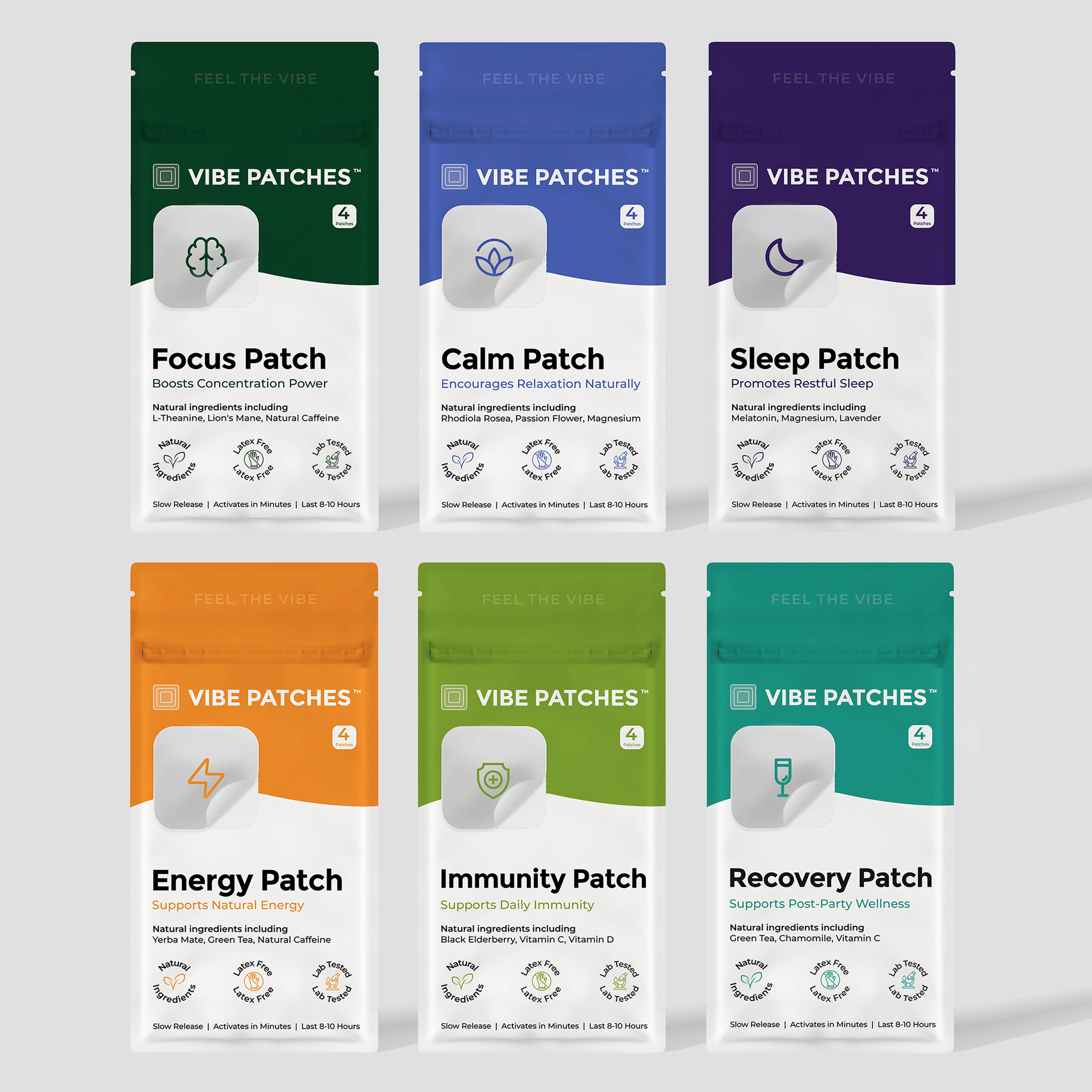
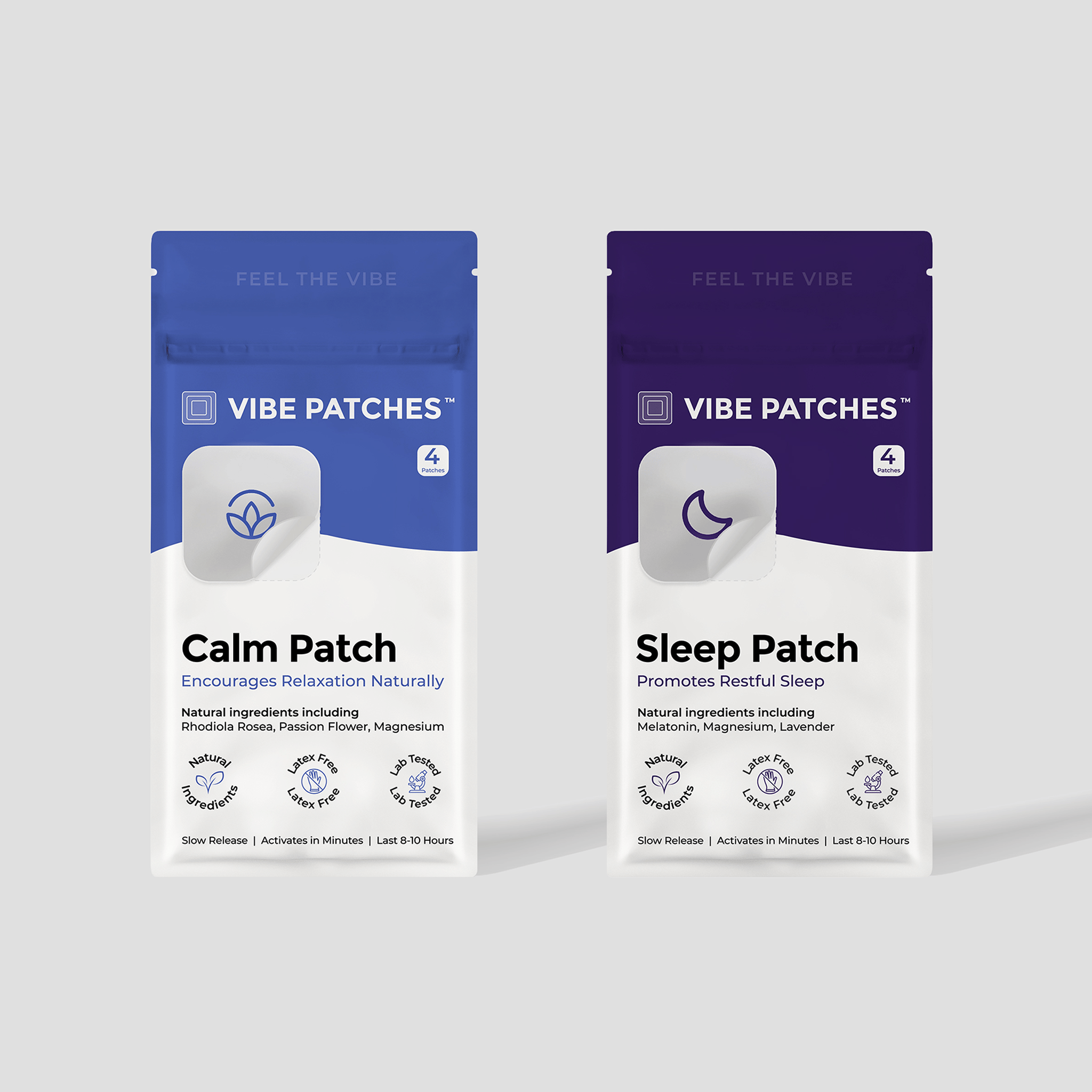
The NIH confirms that sleep deprivation significantly impairs memory consolidation and recall. Students who sleep well after studying consistently outperform those who stay up late cramming. If your sleep is suffering during study periods, the Sleep Patch from Vibe Patches supports more restful, natural sleep on nights when your mind is busy and switching off feels hard.
How to Study for a Test Using Proven Techniques
The good news is that switching to more effective study methods does not require more time. It requires smarter use of the time you already have. Here are the techniques with the strongest research support:
Use Active Recall Instead of Re-Reading
Active recall means testing yourself on the material rather than passively reviewing it. Close your notes and try to write down everything you remember about a topic. Use flashcards. Answer practice questions without looking at your notes first. This forces your brain to retrieve information, which strengthens the memory each time you do it.
It feels harder than re-reading, and that is exactly the point. The difficulty is what drives deeper encoding. Start active recall early in your study period, not just in the final days before a test.
Space Out Your Study Sessions
Cramming compresses all your study into one session. Spaced repetition spreads it out over days or weeks with increasing gaps between each review. Your brain responds better to repeated exposure over time than to a single long session.
A practical approach is to review new material the day you learn it, then again two days later, then after a week. Each review session strengthens the memory trace and makes recall more reliable on test day. Use a simple calendar or an app like Anki to build this into your routine.
Setting Up Your Study Environment for Better Focus
Knowing how to study for a test also involves managing where and how you study. Your environment directly affects your ability to concentrate and retain information. Here are the key factors to get right:
-
Eliminate distractions. Put your phone in another room or use an app blocker during study blocks. Notifications fragment your attention even when you think you are ignoring them.
-
Study in blocks. Use focused intervals of 25 to 50 minutes followed by a short break. This approach, often called the Pomodoro method, maintains concentration better than long unbroken sessions.
-
Vary your location occasionally. Studying in slightly different environments can improve recall by creating multiple memory cues associated with the material.
-
Keep the space tidy. Physical clutter competes for mental attention. A clear desk supports a clearer head.
-
Stay hydrated. Even mild dehydration reduces concentration and slows cognitive processing. Keep water nearby throughout every study session.
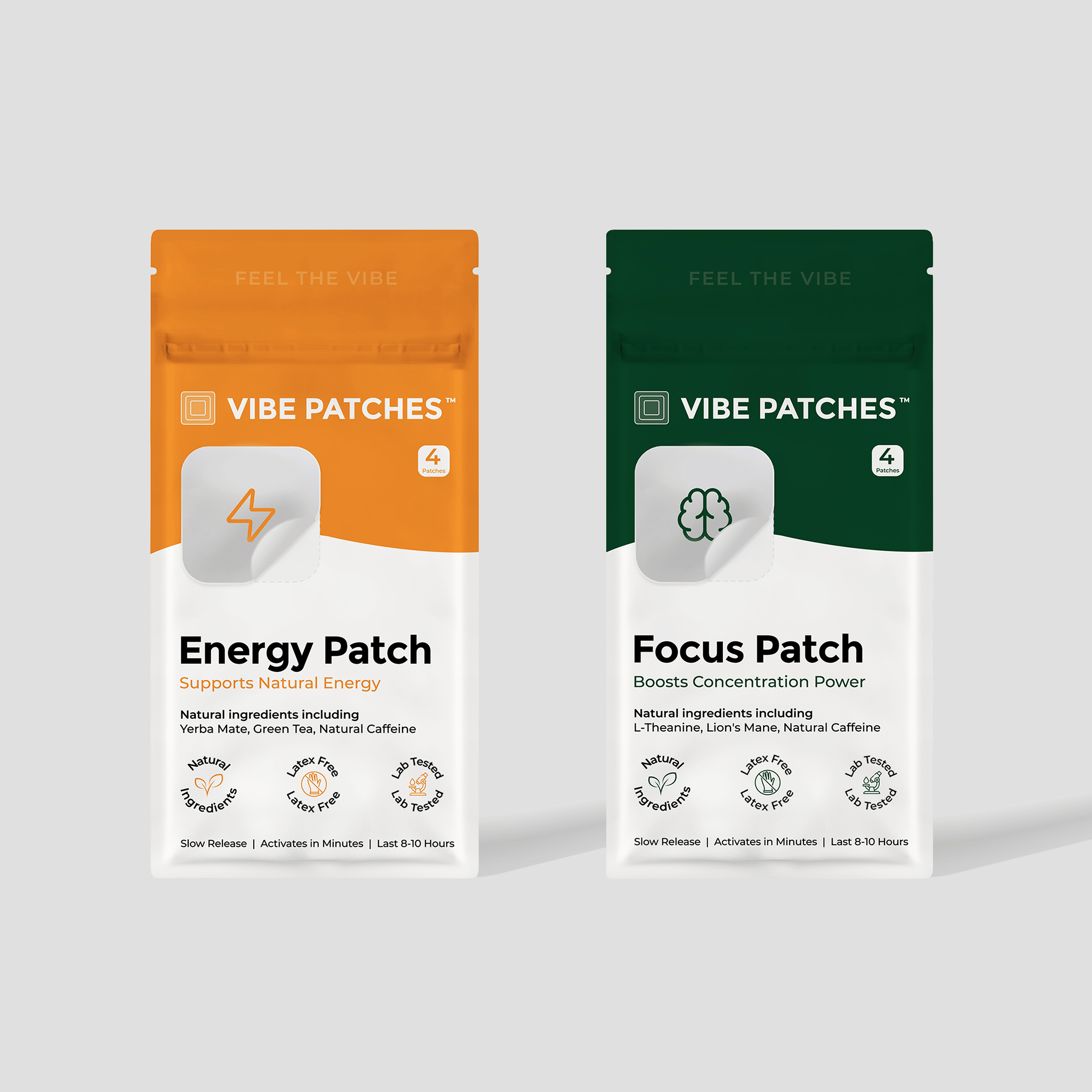
For days when concentration is genuinely hard to sustain, the Focus Patch from Vibe Patches delivers cognitive-supporting nutrients steadily through the skin, without the jitteriness or crash that comes from relying on too much coffee.
How to Study for a Test in the Final Days Before
The final stretch before a test is not the time to learn new material. It is the time to consolidate and reinforce what you already know. Here is how to use the last few days effectively:
-
Review your active recall notes and focus on areas where you struggled
-
Do full practice tests under timed conditions to simulate the real experience
-
Prioritise sleep every night leading up to the test, including the night before
-
Eat proper meals and avoid skipping breakfast on test day
-
Arrive early and give yourself time to settle before the test begins
Your energy levels on test day matter as much as your preparation. If you need reliable, steady energy without the spike and crash of an energy drink, the Energy Patch from Vibe Patches provides gradual support through the skin to keep you switched on when it counts.
What Happens to Focus When You Are Burnt Out
Long study periods take a toll. Mental fatigue is real and it compounds over weeks of preparation. Research published in Frontiers in Psychology shows that mental fatigue significantly reduces cognitive performance, motivation, and the ability to sustain attention. Recognising burnout early and building in genuine rest days is not laziness. It is part of studying well.
If a social night or a late evening has disrupted your recovery during a study period, the Hangover Patch from Vibe Patches supports your body's overnight recovery so you can get back to studying sooner without losing a full day to feeling flat.
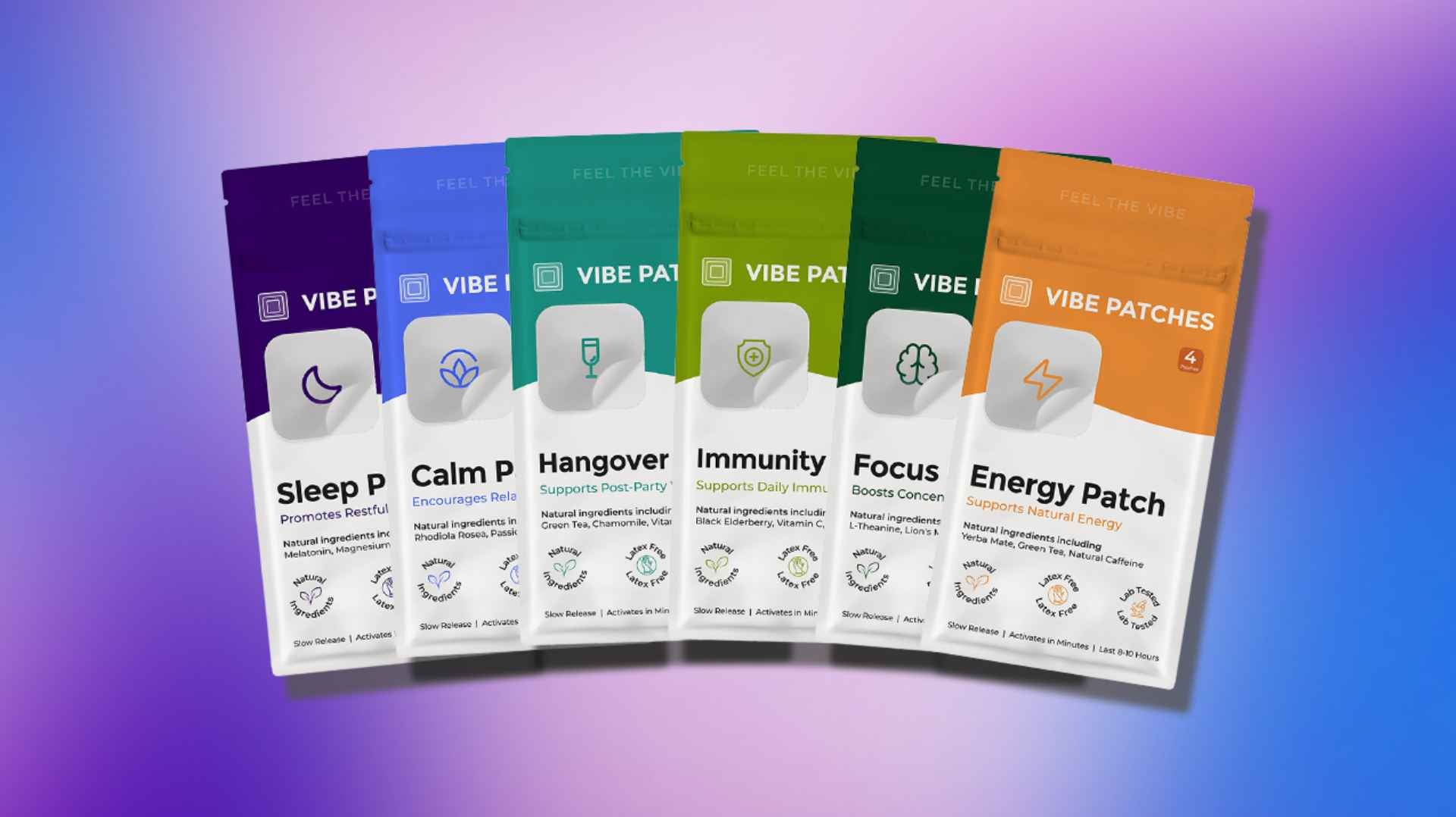
When you are ready to support your study sessions with something that works as hard as you do, Vibe Patches delivers key nutrients directly through your skin for steady, sustained support across long study days. No crashes, no jitters, just consistent performance when your preparation matters most. Browse the full range at the Vibe Patches collections page and find what fits your study routine.
Medical Disclaimer: This content is for informational purposes only and does not constitute medical advice. Always consult a healthcare provider for concerns about cognitive function, sleep difficulties, or supplement use. Individual results vary and patches are not suitable for everyone. If you experience skin irritation, allergic reactions, or unusual symptoms while using a patch, remove it and seek medical attention promptly.
Sources:
Association for Psychological Science - Improving Students' Learning With Effective Study Techniques
National Institutes of Health - Sleep and Memory Consolidation
Frontiers in Psychology - Mental Fatigue and Cognitive Performance