
Putting in the hours does not automatically mean you are studying well. A lot of students spend entire afternoons with their textbooks open and walk away having absorbed very little. If that sounds familiar, the issue is probably not effort. It is method. Knowing how to study effectively is about working with how your brain actually processes and stores information, not just putting in more time at your desk.
Why Effort Alone Does Not Equal Results
There is a common assumption that studying longer leads to learning more. Research does not support this. The quality of your study session matters far more than the length of it. Passive review, re-reading, and copying out notes all feel productive but produce relatively weak memory encoding compared to active techniques.
How Your Brain Actually Learns
Your brain encodes new information through a process called consolidation. Each time you retrieve a memory, you strengthen the neural pathway associated with it. This is why testing yourself on material works better than simply reading it again. The act of retrieval is itself a learning event.
Research from the Association for Psychological Science evaluated ten common study techniques and found retrieval practice and distributed practice consistently outperformed re-reading, highlighting, and summarising. Most students rely heavily on the least effective methods without realising it.
Why Cramming Undermines Long-Term Retention
Cramming feels efficient because it compresses preparation into a short window. The problem is that information learned this way fades quickly. Your brain did not have enough time or repetition to move it into long-term storage. You might scrape through a test, but the knowledge disappears within days.
Spacing your study sessions across days and weeks, with increasing gaps between each review, produces far stronger and more durable retention. This is called spaced repetition, and it is one of the most well-supported strategies in learning science.
How to Study Effectively With Active Techniques
Switching from passive to active study methods is the single biggest improvement most students can make. These techniques require more mental effort, and that effort is precisely what drives deeper learning.
Active Recall
Close your notes and write down everything you can remember about a topic from scratch. Then check what you missed and repeat the process. This forces your brain to retrieve information rather than simply recognise it on a page. Recognition feels like knowing something. Retrieval proves it.
Use flashcards, practice questions, or past exam papers to build active recall into every session. Start this process early, well before exam week, so you have time to identify and fill the gaps in your knowledge.
The Feynman Technique
Pick a concept and explain it out loud as if you were teaching it to someone with no background in the subject. Where you stumble or oversimplify, you find the gaps in your own understanding. Go back to your notes, fill those gaps, and explain it again. This technique is particularly effective for complex or abstract topics that do not respond well to simple memorisation.
Setting Yourself Up to Study Effectively
Knowing how to study effectively also means managing the conditions around your study sessions. Your environment, your physical state, and your routine all directly influence how well your brain performs. Here are the key factors to get right:
-
Time of day. Most people concentrate better in the morning or early afternoon. Schedule demanding material during your peak mental hours and use lower-energy times for lighter review tasks.
-
Distraction management. Put your phone in another room during study blocks. Even having it face-down nearby reduces cognitive performance according to research from the University of Texas at Austin.
-
Study block length. Work in focused intervals of 25 to 50 minutes with short breaks in between. Sustained attention degrades after roughly 45 minutes without a rest.
-
Hydration. Mild dehydration impairs concentration and slows cognitive processing. Keep water nearby and drink consistently throughout each session.
-
Physical movement. A short walk before or during a study session increases blood flow to the brain and supports alertness. You do not need a full workout to feel the benefit.
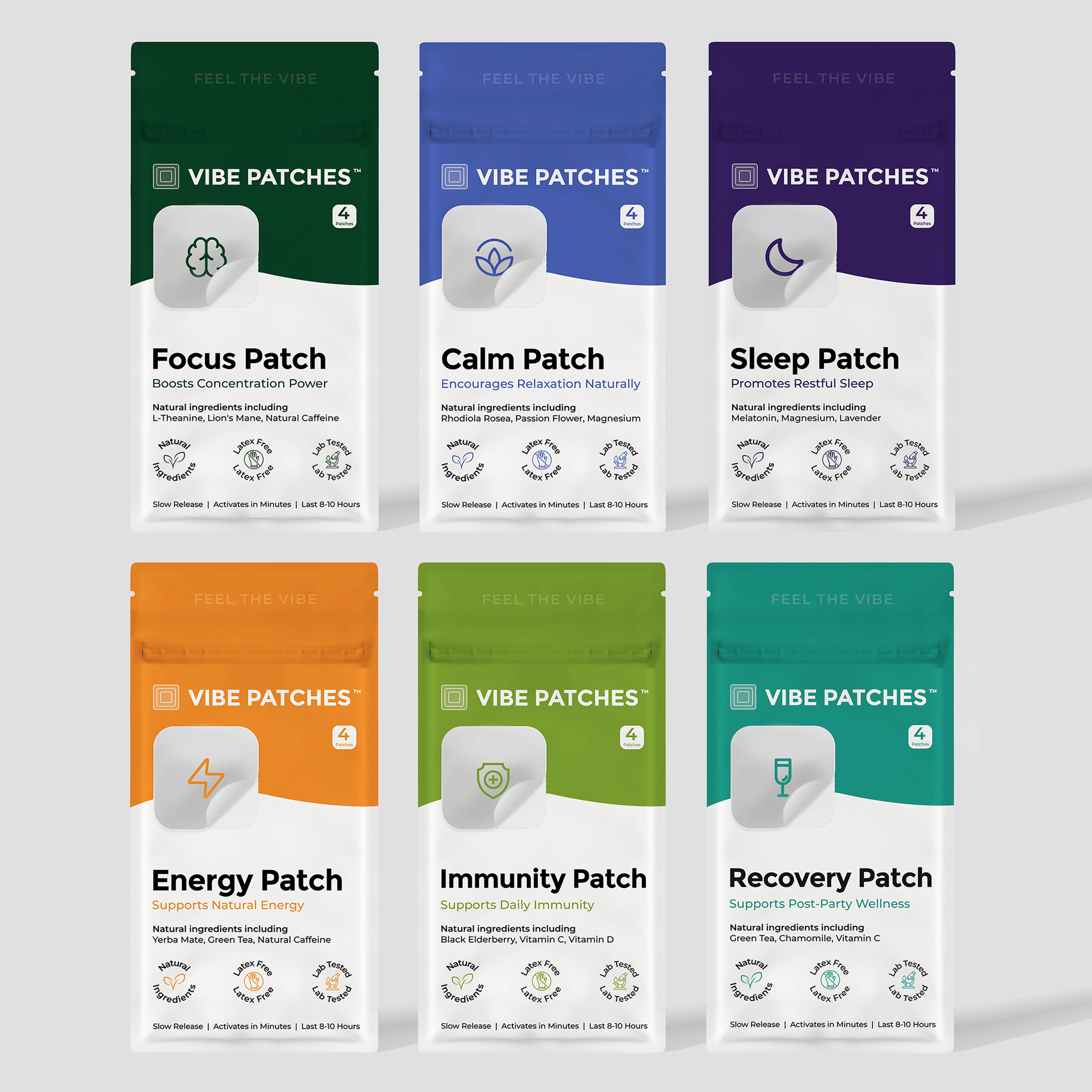
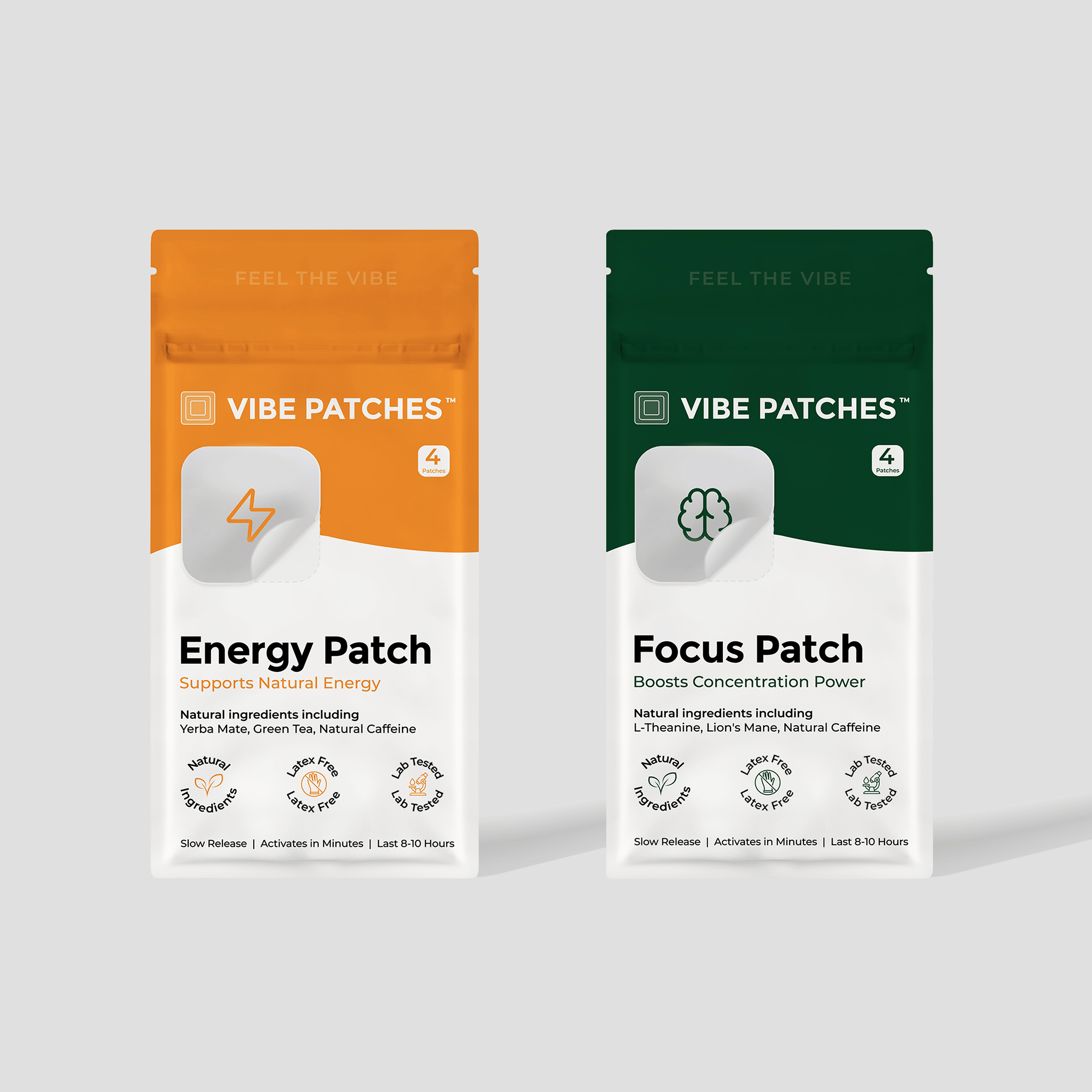
For longer study days when concentration starts to slip in the afternoon, the Focus Patch from Vibe Patches delivers cognitive-supporting nutrients gradually through the skin for steady mental support without the jitteriness or sharp drop that comes from extra coffee.
Sleep Is Part of How to Study Effectively
A lot of students treat sleep as the thing they sacrifice when study time runs short. This is one of the most counterproductive habits you can develop. Sleep is not separate from learning. It is when learning gets consolidated.
The NIH confirms that sleep deprivation significantly impairs memory consolidation, recall accuracy, and the ability to learn new information the following day. Students who sleep well after studying consistently outperform those who cut sleep to study more.
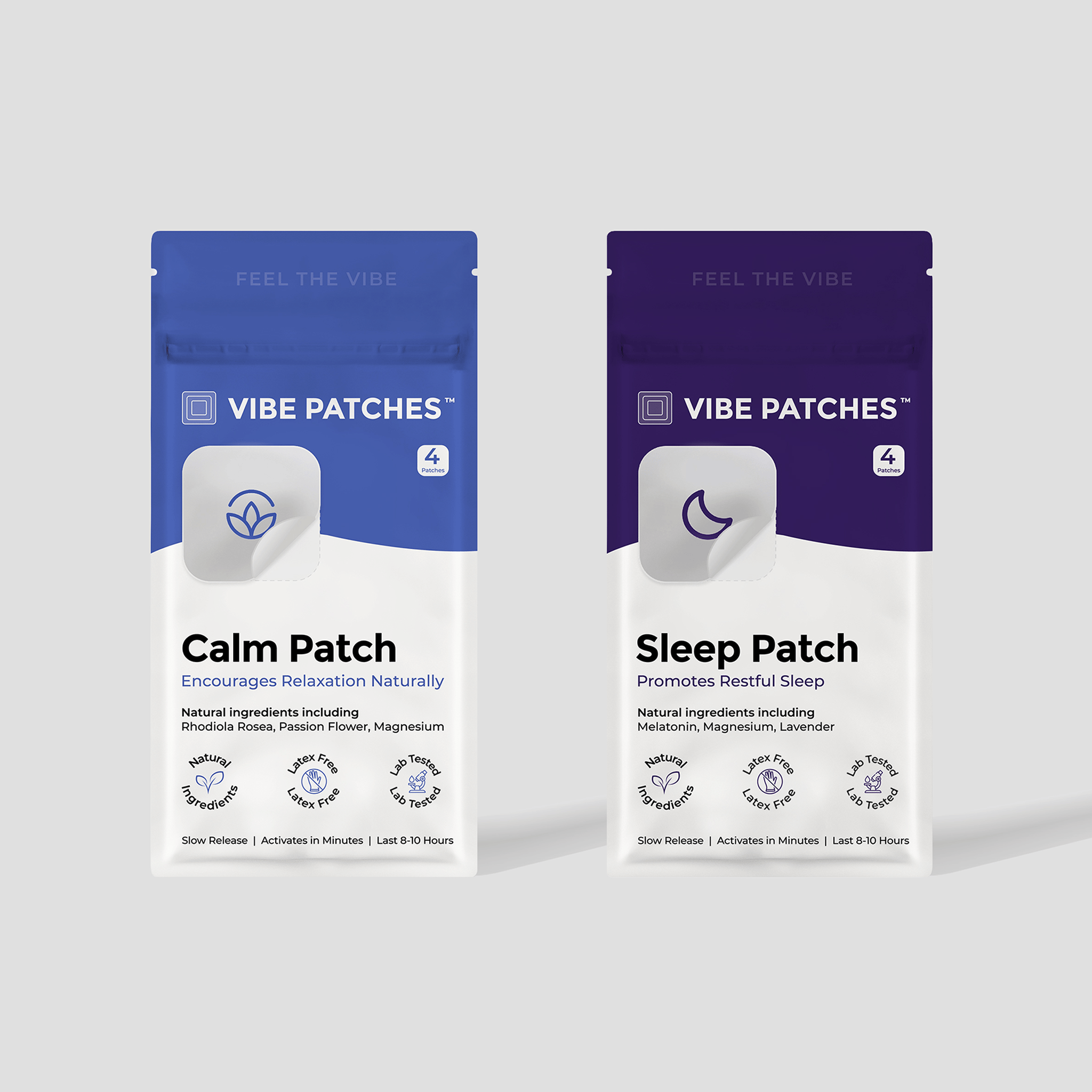
Aim for seven to nine hours every night during study periods, not just the night before an exam. If your mind races at bedtime or stress is disrupting your sleep quality, the Sleep Patch from Vibe Patches supports more restful, natural sleep so your brain can do the consolidation work it needs to do overnight.
Managing Energy and Burnout During Long Study Periods
Study fatigue is real. Research published in Frontiers in Psychology shows that sustained mental effort over time leads to cognitive fatigue that meaningfully reduces performance, motivation, and the ability to sustain attention. Pushing through this without adequate recovery makes your study sessions progressively less effective.
Build genuine rest days into your study schedule. Eat regular meals to keep your blood sugar stable. Avoid relying on high-sugar energy drinks that spike your alertness and then crash it an hour later. For a cleaner energy option on demanding days, the Energy Patch from Vibe Patches provides gradual, sustained energy through transdermal delivery with no sugar and no crash.
If a social night has knocked your recovery during a study period, the Hangover Patch from Vibe Patches supports overnight recovery so you lose less time feeling flat and get back to productive studying sooner.
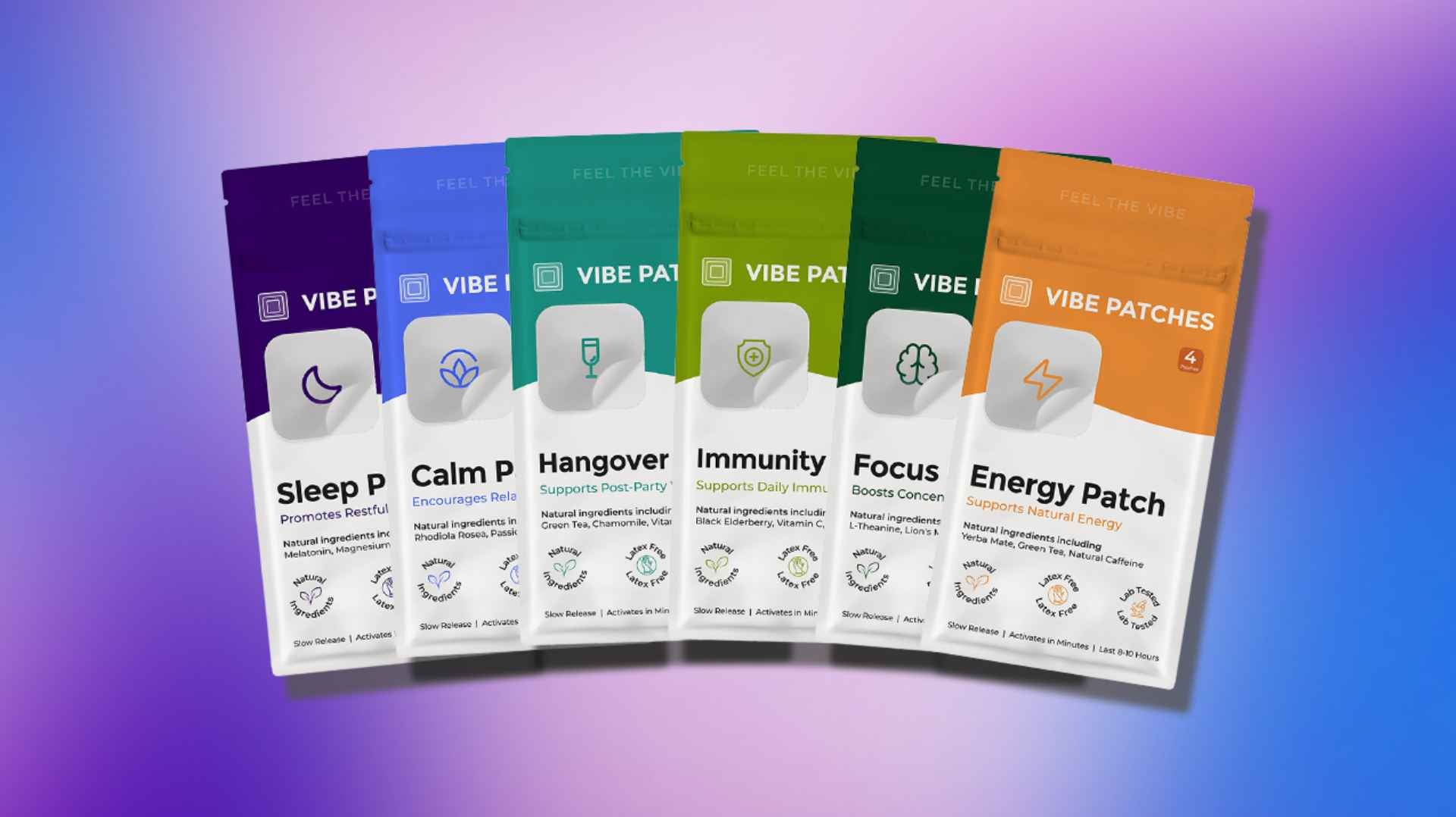
When you are ready to back your study sessions with smarter support, Vibe Patches delivers key nutrients directly through your skin for consistent, sustained performance through even the longest study days. No spikes, no crashes, just steady support that works alongside your preparation. Browse the full range at the Vibe Patches collections page and find what fits your routine.
Medical Disclaimer: This content is for informational purposes only and does not constitute medical advice. Always consult a healthcare provider for concerns about cognitive function, sleep difficulties, or supplement use. Individual results vary and patches are not suitable for everyone. If you experience skin irritation, allergic reactions, or unusual symptoms while using a patch, remove it and seek medical attention promptly.
Sources:
Association for Psychological Science - Improving Students' Learning With Effective Study Techniques
National Institutes of Health - Sleep and Memory Consolidation
Frontiers in Psychology - Mental Fatigue and Cognitive Performance