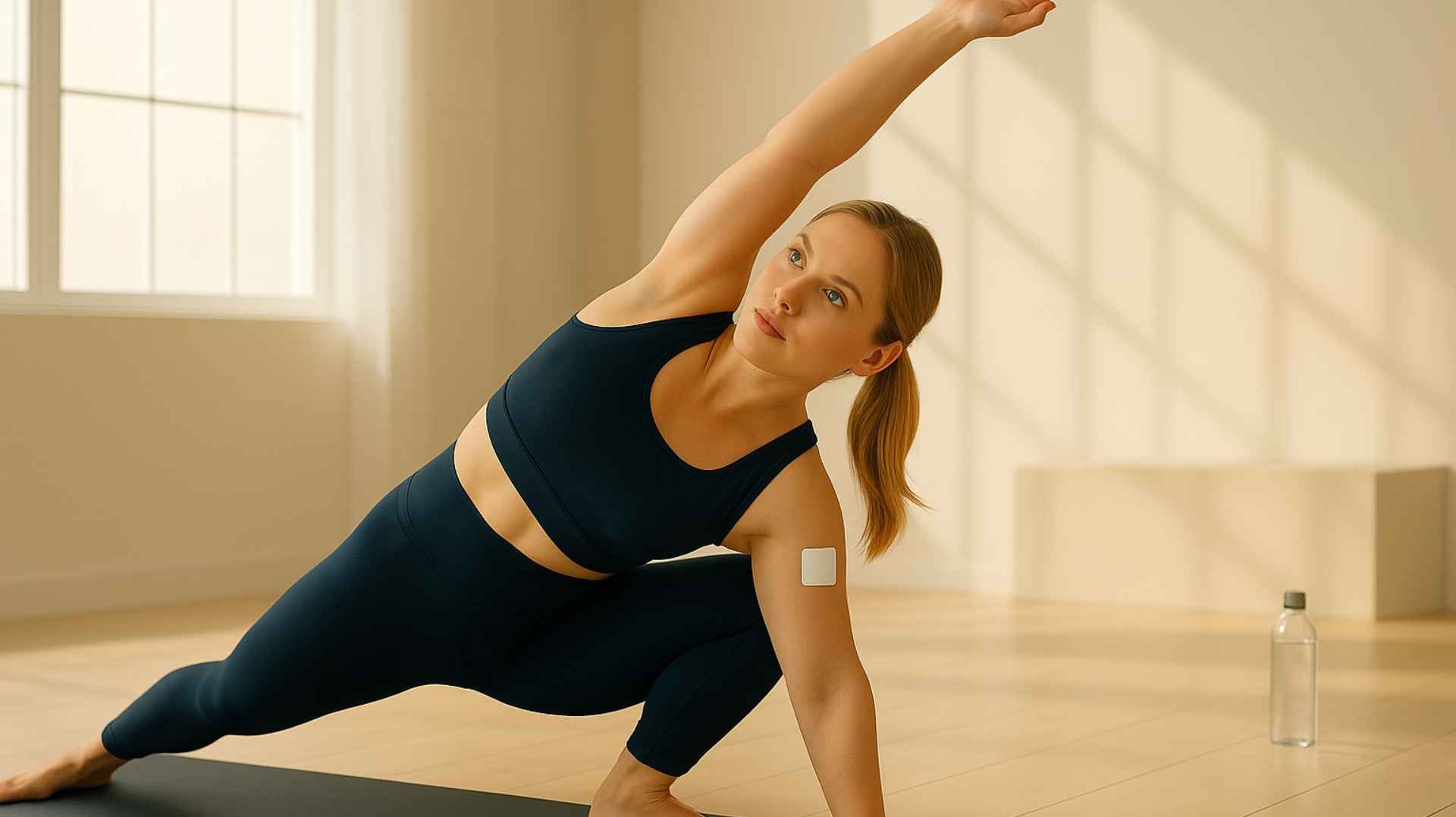

Pressure is part of life. Tight deadlines, difficult conversations, packed schedules. It all adds up. The problem is not the pressure itself. It is how your body and mind respond to it. Learning how to stay calm under pressure is a skill anyone can build, and the science behind it is genuinely useful to know. The good news is that you do not need to overhaul your entire lifestyle to start seeing results.
How to Stay Calm Under Pressure Starts With Your Nervous System
When you feel stress, your body activates the fight-or-flight response. Your heart rate climbs, your breath shortens, and cortisol floods your system. This is useful when you face real danger. But for everyday pressure, it works against you.
Research from the American Psychological Association shows chronic stress impairs cognitive function. The more stressed you are, the harder it is to think clearly and make good decisions. Staying calm is not just about feeling better. It is about performing better when it counts most.
Signs Your Body Is Under Too Much Pressure
Catching stress early makes it much easier to manage. Your body usually gives you signals before things escalate. Watch out for these common signs:
-
Shoulders tense up or your jaw clenches without you realising
-
Breathing becomes shallow and faster than normal
-
Your mind races or goes completely blank
-
Irritability spikes without an obvious reason
-
You struggle to focus on one task at a time
-
Small things start to feel overwhelming or disproportionately frustrating
Noticing these early signs gives you a window to intervene before stress takes hold completely.
Why Some People Handle Pressure Better Than Others
It is rarely about willpower or personality. People who stay calm under pressure have usually practised specific habits and responses over time. They also tend to prioritise sleep, regular movement, and proper recovery. These are not innate traits. They are learnable behaviours that anyone can develop with consistency.
Practical Ways to Stay Calm Under Pressure
Calming your nervous system does not require hours of meditation or a complete lifestyle reset. Small, consistent habits tend to have the biggest impact over time. Here are some of the most well-researched techniques.
Use Breathwork to Reset Your Stress Response
Controlled breathing directly activates your parasympathetic nervous system. This slows your heart rate and brings you back to a calmer, more focused state. A simple and effective technique is box breathing. Inhale for four counts, hold for four, exhale for four, then hold again for four. Repeat this three to five times.
A study published in Frontiers in Human Neuroscience found that slow breathing techniques reduce cortisol and improve emotional regulation. Use box breathing before a high-stakes meeting, a difficult conversation, or anytime you feel the pressure starting to build. It takes less than two minutes and works quickly.
Reframe How You See the Situation
Psychologists call this cognitive reappraisal. Instead of telling yourself a situation is threatening, you shift your perspective on it. You ask yourself: what can I actually control here? What is genuinely at stake? Is my reaction proportionate to what is happening?
This approach has strong research support. A review published in the journal Emotion found that reappraisal reduces stress and improves decision-making under pressure. Practise it regularly and it starts to become a natural, automatic response rather than something you have to consciously force.
Daily Habits That Help You Stay Calm Under Pressure Long-Term
Quick techniques help in the moment, but lasting calm comes from what you do every single day. These habits build a stronger foundation so your baseline resilience is higher when pressure hits.
-
Sleep. Aim for seven to nine hours each night. Poor sleep makes you significantly more reactive to stress. A well-rested brain handles pressure far better than a tired one.
-
Movement. Even a 20-minute walk lowers cortisol and improves your mood. You do not need an intense workout to feel the benefit. Consistency matters more than intensity.
-
Nutrition. Blood sugar crashes spike anxiety and make it harder to think clearly. Eat regular meals with protein and complex carbohydrates to keep your energy stable throughout the day.
-
Hydration. Even mild dehydration impairs focus and increases feelings of stress. Drink water consistently rather than waiting until you feel thirsty.
-
Boundaries. Saying no to non-essential commitments protects your energy for what actually matters. Overcommitting is one of the fastest ways to erode your ability to stay calm under pressure.
Small improvements across all five of these areas compound over time. You do not need to get everything perfect at once.
Nutrients That Support How You Stay Calm Under Pressure
Your nervous system relies on specific nutrients to function well when stress is high. Magnesium plays a key role in regulating the stress response and supporting muscle relaxation. B vitamins support energy production and help maintain nervous system health. L-theanine, an amino acid found naturally in green tea, promotes a calm but alert mental state without causing drowsiness.
Getting consistent nutrient support throughout the day is not always straightforward. Busy schedules, inconsistent eating habits, and the demands of digestion all get in the way of steady absorption. That is where a different delivery method can make a practical difference.
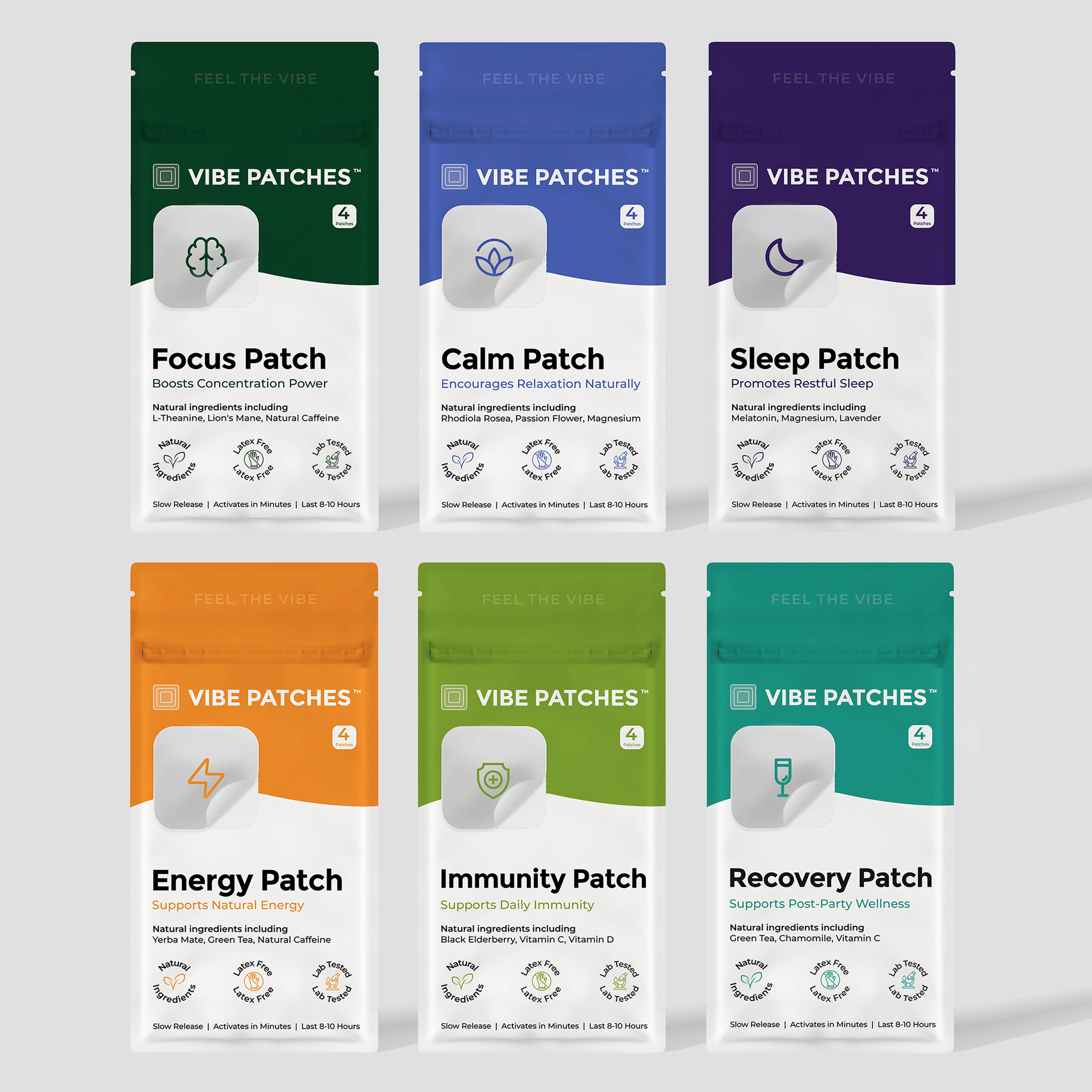
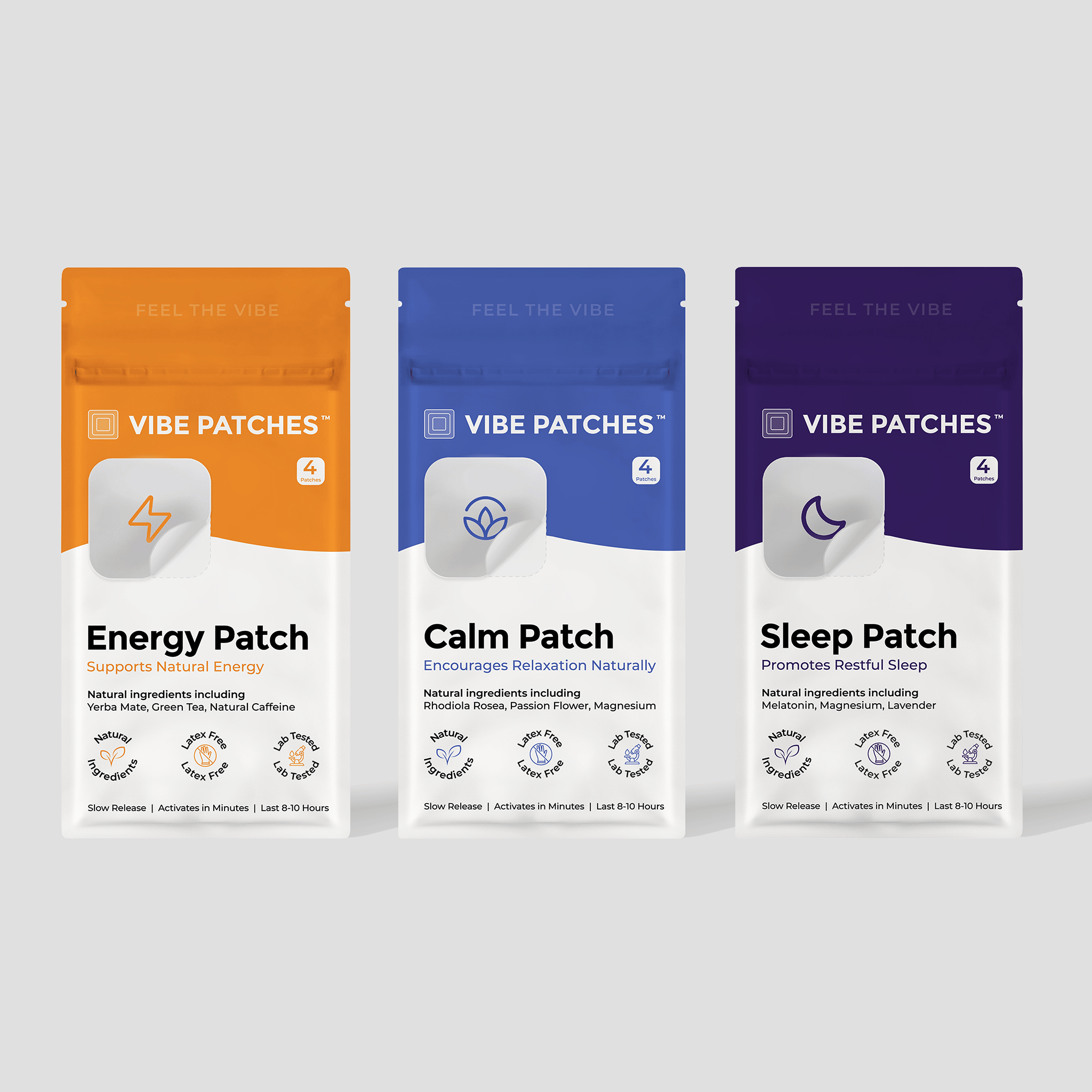
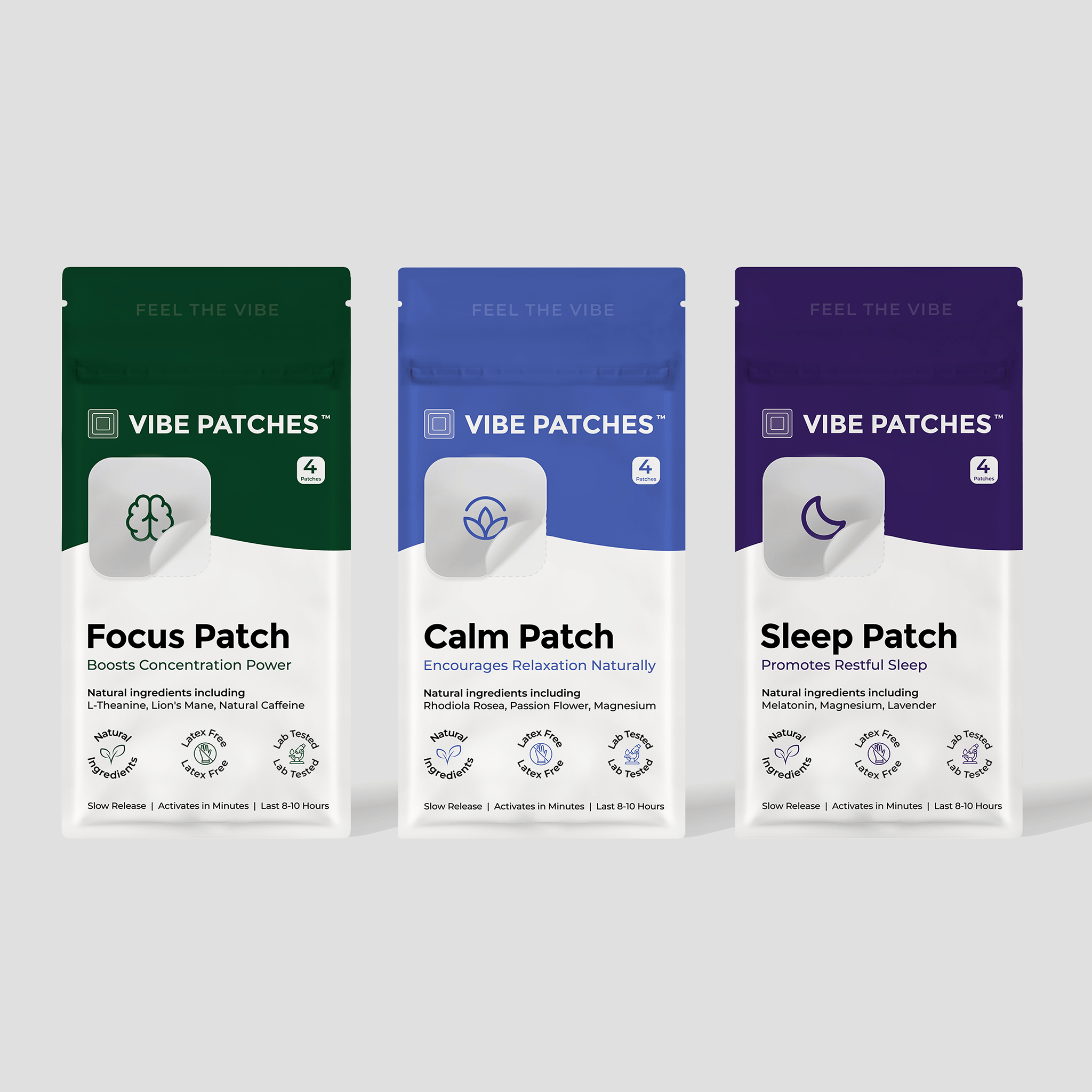
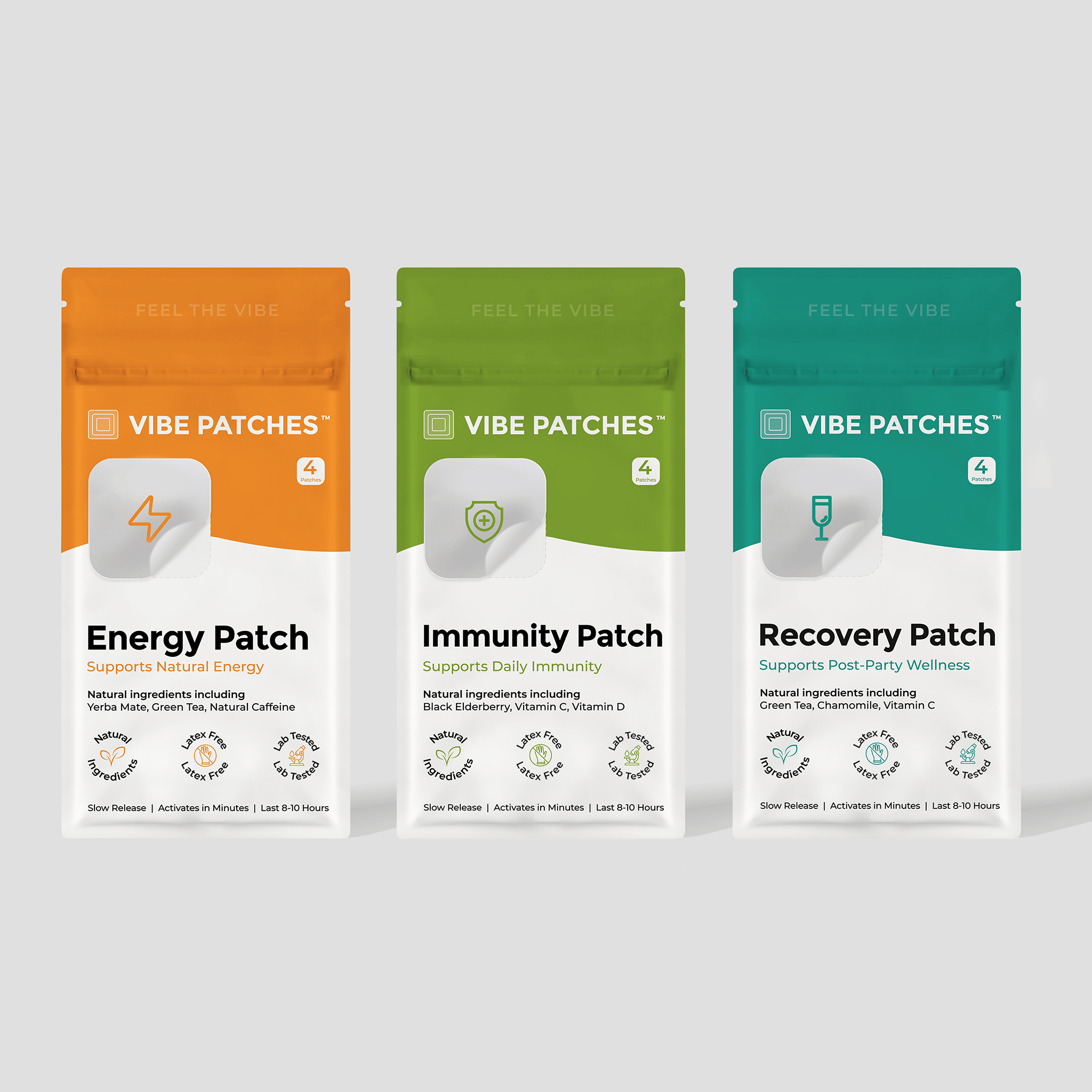
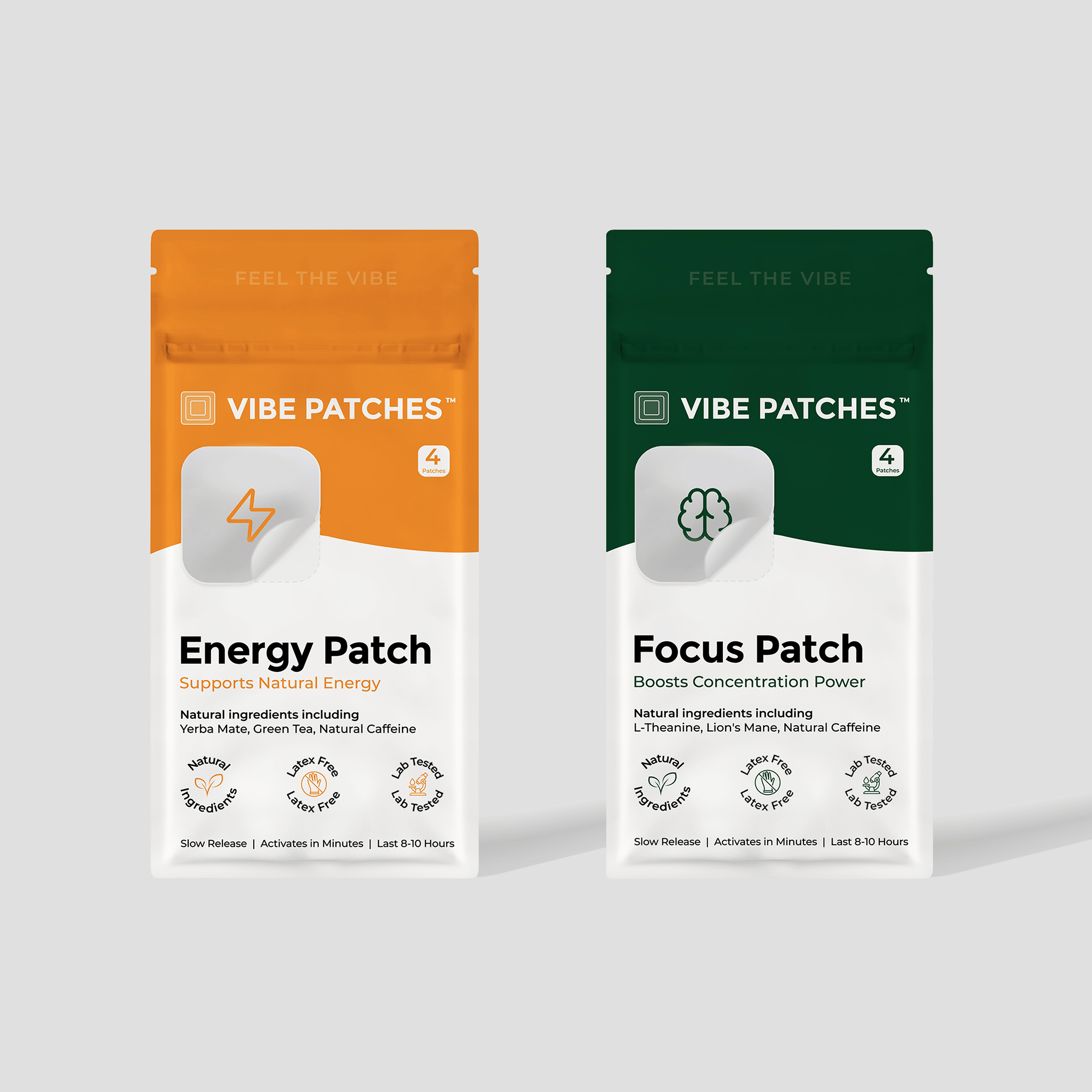
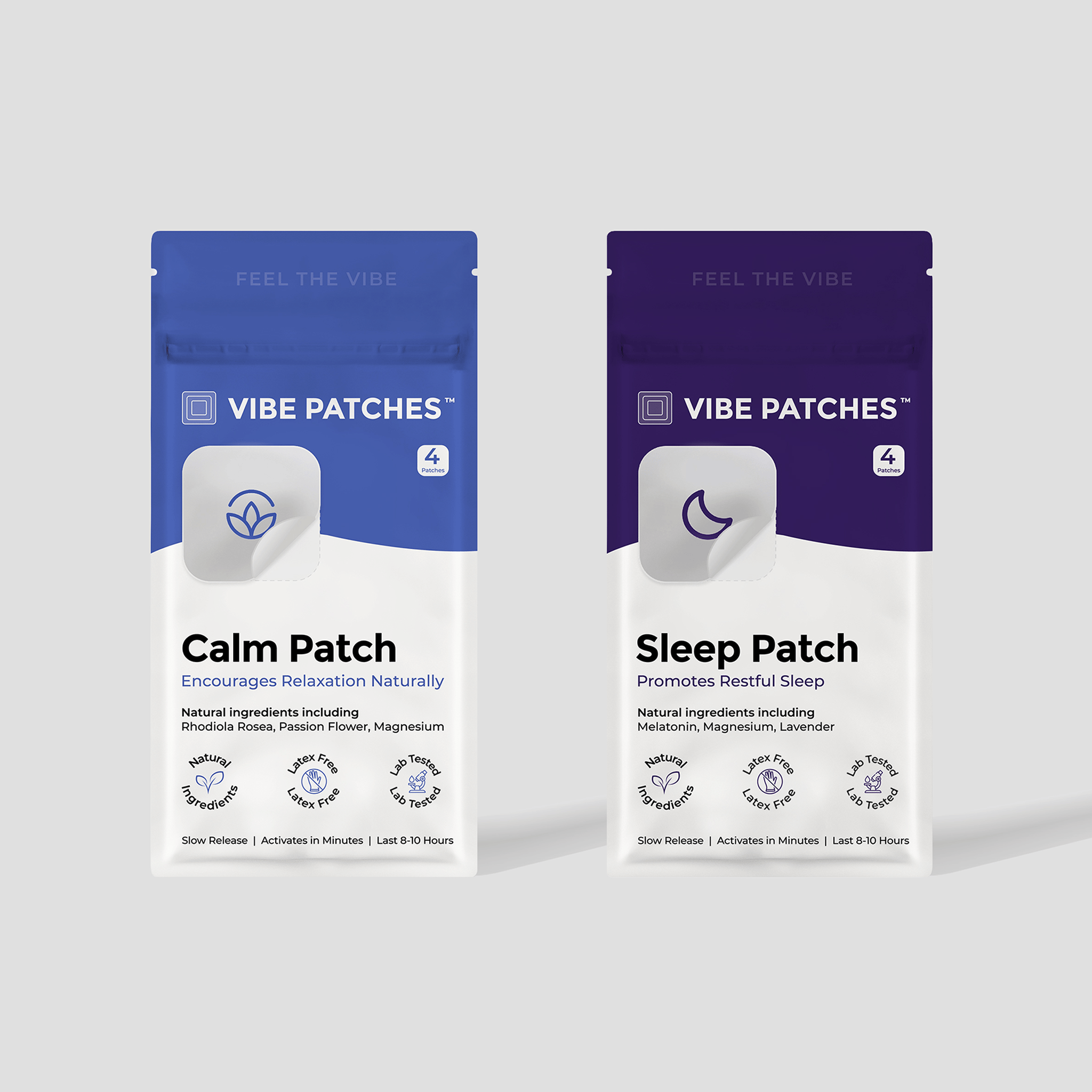
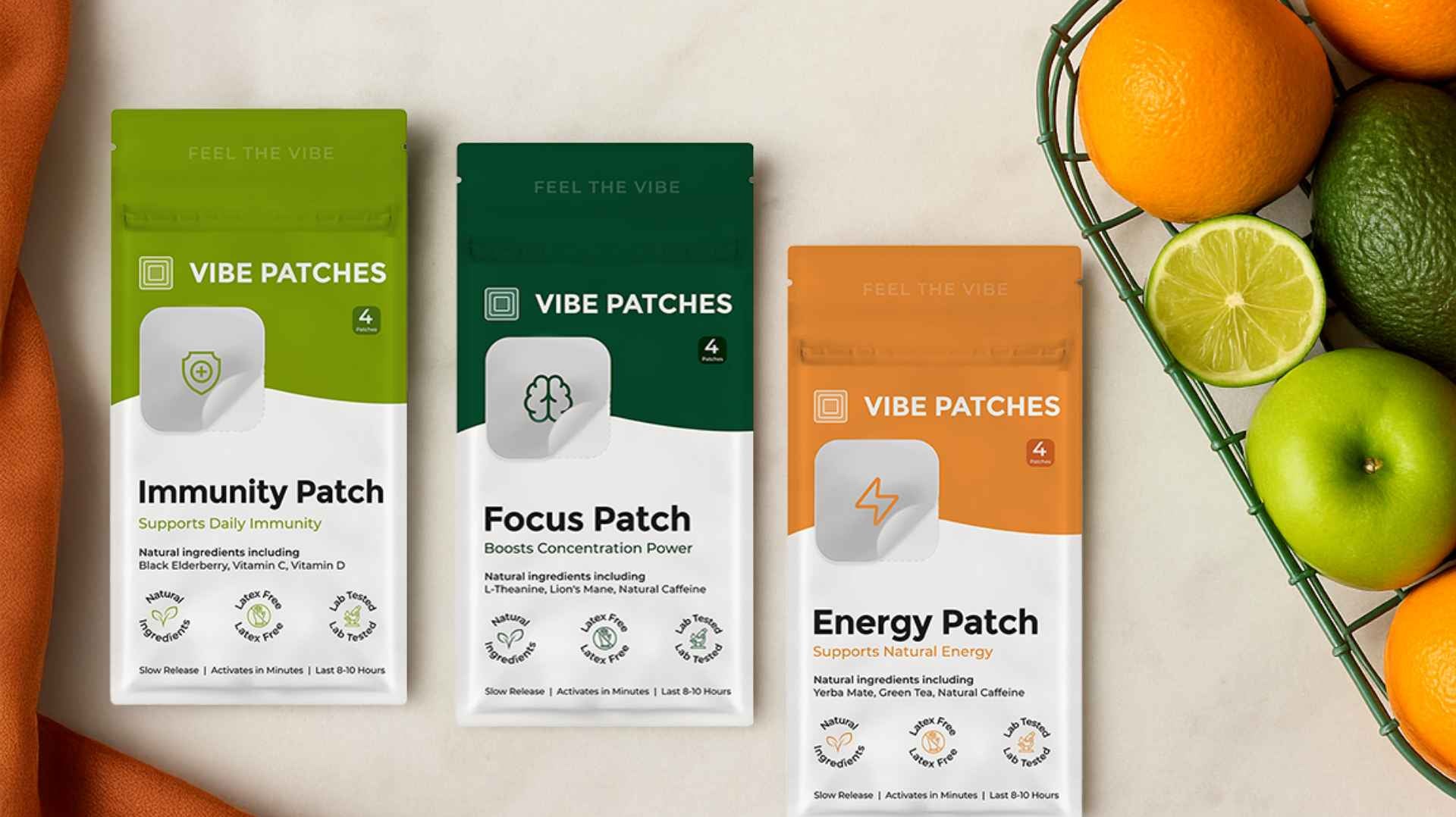
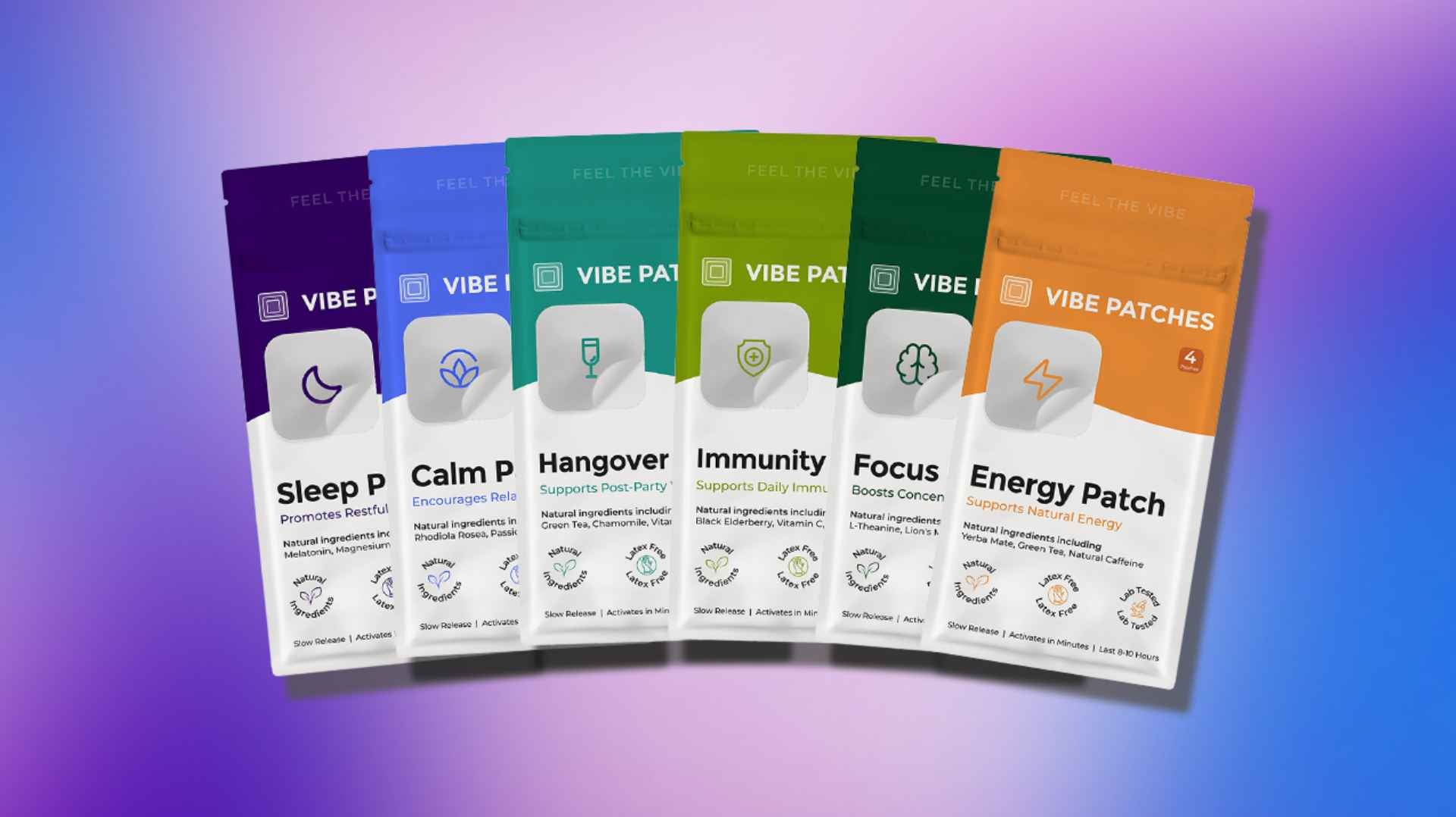
If you want steady, sustained support through demanding days, Vibe Patches uses transdermal technology to deliver nutrients directly through the skin. This bypasses the digestive system entirely for more consistent absorption throughout the day. The Focus Patch and Sleep Patch are popular options for people managing high-pressure schedules. No jitters, no crashes, no artificial spikes. Just smooth, steady support that works alongside the healthy habits you are already building. Explore the full range at the Vibe Patches collections page and find what fits your routine best.
Medical Disclaimer: This content is for informational purposes only and does not constitute medical advice. Always consult a healthcare provider for concerns about stress, anxiety, or mental health. If you are experiencing severe or persistent anxiety, panic attacks, or symptoms that interfere with daily life, seek immediate medical attention.
Sources:
American Psychological Association - Stress Effects on the Body
Frontiers in Human Neuroscience - The Effect of Slow Breathing on Affective Responses to Stress