
How to sleep fast in 5 minutes might sound impossible when you're tossing and turning at night. Yet several scientifically proven techniques can help you fall asleep remarkably quickly. These methods work by calming your nervous system and preparing your body for rest.
Many Australians struggle with falling asleep promptly despite feeling exhausted. The good news is that specific breathing patterns, muscle relaxation techniques, and mental strategies can dramatically reduce the time it takes to drift off.
The 4-7-8 Breathing Method
This powerful breathing technique serves as a natural tranquilliser for your nervous system. Dr. Andrew Weil developed this method based on ancient yogic practices. The pattern helps you fall asleep by slowing your heart rate and calming racing thoughts.
How to sleep fast in 5 minutes starts with mastering your breath. The 4-7-8 technique works by increasing oxygen in your bloodstream and releasing carbon dioxide. This gas exchange triggers your parasympathetic nervous system, which controls relaxation responses.
Step-by-Step Breathing Instructions
Follow these precise steps to activate your body's natural sleep response:
-
Place your tongue tip behind your upper front teeth
-
Exhale completely through your mouth making a whooshing sound
-
Close your mouth and inhale quietly through your nose for 4 counts
-
Hold your breath for 7 counts
-
Exhale completely through your mouth for 8 counts
-
Repeat this cycle four times minimum
The first few attempts might feel awkward or slightly uncomfortable. Your body needs time to adapt to this new breathing pattern. Most people notice significant improvements after practising for a few nights consistently.
Why This Breathing Pattern Works
The extended exhale activates your vagus nerve, which signals your body to relax. Holding your breath allows oxygen to spread throughout your bloodstream more effectively. This combination creates the perfect conditions for rapid sleep onset.
The counting aspect also distracts your mind from anxious thoughts. You focus on numbers rather than worrying about tomorrow's tasks. This mental shift proves crucial for people whose racing thoughts prevent sleep.
Progressive Muscle Relaxation Technique
This method involves systematically tensing and releasing different muscle groups throughout your body. Research shows progressive muscle relaxation significantly reduces the time needed to fall asleep.
How to sleep fast in 5 minutes becomes easier when you release physical tension. Many people hold stress in their muscles without realising it. This technique brings awareness to tension and actively releases it.
Quick Progressive Relaxation Sequence
Start at your feet and work upward through your body:
-
Curl your toes tightly for 5 seconds then release completely
-
Flex your calf muscles hard then let them go slack
-
Squeeze your thighs together then relax them entirely
-
Tense your buttocks firmly then release the tension
-
Pull your stomach muscles in tight then let go
-
Make fists with both hands then open them slowly
-
Shrug your shoulders to your ears then drop them down
-
Scrunch your facial muscles together then smooth them out
Each tension should last about 5 seconds before you release it. Focus on the contrast between tension and relaxation. Notice how different your muscles feel when you let the tightness go.
Combining Relaxation with Breathing
The most effective approach combines progressive muscle relaxation with controlled breathing. Tense each muscle group while inhaling slowly. Release the tension while exhaling completely. This combination amplifies the relaxation response significantly.
The Military Sleep Method
The US Navy developed this technique to help pilots fall asleep quickly in stressful situations. This method reportedly helps 96% of people fall asleep within two minutes after six weeks of practice.
How to sleep fast in 5 minutes relies heavily on systematic body and mind relaxation. This military method provides a structured approach that works even in challenging environments.
Military Method Steps
Follow this precise sequence for fastest results:
-
Relax all facial muscles including your tongue, jaw, and eye muscles
-
Drop your shoulders as low as possible to release neck tension
-
Let your arms hang loosely by your sides completely limp
-
Breathe slowly and deeply while relaxing your chest
-
Release all tension from your legs starting with thighs
-
Clear your mind by imagining peaceful scenes for 10 seconds
-
If thoughts intrude repeat "don't think" for 10 seconds
The visualisation component proves critical for this technique's effectiveness. Picture yourself lying in a canoe on a calm lake. Alternatively, imagine yourself in a black velvet hammock in a dark room.
Creating the Ideal Sleep Environment
Your bedroom environment dramatically impacts how quickly you fall asleep. Several factors either support or hinder rapid sleep onset.
Optimising Your Sleep Space
Temperature plays a crucial role in sleep quality and speed. Your body needs to cool down slightly to initiate sleep properly. Keep your bedroom between 15-19 degrees Celsius for optimal conditions.
Darkness signals your brain to produce melatonin, your natural sleep hormone. Block out all light sources including device indicators and streetlights. Consider blackout curtains or a comfortable sleep mask.
Remove all electronic devices from your bedroom at least 30 minutes before bed. The blue light from screens suppresses melatonin production and stimulates alertness. This interference makes falling asleep quickly nearly impossible.
Sound and Comfort Considerations
White noise or gentle nature sounds can mask disruptive environmental noises. These consistent sounds help your brain ignore sudden noises that might startle you awake.
Your mattress and pillow quality directly affect how quickly you fall asleep. Uncomfortable bedding creates physical tension that prevents relaxation. Invest in supportive, comfortable sleep surfaces that suit your preferred sleeping position.
Building Long-Term Sleep Success
While these techniques help you fall asleep quickly tonight, consistent sleep patterns produce even better results. Your body thrives on predictable routines that signal when sleep should occur.
Going to bed at the same time each night trains your circadian rhythm. Your body begins preparing for sleep before you even lie down. This preparation makes falling asleep faster and easier over time.
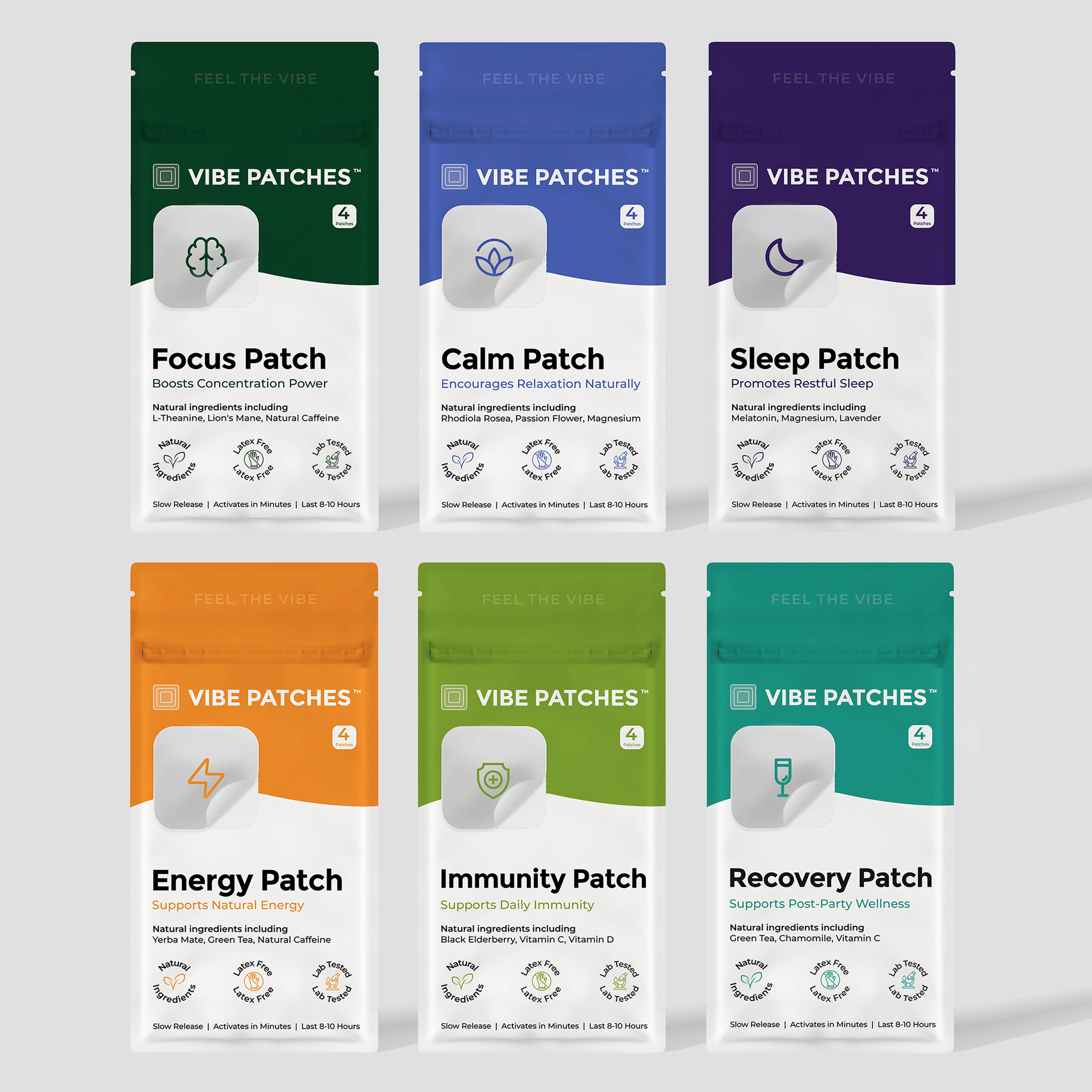
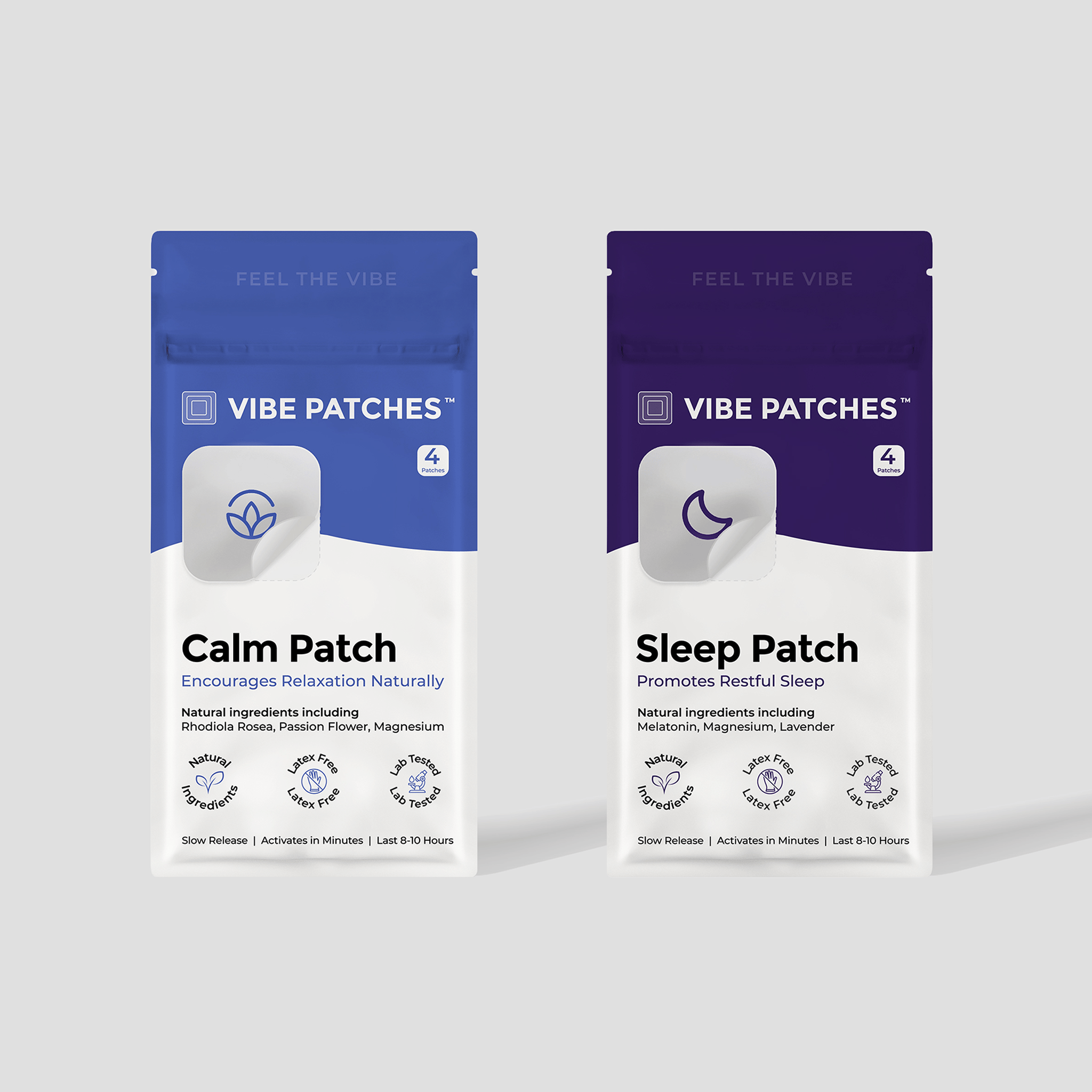
Vibe Patches supports your natural sleep patterns through innovative transdermal technology. The Sleep Patch delivers calming nutrients steadily throughout the evening. Unlike pills that overwhelm your system, patches provide gentle, sustained support that works with your body's natural rhythms.
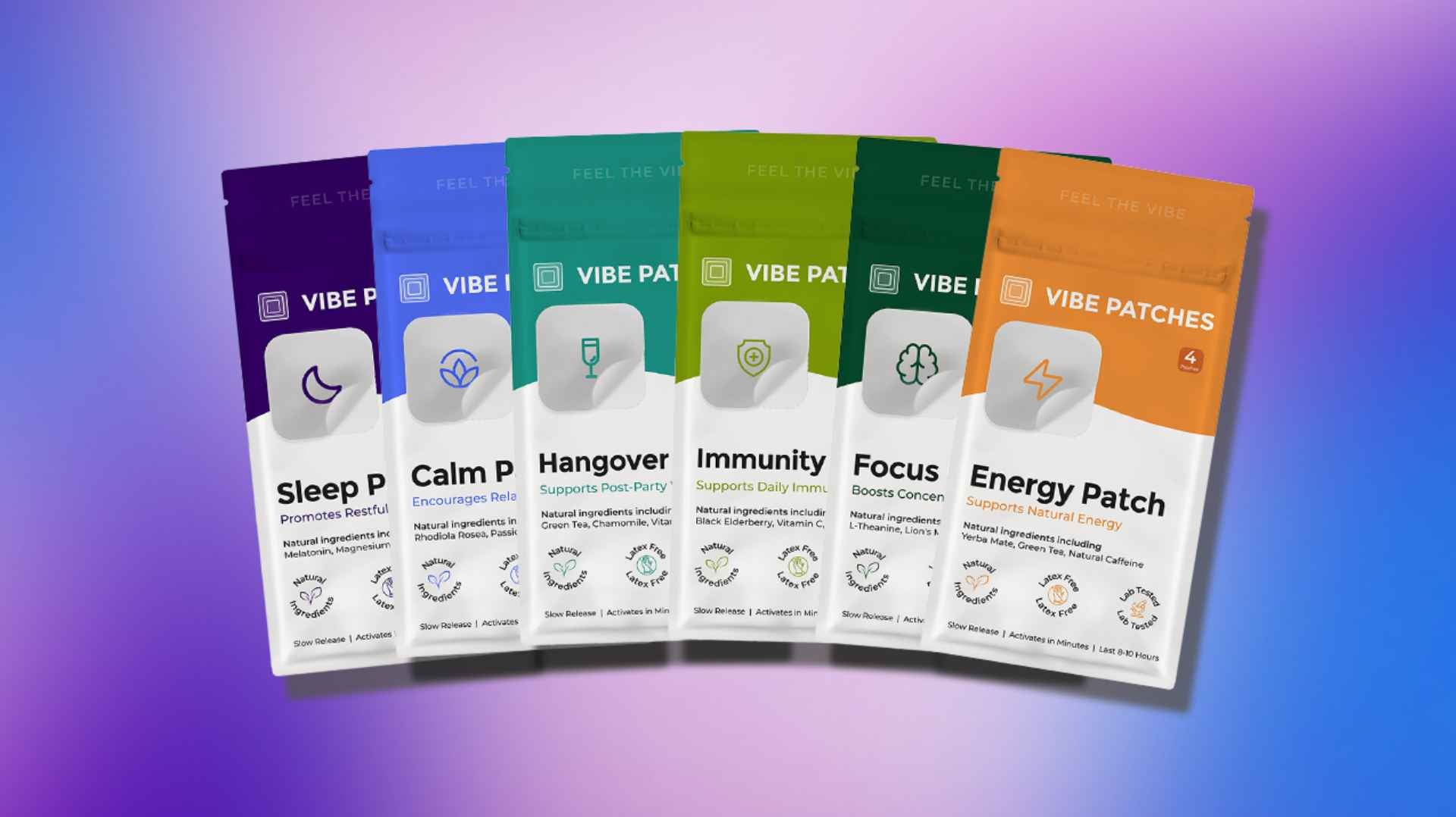
The transdermal delivery bypasses your digestive system entirely, allowing for better absorption. You experience consistent support without the grogginess that sleep aids often cause. For comprehensive wellness solutions, explore Vibe Patches collections to find products that complement your sleep routine perfectly.
Medical Disclaimer: This content is for informational purposes only and does not constitute medical advice. Always consult a healthcare provider for concerns about sleep disorders or chronic insomnia. If you have sleep apnoea, restless leg syndrome, or other diagnosed sleep conditions, discuss these techniques with your doctor before use. If you experience persistent difficulty sleeping for more than two weeks, chest pain during sleep, or severe daytime fatigue, seek immediate medical attention.
Sources:
Harvard Medical School - Learning Diaphragmatic Breathing
Sleep Foundation - Relaxation Exercises to Help Fall Asleep