
Falling asleep the moment your head hits the pillow sounds like a dream for anyone who lies awake overthinking for 45 minutes every night. The idea of how to sleep fast in 40 seconds has spread widely online, mostly tied to breathing techniques and military relaxation methods. Some of it is exaggerated, but the underlying science is real. This post explains what actually works, why it works, and how to use it tonight.
Can You Really Learn How to Sleep Fast in 40 Seconds
The honest answer is that 40 seconds is an optimistic claim for most people. Average sleep onset time for healthy adults is between 10 and 20 minutes. However, specific relaxation techniques can meaningfully reduce how long it takes you to fall asleep, particularly if stress, a busy mind, or physical tension are what keep you awake.
Why Falling Asleep Takes Time for Most People
Your brain does not switch off on demand. It transitions into sleep through a biological process that involves a drop in core body temperature, a rise in melatonin, and a gradual reduction in cortisol. When your nervous system is still in an activated, alert state, this transition slows down significantly.
The NIH links elevated evening cortisol directly to delayed sleep onset and reduced sleep quality. Stress, screen exposure, late caffeine, and irregular sleep timing all keep cortisol elevated at the wrong time. The techniques that help you fall asleep faster work by accelerating the transition out of that activated state.
What the 40-Second Claim Is Based On
The most widely cited version of how to sleep fast in 40 seconds comes from the 4-7-8 breathing technique, developed by Dr Andrew Weil and based on pranayama breathing practices. The method involves inhaling for 4 counts, holding for 7, and exhaling for 8. Proponents claim it can induce sleep onset within seconds with regular practice.
There is no peer-reviewed study confirming a 40-second sleep onset specifically. However, the physiological basis is sound. Slow, extended exhalations activate your parasympathetic nervous system and lower your heart rate, which genuinely supports faster sleep onset over time. It works better with consistent practice than on the first attempt.
Breathing and Relaxation Techniques to Fall Asleep Faster
Whether or not how to sleep fast in 40 seconds is a realistic goal for you, these techniques have real research support for reducing sleep onset time. Here are the most effective ones:
The 4-7-8 Breathing Method
Inhale quietly through your nose for 4 counts. Hold your breath for 7 counts. Exhale completely through your mouth for 8 counts. Repeat this cycle three to four times. The extended exhale is the key mechanism. It forces a longer parasympathetic activation and helps physically slow your heart rate and lower blood pressure. Most people find it takes a few nights of practice before it produces a noticeable effect.
Progressive Muscle Relaxation
This technique involves systematically tensing and releasing muscle groups from your feet upward to your face. You hold each muscle group tense for five seconds, then release and notice the contrast. Research published in the Journal of Advanced Nursing found that progressive muscle relaxation significantly reduced sleep onset time and improved overall sleep quality in people with insomnia. It works by releasing the physical tension that often accompanies an overactive mind at bedtime.
The Military Sleep Method
This technique originates from a method reportedly used to train US military personnel to fall asleep within two minutes in difficult conditions. It combines physical relaxation of the face, shoulders, hands, and legs with a mental visualisation of a calm, still environment. You focus on relaxing each body part deliberately and then clear your mind by holding a single peaceful image. The combination of physical release and mental redirection mirrors what effective sleep therapy techniques target.
What Else Helps You Fall Asleep Faster
Breathing techniques work better when your baseline conditions support sleep. Here are the environmental and behavioural factors that have the strongest evidence for reducing sleep onset time:
-
Keep your room cool. Your core body temperature needs to drop to initiate sleep. A room temperature between 16 and 19 degrees Celsius supports this process.
-
Reduce light exposure before bed. Blue light from screens suppresses melatonin production and delays sleep onset. Dim your environment for at least 30 minutes before bed.
-
Avoid caffeine after midday. Caffeine has a half-life of five to six hours and measurably reduces slow-wave sleep depth even when consumed in the early afternoon.
-
Write down tomorrow's tasks before bed. Research from Baylor University found that writing a to-do list before sleep significantly reduced sleep onset time by offloading cognitive preoccupation onto paper.
-
Keep a consistent bedtime. Your circadian rhythm responds to regularity. A consistent sleep and wake time anchors your body's internal cues and makes falling asleep at your intended time easier over days and weeks.
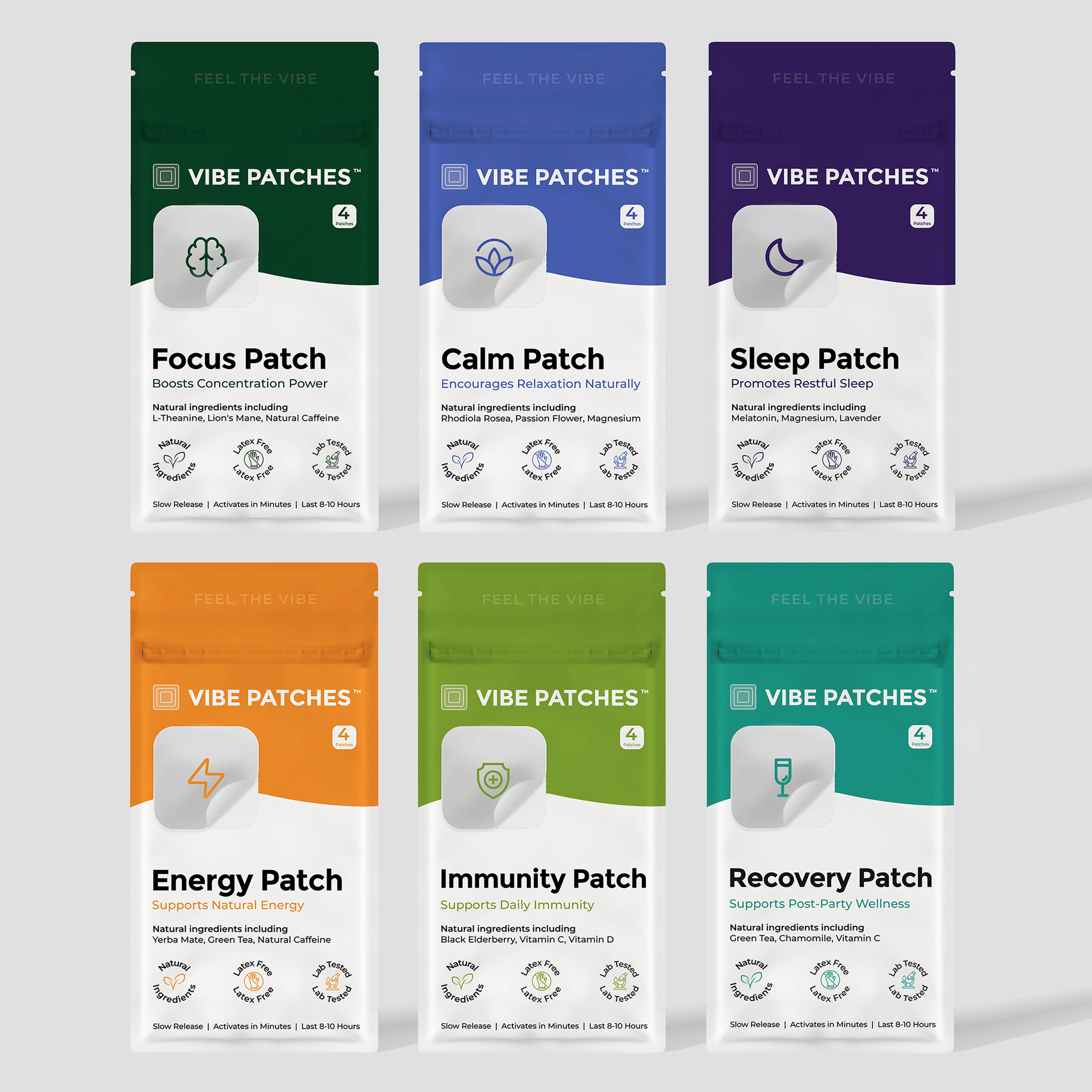
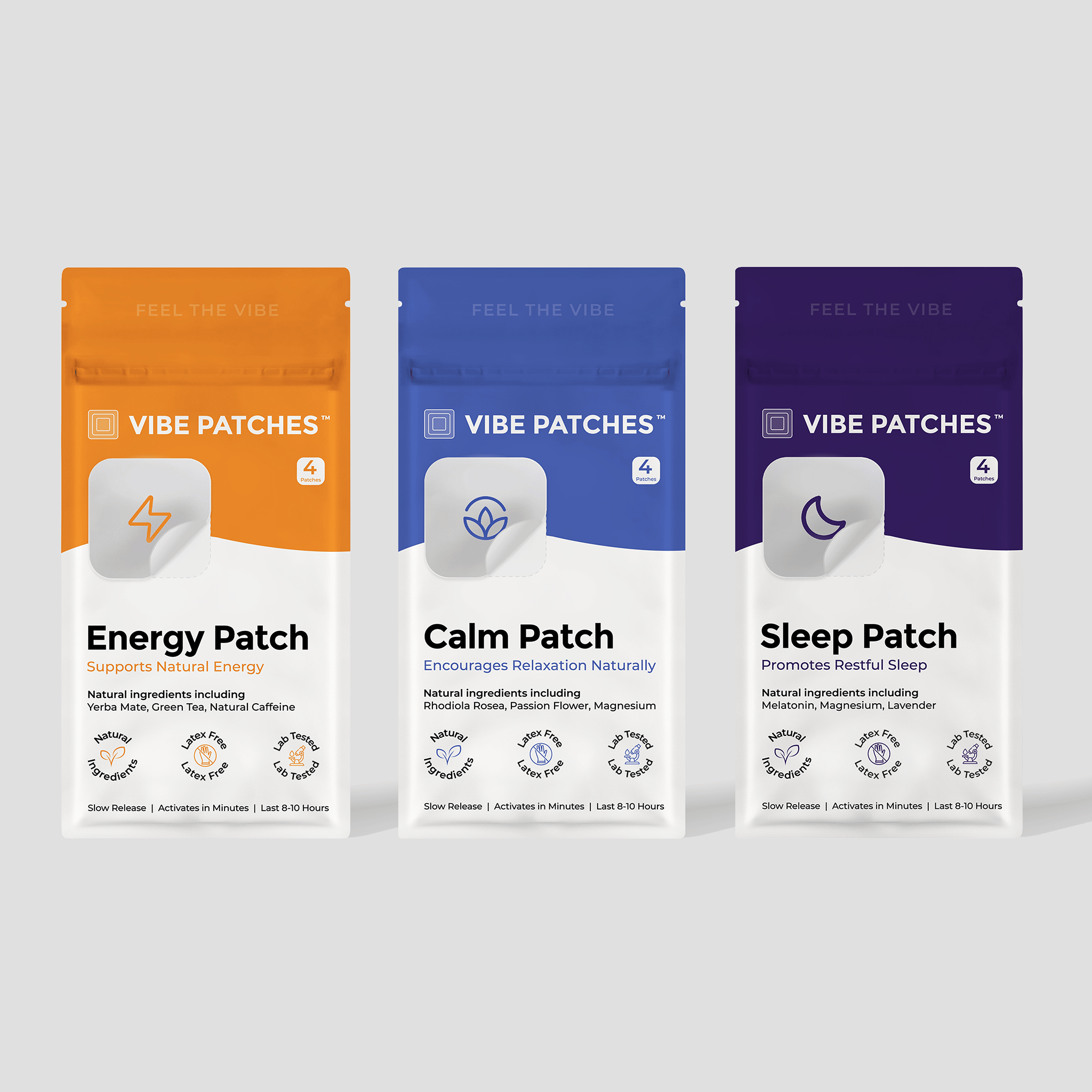
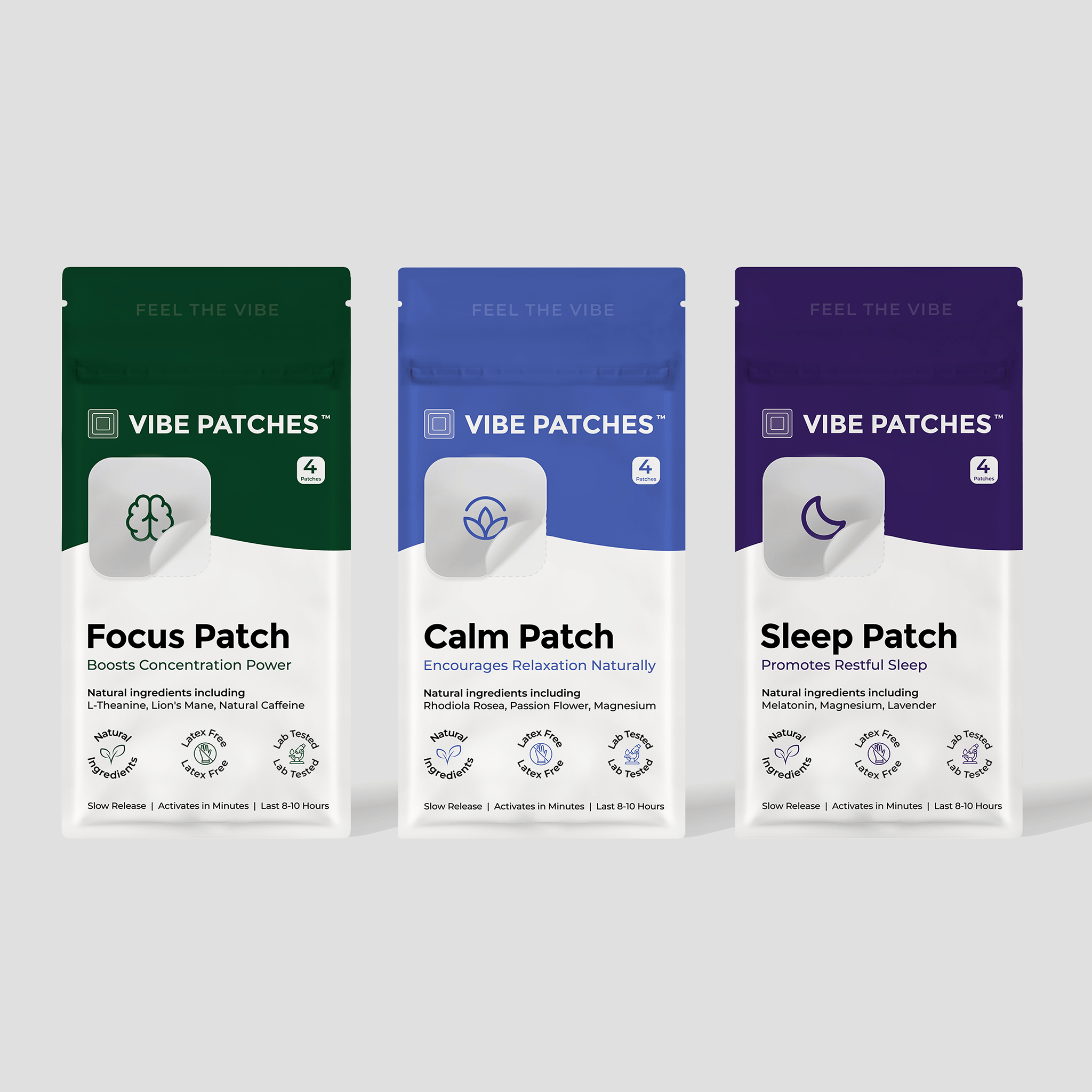
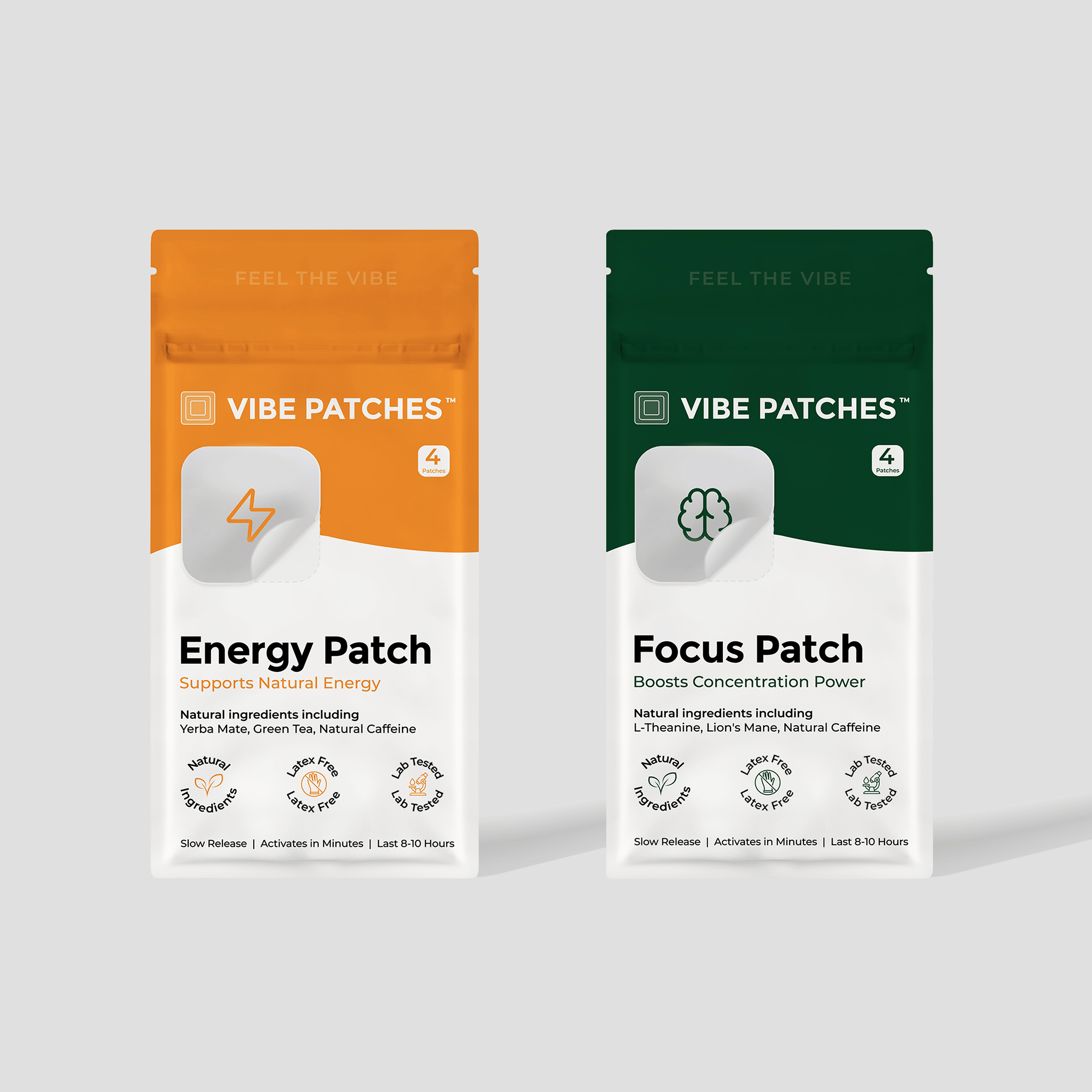
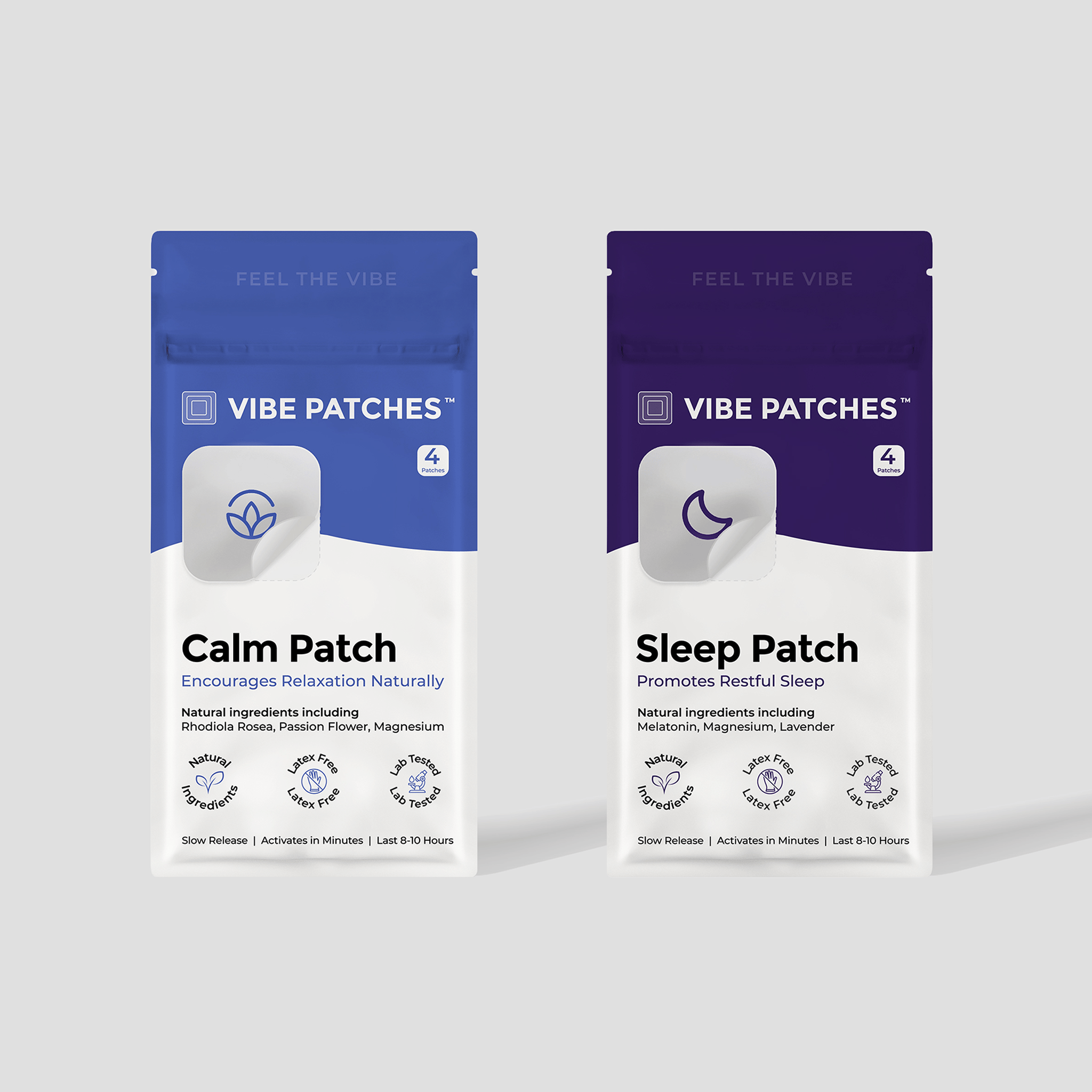
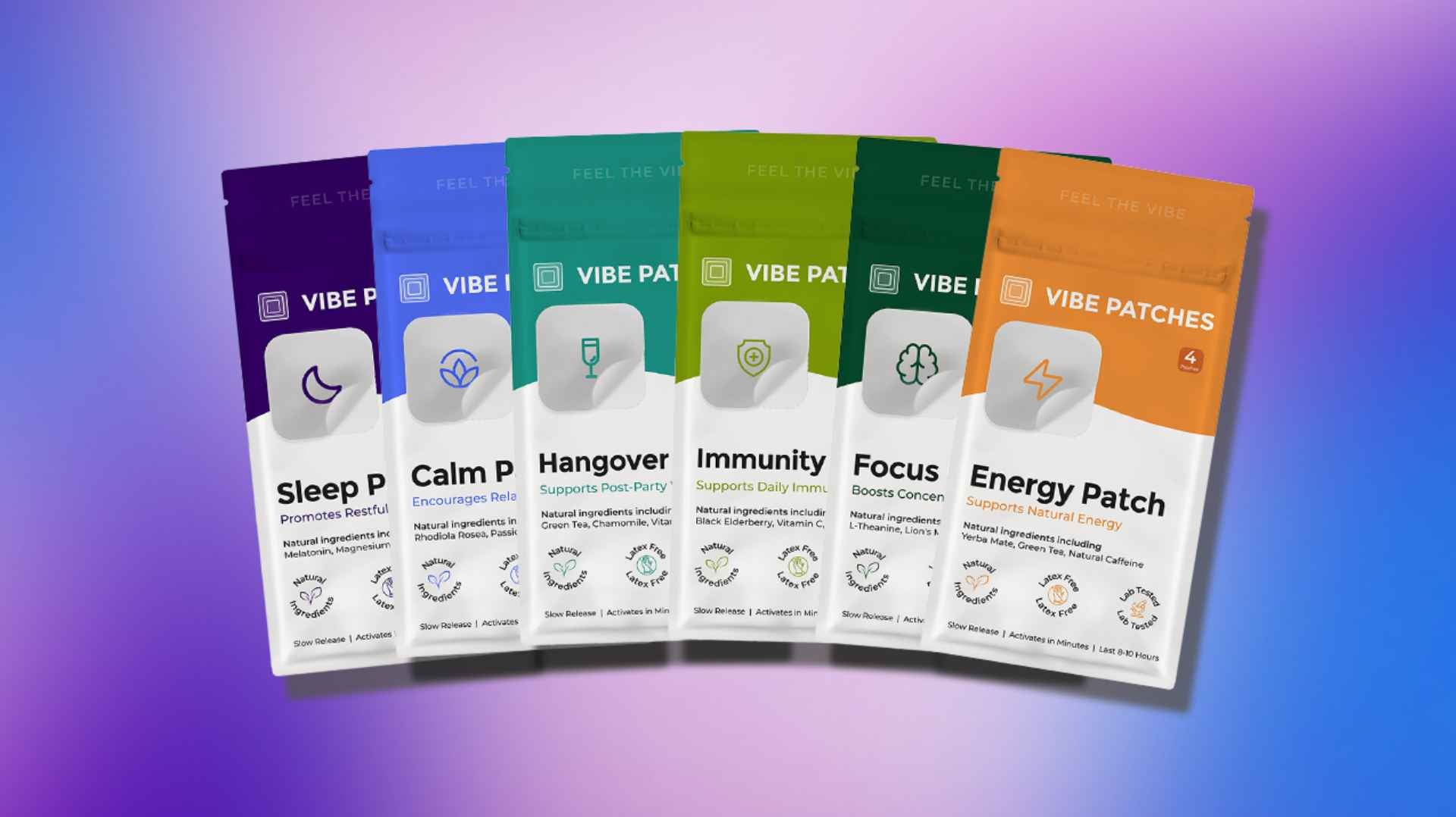
If a busy mind or stress is consistently delaying your sleep, the Sleep Patch from Vibe Patches delivers sleep-supporting nutrients gradually through the skin throughout the night. Transdermal delivery bypasses digestion entirely for steady, sustained absorption while you rest.
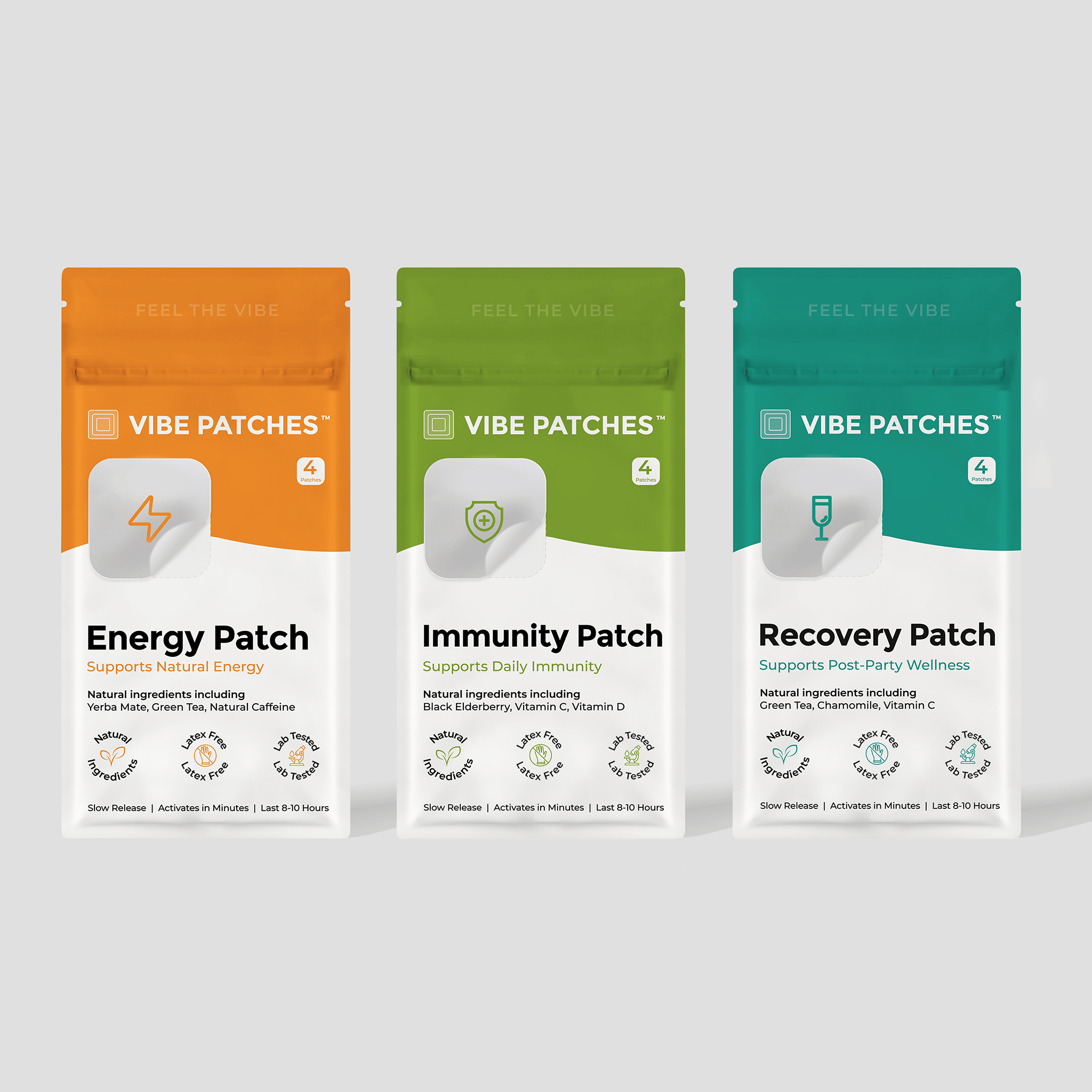
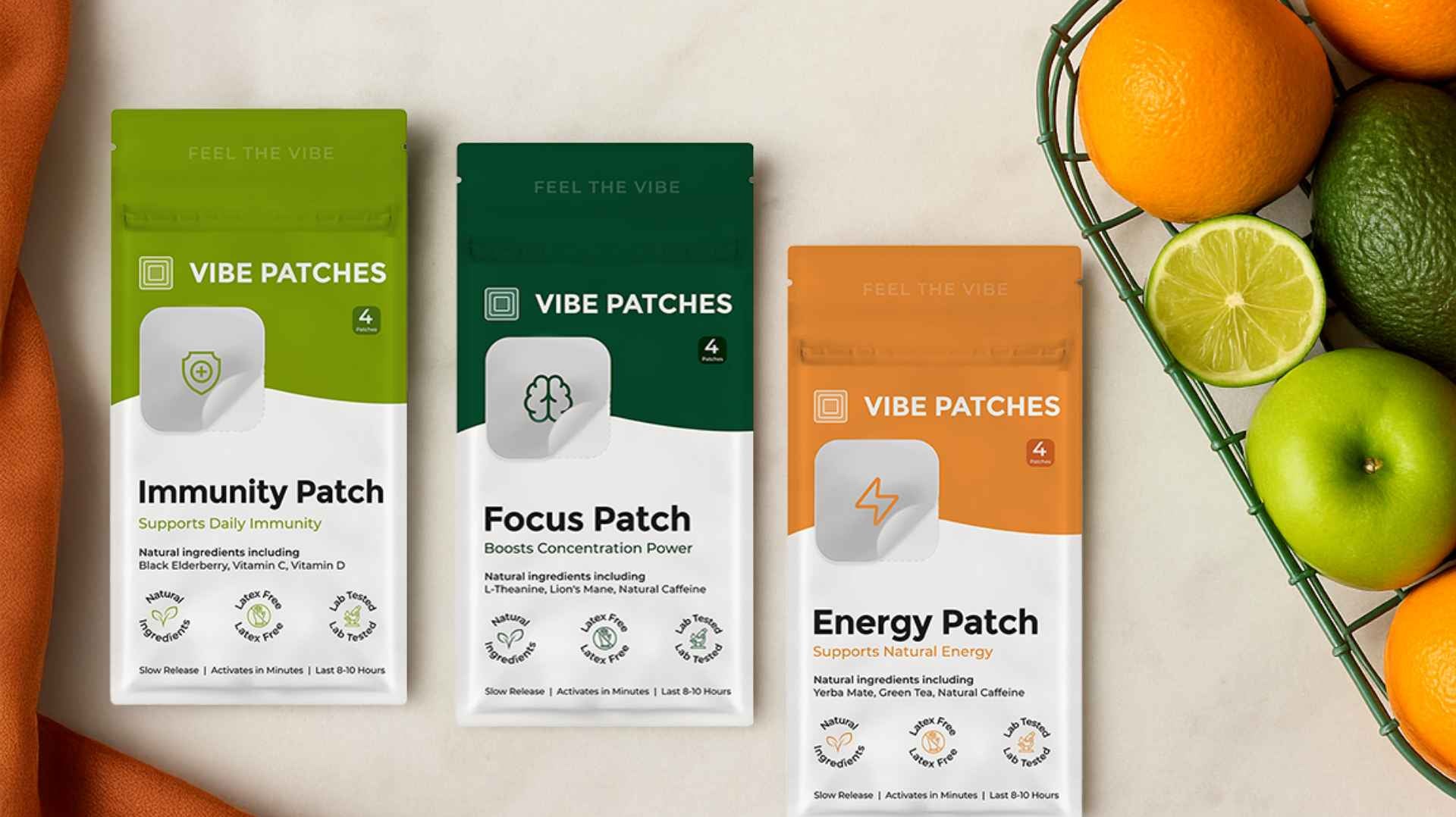
Poor sleep carries over into the next day in real ways. If low energy is affecting your focus and productivity after a rough night, the Focus Patch from Vibe Patches provides steady cognitive support through the skin without the jitteriness of extra caffeine. And when your energy is simply depleted from broken or insufficient sleep, the Energy Patch from Vibe Patches delivers gradual, sustained energy through transdermal delivery with no spike or crash.
After nights disrupted by alcohol or late social events, the Hangover Patch from Vibe Patches supports overnight recovery so your body replenishes key nutrients while you sleep and you wake feeling more restored.
If you are ready to support your sleep from the inside out, Vibe Patches delivers key nutrients directly through your skin for consistent, gradual support through the night. No pills, no powders, no guesswork. Browse the full range at the Vibe Patches collections page and find what your sleep routine is missing.
Medical Disclaimer: This content is for informational purposes only and does not constitute medical advice. Always consult a healthcare provider for concerns about insomnia, chronic sleep difficulties, or sleep disorders. If you experience persistent difficulty falling or staying asleep, excessive daytime fatigue, or symptoms that interfere with daily functioning, seek professional medical advice promptly.
Sources:
National Institutes of Health - Cortisol, Stress and Sleep Onset
Journal of Advanced Nursing - Progressive Muscle Relaxation and Sleep Quality