
You lie down, close your eyes, and nothing happens. Your mind races. The clock ticks. An hour passes and you're still awake. Most people who search how to go to sleep fast aren't dealing with a medical condition. They're dealing with habits, environment, and a nervous system that hasn't switched off. The good news is that most of this is fixable, and faster than you'd think.
Why Falling Asleep Takes Longer Than It Should
Healthy adults typically take 10 to 20 minutes to fall asleep. That's the normal range. Less than five minutes can actually signal sleep deprivation, not efficiency. The problem isn't usually that sleep is hard. It's that the conditions for sleep are off. Your environment, habits, and mental state all influence how quickly your body shifts into rest mode.
The biggest culprit for most people is an overstimulated nervous system. Stress, screens, caffeine, and late-night eating all keep your body in an activated state well past bedtime. Your brain doesn't know it's supposed to wind down. So it doesn't.
How to Go to Sleep Fast: Fix Your Environment First
The bedroom environment is the fastest lever most people ignore. Your surroundings send constant signals to your nervous system. The wrong signals keep you awake. Getting the environment right is often the fastest path to how to go to sleep fast.
Temperature and Light
Your core body temperature drops naturally as sleep approaches. A cool room supports that shift. According to Cleveland Clinic, the optimal sleep temperature is between 60 and 67 degrees Fahrenheit. Too warm and your body fights it.
Lighting matters just as much. Bright light, especially blue light from screens, suppresses melatonin production. Your brain reads light as a signal to stay awake. Dim the lights an hour before bed. Use warm bulbs in the evening. Keep the bedroom as dark as possible once you're in bed.
Sound and Screens
Unpredictable noise keeps your brain alert even when you're trying to sleep. White noise or soft ambient sound masks sudden changes in the environment. It doesn't need to be loud. Even a quiet fan works.
Screens deserve their own category. It's not just the light. The content itself stimulates your brain. Social media, news, and videos all create emotional responses that activate your nervous system. Set a hard cutoff at least 45 minutes before bed. Put the phone in another room if you can.
Breathing and Relaxation Techniques That Help
Your breathing rate is directly linked to your nervous system state. Slowing it down manually shifts your body toward rest. This is one of the more reliable ways to feel drowsy faster, and it takes no equipment.
A few techniques worth trying:
-
4-7-8 breathing: Inhale for 4 counts, hold for 7, exhale slowly for 8. Repeat four times. The extended exhale activates your parasympathetic nervous system.
-
Progressive muscle relaxation: Tense each muscle group from feet upward, hold a few seconds, then release. It sheds physical tension you didn't know you were carrying.
-
Box breathing: Inhale for 4 counts, hold for 4, exhale for 4, hold again for 4. It's slower than you think, and that's the point.
-
Body scan: Lie still and move your attention slowly from feet to head. Notice any tension you find without trying to force change.
The Sleep Foundation confirms that relaxation techniques reduce sleep onset time. Consistency matters more than which specific technique you pick.
How to Go to Sleep Fast by Changing Pre-Sleep Habits
The two to three hours before bed set the stage for how fast you fall asleep. People who consistently learn how to go to sleep fast tend to treat that window seriously.
These habits make a real difference:
-
Avoid caffeine after 2pm. It has a half-life of about five hours and stays active longer than most people expect.
-
Skip intense exercise within two hours of bed. Movement helps sleep, but timing it wrong has the opposite effect.
-
Eat dinner at least two to three hours before sleep. Digestion generates heat and keeps your body working when it should be winding down.
-
Write a to-do list before bed. Research shows writing tomorrow's tasks on paper helps your brain let go for the night.
-
Keep a consistent sleep schedule, even on weekends. Your circadian rhythm responds well to routine.
Small adjustments here compound quickly. Two or three of these together can cut your time to fall asleep noticeably.
How to Go to Sleep Fast When Your Mind Won't Quit
Racing thoughts are one of the main reasons people can't fall asleep, even when they're genuinely tired. Knowing how to go to sleep fast in this state requires a slightly different approach.
Don't fight the thoughts. Trying to force your mind blank tends to backfire. Instead, try redirecting it. Guided imagery works well here. Picture a calm, familiar place in detail. Focus on the sounds, the temperature, the textures. Your brain shifts from problem-solving mode to sensory mode.
Journaling is another option that surprises people. Spending five to ten minutes writing down what's on your mind offloads it. You're not solving the problem. You're just moving it out of active memory so your brain stops circling back to it.
According to Healthline, a 2002 Oxford study found imagery distraction helped people fall asleep noticeably faster. Simple, but effective.
Better Sleep with Support from Vibepatches
How to go to sleep fast comes down to three things. Your environment, your habits, and your nervous system. Most people focus on just one. Working on all three together makes the biggest shift.
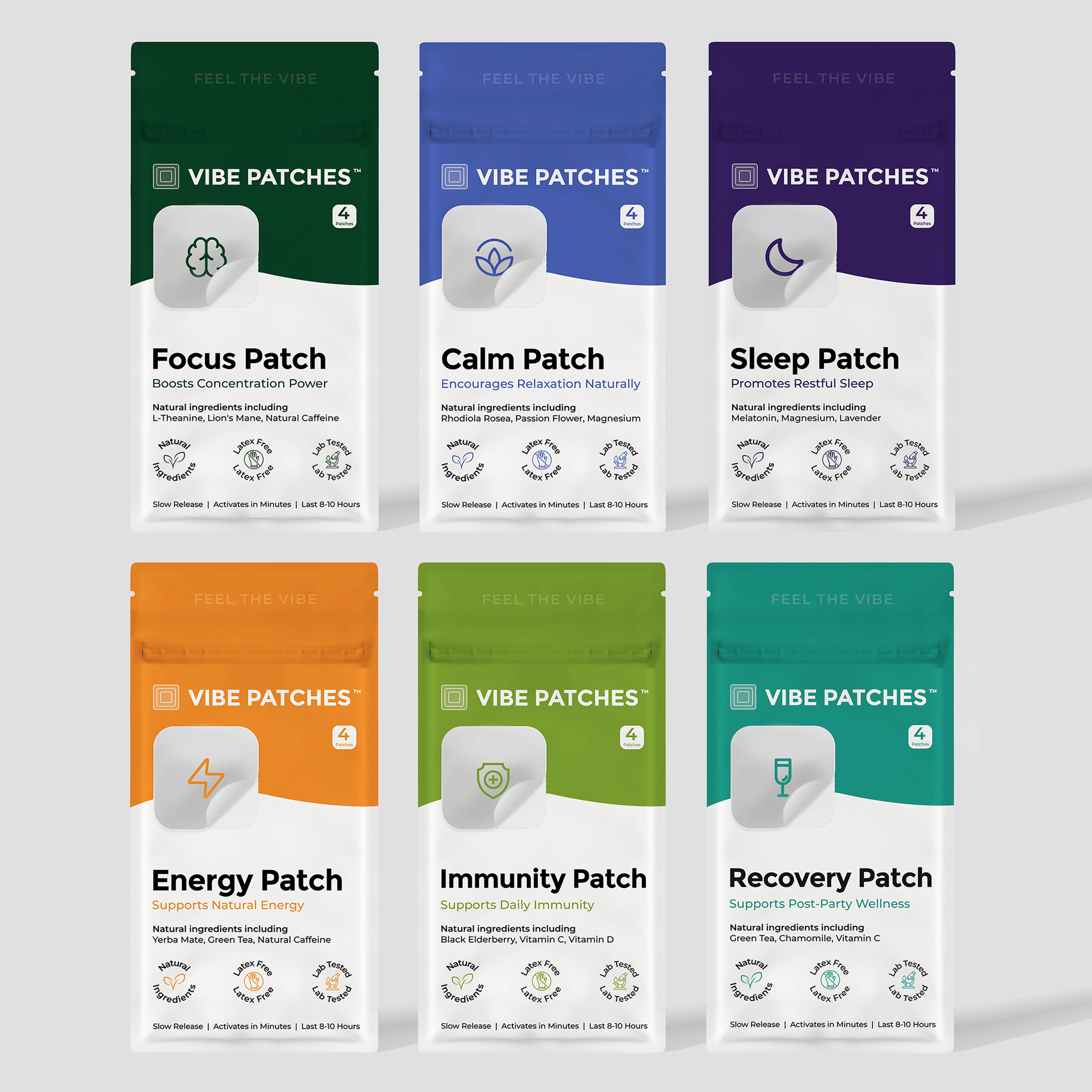
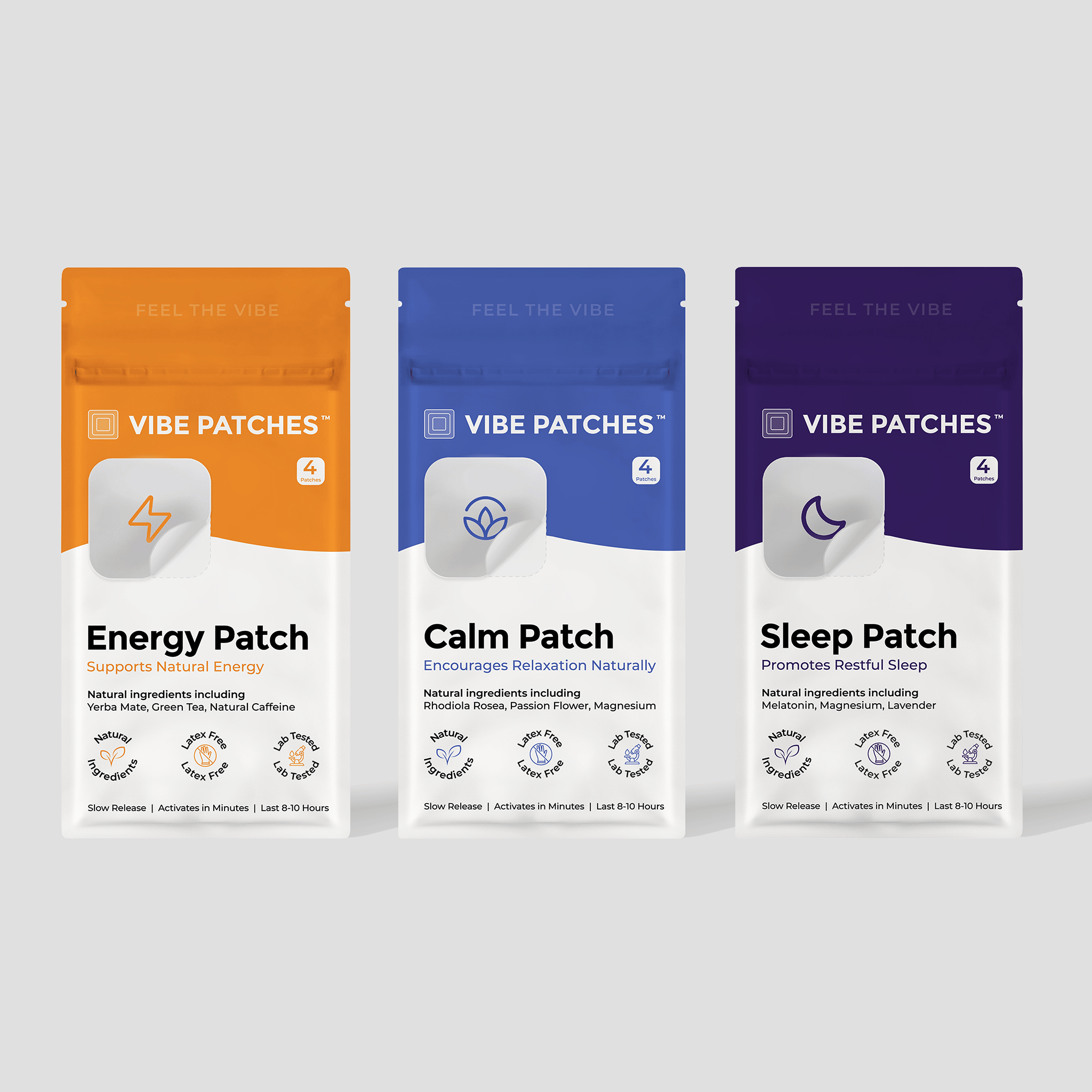
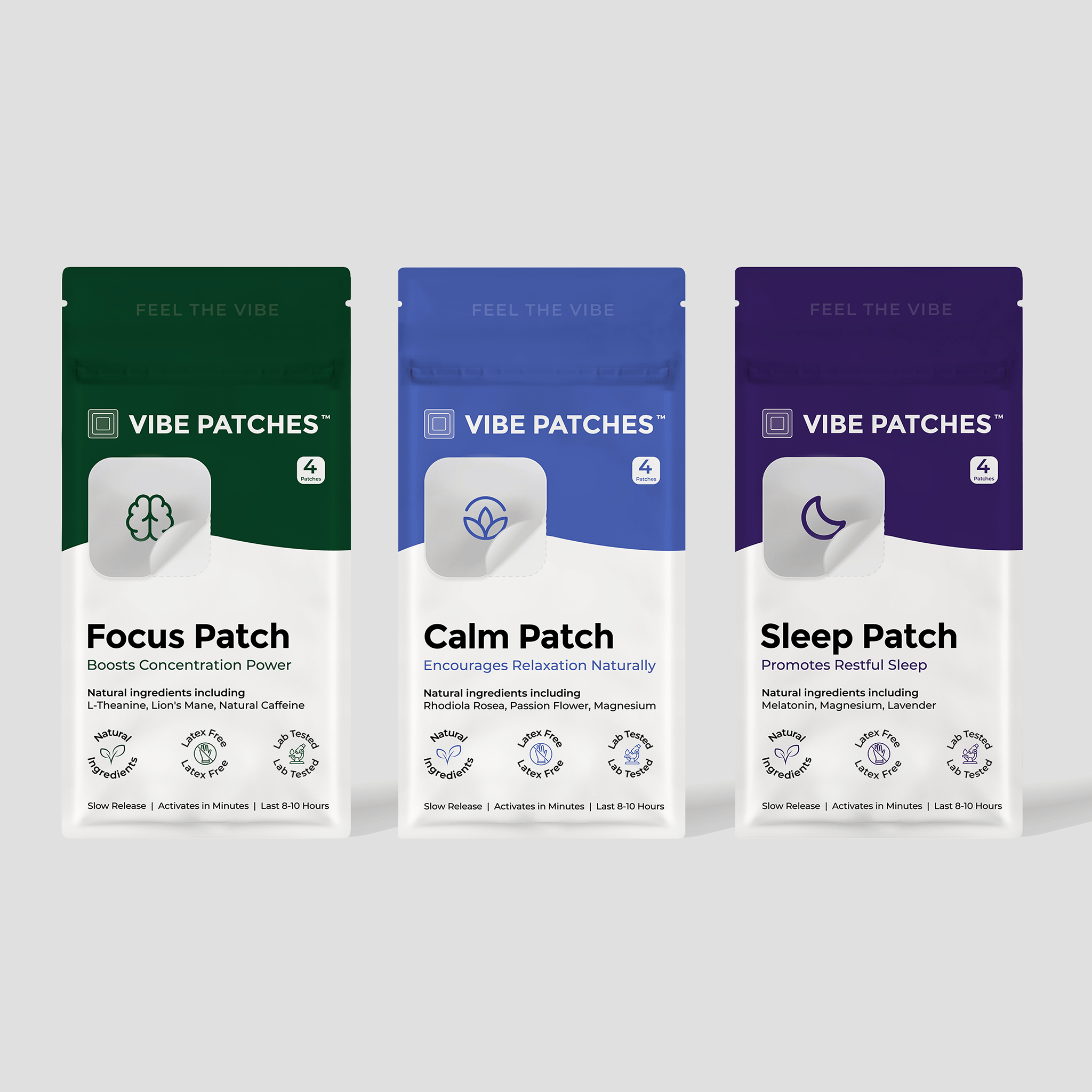
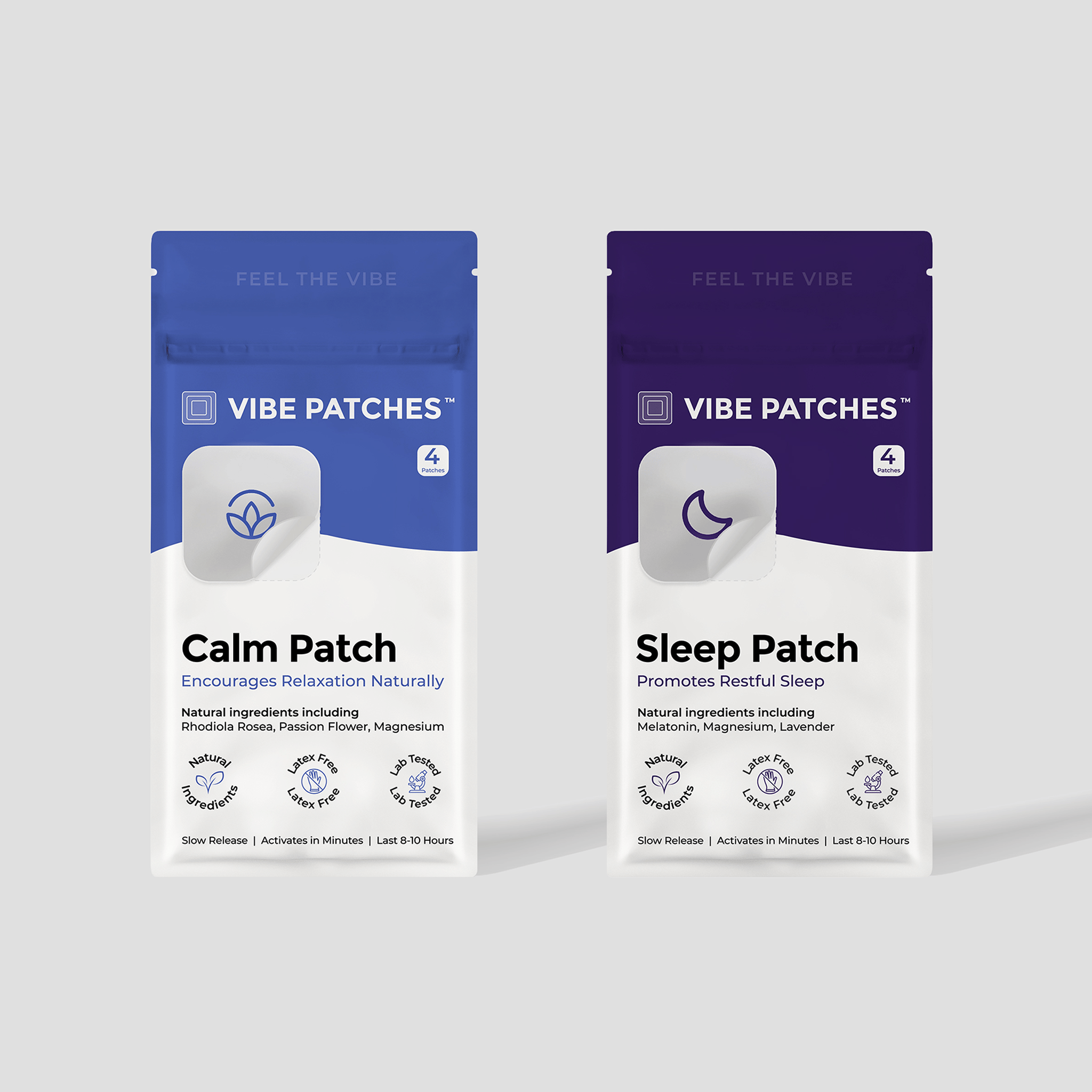
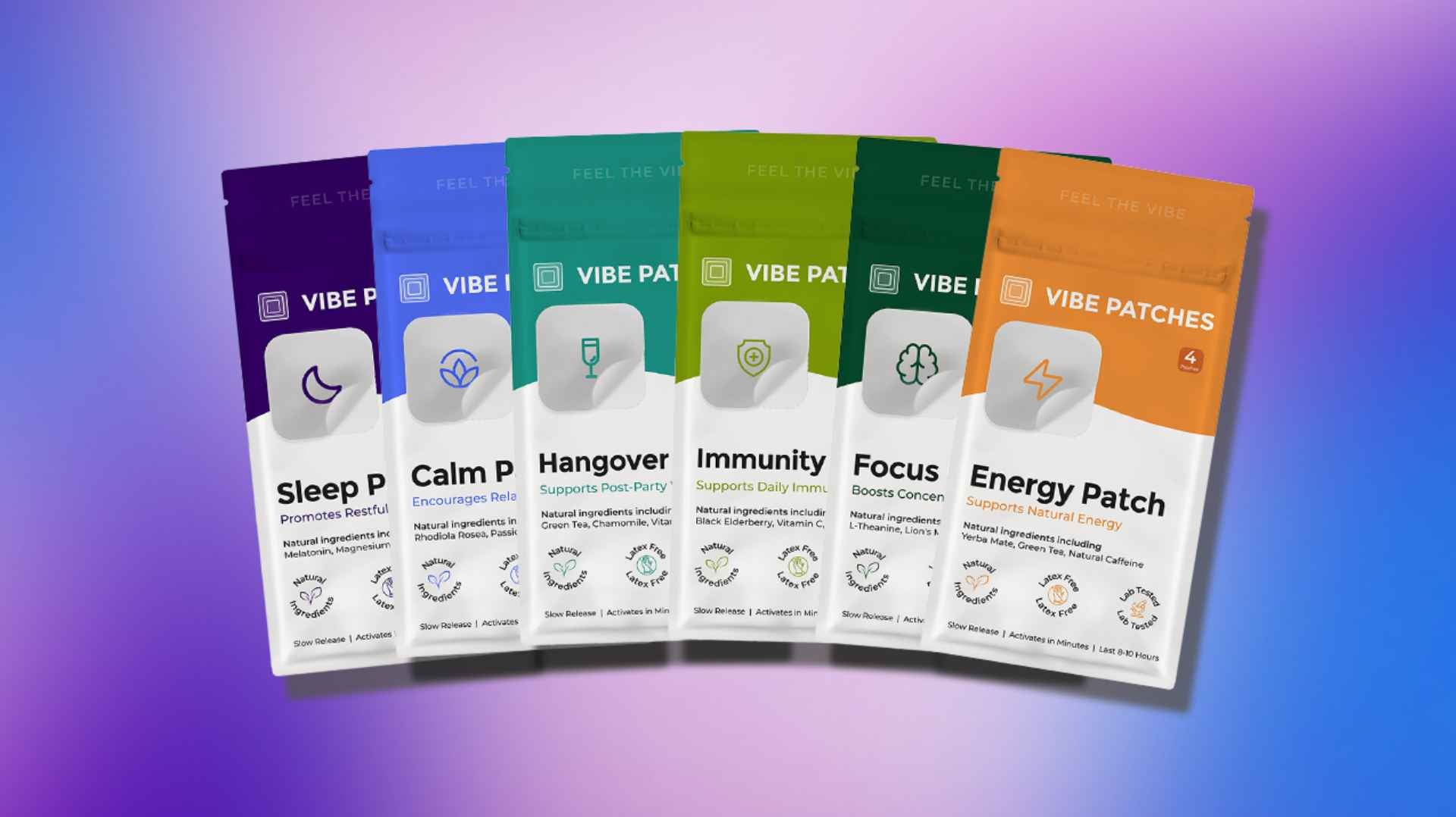
Vibepatches created the Sleep Patch for people who want steady, natural sleep support without pills or timing issues. The patch delivers calming ingredients through your skin throughout the night. No digestion required. No mid-night doses. It works in the background while you focus on the habits that matter.
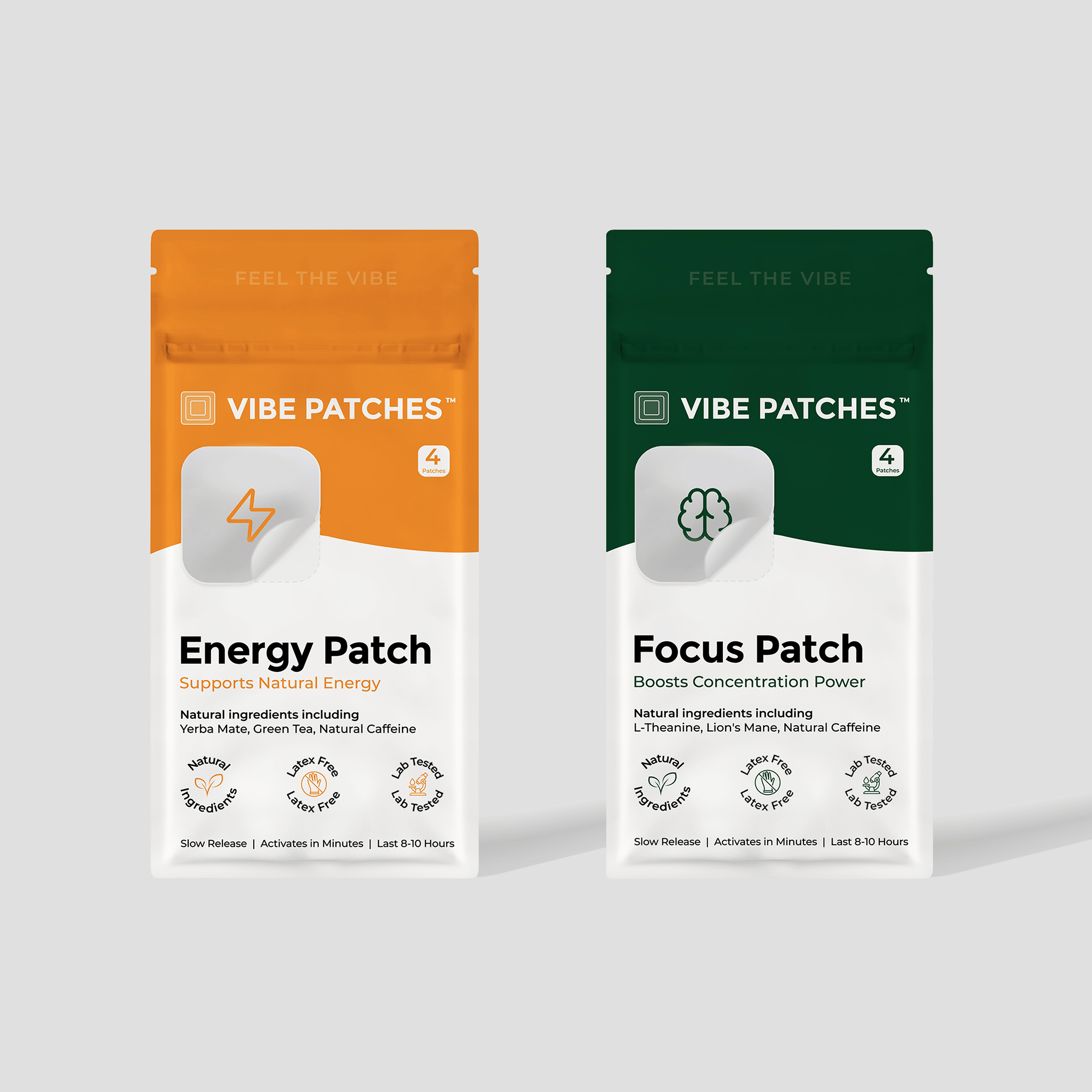
When sleep issues affect your days too, the Energy Patch supports your vitality through the afternoon slump. The Focus Patch helps your concentration hold up when a rough night follows you into the next day.
Stop staring at the ceiling. Explore the full collection and build a sleep routine that works. Start with the Sleep Patch and give your nights a proper foundation.
Medical Disclaimer: This content is for informational purposes only and does not constitute medical advice. Consult a qualified healthcare provider if you experience persistent insomnia or sleep difficulties. Chronic sleep problems may indicate an underlying condition requiring professional evaluation.
Sources:
Cleveland Clinic - Ideal Sleeping Temperature
Sleep Foundation - Relaxation Exercises to Help Fall Asleep