
How much deep sleep do you need to wake feeling truly rested and restored? Adults typically require 1-2 hours of deep sleep per night, representing roughly 13-23% of total sleep time. This critical sleep stage performs essential physical restoration that no other sleep phase can replicate.
Deep sleep serves as your body's primary physical recovery period. Your muscles repair, tissues regenerate, and your immune system strengthens during these precious hours. Understanding deep sleep requirements helps you optimise your rest for better health and performance.
The Science of Deep Sleep Stages
Sleep cycles through distinct stages multiple times each night. Each stage serves specific biological functions that contribute to your overall health and wellbeing.
Your sleep architecture includes light sleep, deep sleep, and REM sleep in repeating cycles. Deep sleep, also called slow-wave sleep or stage 3 sleep, occurs primarily during the first half of the night. Your brain waves slow dramatically during this phase, showing the characteristic delta waves that give this stage its scientific name.
How much deep sleep do you need depends partly on your age and individual physiology. Younger adults typically experience more deep sleep than older adults. However, quality matters as much as quantity when assessing your deep sleep adequacy.
What Happens During Deep Sleep
Your body performs critical maintenance tasks during deep sleep that cannot occur during waking hours. Blood flow increases to your muscles, delivering oxygen and nutrients needed for repair. Your pituitary gland releases growth hormone, which stimulates tissue growth and muscle repair.
Key processes occurring during deep sleep include:
-
Cellular repair and tissue regeneration throughout your body
-
Immune system strengthening and antibody production
-
Memory consolidation from short-term to long-term storage
-
Toxin removal from brain tissue through glymphatic system
-
Energy restoration and glucose metabolism regulation
Your brain also consolidates learned information during deep sleep. The neural connections that formed during the day strengthen and reorganise. This process explains why adequate deep sleep proves essential for learning and memory formation.
Brain Wave Patterns and Sleep Depth
Scientists measure sleep stages using electroencephalography (EEG) to track brain wave activity. Deep sleep shows delta waves with frequencies between 0.5-2 Hz. These slow, high-amplitude waves differ dramatically from the faster waves of lighter sleep stages.
The depth of your sleep relates directly to how difficult arousal becomes. During deep sleep, your body shows minimal response to external stimuli. Loud noises or physical contact might not wake you during peak deep sleep phases.
Factors Affecting Deep Sleep Duration
Multiple variables influence how much deep sleep you achieve nightly. Some factors you can control while others relate to age and genetics.
Age-Related Changes in Sleep Architecture
How much deep sleep do you need shifts throughout your lifespan. Infants and young children spend significantly more time in deep sleep than adults. This extended deep sleep supports rapid physical and neurological development.
Deep sleep duration naturally decreases as you age:
-
Young adults (18-25): Approximately 20-25% of total sleep
-
Adults (26-64): Roughly 15-20% of total sleep time
-
Older adults (65+): Often only 10-15% of total sleep
This reduction doesn't necessarily indicate poor sleep quality. Your body's repair needs change with age, requiring different sleep architecture. However, maintaining adequate deep sleep remains important for health at every age.
Lifestyle Factors That Impact Deep Sleep
Your daily habits significantly influence the quantity and quality of deep sleep you achieve. Exercise, particularly earlier in the day, increases deep sleep duration. Physical activity creates metabolic demands that your body addresses during deep sleep recovery.
Alcohol consumption severely disrupts sleep architecture despite making you feel drowsy initially. Alcohol suppresses deep sleep during the first sleep cycles when it typically predominates. This suppression means you wake less restored even after sleeping adequate hours.
Stress and anxiety reduce deep sleep by keeping your nervous system activated. Elevated cortisol levels interfere with the transition into deeper sleep stages. This interference explains why stressful periods leave you feeling exhausted despite sleeping sufficient hours.
Signs You're Not Getting Enough Deep Sleep
Your body provides clear signals when deep sleep falls short of your needs. Recognising these signs helps you address sleep quality before health consequences accumulate.
Physical and Cognitive Indicators
How much deep sleep do you need becomes apparent when you experience deficiency symptoms. Morning grogginess that persists despite adequate sleep hours suggests insufficient deep sleep. You might also notice increased muscle soreness and slower recovery from physical activity.
Common signs of inadequate deep sleep include:
-
Persistent fatigue regardless of time spent sleeping
-
Weakened immune function and frequent illness
-
Difficulty concentrating and remembering information
-
Increased appetite and weight gain tendencies
-
Heightened stress responses and emotional reactivity
-
Slower wound healing and tissue repair
Your body also shows reduced athletic performance without adequate deep sleep. Muscle strength, endurance, and coordination all decline when deep sleep falls short. Professional athletes prioritise deep sleep optimisation for precisely this reason.
Long-Term Health Consequences
Chronic deep sleep deprivation contributes to serious health conditions over time. Research links insufficient deep sleep to increased cardiovascular disease risk. Your blood pressure needs the reduction that occurs during deep sleep for cardiovascular health.
Metabolic disorders including diabetes also show connections to poor deep sleep. Glucose metabolism and insulin sensitivity both depend on adequate deep sleep. Chronic deficiency increases diabetes risk significantly regardless of other health factors.
Strategies to Increase Deep Sleep
While you cannot consciously control which sleep stages you enter, specific strategies enhance deep sleep duration and quality naturally.
Sleep Environment Optimisation
Temperature significantly affects deep sleep quality. Your body needs to cool slightly to initiate and maintain deep sleep. Keep your bedroom between 15-18 degrees Celsius for optimal conditions.
Complete darkness supports melatonin production and sleep depth. Block all light sources including device indicators and streetlights. Blackout curtains or eye masks help create ideal darkness for deep sleep.
Remove electronic devices from your bedroom at least one hour before sleep. The blue light from screens suppresses melatonin and disrupts circadian rhythms. This disruption reduces deep sleep even when you achieve adequate total sleep hours.
Exercise Timing and Intensity
Regular physical activity increases deep sleep duration significantly. Aim for at least 150 minutes of moderate exercise weekly. However, timing matters for sleep quality optimisation.
Morning or afternoon exercise produces the best deep sleep benefits. Vigorous exercise within three hours of bedtime can actually reduce deep sleep. Your elevated body temperature and increased cortisol from evening workouts interfere with sleep initiation.
Nutritional Support for Better Sleep
Avoid large meals within three hours of bedtime. Digestion generates metabolic heat that interferes with the cooling needed for deep sleep. Heavy meals also increase stomach acid production, potentially causing discomfort that disrupts sleep.
Limit caffeine consumption to morning hours only. Caffeine remains in your system for 6-8 hours after consumption. Even afternoon coffee can reduce deep sleep during the night ahead.
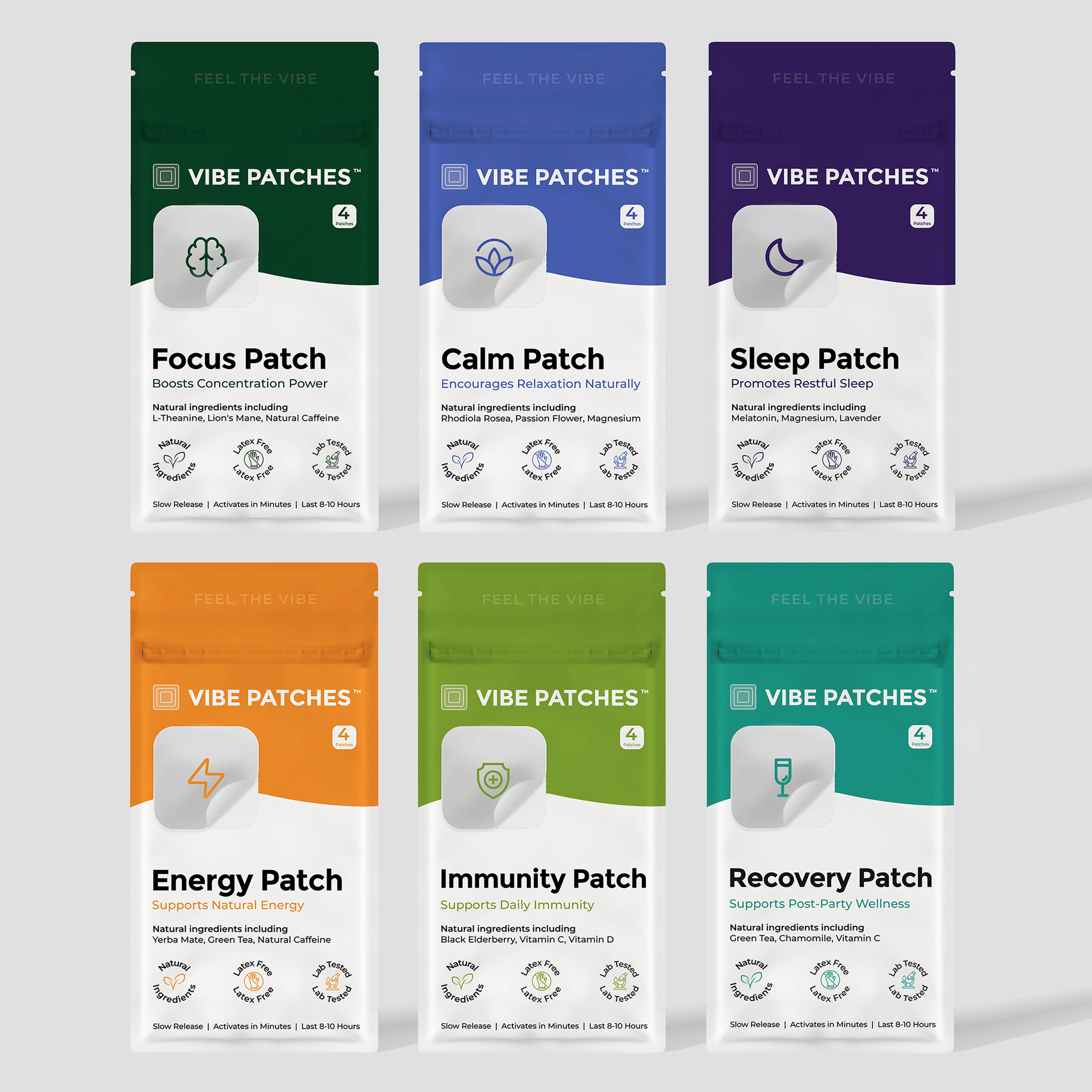
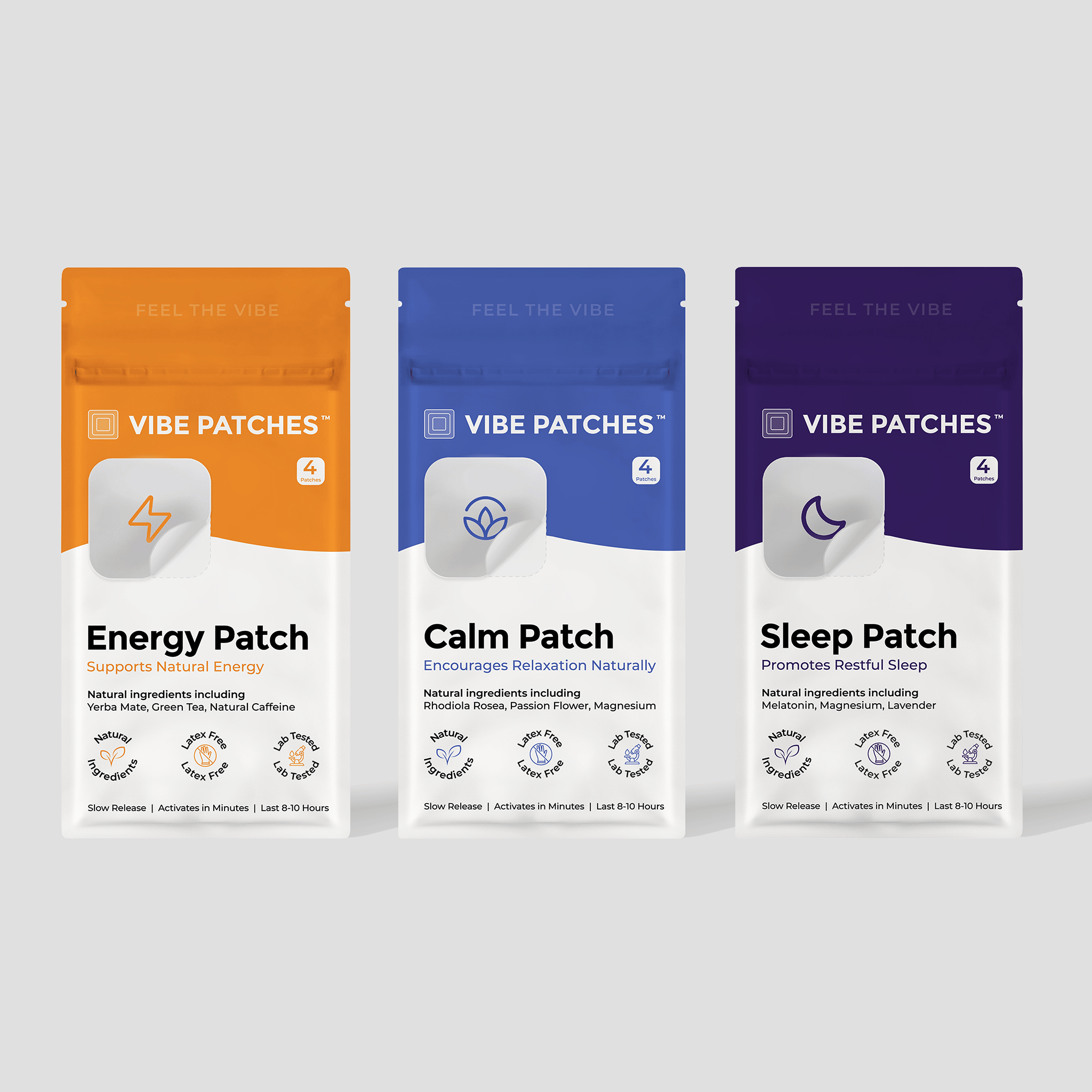
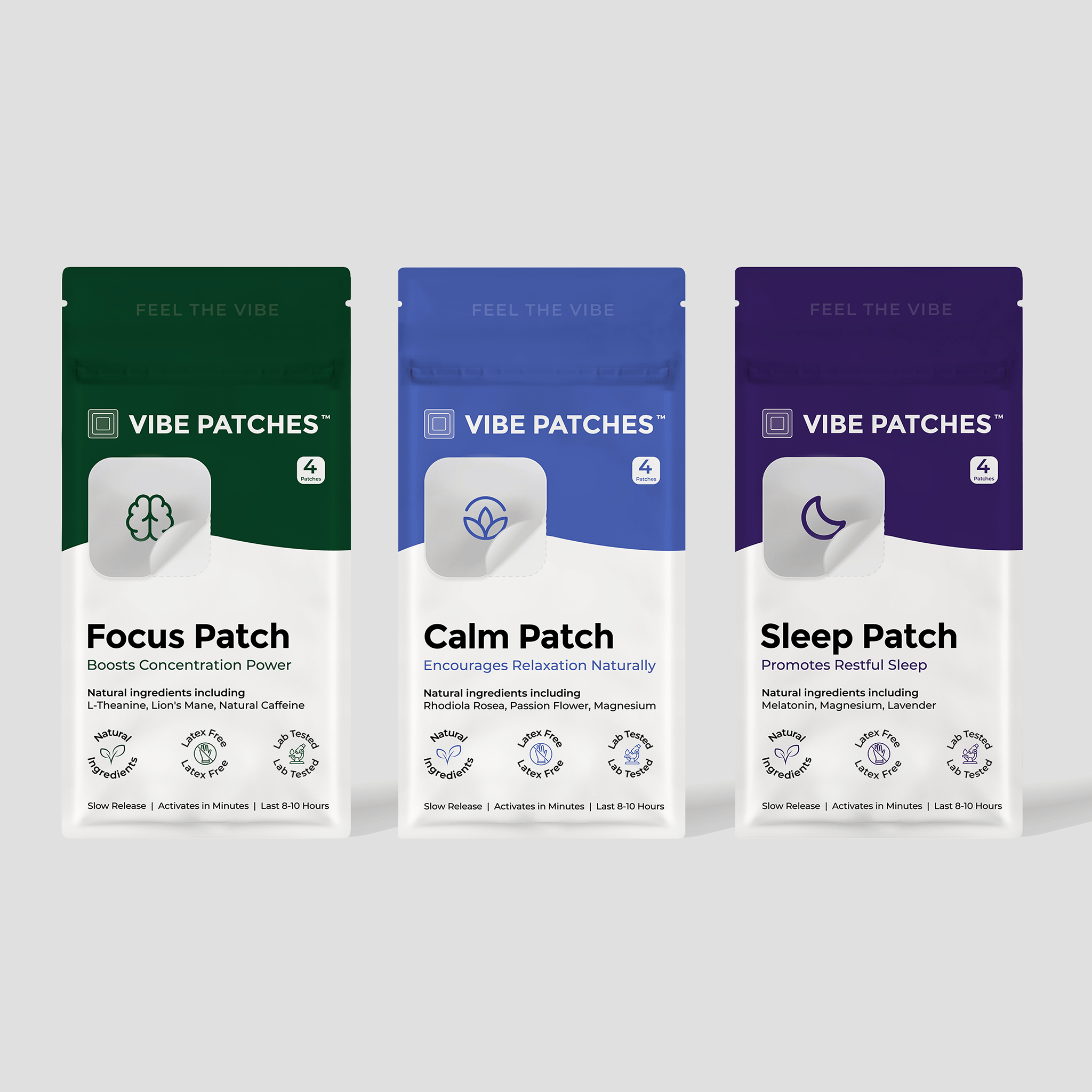
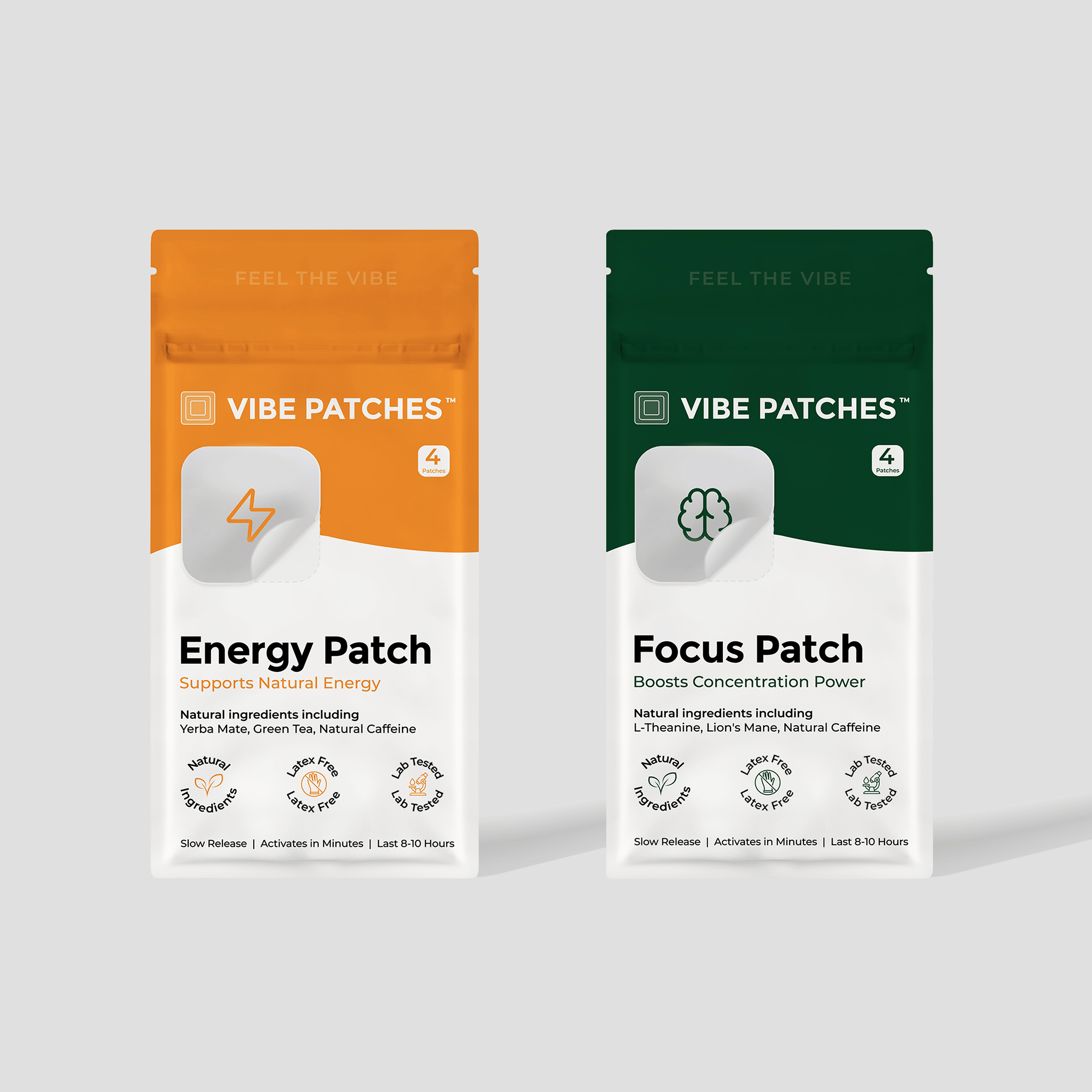
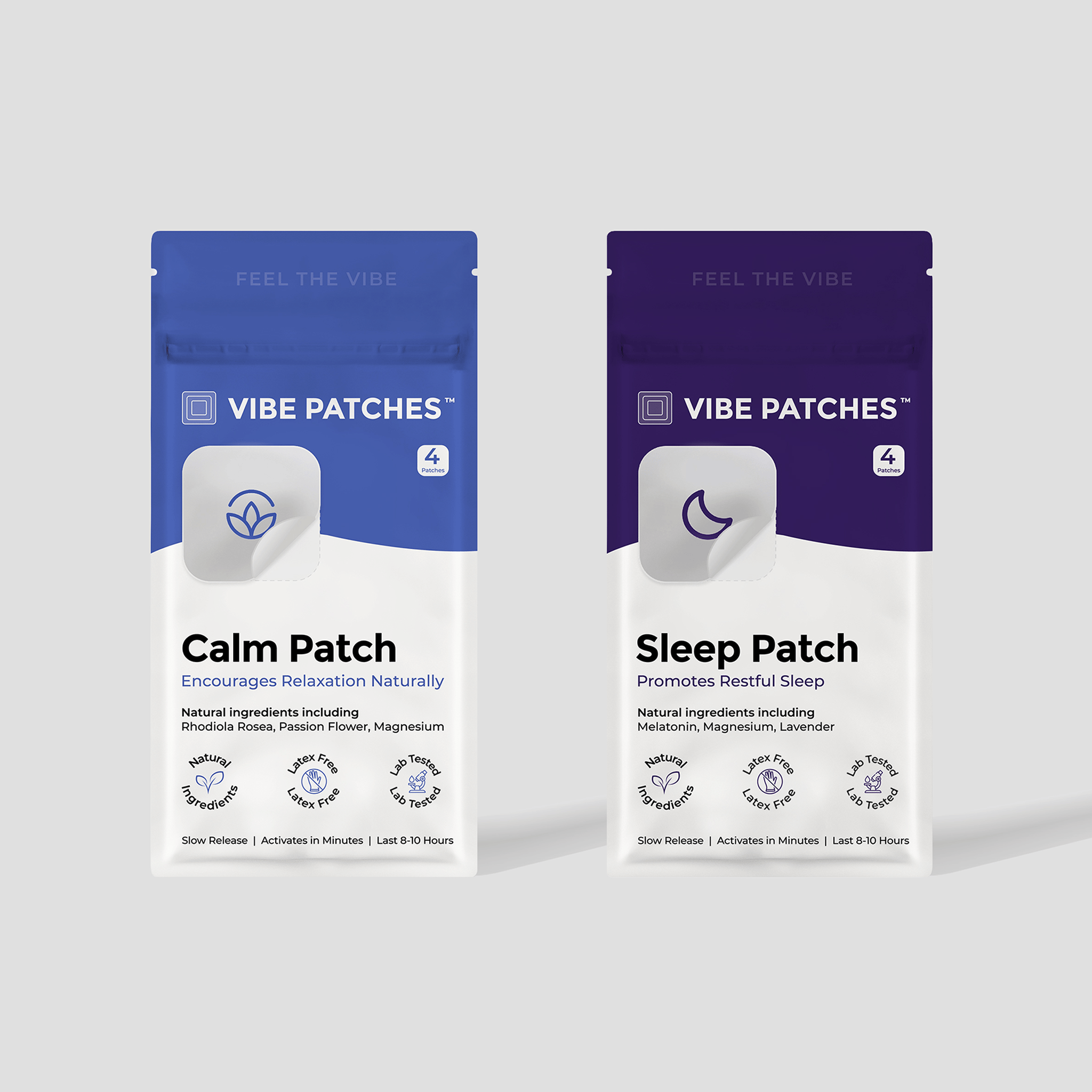
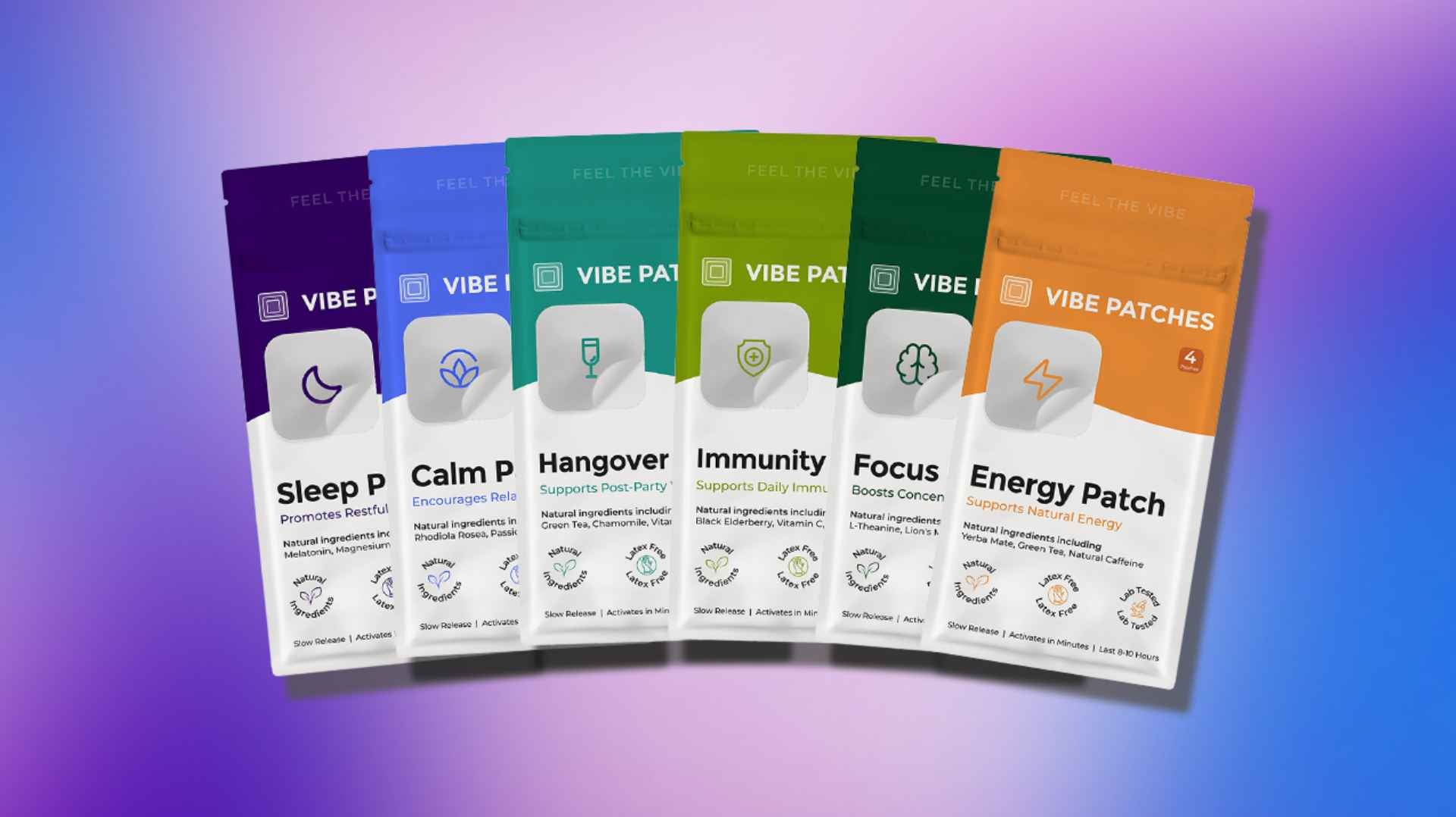
Vibe Patches supports healthy sleep architecture through innovative transdermal technology. The Sleep Patch delivers calming nutrients gradually throughout the evening, supporting your body's natural progression through sleep stages without disrupting deep sleep.
Unlike oral supplements that spike and create digestive heat, patches provide steady support that respects your sleep architecture. The transdermal delivery bypasses your digestive system, avoiding the metabolic processes that can interfere with deep sleep onset.
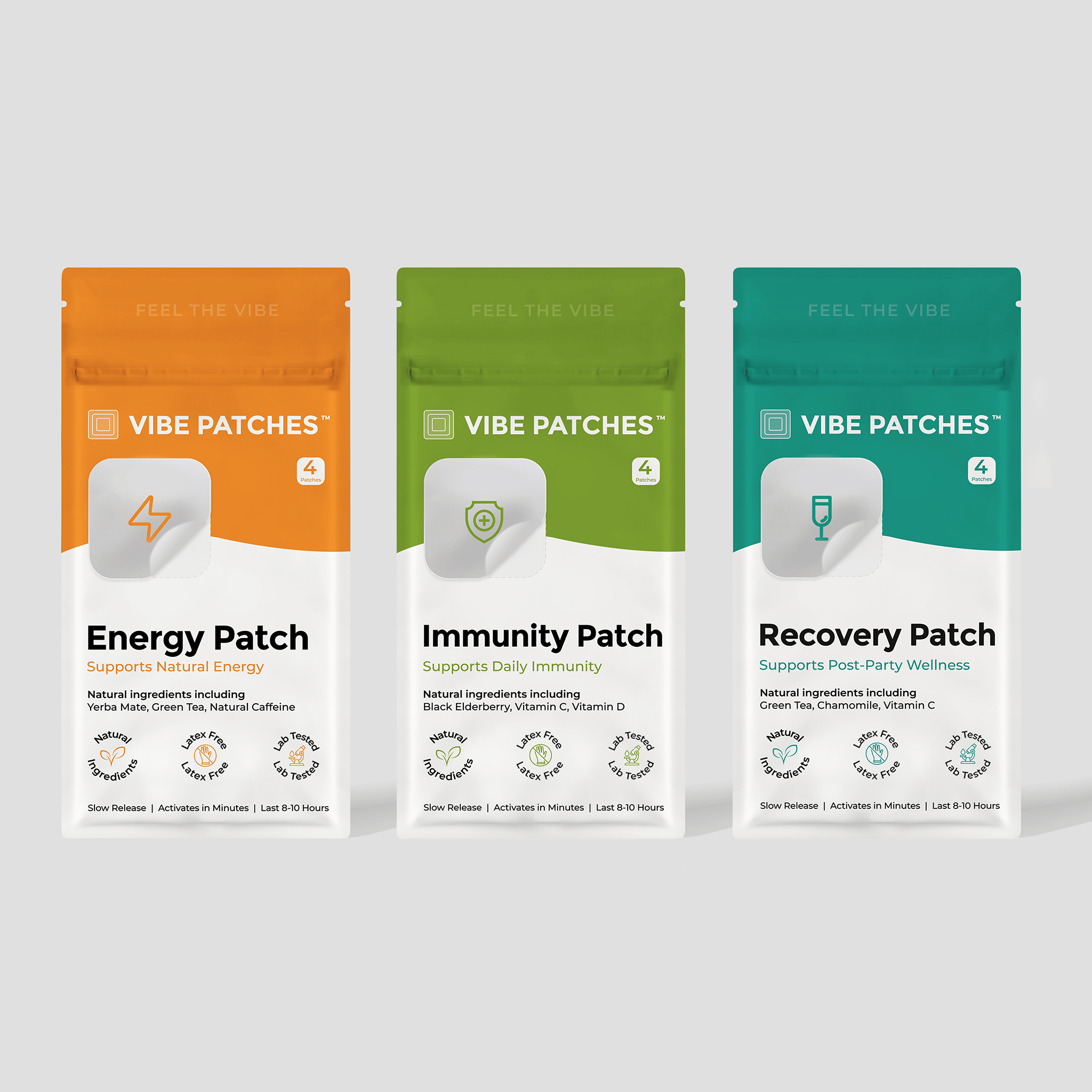
For daytime energy that doesn't compromise tonight's sleep quality, the Energy Patch provides balanced support without excessive stimulants. Explore comprehensive wellness solutions at Vibe Patches collections designed to work with your body's natural rhythms.
Medical Disclaimer: This content is for informational purposes only and does not constitute medical advice. Always consult a healthcare provider for concerns about sleep disorders or chronic sleep problems. If you have sleep apnoea, restless leg syndrome, or other diagnosed sleep conditions, discuss your deep sleep needs with your doctor. If you experience excessive daytime sleepiness, sudden sleep attacks, or persistent insomnia despite adequate time in bed, seek immediate medical attention.
Sources:
National Institutes of Health - Sleep and Aging