
Napping sounds simple until you wake up feeling worse than before you lay down. You either slept too long, hit the wrong sleep stage, or timed it badly. If you have ever asked how long should a nap be to actually feel better, you are asking the right question. The answer depends on what you need from your nap, and science gives us a pretty clear guide.
Why Nap Length Changes Everything
Not all naps produce the same result. A 10-minute nap and a 45-minute nap send your body through completely different physiological experiences. Getting the length right is the difference between waking up sharp and alert or waking up groggy and disoriented for the next hour.
How Sleep Stages Affect How You Feel on Waking
Your brain moves through distinct sleep stages in a predictable sequence. Light sleep comes first, followed by deeper slow-wave sleep, and then REM sleep in longer cycles. How long should a nap be largely depends on which stage you want to wake from.
Waking from light sleep feels relatively smooth. Your brain has not committed deeply to a sleep cycle, so the transition back to wakefulness is quick. Waking from slow-wave deep sleep is a different story. Your body is in full recovery mode and pulling it back out quickly triggers sleep inertia, that heavy, foggy, disoriented feeling that can last 20 to 30 minutes after you open your eyes.
Research published in Sleep found that nap length directly determines the degree of sleep inertia experienced on waking. Short naps produced minimal inertia while longer naps that dipped into slow-wave sleep produced significantly more grogginess, even when participants felt they had rested.
What Sleep Inertia Does to Your Performance
Sleep inertia is not just a mild inconvenience. It temporarily impairs reaction time, decision-making, and cognitive processing in much the same way that tiredness does. If you wake from a deep-sleep nap and immediately need to drive, work, or make important decisions, sleep inertia genuinely undermines your performance for a period after waking.
This is why knowing how long should a nap be matters practically, not just theoretically. Getting the length right means you wake feeling better, not worse.
How Long Should a Nap Be for Different Situations
Different goals call for different nap lengths. Here is a breakdown of the three most useful nap durations and when each one makes the most sense.
The 10 to 20 Minute Nap
This is the most broadly useful nap length for most people in most situations. You stay in light sleep, avoid slow-wave stages entirely, and wake feeling alert and refreshed. NASA research found that a 40-minute nap improved alertness by 100 percent and performance by 34 percent in fatigued pilots, with shorter naps of 10 to 20 minutes delivering meaningful alertness benefits with minimal grogginess.
This length suits anyone who needs a quick cognitive reset during a busy day, wants to restore alertness without disrupting night sleep, or has limited time and needs to return to activity quickly after waking.
The 90 Minute Nap
A full 90-minute nap completes one entire sleep cycle. You move through light sleep, slow-wave deep sleep, and REM sleep before returning naturally to a lighter stage. Waking at the end of a complete cycle minimises sleep inertia because your brain has finished its natural sequence rather than being cut off mid-stage.
This length suits people recovering from significant sleep debt, those preparing for overnight travel or shift work, and athletes or physically active people who want the recovery benefits of both slow-wave and REM sleep. It is a more committed rest, but when timed well, you wake from it feeling genuinely refreshed rather than groggy.
The Nap Length to Avoid
The 30 to 60 minute range is the most problematic zone for most people. You are likely deep into slow-wave sleep when your alarm goes off. This produces strong sleep inertia on waking and leaves many people feeling worse than before the nap. Unless you plan to sleep through a full 90-minute cycle, it is generally better to stay under 25 minutes or commit to the full cycle.
Getting the Most From Your Nap
How long should a nap be is only part of the picture. When and how you nap matters just as much as the duration. Here are the key factors that determine how effective your nap actually is:
-
Timing. Nap between 1pm and 3pm when possible. This aligns with your natural early afternoon dip in alertness and reduces the risk of interfering with your night sleep.
-
Environment. A dark, cool, quiet space helps you fall asleep faster and reach a more restful state even in a short window.
-
Consistency. Regular napping at the same time each day becomes easier over time as your body adapts to the routine.
-
Pre-nap caffeine. Some research supports drinking a coffee immediately before a 20-minute nap. Caffeine takes roughly 20 minutes to absorb, so it kicks in just as you wake up, amplifying the alertness boost.
-
Set an alarm. Even if you plan a 20-minute nap, set a timer. Oversleeping into deep sleep stages without intending to is the most common cause of post-nap grogginess.
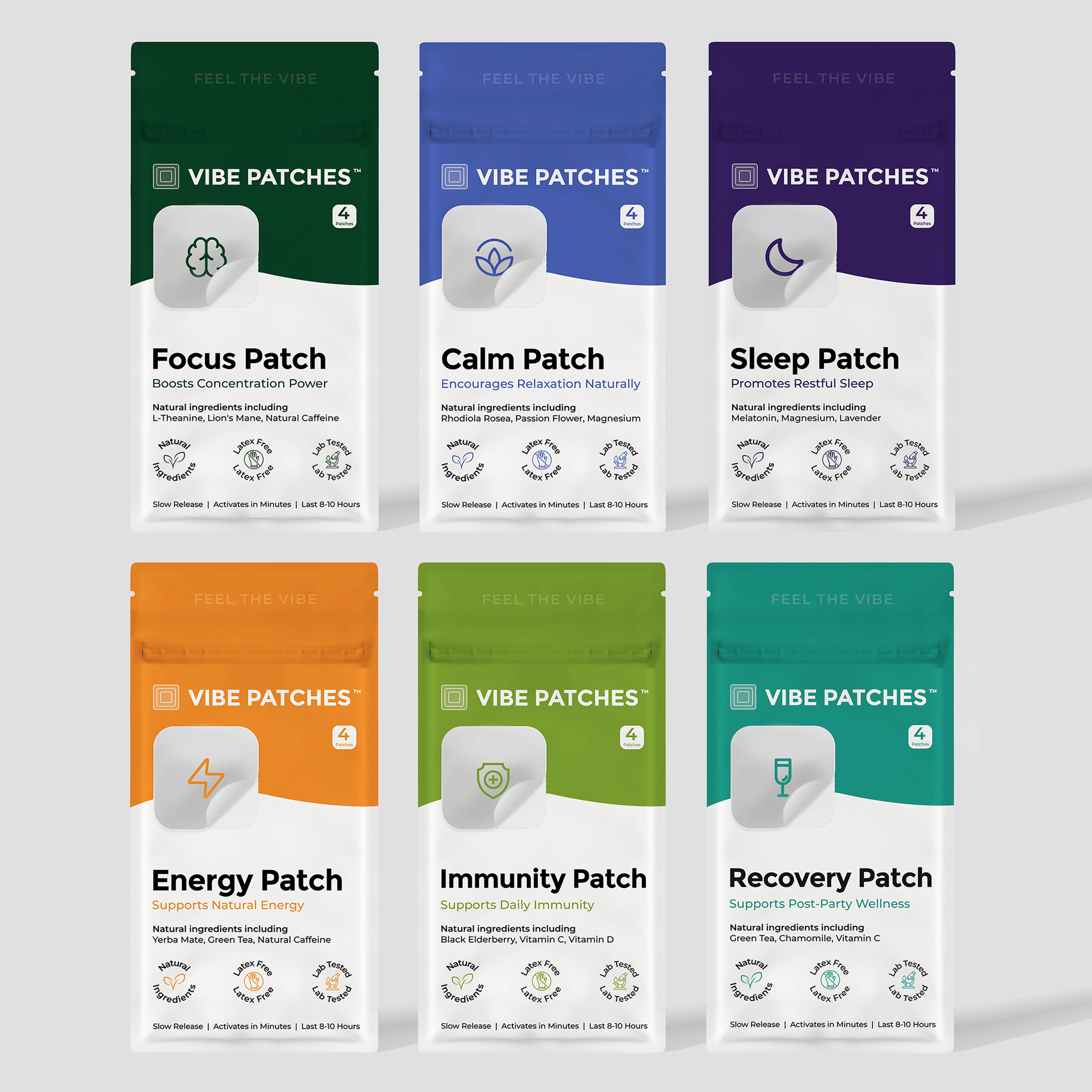
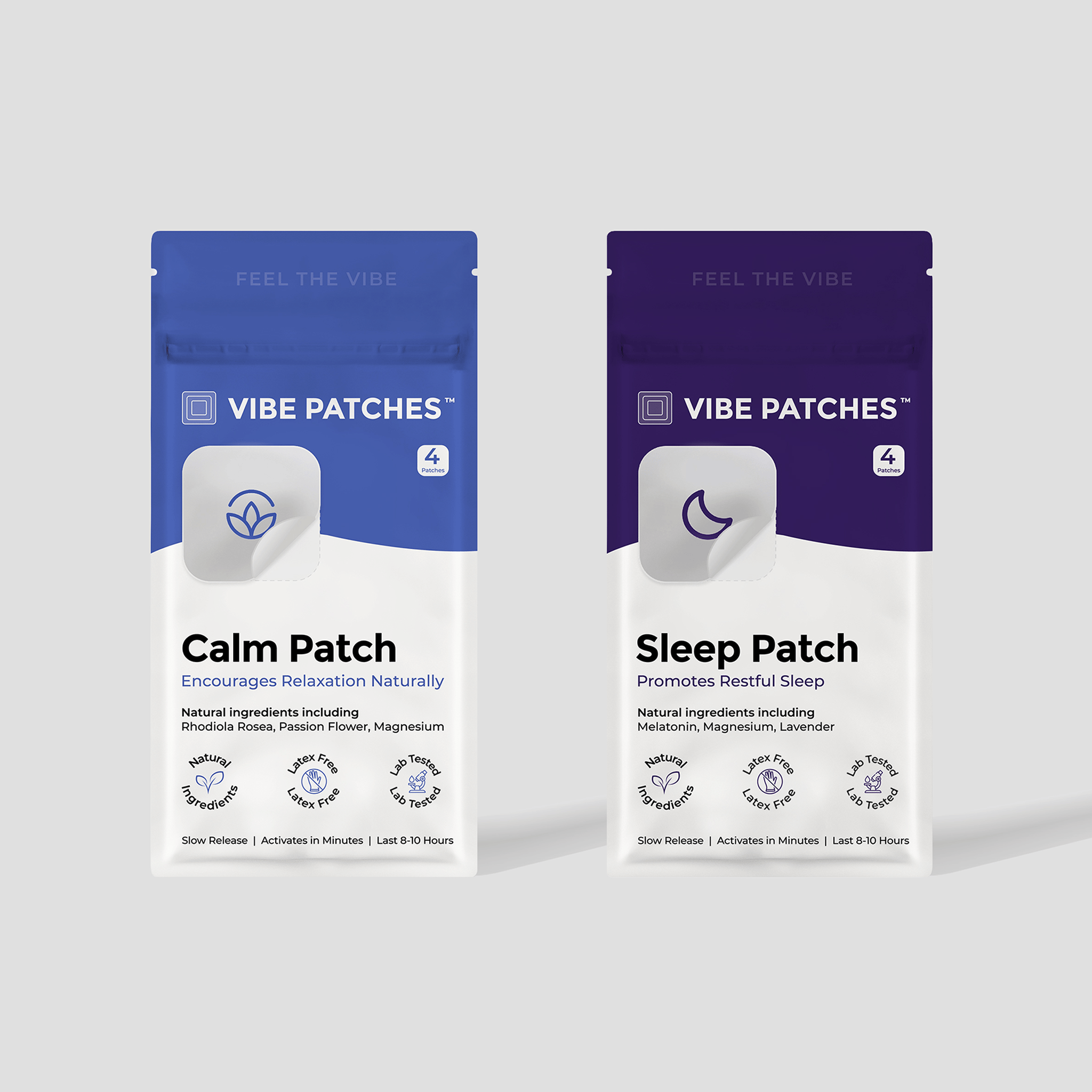
If night sleep is consistently poor and you find yourself relying heavily on naps to get through the day, addressing the root issue makes a bigger difference than optimising nap length. The Sleep Patch from Vibe Patches supports deeper, more restorative night sleep by delivering sleep-supporting nutrients gradually through the skin while you rest.
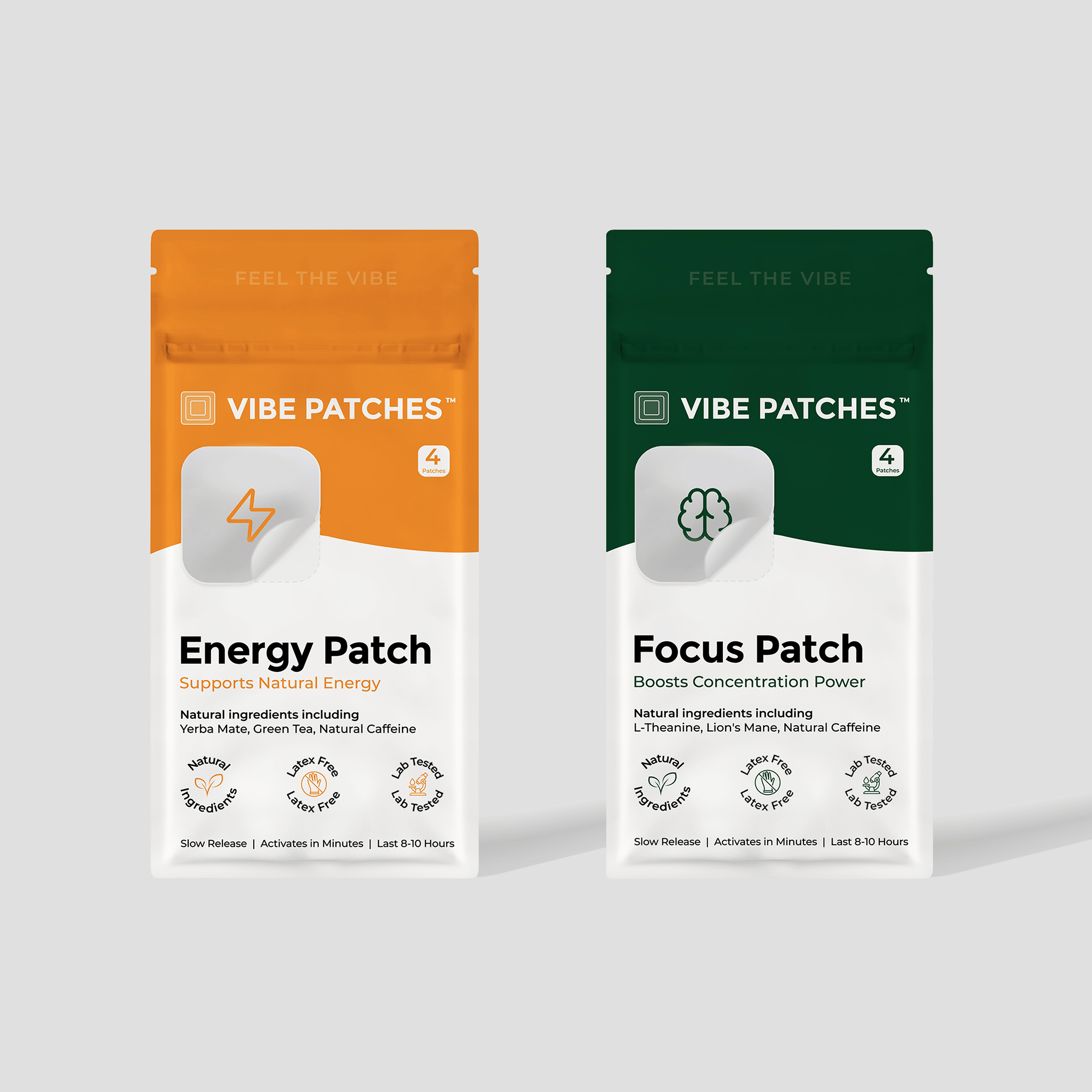
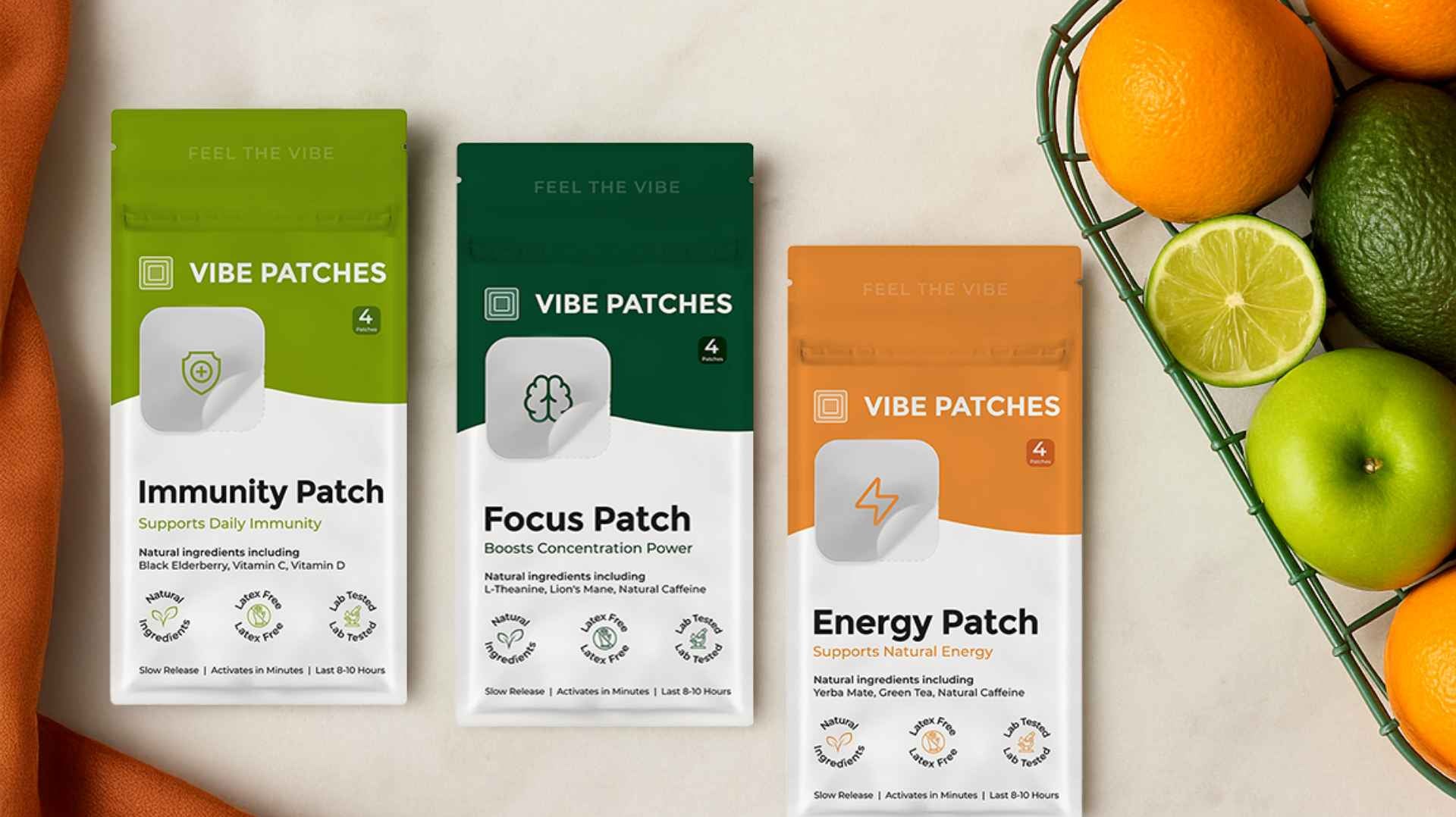
For days when a nap is not practical but your energy and concentration are flagging, the Focus Patch from Vibe Patches provides steady cognitive support through transdermal delivery without the jitteriness that comes from extra caffeine. And when your energy simply needs a reliable lift through a demanding afternoon, the Energy Patch from Vibe Patches delivers gradual, sustained energy through the skin with no crash at the end.
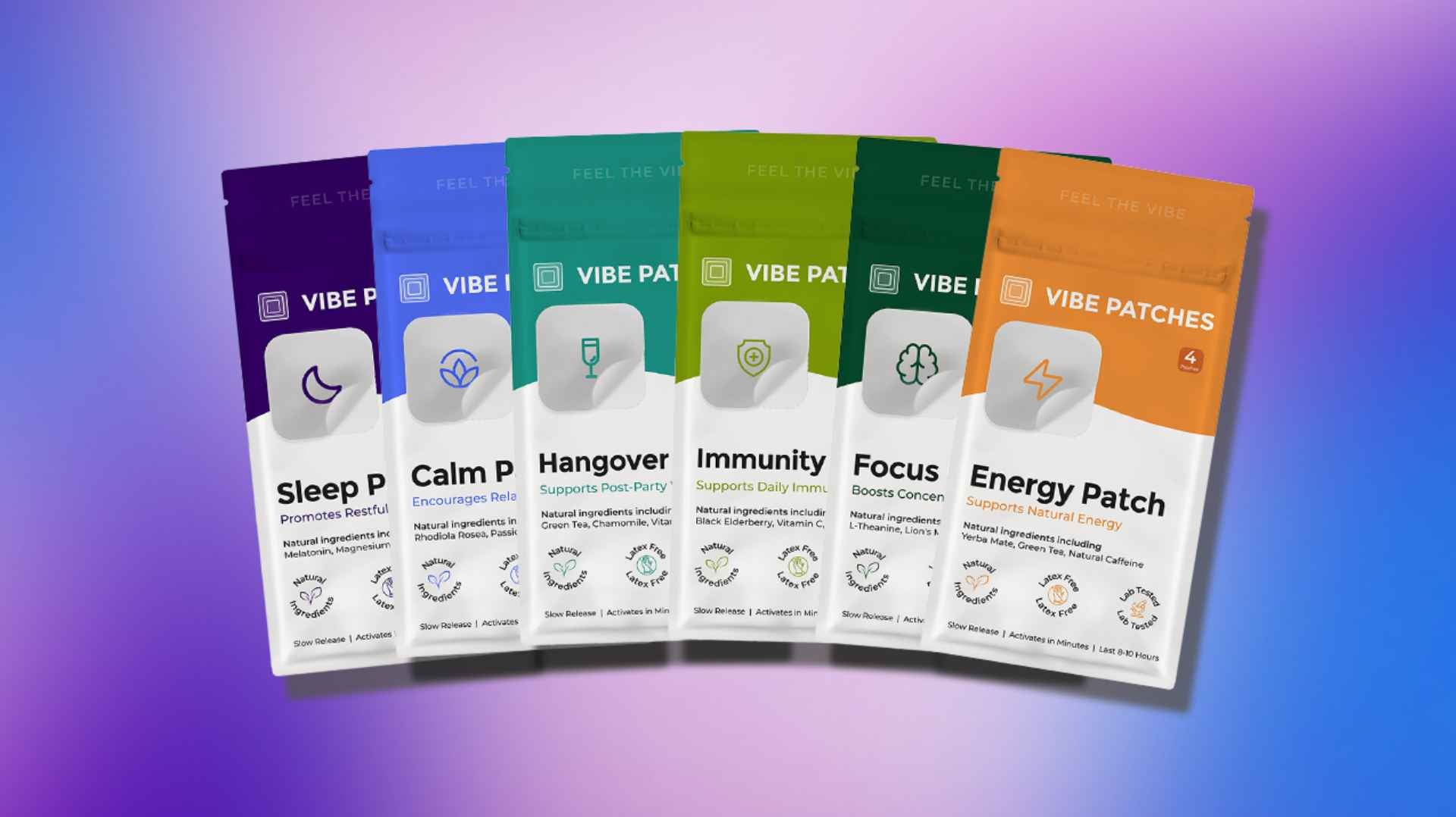
After nights disrupted by alcohol or poor recovery, the Hangover Patch from Vibe Patches supports overnight nutrient replenishment so you start the next day feeling more restored and less reliant on multiple naps just to function.
When rest and recovery need a little extra support, Vibe Patches delivers key nutrients directly through your skin for consistent, sustained support through the night and the day. Browse the full range at the Vibe Patches collections page and find what fits your routine right now.
Medical Disclaimer: This content is for informational purposes only and does not constitute medical advice. Always consult a healthcare provider for concerns about sleep disorders, chronic fatigue, or persistent sleep difficulties. If you experience excessive daytime sleepiness, difficulty functioning, or symptoms that interfere with daily life, seek professional medical advice promptly.
Sources:
Sleep - Nap Length, Sleep Inertia and Performance