
Waking up after a night out with a pounding headache and nausea is rough. You probably want to know exactly when you'll feel normal again. The question of how long does a hangover last matters when you're planning your next day. Research shows most people deal with these aftereffects for a specific timeframe, though several factors can change the duration.
The Timeline of How Long Does a Hangover Last
Most hangovers follow a pretty predictable pattern. According to research published in the Journal of Addiction Disorder and Rehabilitation, the average hangover lasts about 18.4 hours from your last drink. For most people, symptoms typically range between 14 to 23 hours. If you stopped drinking at midnight, you might feel back to normal somewhere between 2 PM and 11 PM the next day. Knowing how long does a hangover last helps you understand whether you're experiencing normal recovery.
The hangover usually starts when your blood ethanol level drops back to zero. This happens while you're sleeping in most cases. Symptoms peak in the morning and gradually get better throughout the day. By the 24-hour mark, most people feel completely recovered.
Here's what you might experience during different phases:
-
First 6-8 hours: Effects begin as blood ethanol drops to zero
-
8-12 hours: Peak discomfort with headache, nausea, and fatigue
-
12-18 hours: Gradual improvement in most signs
-
18-24 hours: Most people feel normal again
Interestingly, research from the National Institute on Alcohol Abuse and Alcoholism found that up to 23% of people don't experience hangovers at all. These lucky individuals may actually be at higher risk for developing problematic drinking patterns because they lack the system's natural warning signal.
Why Some Hangovers Last Longer Than Others
Not everyone recovers at the same speed. Your system's ability to process drinking varies based on several biological and behavioral factors. These factors directly influence how long does a hangover last for each person.
Metabolism and Body Composition
Your liver does most of the heavy lifting when breaking down ethanol. Two key enzymes, alcohol dehydrogenase and aldehyde dehydrogenase, determine how quickly your system processes drinks. People with faster metabolism generally experience shorter, less severe hangovers.
Body weight and composition matter too. Women typically face longer, more intense hangovers than men. They have higher body fat percentages and lower levels of the enzymes needed to break down alcoholic beverages. This means the same amount of liquor hits women harder and lingers longer.
Age plays a role as well. Younger people often bounce back faster because their liver function is more efficient. As you get older, your metabolism slows down and how long does a hangover last can extend beyond the typical 24-hour window.
Sleep Quality and Duration
Poor sleep makes everything worse. Research shows that people who sleep less than five hours after drinking report more severe aftereffects. However, those who sleep longer actually tend to consume more booze while feeling less hungover overall.
Sleep deprivation compounds these effects like headache, fatigue, and trouble concentrating. Your system needs rest to process ethanol and repair the damage. Getting seven to eight hours of quality sleep helps your recovery timeline stay within normal range.
Alcohol also disrupts your natural rhythms. It throws off your temperature regulation and hormone cycles. This creates a jet lag effect that adds to how miserable you feel the next day.
Signs Your Hangover Needs Medical Attention
Most hangovers resolve on their own within 24 hours. However, some signs warrant immediate medical care. If you're wondering how long does a hangover last beyond the typical timeframe, pay attention to warning signals. Never ignore severe issues.
Call for help if you experience:
-
Effects lasting longer than 24 hours
-
Severe confusion or difficulty staying conscious
-
Irregular breathing or slow heart rate
-
Persistent vomiting that prevents keeping water down
-
Seizures or severe tremors
-
Chest pain or rapid heartbeat that won't slow
These could indicate ethanol poisoning or withdrawal rather than a standard hangover. Alcohol poisoning is life-threatening and requires emergency treatment. If you have a pre-existing heart condition, elevated heart rate during this period can be particularly dangerous.
Frequent severe hangovers may signal a bigger problem. If you regularly wake up feeling terrible or can't function without alcohol, talk to a healthcare provider about alcohol use patterns.
Ways to Support Recovery
No magic cure exists for hangovers. Your system needs time to process ethanol and clear toxic byproducts. Understanding how long does a hangover last can help you manage expectations. However, you can take steps to feel more comfortable while you wait it out.
Start with hydration. Drinking makes you pee more, leading to dehydration. Water helps restore fluid balance and eases discomfort like headache and dizziness. Aim for a glass of water between drinks next time, and drink plenty the morning after.
Food can help settle your stomach and restore blood sugar. Bland options like toast or crackers work well if you feel nauseous. Eggs contain amino acids that may help your system process ethanol byproducts. Bananas and other potassium-rich foods can help replace lost electrolytes.
Over-the-counter pain relievers like ibuprofen can ease headaches and body aches. Skip acetaminophen (Tylenol) though. It's hard on your liver, which is already working overtime to process ethanol. Taking both together increases your risk of liver damage.
Rest as much as possible. Your system is working hard to recover. Light activity like a short walk might help if you feel up to it.
Some people turn to products designed to support the system during recovery from drinking. While no product can eliminate hangovers entirely, certain ingredients may help your physiology process ethanol more efficiently. Always research ingredients and choose options backed by quality standards.
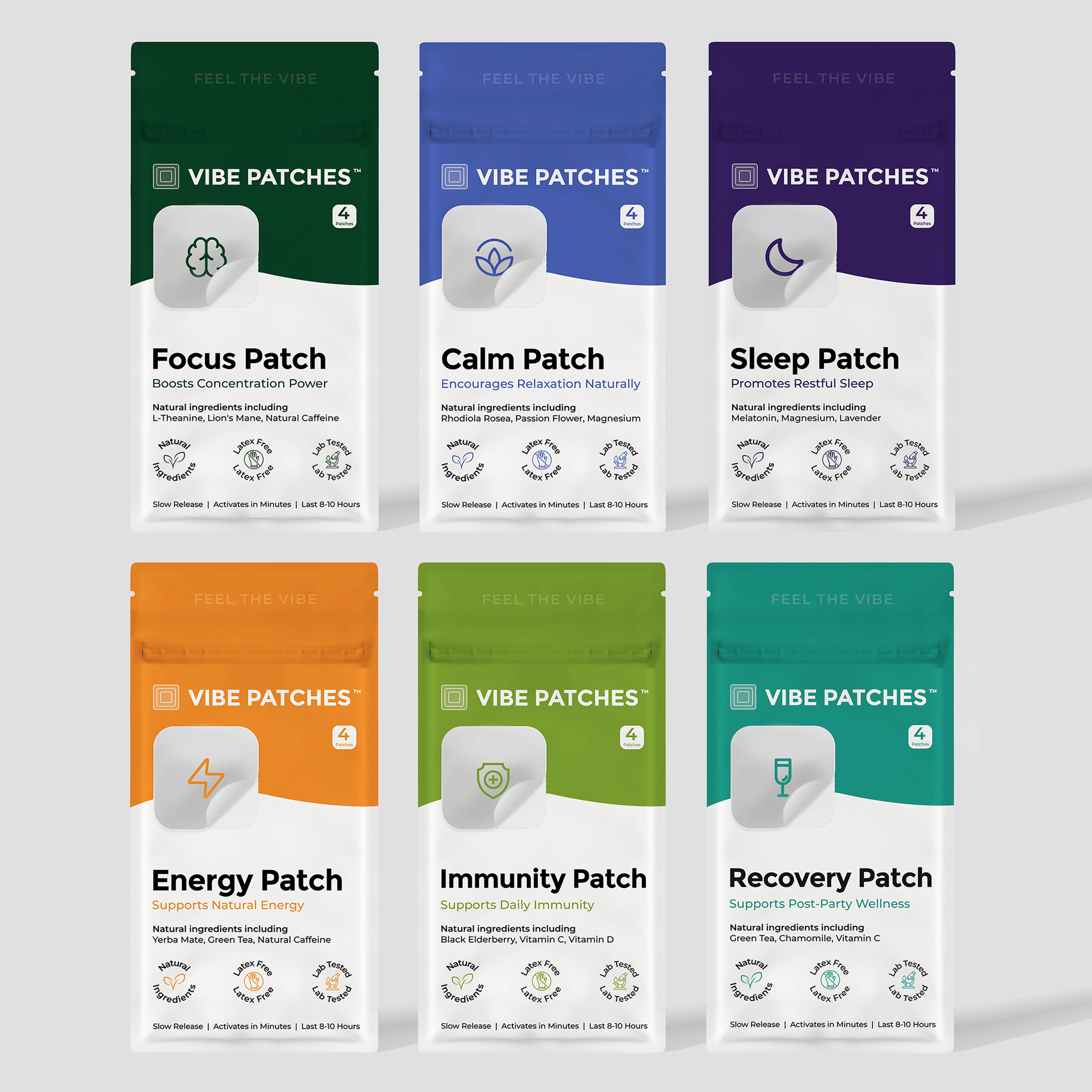
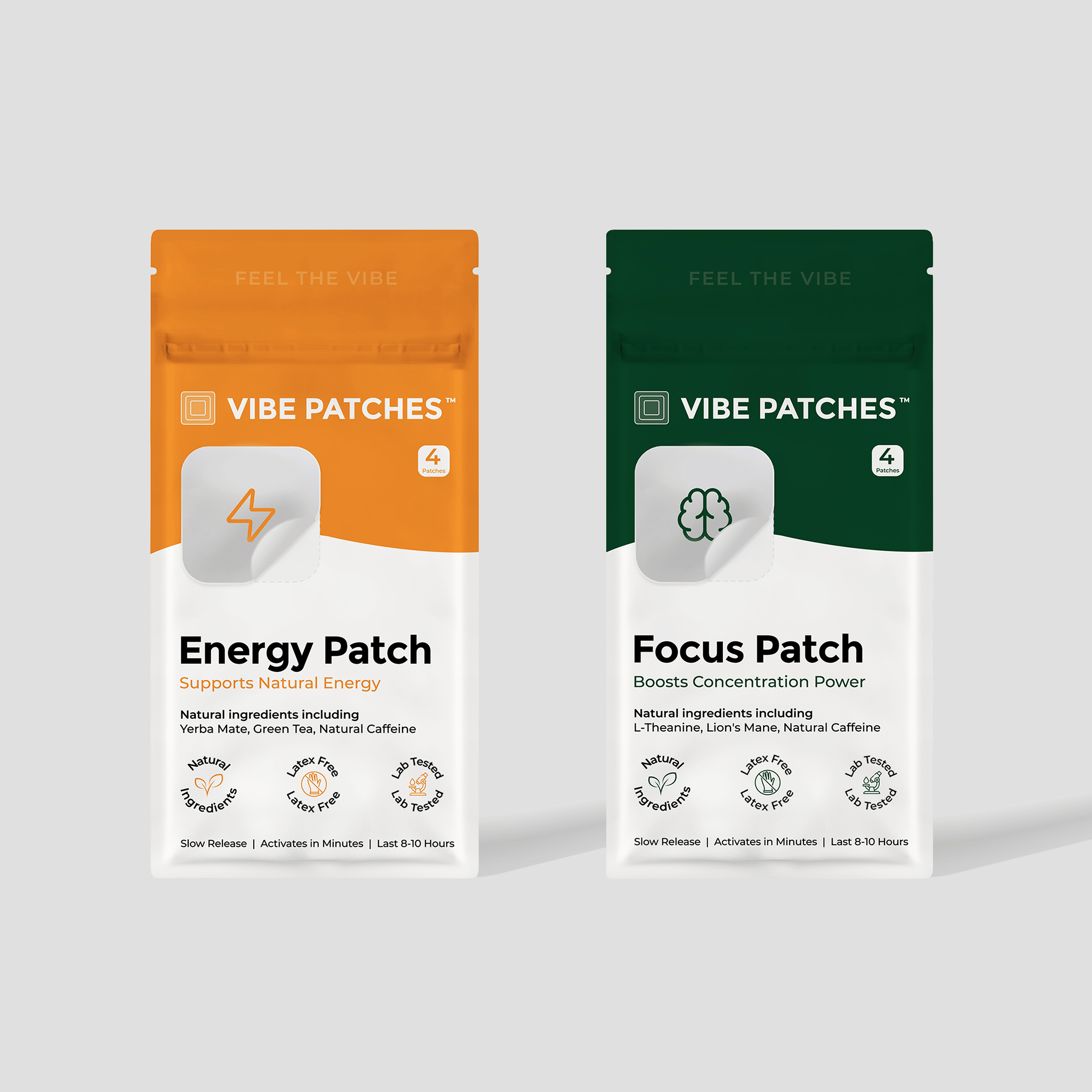
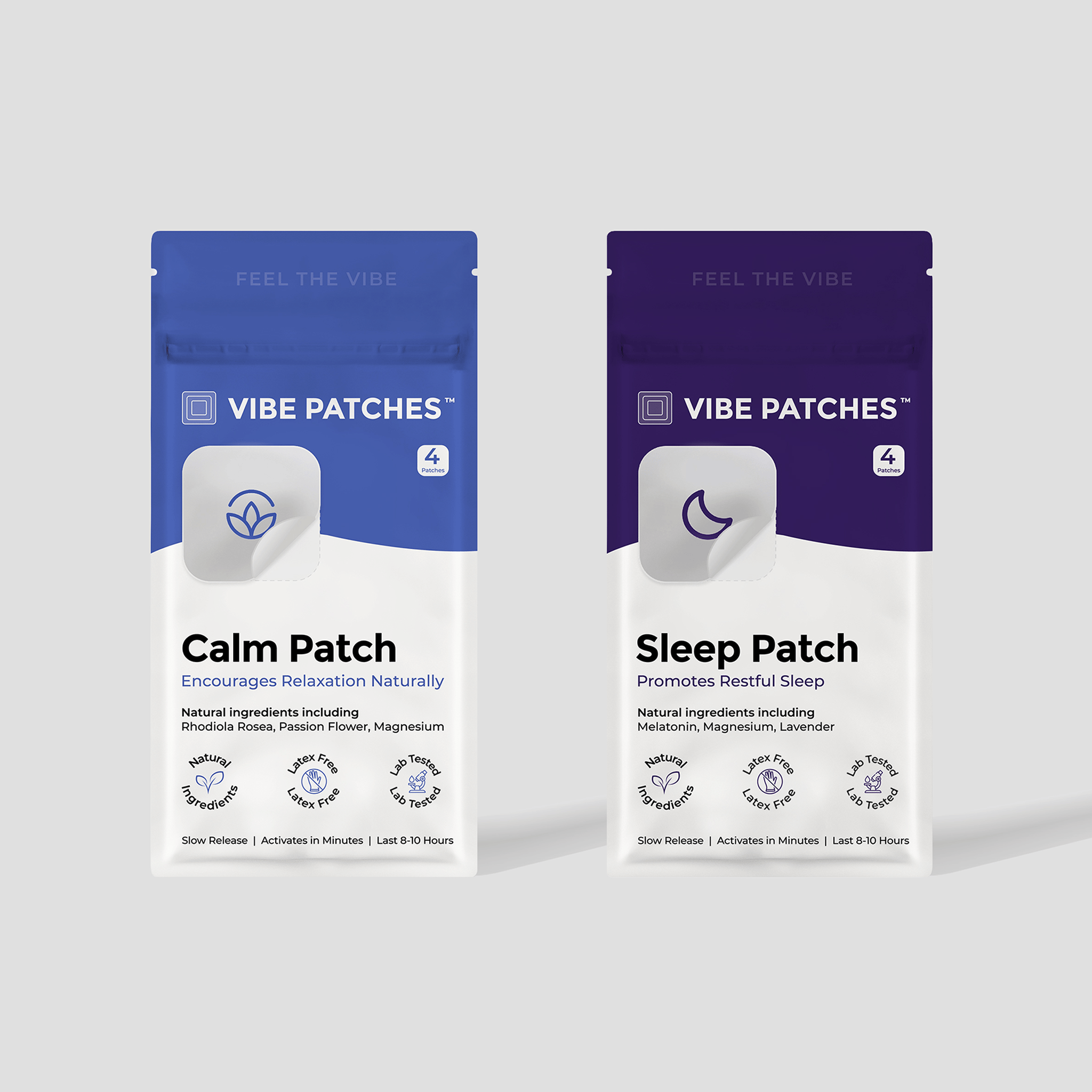
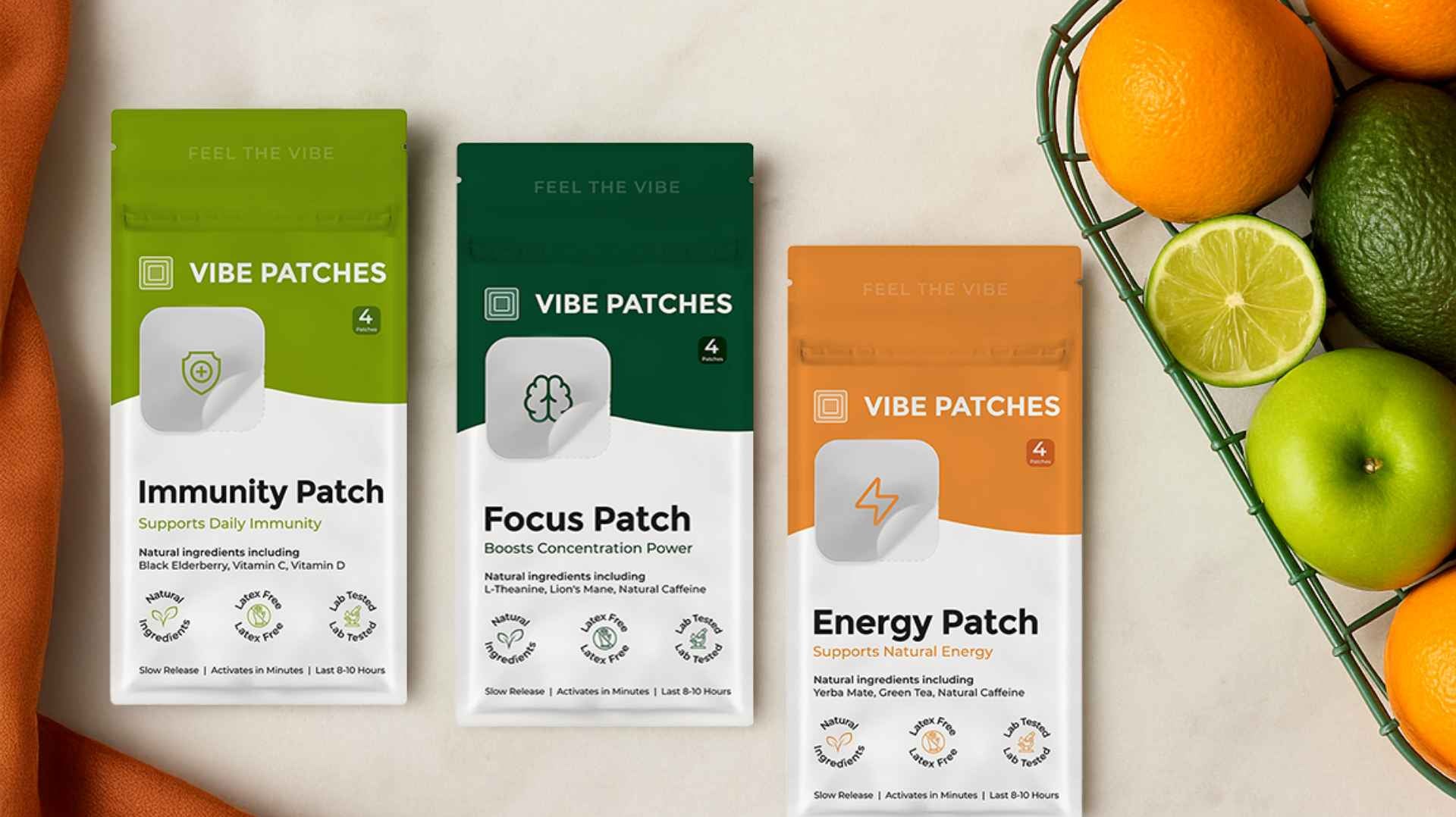
Getting adequate rest also matters. A quality Sleep Patch can support better recovery sleep. The next day, you might benefit from an Energy Patch to restore vitality or a Focus Patch to sharpen mental clarity.
Feel Better Faster with Vibepatches
Understanding how long does a hangover last helps you plan better, but prevention beats recovery every time. Drinking in moderation, staying hydrated, and getting proper sleep remain your best defense. When you do overindulge, supporting your system's natural recovery process is key.
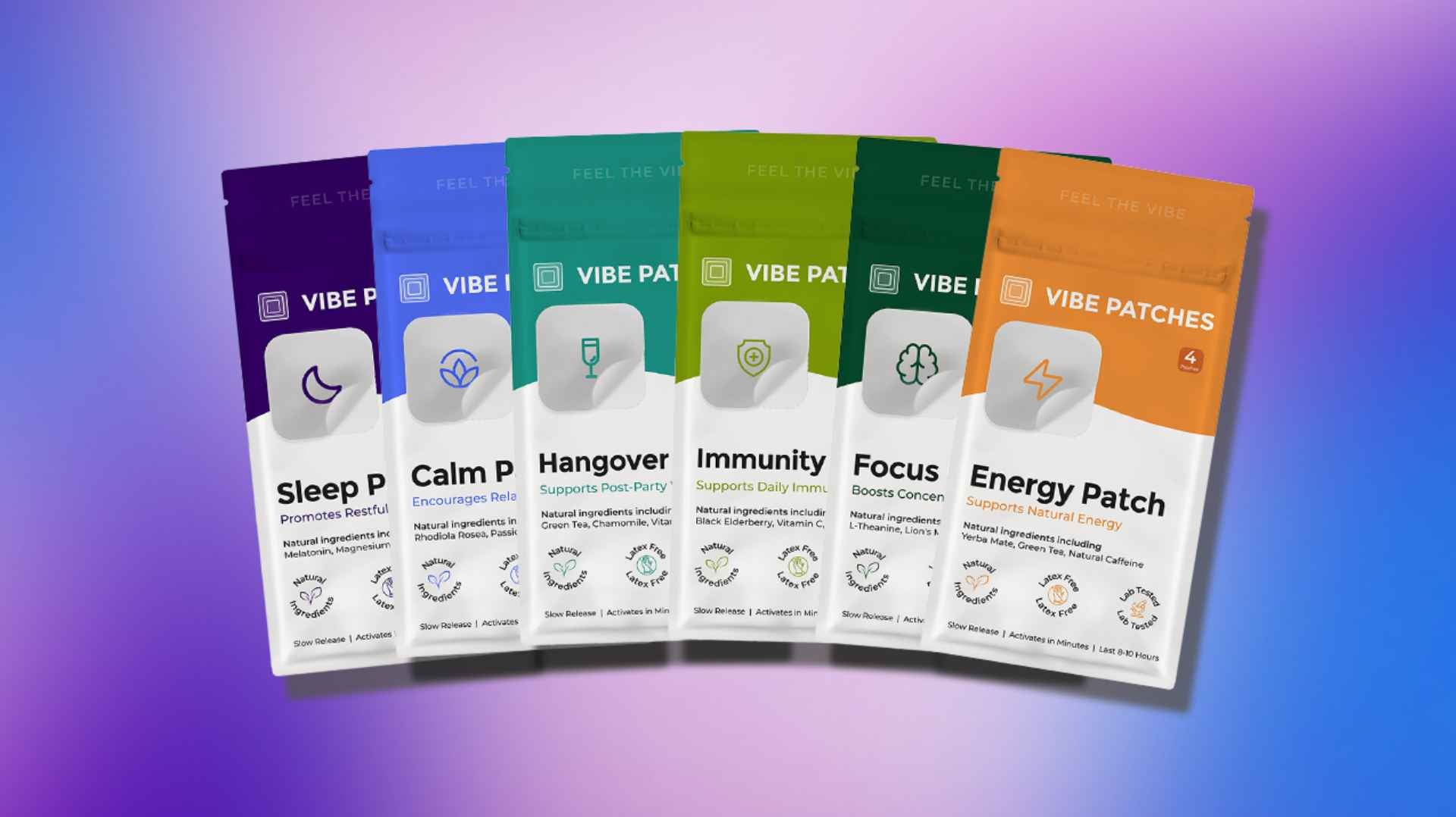
Vibepatches offers a Hangover Patch designed with ingredients to support your system during recovery from drinking. The transdermal patch delivers nutrients while you sleep, working alongside your natural processes. It's a convenient option to have on hand for those mornings when you need extra support.
Ready to feel prepared for your next morning? Check out our Hangover Patch and see how transdermal delivery can support your recovery routine. Explore our complete collection for comprehensive wellness support.
Medical Disclaimer: This content is for informational purposes only and does not constitute medical advice. Always consult a healthcare provider for concerns about alcohol use or hangover symptoms. If you experience severe symptoms or symptoms lasting beyond 24 hours, seek immediate medical attention.
Sources:
The Duration of the Alcohol Hangover
The Role of Alcohol Metabolism in the Pathology of Alcohol Hangover