
How long can you go without sleep before serious health consequences occur? The answer depends on several factors, but research shows that extreme sleep deprivation creates dangerous physical and mental effects. Most people begin experiencing significant impairment after just 24 hours without sleep.
Your body requires sleep for essential repair and maintenance functions. While you might survive longer than you'd expect without sleep, the quality of that survival deteriorates rapidly. Understanding these limits helps you appreciate why prioritising sleep matters so much.
The Science Behind Sleep Deprivation Limits
Research indicates that humans can survive approximately 11 days without sleep before facing life-threatening complications. However, serious impairment begins much sooner than this maximum threshold.
The longest scientifically documented case of sleep deprivation lasted 11 days and 25 minutes. Randy Gardner set this record in 1964 as a high school student. He experienced severe cognitive impairment, hallucinations, and paranoia during this experiment.
How long can you go without sleep safely? Most sleep experts agree that even 36 hours without sleep creates substantial risks. Your body begins shutting down non-essential functions to conserve energy. Cognitive performance drops to levels comparable to legal intoxication.
What Happens Hour by Hour
Sleep deprivation creates a predictable cascade of deteriorating functions:
-
24 hours: Impaired coordination, memory problems, increased stress hormones
-
36 hours: Severe motivation loss, strong emotional responses, cardiovascular strain
-
48 hours: Microsleeps begin, immune system weakens significantly, disorientation occurs
-
72 hours: Complex hallucinations start, perception distortions worsen, thoughts become confused
-
Beyond 96 hours: Multiple organ systems show stress, mental breaks from reality
Your brain desperately tries to force sleep after extended wakefulness. Microsleeps are brief periods where your brain essentially switches off for seconds. These happen involuntarily and create extreme danger during activities like driving.
Individual Variation in Sleep Tolerance
Some people tolerate sleep deprivation slightly better than others due to genetic factors. However, everyone experiences serious impairment regardless of their baseline tolerance. Age also plays a role in how quickly symptoms appear.
Younger individuals typically handle short-term deprivation better than older adults. Their brains recover more quickly once they finally sleep. However, chronic sleep restriction affects young people's development and long-term health significantly.
Physical Health Consequences of Extended Wakefulness
Your body systems begin failing when you push past natural sleep requirements. The physical toll extends far beyond simple tiredness or fatigue.
Immune System Collapse
How long can you go without sleep before your immune function crashes? Studies show that even one night of poor sleep reduces immune cell activity by up to 70%. Extended deprivation leaves you vulnerable to infections and illness.
Your body produces fewer antibodies and inflammatory cytokines during sleep deprivation. This reduction means your defences against viruses and bacteria drop dramatically. Recovery from illness also takes significantly longer without adequate sleep.
Cardiovascular Strain and Risk
Sleep deprivation forces your heart to work harder than normal continuously. Your blood pressure remains elevated without the natural dip that occurs during sleep. This constant strain damages blood vessels and increases heart disease risk.
Extended wakefulness triggers these dangerous cardiovascular changes:
-
Irregular heart rhythms and palpitations
-
Elevated cortisol levels causing inflammation
-
Increased blood clotting tendency
-
Higher risk of heart attack and stroke
-
Damaged blood vessel lining
People who regularly sleep fewer than six hours face significantly higher cardiovascular disease rates. The cumulative damage from chronic sleep restriction proves even more dangerous than occasional all-nighters.
Cognitive and Mental Health Impacts
Your brain suffers tremendously from sleep deprivation. Mental functions deteriorate in predictable and measurable ways as hours without sleep accumulate.
Memory Formation Breakdown
Sleep plays a crucial role in consolidating memories from short-term to long-term storage. How long can you go without sleep before memory function fails? Research demonstrates that just 24 hours without sleep impairs memory formation by approximately 40%.
Your hippocampus, the brain region responsible for memory, shows reduced activity during sleep deprivation. This reduction means you struggle to learn new information effectively. Even if you stay awake to study, you'll remember less than if you'd slept properly.
Emotional Regulation Failure
Sleep deprivation severely impacts your ability to manage emotions appropriately. Small frustrations trigger disproportionate responses. You might cry easily or experience sudden anger over minor issues.
The amygdala, your brain's emotional centre, becomes hyperactive without adequate sleep. Meanwhile, the prefrontal cortex that normally regulates emotional responses shows decreased activity. This imbalance creates emotional volatility and poor decision-making.
Hallucinations and Perception Changes
Extended sleep deprivation creates genuine hallucinations in most people. These typically begin around 72 hours without sleep. You might see shadows moving, hear voices, or feel sensations that aren't real.
Your brain essentially begins dreaming while you're still awake. The boundary between consciousness and sleep states blurs dangerously. These perceptual distortions make continuing normal activities extremely hazardous.
Recovery Requirements After Sleep Loss
Your body requires substantial recovery time after extended sleep deprivation. You cannot simply bounce back immediately after one good night's sleep.
Sleep Debt Accumulation
Each hour of missed sleep adds to your cumulative sleep debt. This debt doesn't disappear quickly or easily. Most people need several nights of extended sleep to recover from just one all-nighter.
Chronic sleep restriction creates massive sleep debt that takes weeks to repay. Your body prioritises deep sleep during recovery, which helps repair the most critical damage. However, some cognitive impacts can persist even after catching up on sleep.
Supporting Natural Sleep Patterns
Establishing consistent sleep schedules helps prevent dangerous sleep deprivation. Your circadian rhythm thrives on predictability and routine. Going to bed and waking at similar times daily strengthens your natural sleep drive.
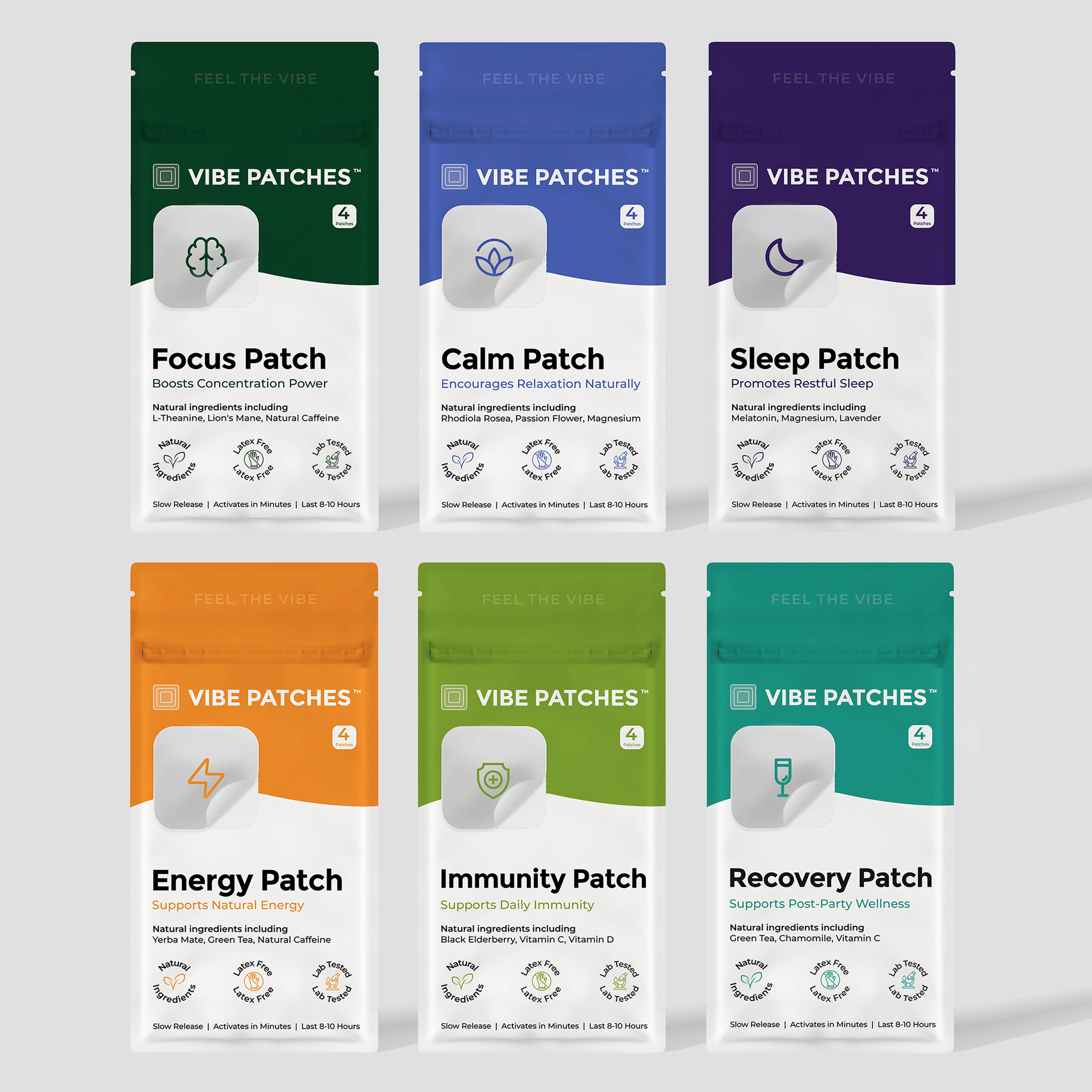
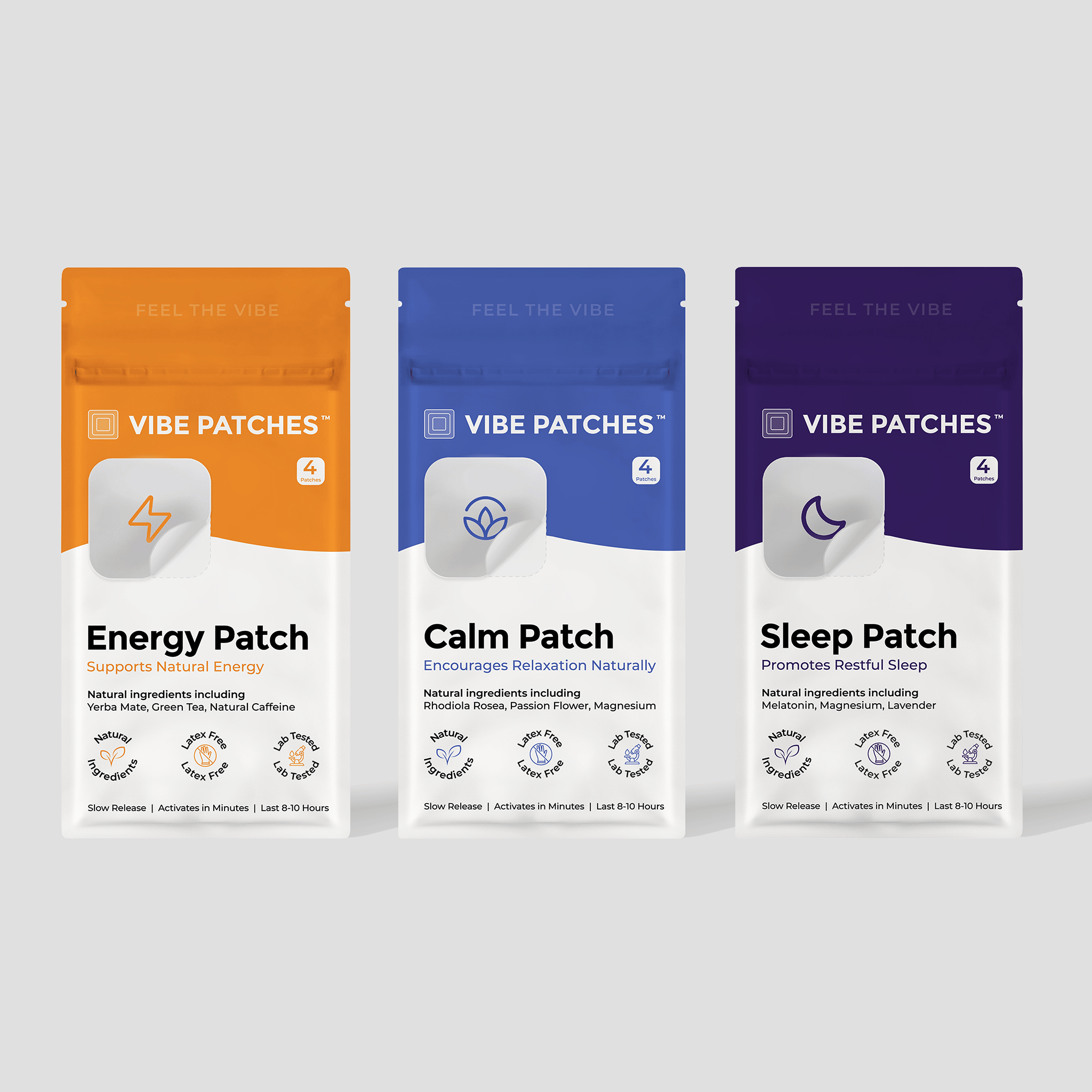
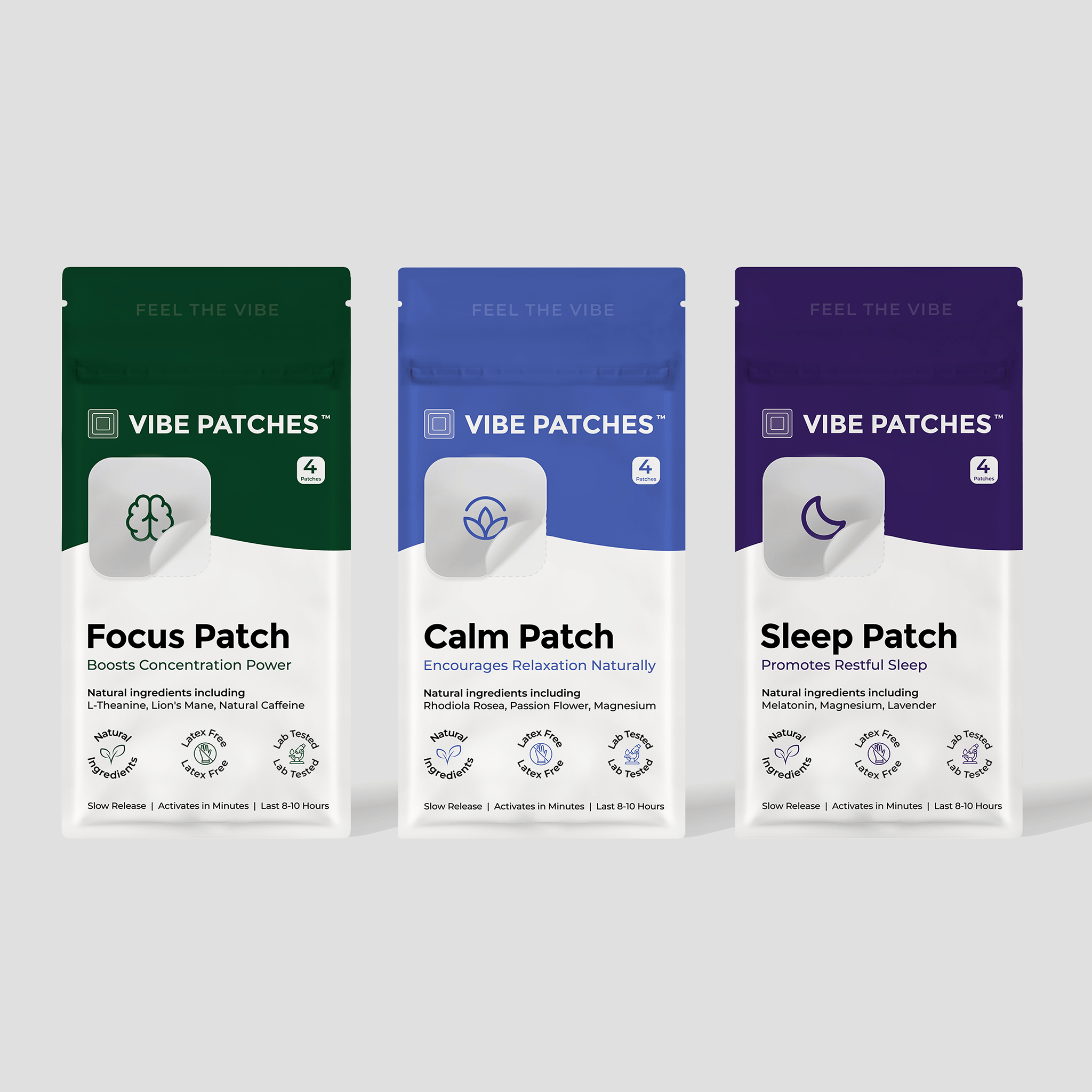
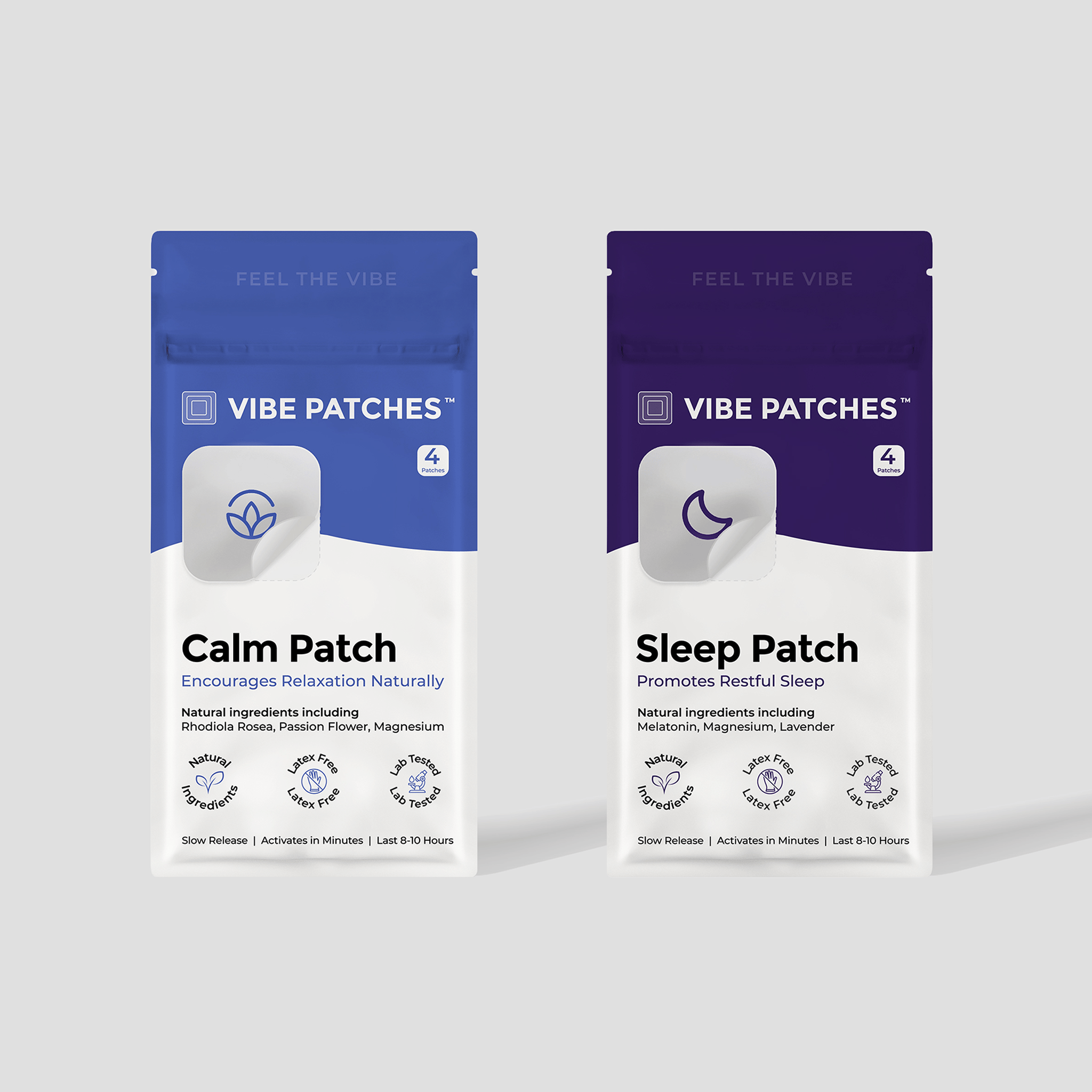
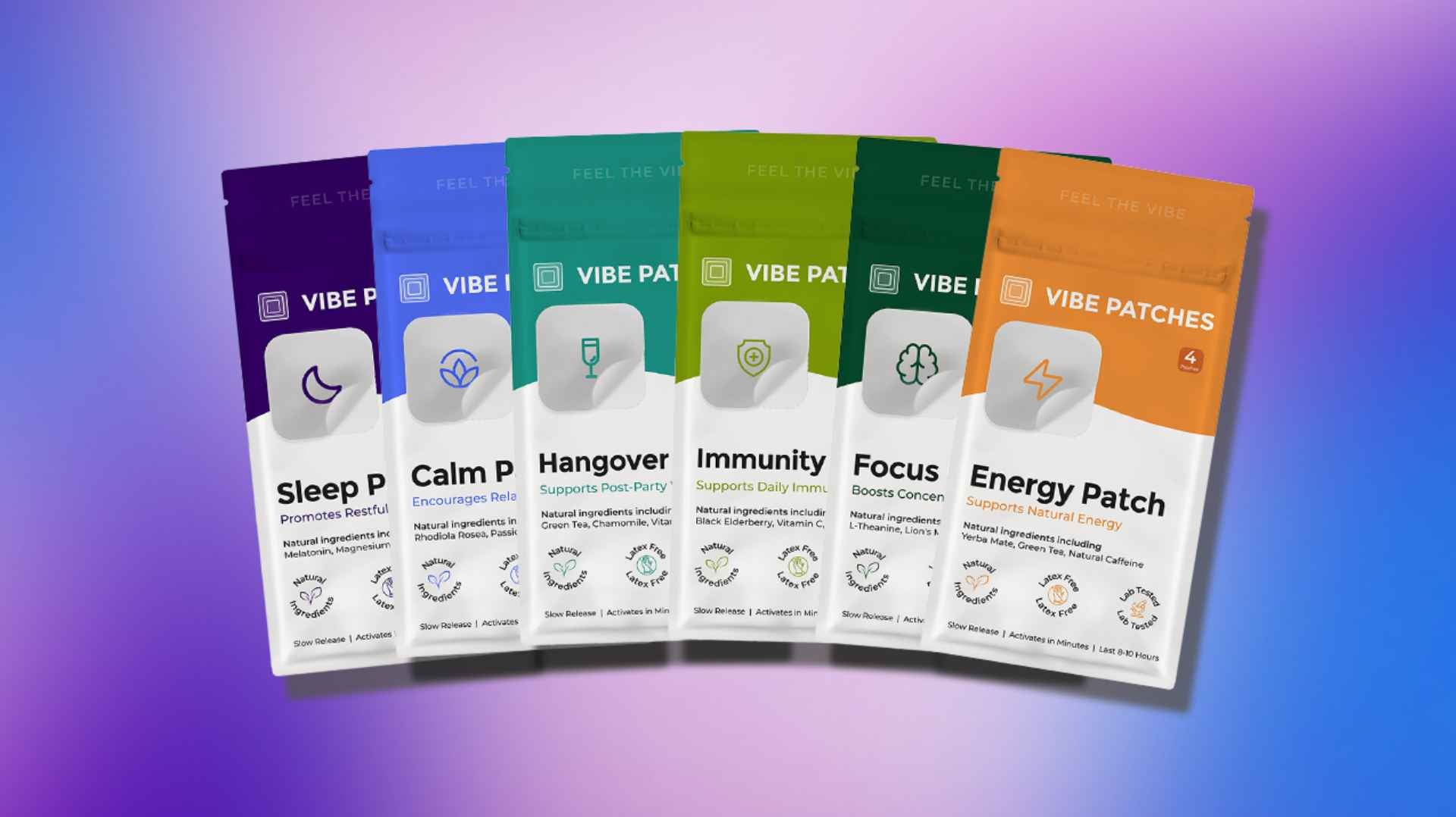
Vibe Patches supports healthy sleep patterns through innovative transdermal technology. The Sleep Patch delivers calming nutrients steadily throughout the evening without overwhelming your system. Unlike sleep medications that can create dependency, patches work alongside your body's natural processes.
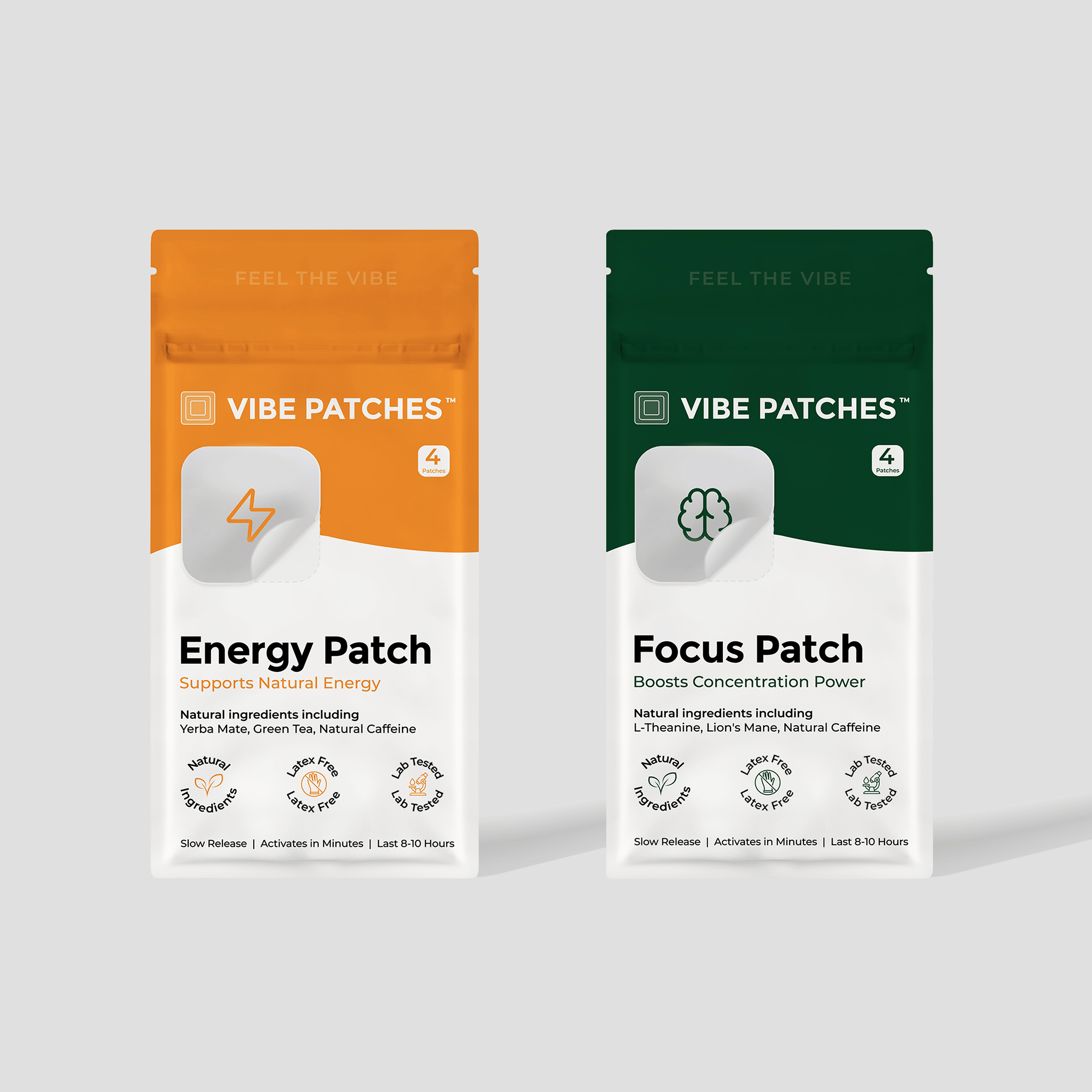
The gradual nutrient delivery helps maintain consistent support for restful sleep. You avoid the crashes and grogginess that oral supplements often cause. When sleep disruption does occur, the Energy Patch provides balanced daytime support without the jitters of caffeine overload.
For comprehensive wellness solutions that support both sleep and wakefulness naturally, explore Vibe Patches collections. Your body deserves better than pushing the limits of how long can you go without sleep.
Medical Disclaimer: This content is for informational purposes only and does not constitute medical advice. Always consult a healthcare provider for concerns about sleep disorders or chronic insomnia. If you have sleep apnoea, narcolepsy, or other diagnosed sleep conditions, discuss sleep deprivation risks with your doctor. If you experience severe confusion, chest pain, difficulty breathing, or hallucinations after sleep deprivation, seek immediate medical attention.
Sources:
Sleep Foundation - How Long Can You Go Without Sleep
National Institute of General Medical Sciences - Circadian Rhythms
National Institutes of Health - Sleep Deprivation and Deficiency