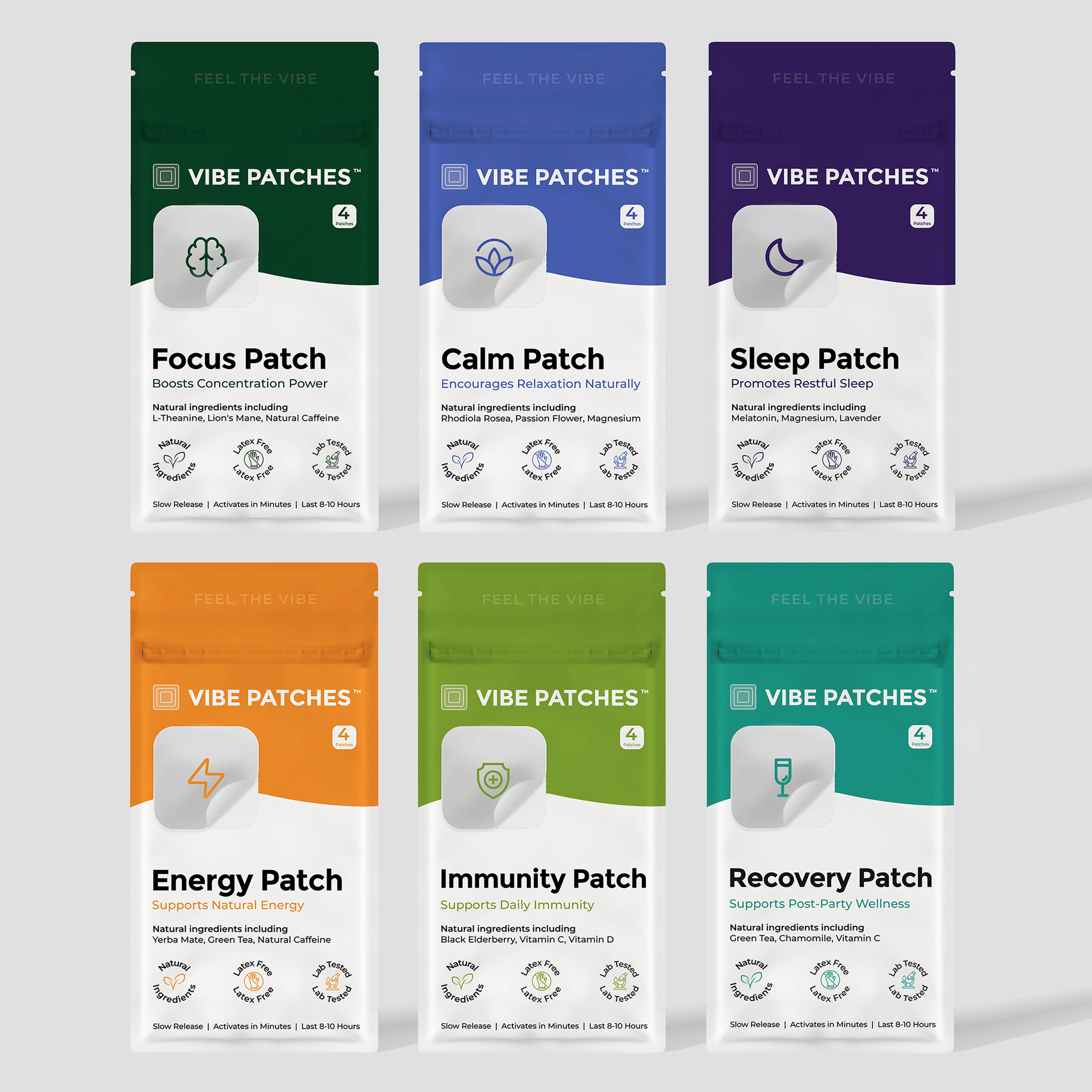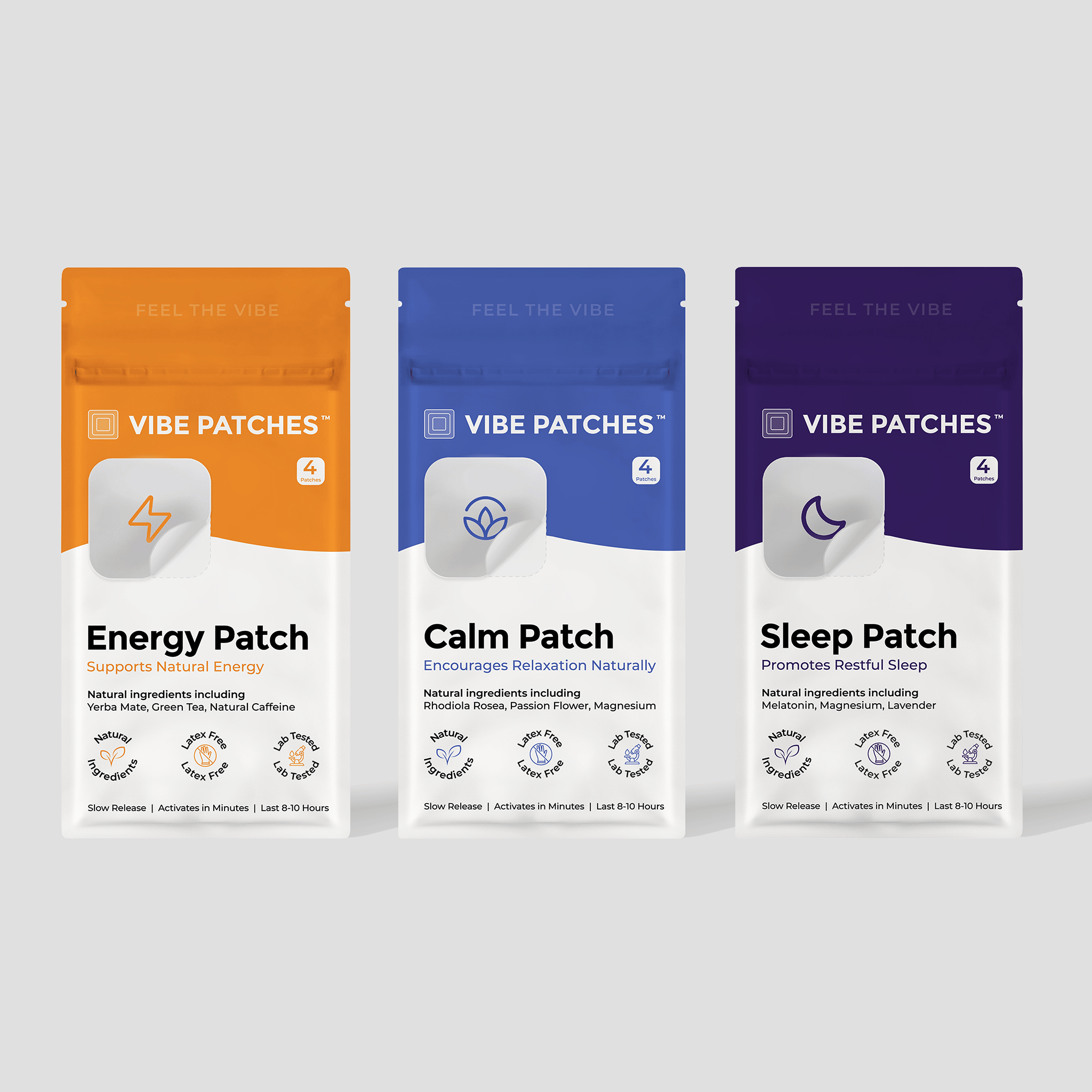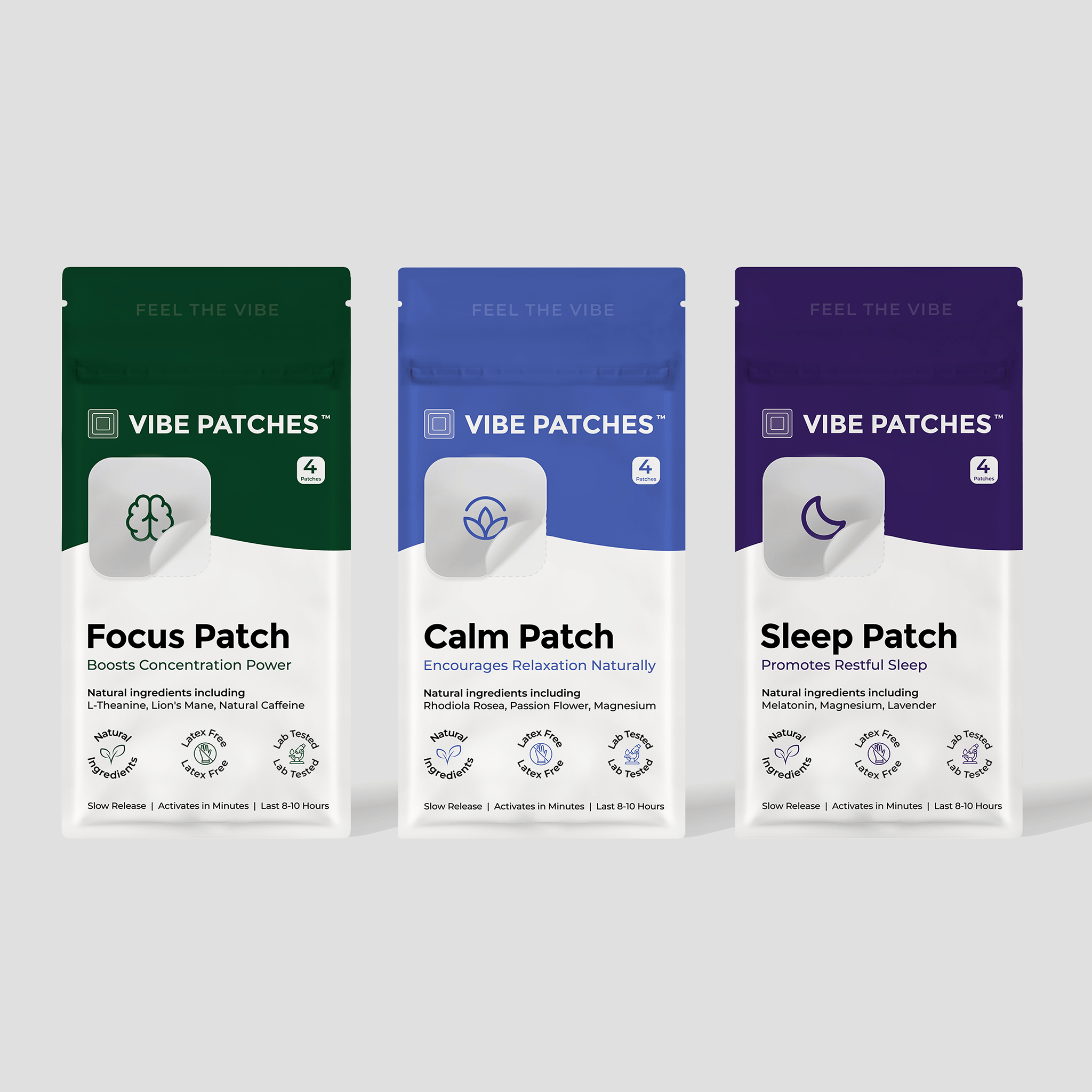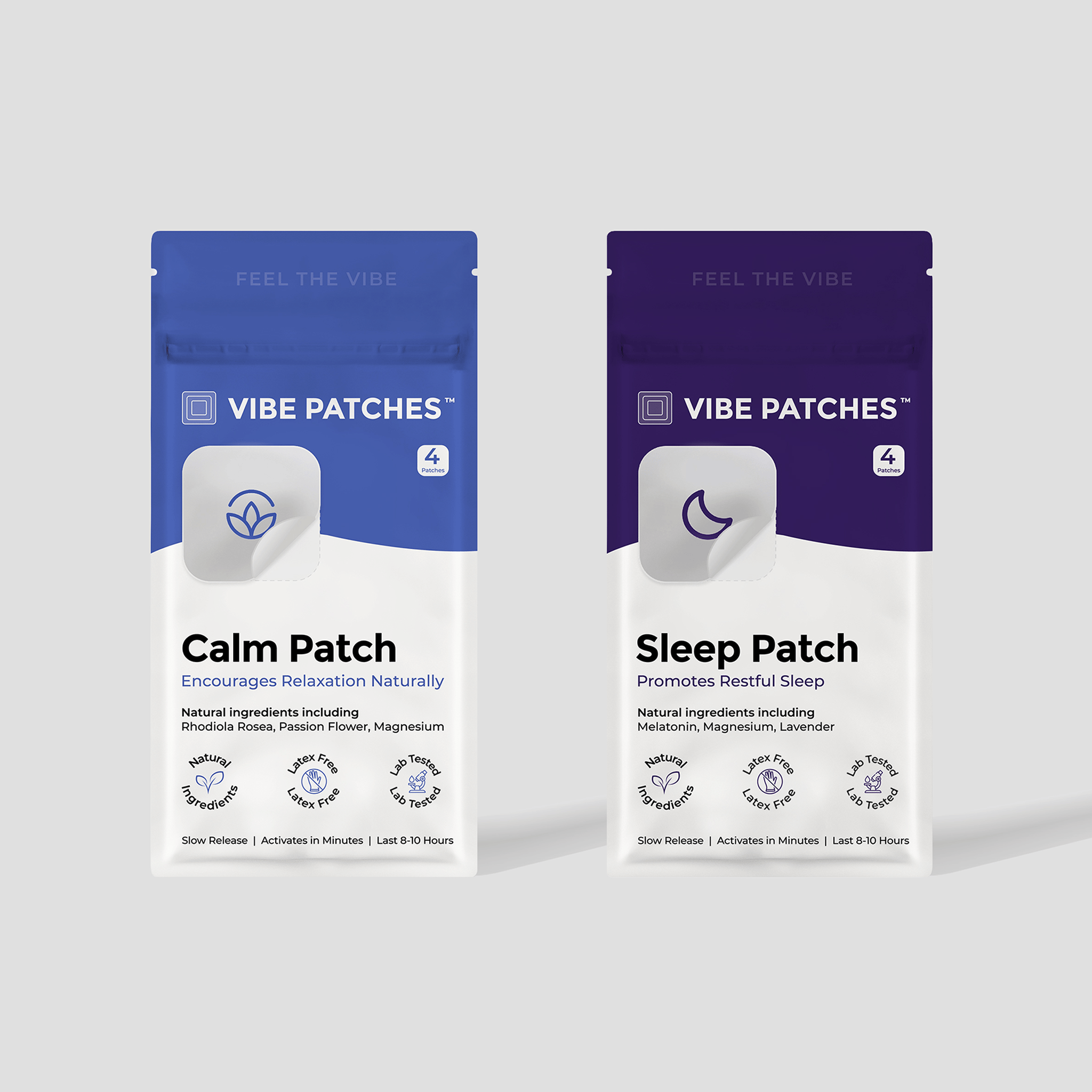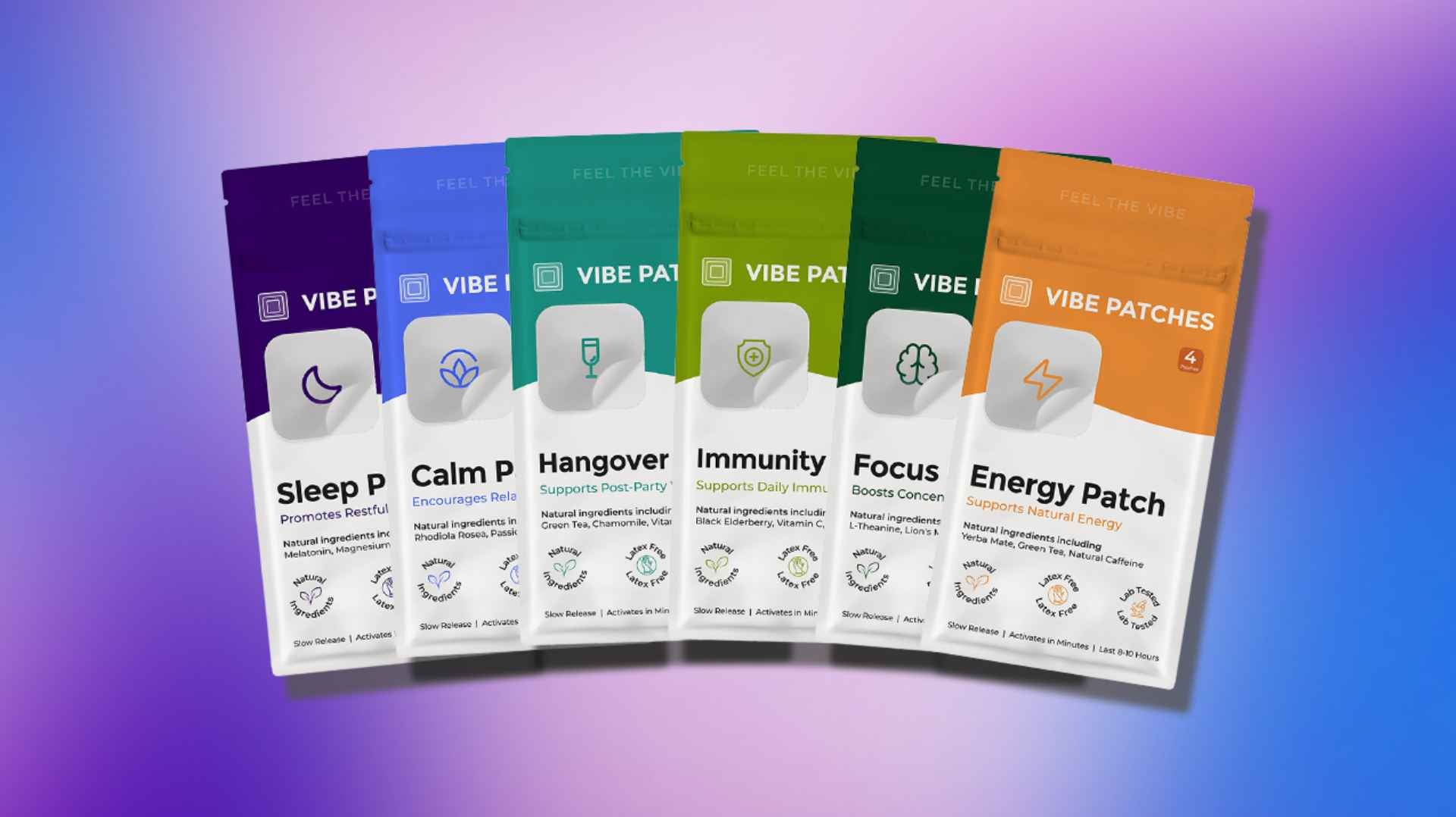

Fair question. Sleep products make big promises, and not all of them deliver. Does the sleep patch really work, or is it just a cleverly marketed sticker with expensive ingredients? Honestly, it depends on the formulation, the delivery method, and how you use it. Vibe Patches' Sleep Patch builds on science-backed ingredients. Its delivery mechanism sets it apart from typical melatonin pills.
Does the Sleep Patch Really Work: The Case for Transdermal Delivery
The delivery method is the first thing worth examining. Most sleep supplements come in pill form. You swallow them, they pass through your digestive system, and only some ingredients reach your bloodstream. That process takes time, involves metabolic breakdown, and varies from person to person. This is why does the sleep patch really work differently than a typical oral supplement.
Transdermal delivery changes the equation. The patch releases ingredients through the skin at a slow, steady pace throughout the night. According to the Sleep Foundation, continuous transdermal melatonin release helps people stay asleep. That's different from simply helping people fall asleep quickly.
A study cited by AdventHealth showed transdermal melatonin delivery increased REM sleep by 20 minutes per night. It also reduced wakefulness after sleep onset by 55 minutes. Those are meaningful numbers for people who wake frequently.
The Ingredients Behind the Results
The answer to does the sleep patch really work starts with what's inside it. The Sleep Patch doesn't rely on melatonin alone. Eight ingredients work together to address multiple parts of the sleep process. This layered approach works better for many people than single-ingredient supplements.
Melatonin, 5-HTP, and L-Tryptophan
Melatonin signals your brain that it's time to sleep by working with your circadian rhythm. The Sleep Patch delivers it gradually over 8 to 10 hours. This avoids the sharp spike and drop that pills cause. 5-HTP works earlier in the process by supporting your body's own production of serotonin and melatonin. L-Tryptophan supports the same pathway as a natural amino acid precursor.
Together, these three ingredients work across the full sleep hormone production chain. This gives your body multiple points of support rather than one external dose.
GABA, L-Theanine, and Magnesium
GABA is your brain's primary calming neurotransmitter. It reduces overactive brain signaling, which is often what keeps people awake even when they're tired. L-Theanine supports GABA activity and boosts serotonin and dopamine levels without causing drowsiness on its own. Research from the Sleep Foundation shows L-Theanine increases alpha brain waves associated with relaxed, drowsy states.
Magnesium connects all of it. According to Cleveland Clinic, magnesium activates GABA receptors in the brain and helps regulate melatonin production. Low magnesium is consistently linked to disrupted sleep quality. Scullcap Herb and Lavender Oil round out the formula. Both interact with GABA pathways to reinforce the calming effect.
Does the Sleep Patch Really Work for Everyone
The question of does the sleep patch really work the same for everyone has a nuanced answer. Several factors shape how effective any sleep supplement feels.
When It Tends to Work Best
The patch performs well for people whose sleep issues come from specific, addressable causes. These include:
-
Difficulty falling asleep due to an active or stressed mind at bedtime
-
Frequent waking during the night or early morning waking
-
Irregular sleep schedules, shift work, or jet lag disrupting the natural rhythm
-
Low magnesium levels affecting sleep quality
-
Wanting to avoid oral supplements due to GI sensitivity or inconsistent absorption
For these situations, the multi-ingredient approach with steady overnight delivery addresses the root causes.
When It May Not Be Enough Alone
A sleep patch isn't a medical treatment. The patch works best as a complement to professional care, not a replacement. Chronic insomnia or sleep apnea needs proper medical attention. Some people also need a few nights to adjust before noticing results. Consistent use with a regular sleep schedule produces better outcomes than sporadic application.
Getting the Most Out of the Sleep Patch
Does the sleep patch really work better with proper application is worth addressing. How you apply it directly affects how well the ingredients absorb. This part often gets skipped.
Follow these steps for consistent results:
-
Apply to clean, dry skin on your inner wrist or shoulder about 30 minutes before bed
-
Avoid areas with hair, lotion, or broken skin as these affect absorption
-
Wear the patch for the full 8 to 10 hours overnight, removing it in the morning
-
Keep a consistent bedtime while using the patch to support your circadian rhythm
-
Give it at least five to seven nights before drawing conclusions about whether it's working
Most people try it once, feel nothing dramatic, and write it off too early. The patch works gradually with your sleep biology, not against it. Set realistic expectations going in.
Try It and See the Difference
The answer to does the sleep patch really work comes down to ingredients, delivery, and user fit. The ingredients are research-backed. The delivery method offers genuine advantages over oral supplements. The formulation covers multiple sleep mechanisms that single-ingredient options miss.
Vibepatches built the Sleep Patch with GMP Certified, lab-tested ingredients and a time-release transdermal system. No pills. No grogginess. Just steady overnight support that works with your body's natural chemistry. Check the full breakdown on the ingredients page if you want to go deeper into what's inside.
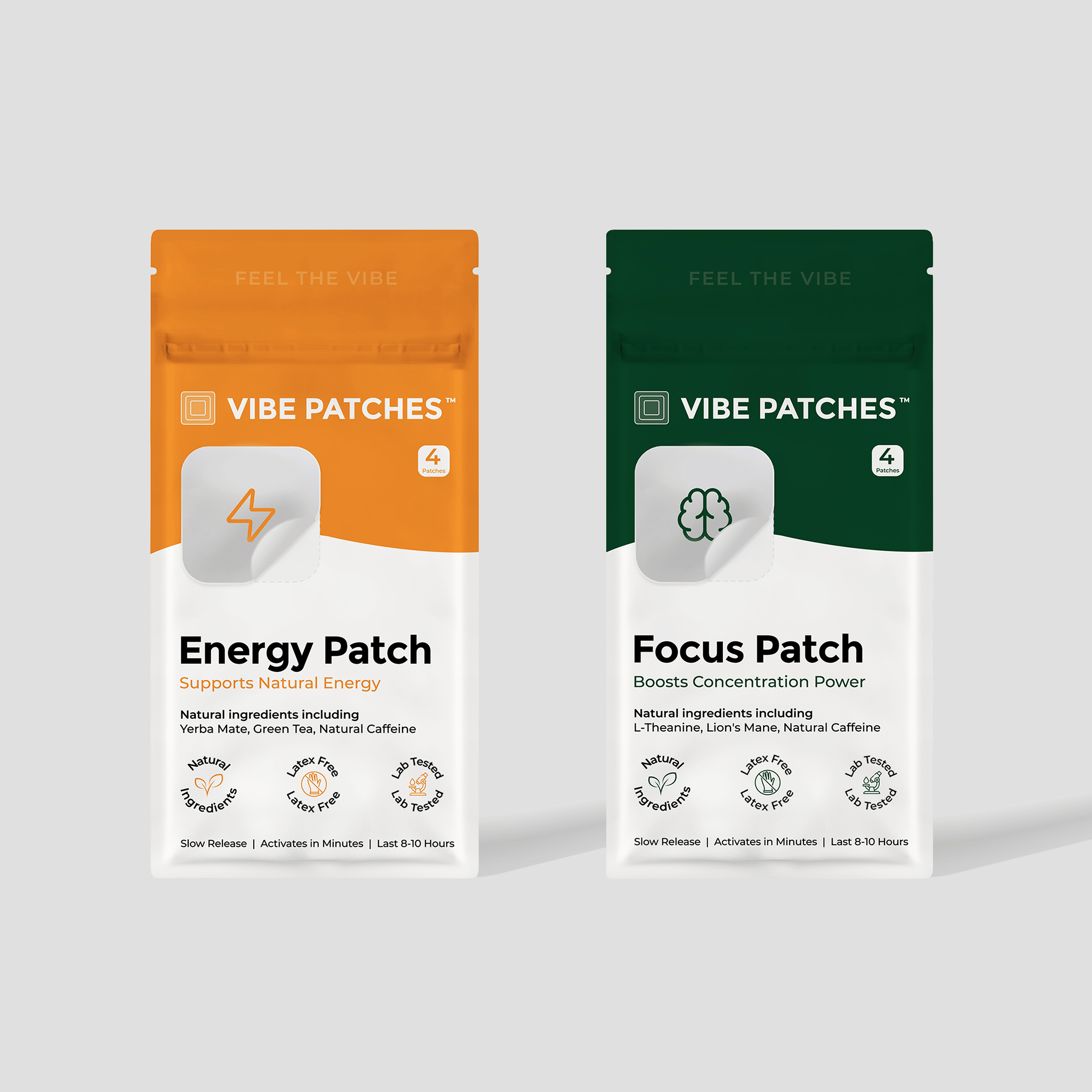
When poor nights affect your days, the Energy Patch helps restore your vitality. The Focus Patch keeps your concentration steady when a rough night carries into the morning. Explore the full collection and build a routine that covers your whole day.
Ready to find out for yourself? Try the Sleep Patch and let the results answer the question.
Medical Disclaimer: This content is for informational purposes only and does not constitute medical advice. Consult a qualified healthcare provider for persistent sleep problems or suspected sleep disorders. Transdermal patches are not a substitute for medical treatment.
Sources:
Sleep Foundation - Melatonin Sleep Patches
Sleep Foundation - L-Theanine for Sleep