
If you have ever stared at the ceiling at 2am, you know how frustrating poor sleep is. You have probably tried a few things already. Maybe melatonin tablets, magnesium powder, or a chamomile tea before bed. Now you are wondering about sleep patches and whether they are actually worth trying. Do sleep patches work, or are they just another wellness product with more packaging than proof? This post breaks it down honestly.
Why So Many People Struggle to Sleep
Poor sleep is not a character flaw. It is a genuinely common problem with real biological causes. Before looking at whether do sleep patches work is the right question, it helps to understand what gets in the way of good sleep in the first place.
What Disrupts Your Sleep Cycle
Your body runs on a circadian rhythm. This is your internal 24-hour clock that tells you when to feel awake and when to feel sleepy. Light exposure, meal timing, stress, and screen use all influence this clock. When these signals get disrupted, falling asleep and staying asleep becomes much harder.
Cortisol also plays a big role. This is your primary stress hormone, and it should be low at night. Research from the National Institutes of Health shows that elevated evening cortisol is directly linked to difficulty falling asleep and reduced sleep quality. Chronic stress keeps cortisol high at exactly the wrong time.
How Nutrient Deficiencies Affect Sleep
Your body needs specific nutrients to produce sleep-related compounds. Magnesium supports the production of GABA, a calming neurotransmitter that helps your nervous system wind down. Low magnesium levels are consistently linked to restless sleep and more frequent night waking.
B6 plays a role in converting tryptophan into serotonin, which your body then converts into melatonin. Without enough B6, this process slows down. Many Australians run low on both magnesium and B6 without realising it, which quietly chips away at sleep quality over time.
What Sleep Patches Typically Contain
So do sleep patches work? The answer depends heavily on what is inside them. A well-formulated sleep patch targets the specific biological processes that support natural sleep onset and maintenance. Here is what you will commonly find in quality sleep patches and what the research says about each:
-
Melatonin. Your body produces this naturally as light fades. The Mayo Clinic notes that melatonin supplementation can help reset sleep timing, particularly for shift workers and people dealing with jet lag or irregular schedules.
-
Magnesium. Supports GABA activity and muscle relaxation. Consistently linked to better sleep quality in people with low dietary intake.
-
L-theanine. An amino acid found in green tea that promotes calm alertness without sedation. It reduces the mental chatter that keeps a lot of people awake.
-
Valerian root extract. A traditional herb with some clinical support for reducing the time it takes to fall asleep. Evidence is moderate but consistent across several studies.
-
5-HTP. A precursor to serotonin and melatonin. Supports the natural hormone pathway that your body uses to shift into sleep mode.
No single ingredient works for everyone. The combination and the delivery method both influence how useful a sleep patch is for any given person.
How Transdermal Delivery Applies to Sleep Support
Here is where do sleep patches work becomes a more nuanced question. The way a sleep supplement reaches your bloodstream affects how useful it is. Oral melatonin, for example, hits your system quickly and peaks fast. For some people, that fast peak actually disrupts their sleep architecture rather than supporting it.
Transdermal delivery works differently. The patch sits on your skin and releases ingredients gradually over several hours. Research in the journal Drug Delivery confirms that transdermal delivery can improve bioavailability for certain compounds by bypassing first-pass metabolism in the liver. For sleep support specifically, the slower and more sustained release better mirrors how your body naturally produces sleep hormones through the night.
There is also a practical advantage. You apply the patch before bed and it works quietly while you sleep. No capsules to swallow, no powders to mix, and no need to time anything precisely.
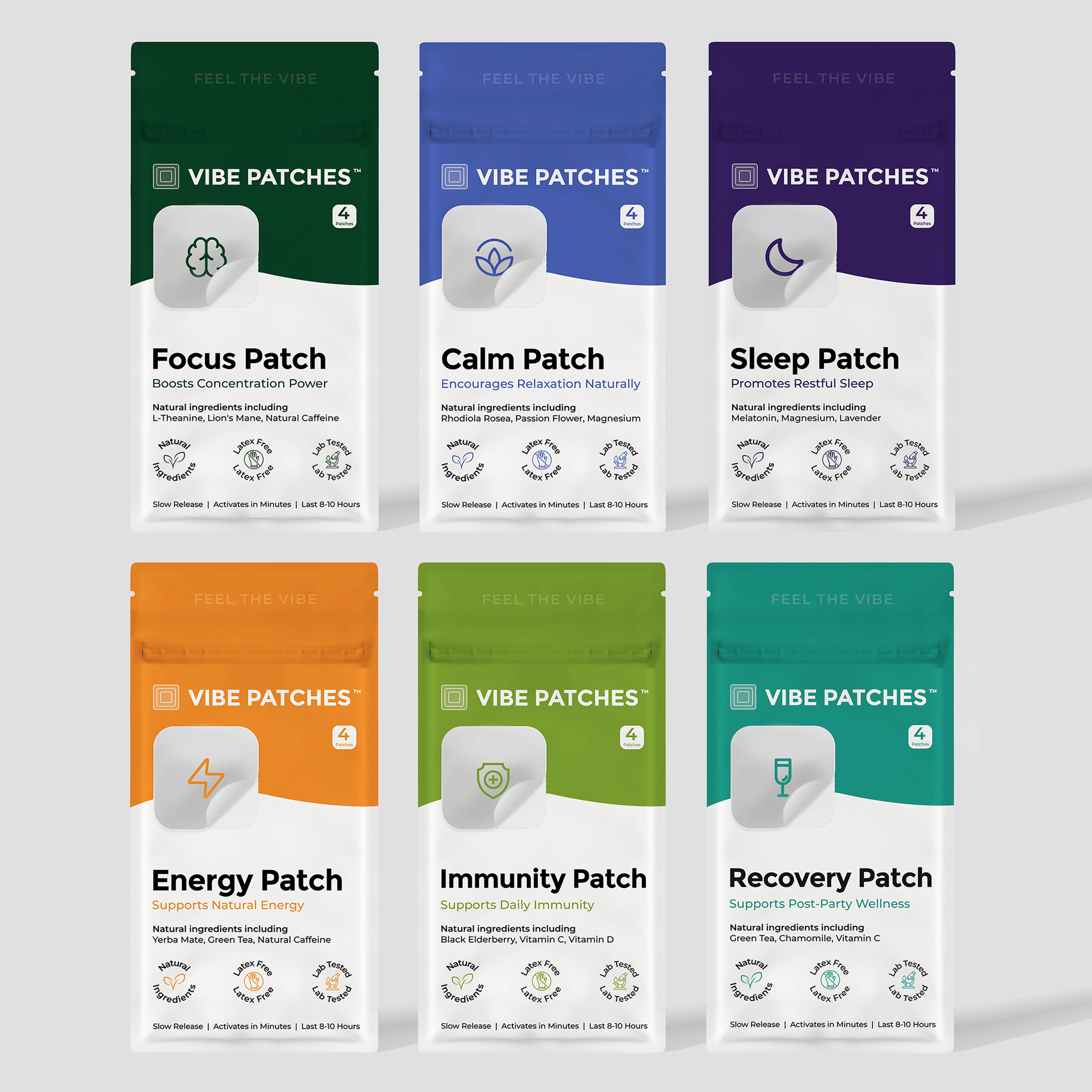
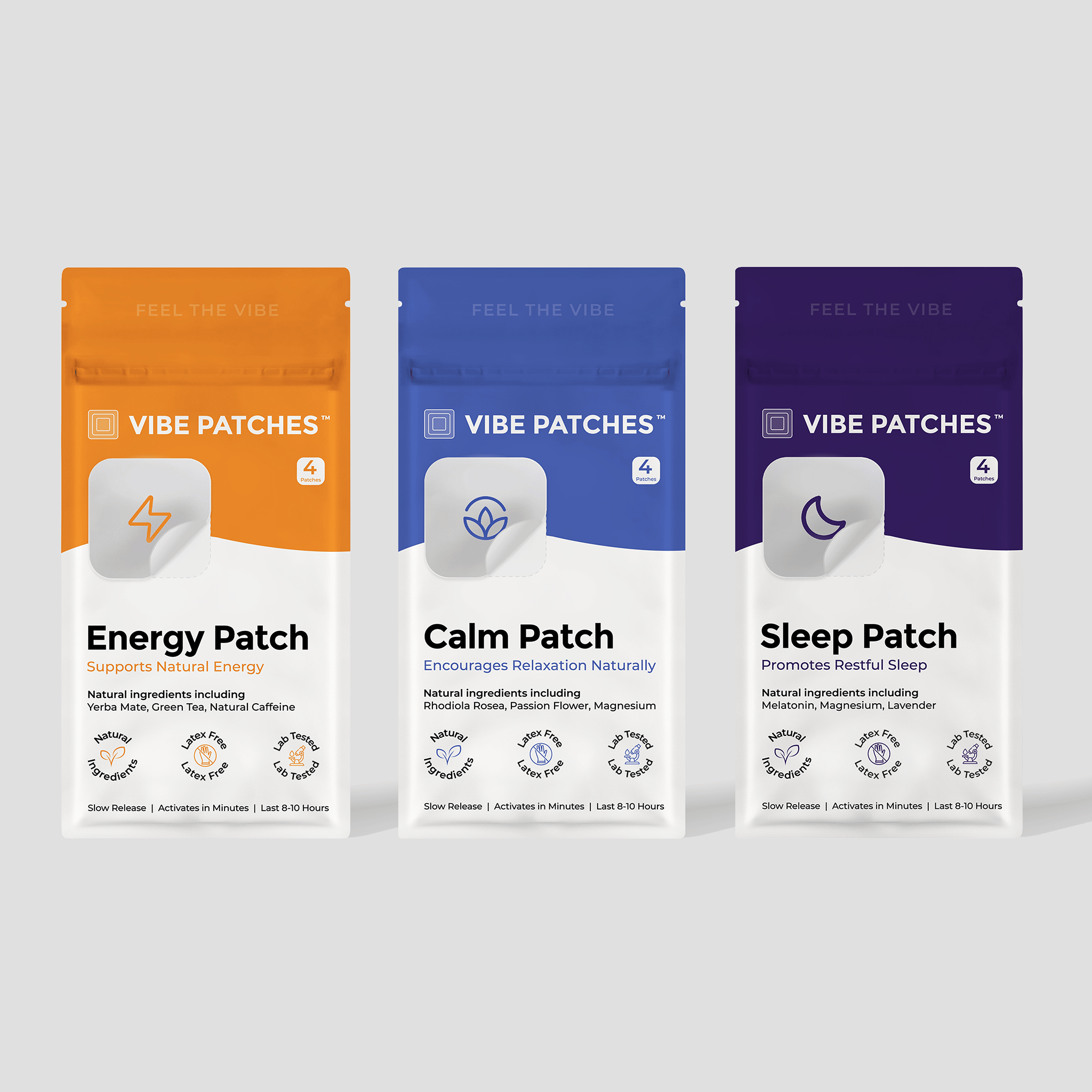
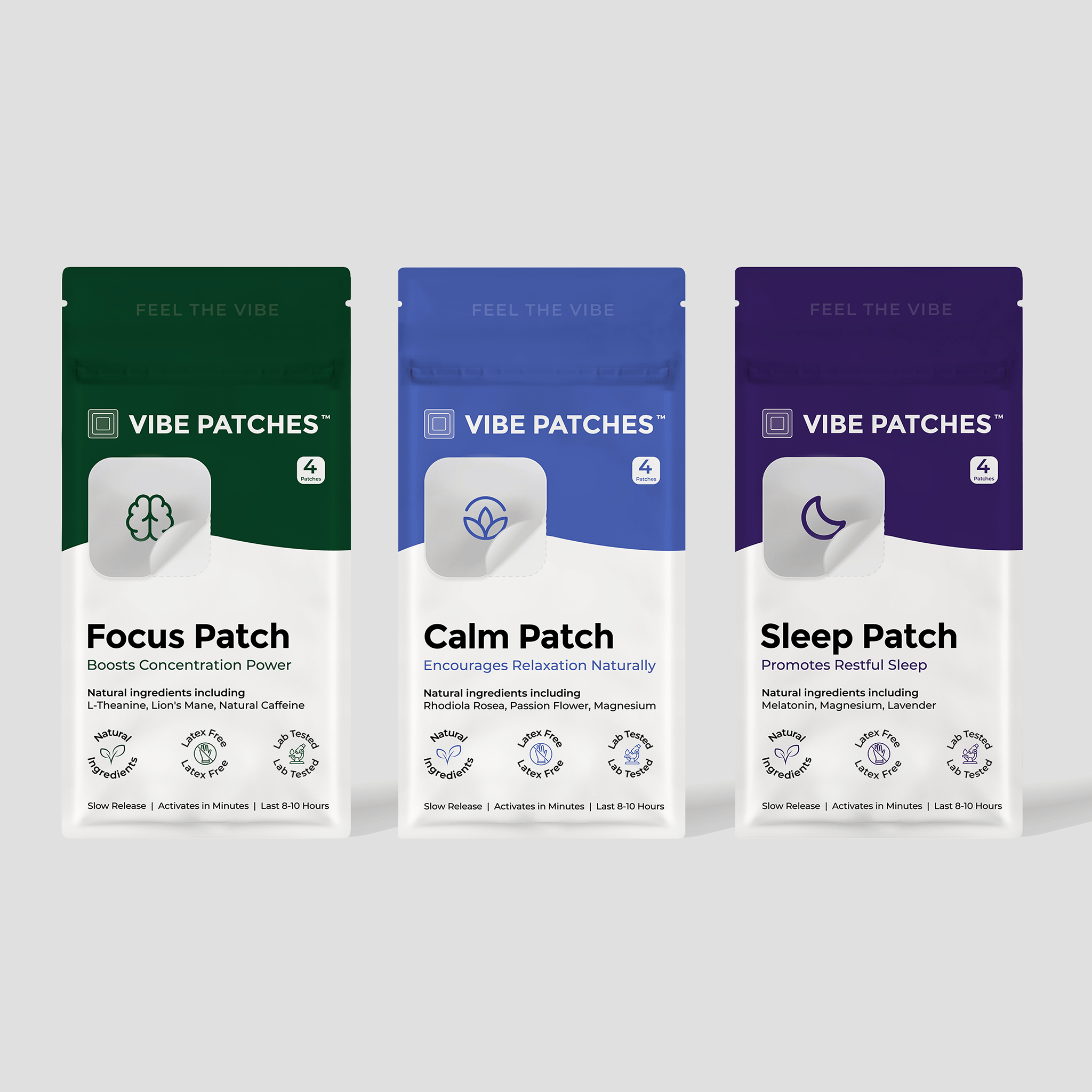
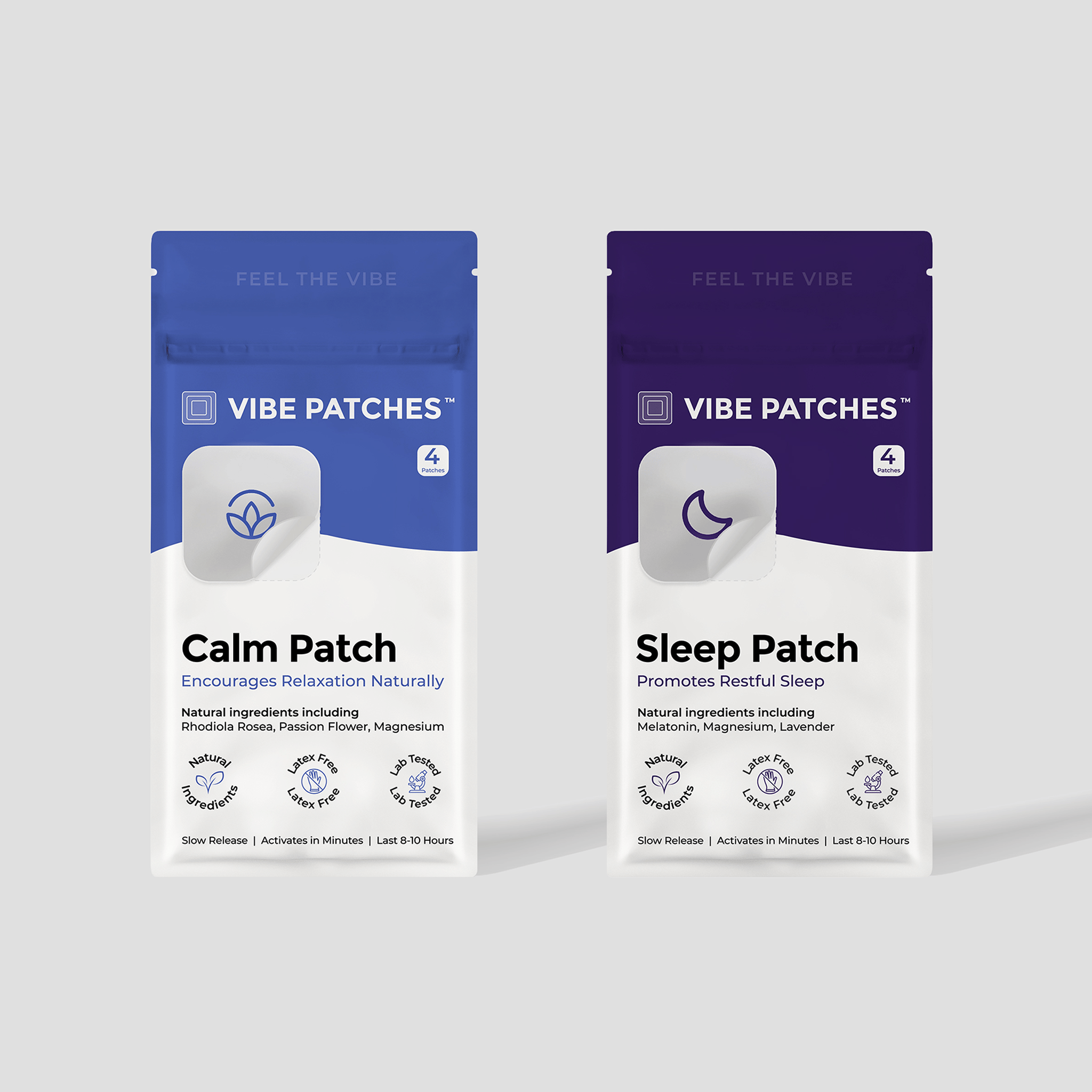
The Sleep Patch from Vibe Patches uses this transdermal approach to deliver sleep-supporting nutrients through your skin throughout the night, without the abrupt peaks that can come from oral formats.
Who Tends to Get the Most From Sleep Patches
Sleep patches are not a universal fix. They work best for specific situations. Here are the people who tend to find them most useful:
-
Those who struggle to fall asleep due to a busy or overactive mind at night
-
People with inconsistent sleep schedules from shift work or frequent travel
-
Anyone who finds oral melatonin too strong or disruptive to their sleep quality
-
Those with low magnesium intake who experience restless sleep or night cramps
-
People who want a non-habit-forming option without reaching for stronger sleep aids
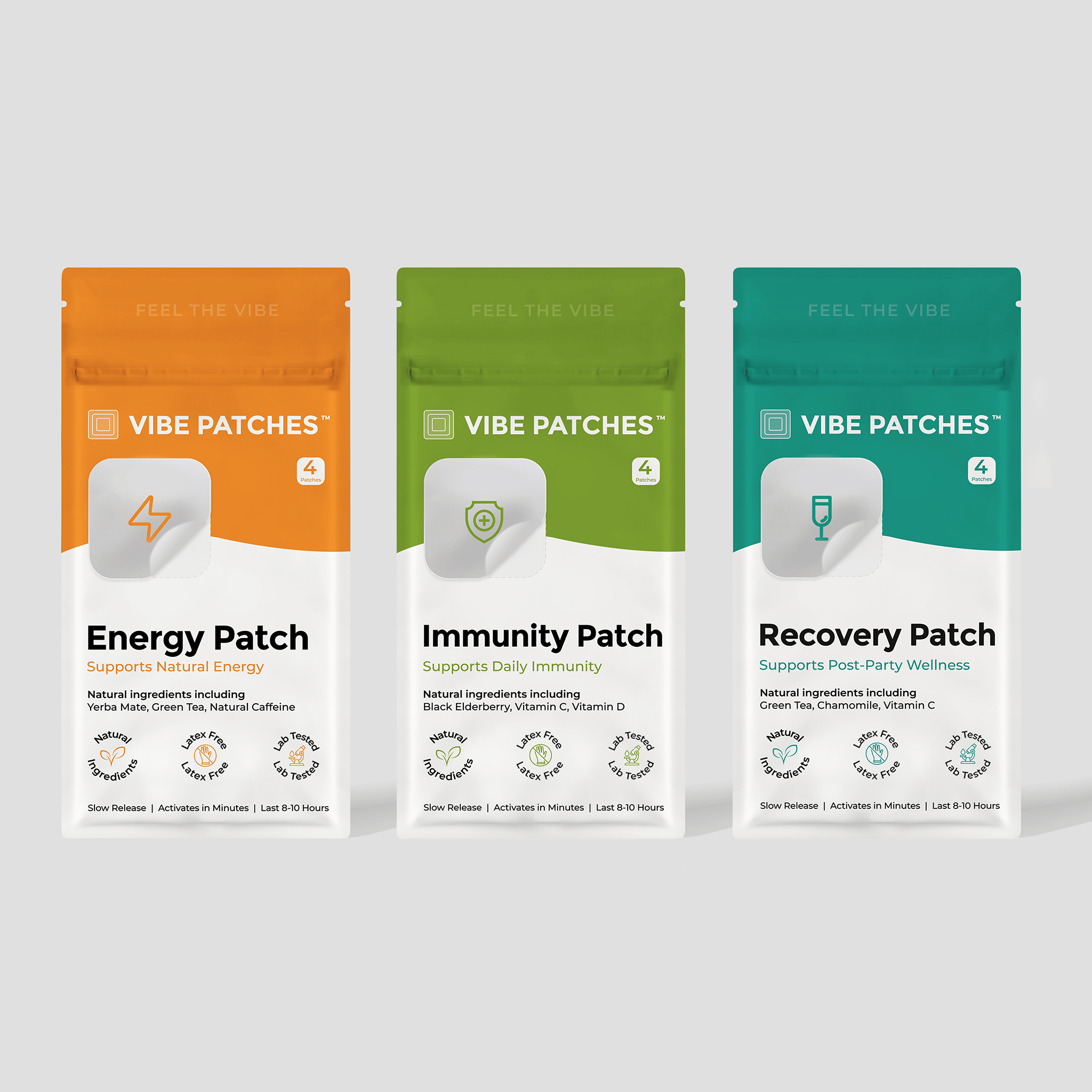
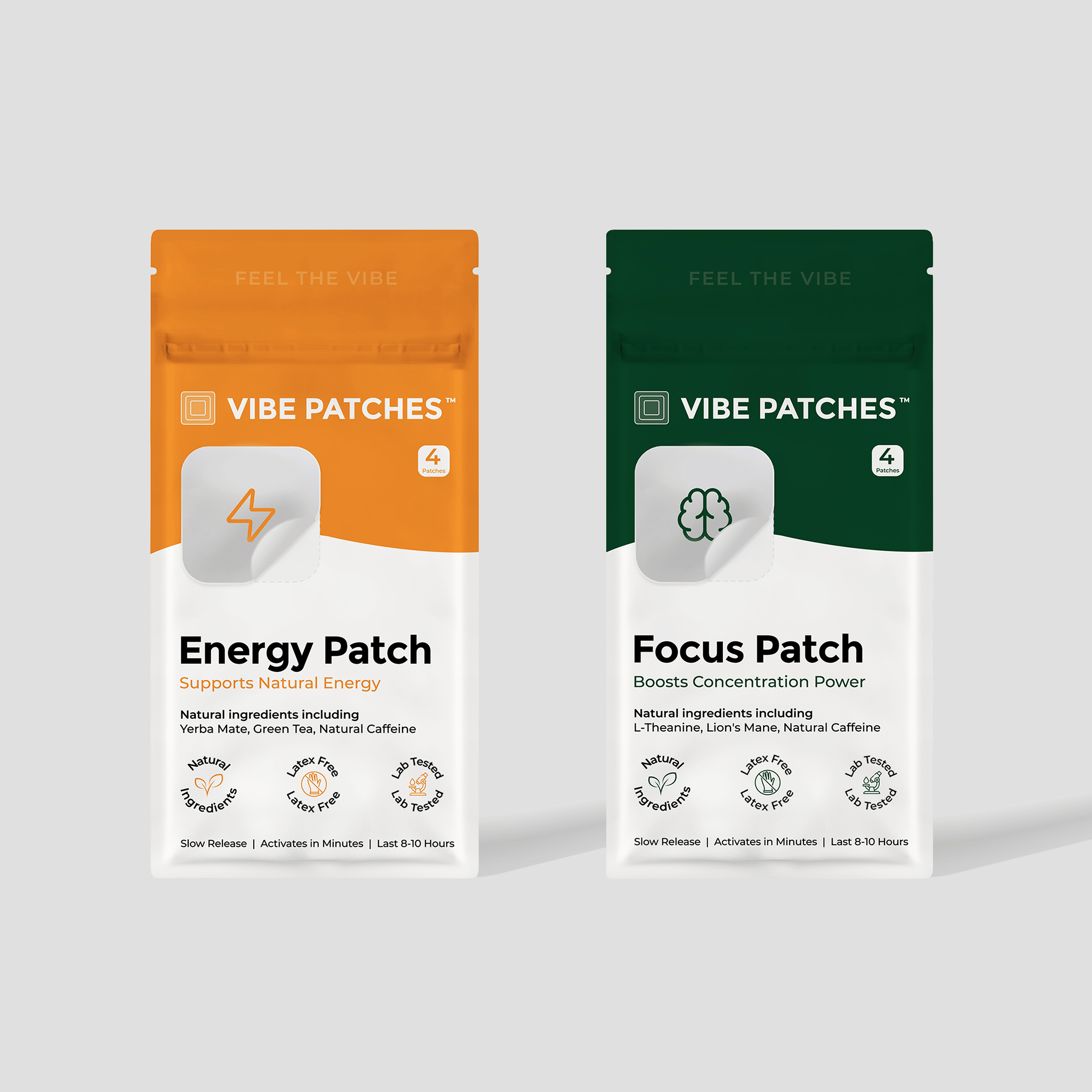
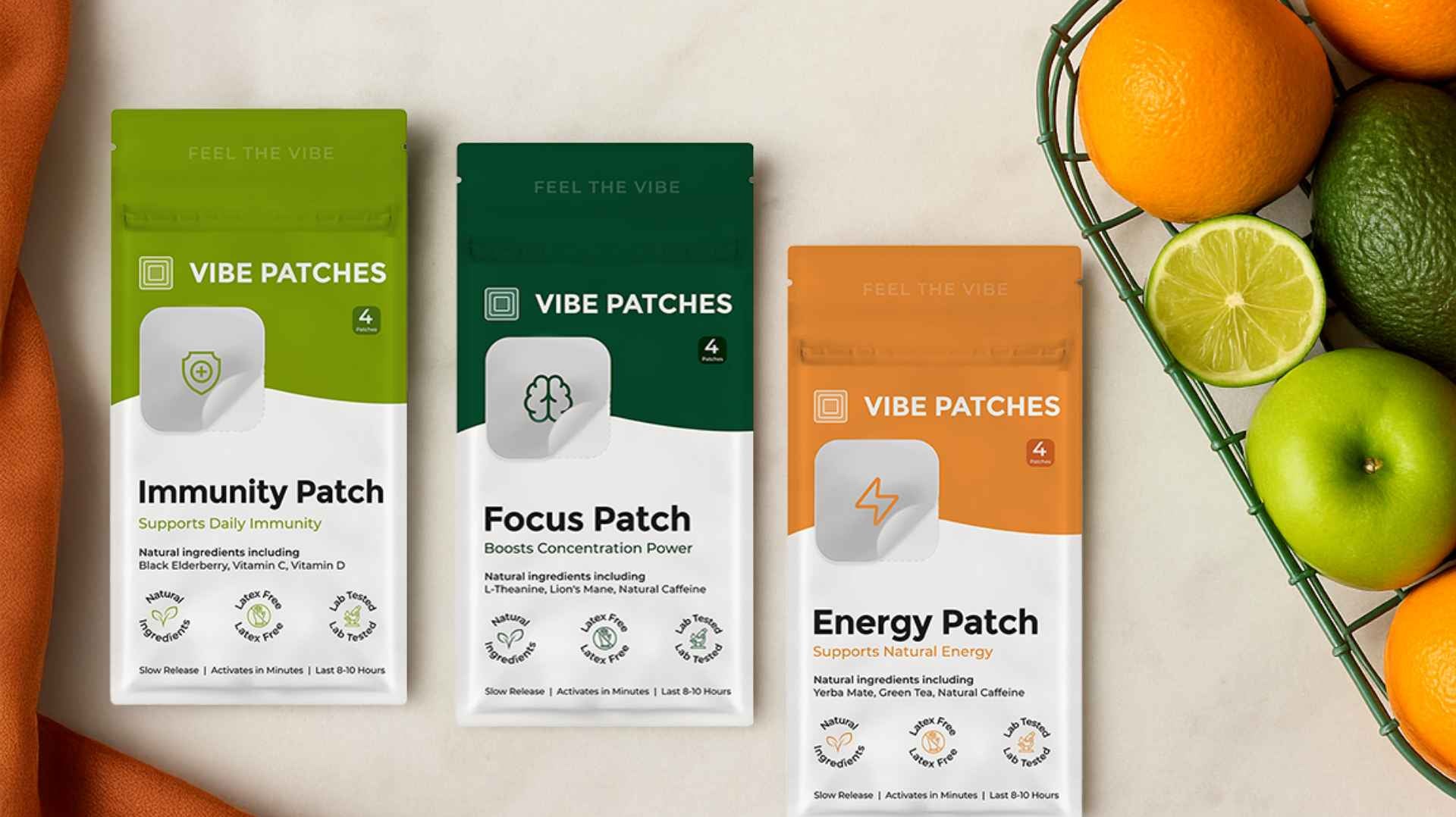
If poor sleep is leaving you running on empty during the day, your energy and focus take a real hit. The Energy Patch from Vibe Patches can help you get through demanding days without relying on excessive coffee or energy drinks while you work on improving your sleep baseline.
Building Better Sleep Alongside a Patch
A sleep patch works best as part of a broader routine. Here are simple habits that consistently improve sleep quality when combined with targeted nutrient support:
-
Keep your wake time consistent, even on weekends, to anchor your circadian rhythm
-
Avoid bright screens for at least 30 minutes before bed to support natural melatonin production
-
Keep your bedroom cool and dark since your body temperature needs to drop to initiate sleep
-
Limit alcohol in the evenings since it disrupts REM sleep significantly even in small amounts
-
Apply your sleep patch 30 to 60 minutes before you plan to sleep for best results
If stress and mental load are a major driver of your sleep issues, addressing focus and cognitive fatigue during the day can also help. The Focus Patch from Vibe Patches supports clearer thinking and steadier energy through the day, which can reduce the mental buildup that makes switching off at night harder.
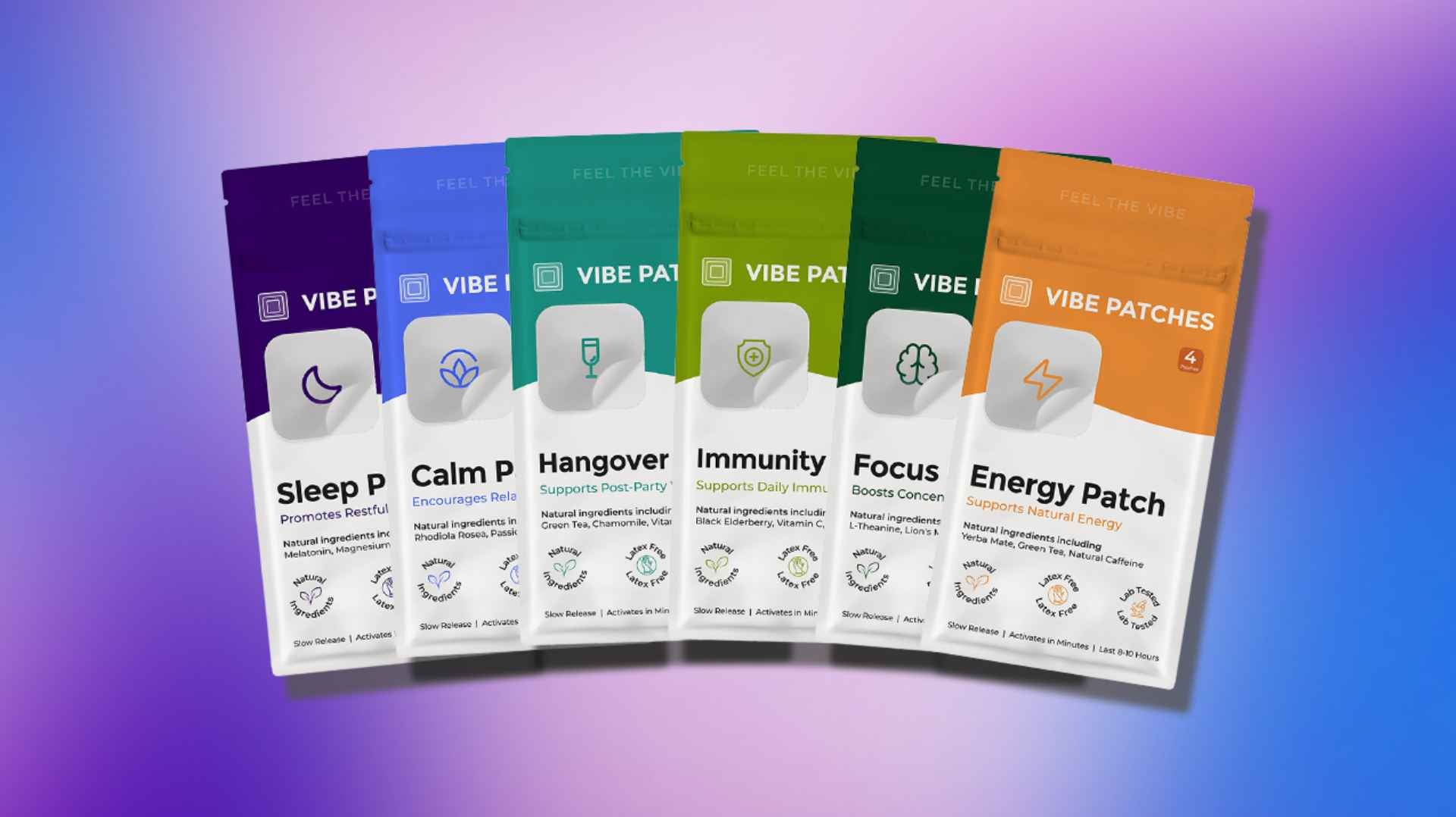
And if you are dealing with disrupted sleep after a big social night, the Hangover Patch is worth keeping on hand to support overnight recovery when alcohol has already done a number on your sleep quality.
If you are ready to try a more consistent approach to sleep support, Vibe Patches delivers key sleep nutrients directly through your skin for gradual, sustained release through the night. No pills, no powders, no guesswork. Browse the full range at the Vibe Patches collections page and find the combination that fits where you are right now.
Medical Disclaimer: This content is for informational purposes only and does not constitute medical advice. Always consult a healthcare provider for concerns about sleep disorders, chronic insomnia, or supplement use. Sleep patches are not suitable for everyone and individual results vary. If you experience persistent sleep difficulties, excessive daytime fatigue, or symptoms that interfere with daily functioning, seek professional medical advice promptly.
Sources:
National Institutes of Health - Stress and Sleep
Mayo Clinic - Melatonin as a Sleep Aid
PubMed - Transdermal Drug Delivery: Innovative Pharmaceutical Developments