
Most people know that eight hours of sleep is the goal. Fewer people know that the quality of those hours depends on what happens inside each sleep cycle. Deep sleep vs REM sleep is not a competition. Both stages are essential, and both serve completely different purposes. If you wake up feeling unrested despite spending enough time in bed, understanding the difference between these two stages is a good place to start.
What Happens Inside a Sleep Cycle
Before diving into deep sleep vs REM sleep directly, it helps to understand how a sleep cycle works. Each cycle lasts roughly 90 minutes and moves through several stages in a set sequence. You go through four to six of these cycles per night.
The early cycles of the night contain more deep sleep. REM sleep becomes more prominent in the later cycles, particularly in the final two hours before you wake. This is why cutting your sleep short by even an hour or two significantly reduces your REM sleep, even if your total time in bed seems close to adequate.
The Stages That Lead to Deep Sleep
Sleep begins with light sleep stages. Stage one is the transition between wakefulness and sleep. Stage two involves your body temperature dropping, your heart rate slowing, and your brain producing sleep spindles that help block out external noise. These stages prepare your body for the deeper recovery that follows.
Stage three is slow-wave sleep, which most people refer to as deep sleep. This is the most physically restorative stage of the cycle. Your body releases growth hormone, repairs tissue, strengthens the immune system, and consolidates motor learning during this stage. The NIH notes that slow-wave sleep plays a critical role in physical recovery and immune function.
What REM Sleep Involves
REM stands for Rapid Eye Movement. During this stage, your brain becomes highly active while your body remains largely still. Your eyes move rapidly beneath your eyelids and vivid dreaming typically occurs.
REM sleep is the stage most closely associated with emotional processing, creativity, and memory consolidation. Your brain replays and integrates the experiences and information from the day. This is why a poor night of sleep often leaves you feeling emotionally flat and mentally foggy the next morning, even if you do not remember waking.
Deep Sleep vs REM Sleep: Key Differences
Both stages are non-negotiable for a functioning brain and body. Here is a clear breakdown of what sets them apart:
-
Deep sleep occurs earlier in the night and dominates the first few cycles
-
REM sleep increases across the night and peaks in the final cycles before waking
-
Deep sleep drives physical recovery, immune support, and growth hormone release
-
REM sleep drives emotional regulation, memory consolidation, and creative processing
-
Deep sleep is harder to wake from and produces the most grogginess if interrupted
-
REM sleep is when most dreaming occurs and the brain is nearly as active as when awake
Skipping either stage consistently creates problems. Chronic deep sleep deficiency affects physical health, immunity, and physical performance. Chronic REM deficiency affects mood, memory, and the ability to manage stress.
What Disrupts Deep Sleep vs REM Sleep
Several common habits suppress one or both stages without most people realising it. The Sleep Foundation identifies these as among the most significant disruptors of sleep architecture. Here is what tends to interfere most:
-
Alcohol. It increases deep sleep in the first half of the night but significantly suppresses REM sleep overall. This is why alcohol often produces a rebound effect of vivid dreams and light sleep in the second half of the night.
-
Late caffeine. Caffeine has a half-life of around five to six hours. Consuming it after 2pm can reduce slow-wave sleep depth even if you fall asleep without difficulty.
-
Irregular sleep timing. Going to bed and waking at inconsistent times shifts your sleep architecture and reduces the proportion of both deep sleep and REM sleep you get.
-
Screens before bed. Blue light delays melatonin production and pushes back sleep onset, which compresses the overall cycle count for the night.
-
Stress and high cortisol. Elevated cortisol at night reduces slow-wave sleep depth and fragments the sleep cycle overall.
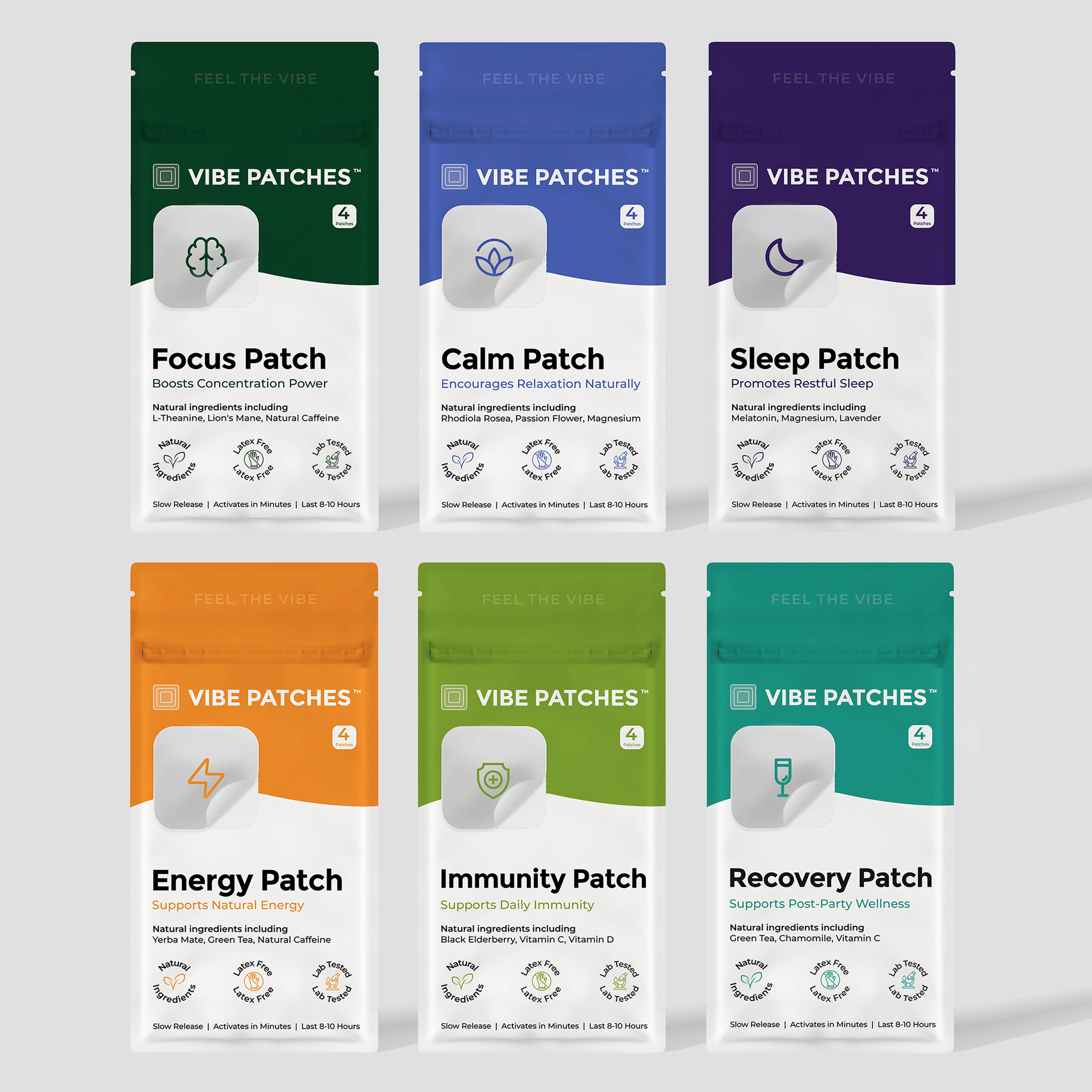
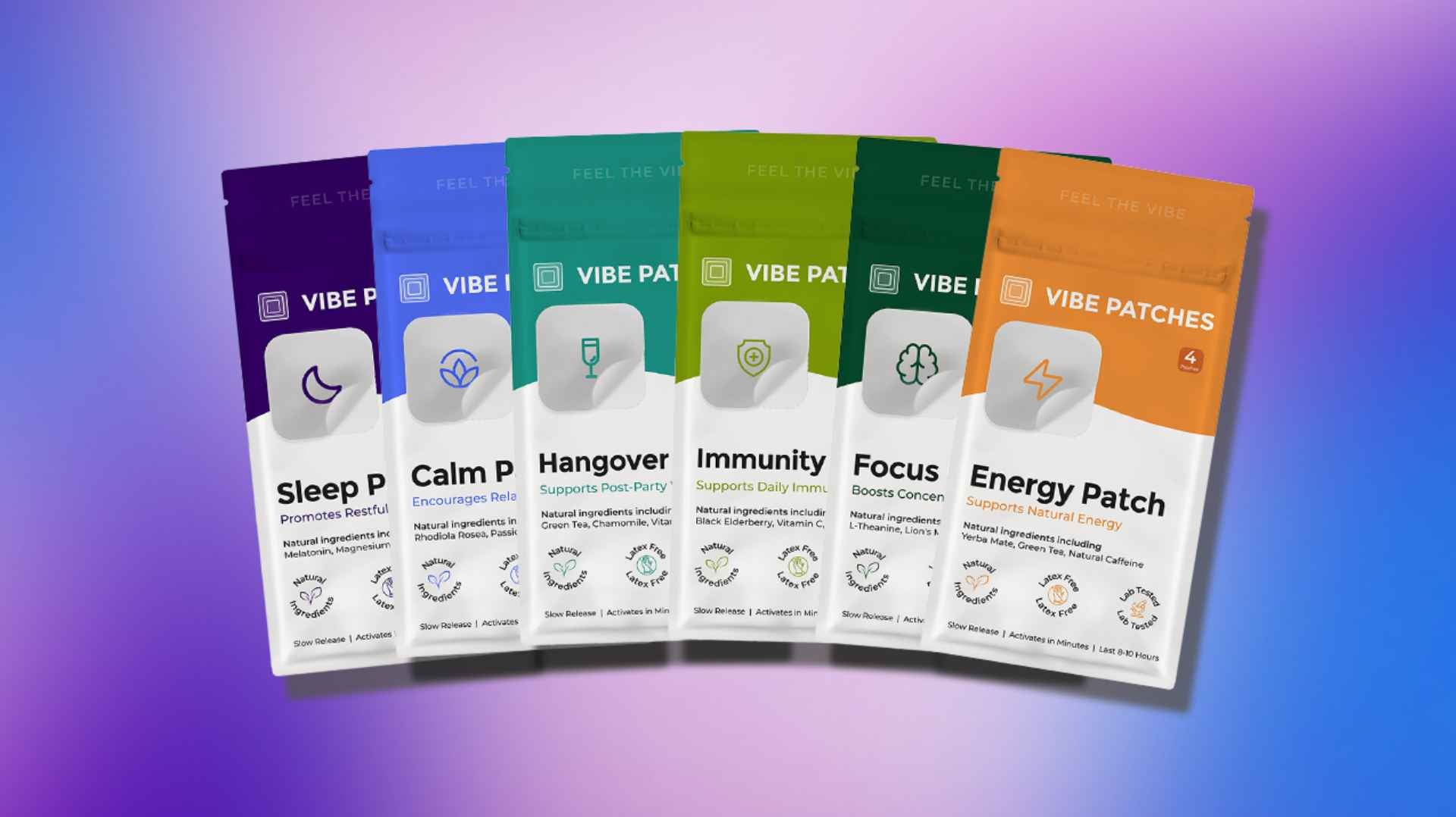
If alcohol has recently disrupted your sleep, the Hangover Patch from Vibe Patches supports overnight physical recovery to help you feel more restored after a rough night.
How to Protect Both Deep Sleep and REM Sleep
Getting more of both stages comes down to consistent habits that support your full sleep architecture rather than just time in bed. Here are the most evidence-supported approaches:
-
Keep a consistent sleep and wake schedule every day, including weekends
-
Aim for seven to nine hours to allow enough cycles for both deep and REM stages
-
Avoid alcohol within three hours of bed to protect REM sleep in the second half of the night
-
Limit caffeine after midday to preserve slow-wave sleep depth
-
Wind down for 30 minutes before bed with low light and minimal screen exposure
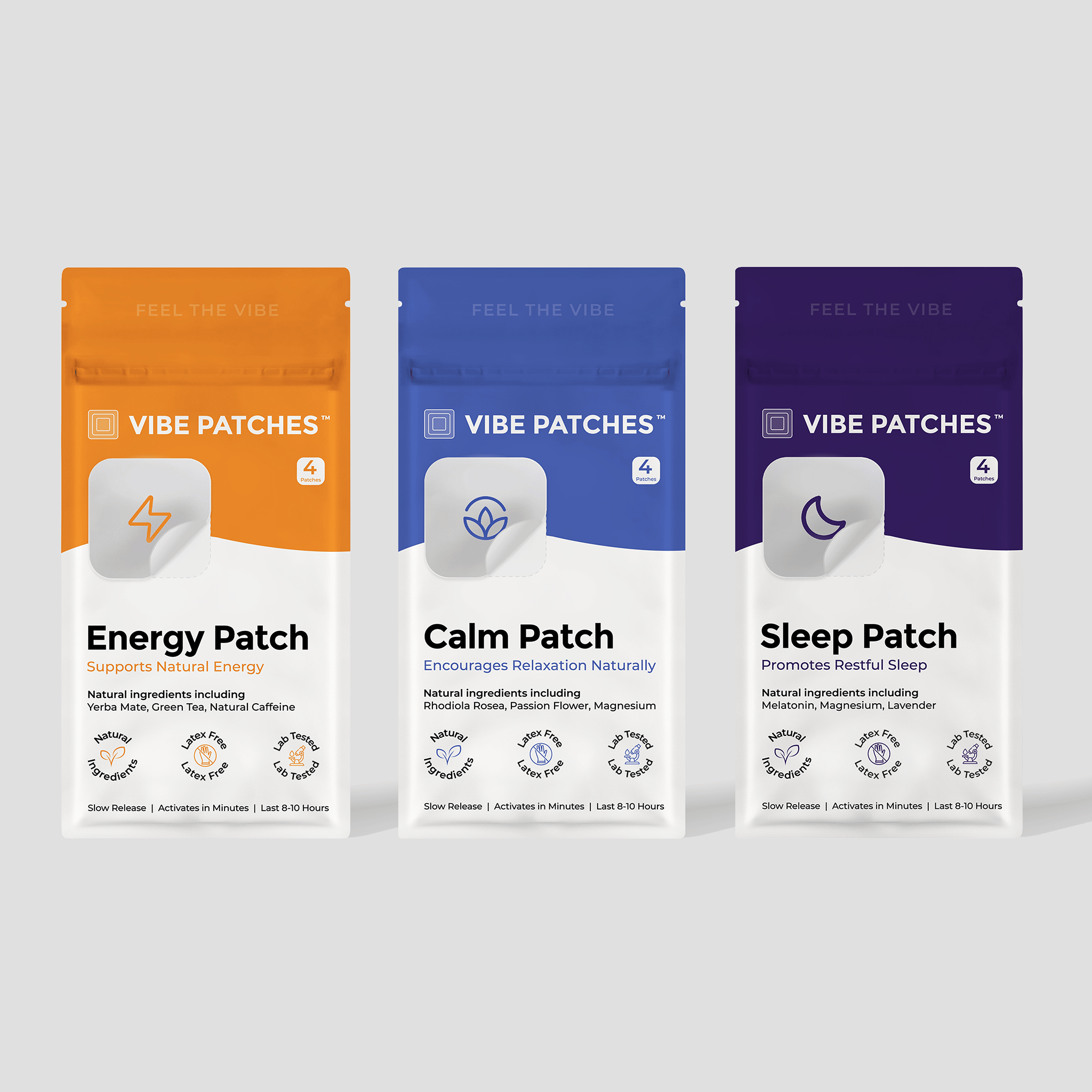
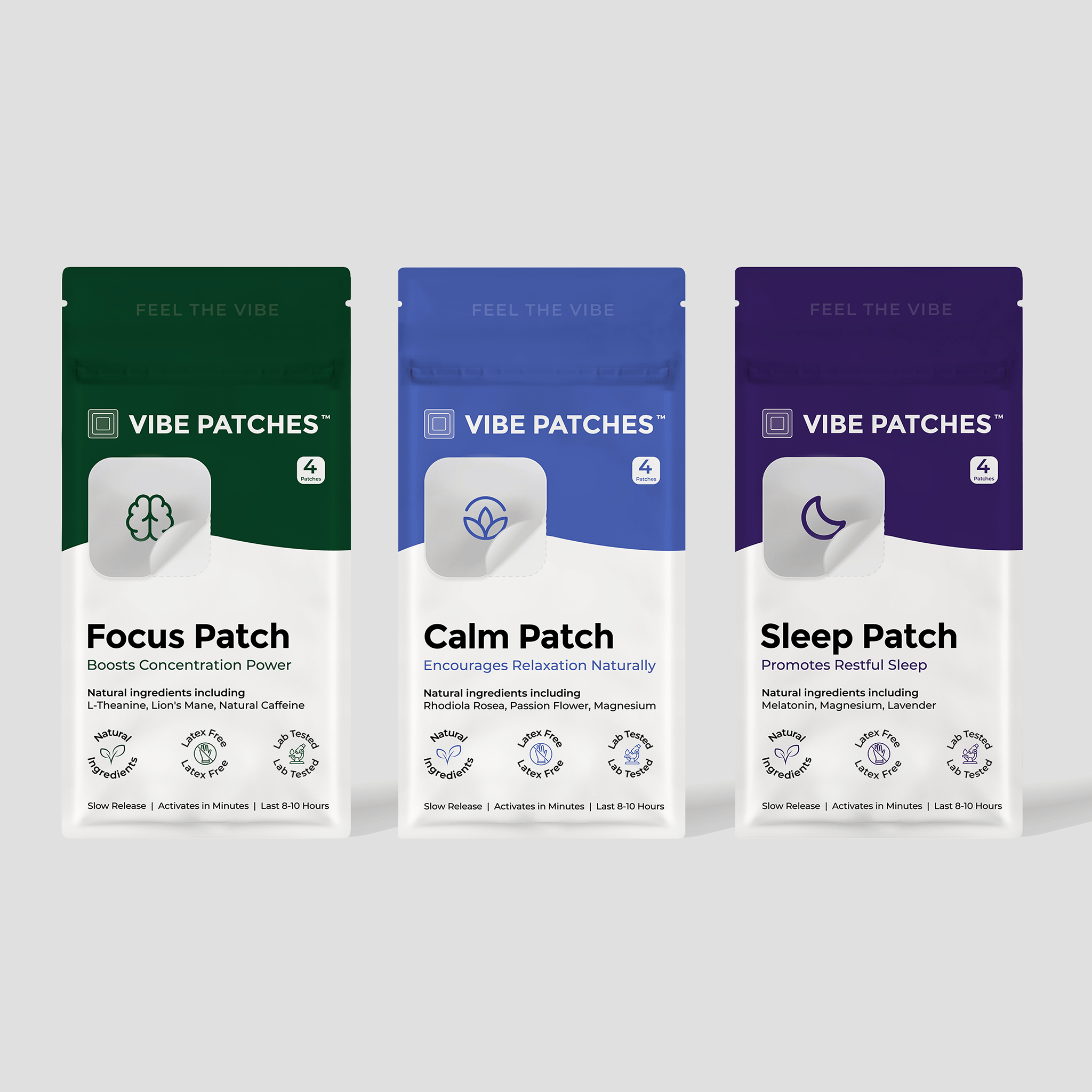
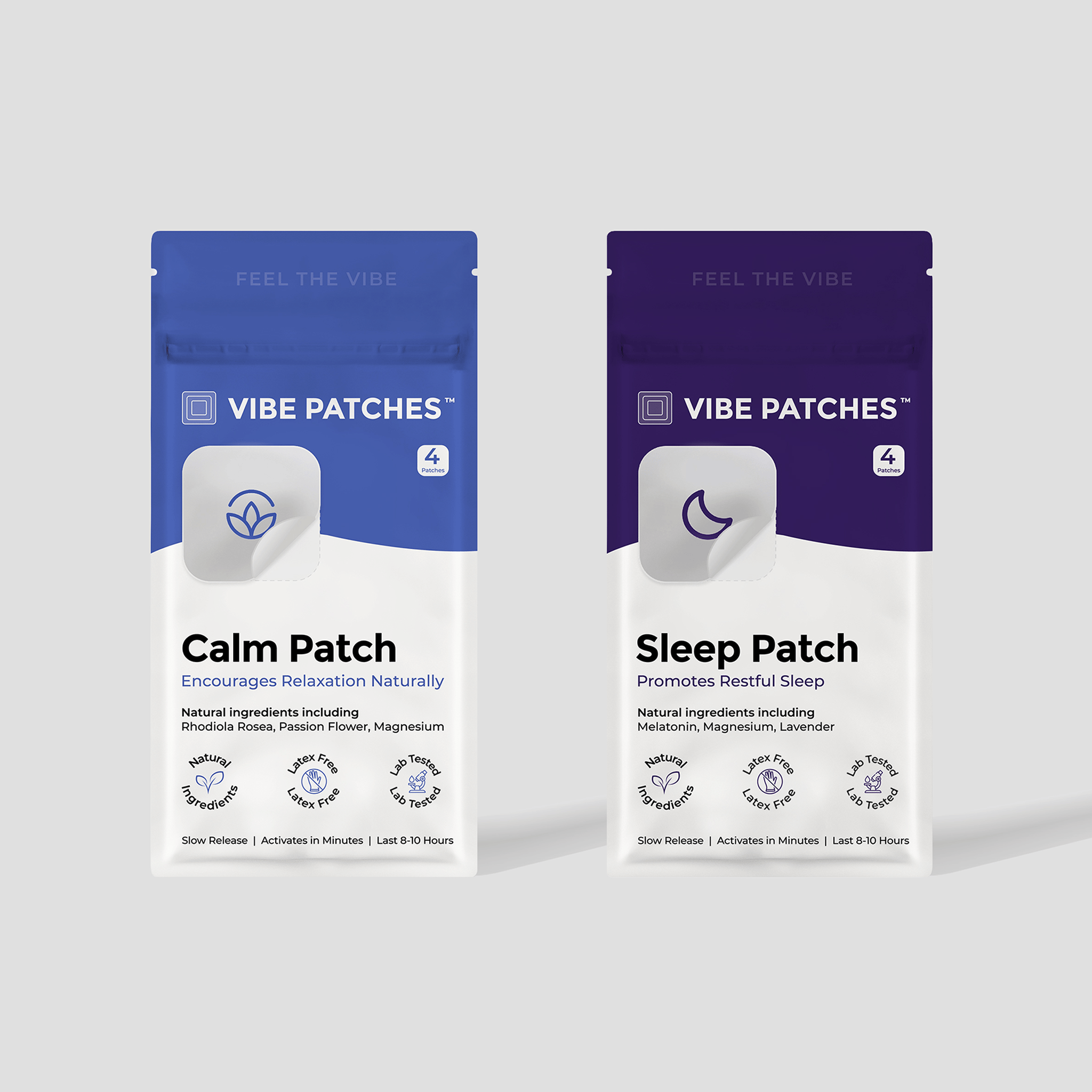
For nights when stress or a busy mind is getting in the way of quality sleep, the Sleep Patch from Vibe Patches delivers sleep-supporting nutrients gradually through the skin across the night, without the abrupt peaks that oral formats can cause.
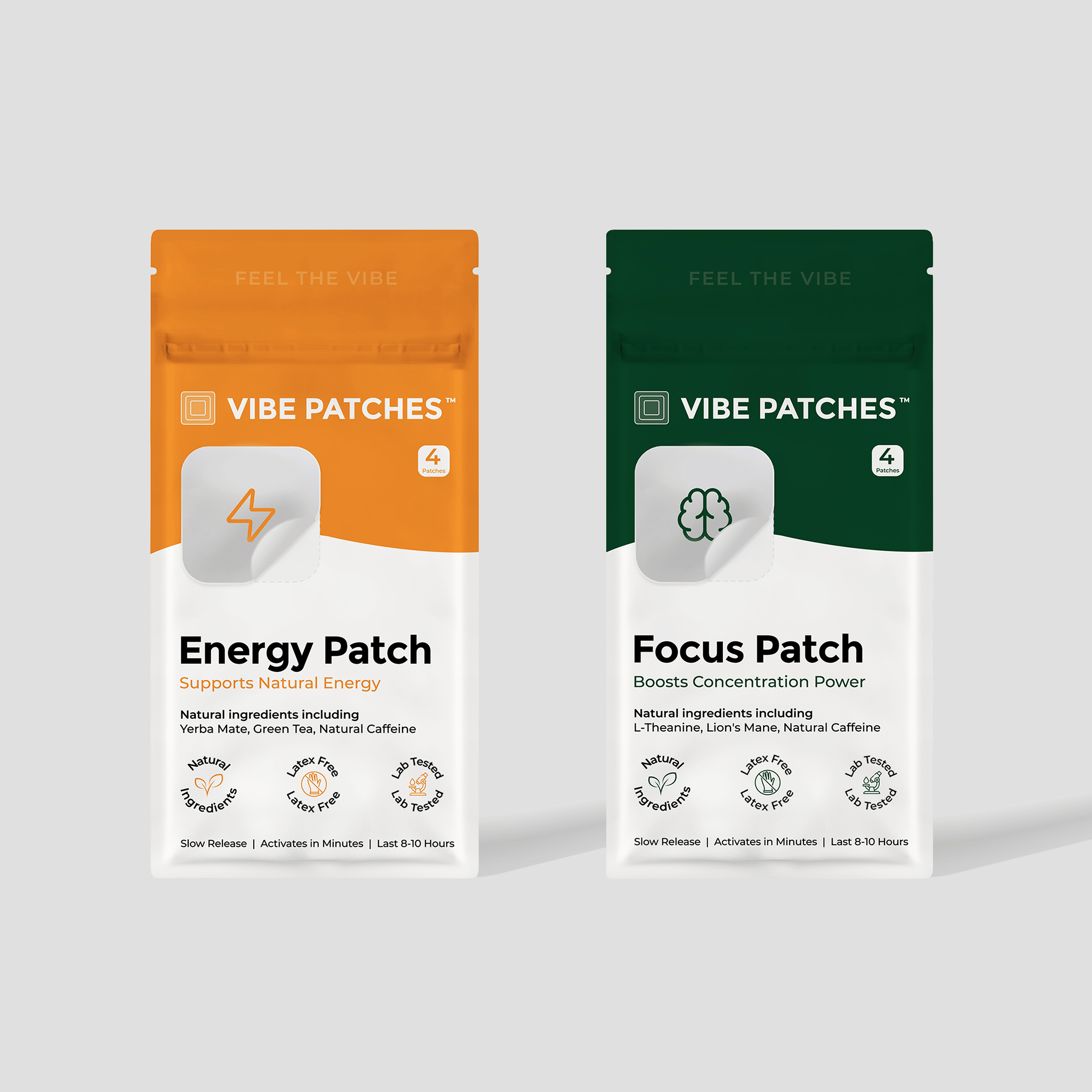
On days when poor sleep has left your focus and energy depleted, the Focus Patch from Vibe Patches provides steady cognitive support through transdermal delivery to help you stay productive without relying on excessive caffeine. And for days when energy is simply flat after a short night, the Energy Patch from Vibe Patches offers gradual, sustained energy through the skin with no crash.
If you want to support your sleep and your recovery more consistently, Vibe Patches uses transdermal technology to deliver key nutrients directly through your skin for steady, reliable support through the night and the day after. Browse the full range at the Vibe Patches collections page and find what your body actually needs right now.
Medical Disclaimer: This content is for informational purposes only and does not constitute medical advice. Always consult a healthcare provider for concerns about sleep disorders, chronic insomnia, or persistent sleep difficulties. If you experience excessive daytime sleepiness, difficulty functioning, or symptoms that interfere with daily life, seek professional medical advice promptly.
Sources:
National Institutes of Health - Sleep Stages and Physical Recovery
Sleep Foundation - Sleep Hygiene and Sleep Architecture