
Can you sleep with your eyes open? Yeah, it happens. Around 20% of people do this and most have no idea. The medical term is nocturnal lagophthalmos, but that's just a fancy way of saying your eyelids don't shut all the way at night.
You probably think everyone sleeps the same. Eyes closed, out cold, done deal. But some people drift off with their lids only halfway down. Others sleep with eyes completely exposed. Your partner's probably mentioned it, or maybe you've caught yourself on camera.
This isn't something to laugh off, though. Eyes need proper downtime to heal and recover. When they stay open during sleep, damage piles up fast. Dry eyes are just the beginning. Stick your head in the sand long enough, and you're looking at infections or permanent vision problems.
What's Happening When You Sleep With Your Eyes Open
Your eyelids aren't sealing shut during sleep. That's the basic issue here. Greeks noticed rabbits do this too, which is where the medical name comes from. Rabbits keep their eyes cracked open to spot predators.
Eyelids work overtime protecting your eyes. Every blink spreads moisture around and clears away junk. During the day, this happens constantly without you thinking about it. At night, sealed lids trap moisture inside. Your eyes finally get a break from the beating they take all day.
Some people barely crack their lids open. Others sleep with them halfway up. A few have eyes fully exposed all night long. The wider the gap, the rougher your mornings get.
How You Know Your Eyes Stay Open
Most people hear about it from someone else first. Your partner sees it and gets weirded out. Or your roommate walks past at 2 AM and nearly has a heart attack. But your body drops hints every morning.
Watch for these signs when you wake up:
-
Eyes feel gritty and dry, like you rubbed them with sandpaper
-
They look red and angry in the mirror
-
Vision stays blurry for way too long after waking
-
Normal light suddenly feels painfully bright
Kids sometimes do this during super deep sleep cycles. Most outgrow it as their face develops normally. Adults get it from accidents, health problems, or just genetic bad luck.
Tons of mild cases never get caught. People blame their scratchy eyes on pollen or binge-watching shows until 3 AM.
Why Can You Sleep With Your Eyes Open
Face shape plays a bigger role than most people realize. Shorter lids or slightly bulgy eyes make closing difficult. These features often pass down through families, so check with your relatives.
Nerve damage causes plenty of cases too. Your facial nerve runs all the tiny muscles that close your lids. Mess up that nerve and your lids lose power. Bell's palsy hits a lot of people this way. It paralyzes half your face temporarily, including one eyelid.
Health Problems Behind This
Some medical conditions practically hand you this problem on a silver platter. Here's what doctors see most often:
-
Thyroid disorders: Graves' disease shoves your eyeballs forward in their sockets. Your lids can't stretch far enough to cover them anymore.
-
Stroke effects: Brain damage weakens one side of your face completely. That eyelid stops closing as it should.
-
Botched cosmetic work: Overly tight eyelid lifts or bad Botox placement can wreck closure permanently.
-
Face trauma: Car wrecks or getting smashed in sports damages those delicate nerves and muscles.
-
Birth defects: Some babies are born with structural issues affecting how their lids form and function.
The American Academy of Ophthalmology lists nerve damage as a top cause. Those facial nerves are tiny and fragile as hell. Damage them, and normal lid function becomes nearly impossible.
Sleep Weirdness That Contributes
REM sleep behavior disorder leaves the eyes partially open sometimes. Your muscles should lock up during dream sleep. When that system breaks down, strange stuff happens. Eyes might not close all the way.
Sleepwalkers often have open eyes during their nighttime adventures. They look totally blank and spaced out. The brain's stuck halfway between sleeping and waking. Creates that creepy zombie vibe.
What Sleeping With Eyes Open Does to You
Your eyes get hammered when left exposed all night. Tears evaporate way faster than your body makes new ones. The cornea dries out, and tiny cracks start forming on the surface.
Dry eye syndrome shows up almost immediately. Your cornea needs steady moisture to work right. Without it, damage starts accumulating. Bacteria slip through those microscopic cracks like they own the place.
The National Health Institute warns that corneal damage stacks up quickly. Even tiny scratches create openings for infection. Your natural defenses can't do their job when everything's bone dry.
Immediate Problems You'll Notice
Morning irritation hits you first thing. Eyes burn and sting right when you open them. Regular daylight feels like staring into the sun. Even your dimmed phone screen hurts.
Blood vessels in your eyes puff up from all the inflammation. Your body's trying to fix overnight damage. All that extra blood flow makes your eyes look totally bloodshot.
You'll blink like crazy throughout the day without realizing. Your body's desperately trying to restore normal moisture. Happens automatically, no conscious thought involved.
Long-Term Damage That Builds Up
Ignore this long enough and you're facing permanent vision loss. Here's what happens without proper treatment:
-
Corneal ulcers: Your eye surface literally breaks apart from chronic dryness. These need emergency treatment or you lose vision.
-
Scar tissue: Repeated damage leaves permanent scars across your cornea. Vision stays cloudy and distorted forever.
-
Bad infections: Weakened eyes can't fight off bacteria worth a damn. Some infections wipe out vision completely.
-
Never-ending inflammation: Your cornea stays swollen and painful no matter what you do.
Corneal scars don't heal like regular cuts and scrapes. Once they form, you're stuck with vision problems. Treatment helps some, but things never look quite right again.
Getting Medical Help for Can You Sleep With Your Eyes Open
Willpower won't fix this. You can't control your lids while sleeping. The condition needs actual medical treatment, not better bedtime routines or meditation apps.
Doctors have solid treatment options based on severity. Mild cases respond to simple solutions. Severe cases need surgery to prevent lasting damage.
What Doctors Can Do for You
Eye specialists typically offer these treatments:
-
Moisture chamber masks: Special sleep masks trap humidity around your eyes overnight. Regular drugstore masks don't work the same.
-
Heavy-duty ointments: Prescription gels coat your eyeballs and last for hours. Way thicker than normal eye drops.
-
Eyelid weights: Surgeons stick small gold pieces in your upper lid. Gravity pulls it closed naturally while you sleep.
-
Lid stitching: Doctors sew part of your lids together. Cuts down how much eye surface stays exposed.
-
Facial reconstruction: Surgery rebuilds damaged structures and brings back normal function.
Johns Hopkins Medicine sees great results with surgical fixes. Sometimes gentler options just don't cut it. You need a permanent solution.
Stuff You Can Try at Home
Use these strategies while working toward real treatment. They won't cure anything, but they ease daily misery.
Run a humidifier in your bedroom every single night. More humidity slows down tear evaporation big time. The Mayo Clinic says aim for 30-50% humidity. Grab a hygrometer to track it properly.
Slap warm compresses on your eyes before bed. Heat kicks your eyelid oil glands into gear. They pump out natural lubricants that boost tear quality. Hold them there for five to ten minutes minimum.
Point any fans away from where you sleep. Even weak airflow speeds up moisture loss dramatically. Your exposed eyes dry out twice as fast with air blowing on them.


When You Need Professional Eyes on This
See a doctor when symptoms won't quit. One bad morning isn't a crisis. Daily problems mean actual damage is happening right now.
Book that appointment if you wake up with trashed eyes every day. Your body's screaming that something's wrong. Don't blame it on allergies or too much screen time.
Vision changes need attention immediately. Blurriness sticking around for hours after waking means corneal damage. Extra light sensitivity or seeing halos means the same thing. Don't mess around with this.
Tests Your Doctor Runs
Your eye exam includes specific diagnostic tests. Here's what usually happens:
-
Fluorescent dye: A Special dye lights up scratches and ulcers under blue light instantly.
-
Tear stability: Shows exactly how long your tears last before evaporating.
-
Moisture production: Paper strips measure how much natural moisture your eyes crank out.
-
Gap measurement: Precise measurements show the space between lids during fake sleep.
The American Optometric Association pushes for personalized diagnosis. Cookie-cutter treatments fail because everyone's different. Your specific problem dictates what actually works.
Dealing With This Every Day
Managing nocturnal lagophthalmos takes nightly commitment. Skip once, and you're back to square one. Most people get used to it within two weeks, though.
Eye care becomes second nature pretty quickly. Slapping on ointment or wearing a mask feels totally normal soon. Waking up comfortable makes the whole routine worthwhile.
Regular checkups track your healing progress. Treatment gets tweaked based on how you're doing. Catching new problems early stops major complications.
Daily Habits That Make a Difference
Drink more water steadily throughout your day. Hydration directly affects tear production and quality. Eight glasses cover basic needs. Bump it up during workouts or summer heat.
What you eat affects eye health surprisingly. Salmon and sardines pack omega-3 fatty acids. Flaxseeds and walnuts work if you skip seafood. Get these into your weekly rotation.
Fix Your Bedroom Setup
Room conditions make or break treatment success. Temperature and humidity need attention. Extreme dryness or heat cancels out everything else you're doing.
Blackout curtains improve overall sleep quality significantly. Better rest helps natural healing processes kick in. Just avoid ones that smoosh against your face.
Shift your bed away from heating or AC vents. Direct airflow constantly blasts your exposed eyes. Even small position changes protect vulnerable surfaces better overnight.
The Real Story on Sleeping With Eyes Open
Can you sleep with your eyes open? Absolutely, but pretending it's fine causes legit damage. Millions worldwide deal with nocturnal lagophthalmos nightly. Proper treatment stops permanent vision loss before it starts. Your eyes grind away every waking hour. Night protection matters just as much as daytime care. Catching this early makes treatment way more effective.
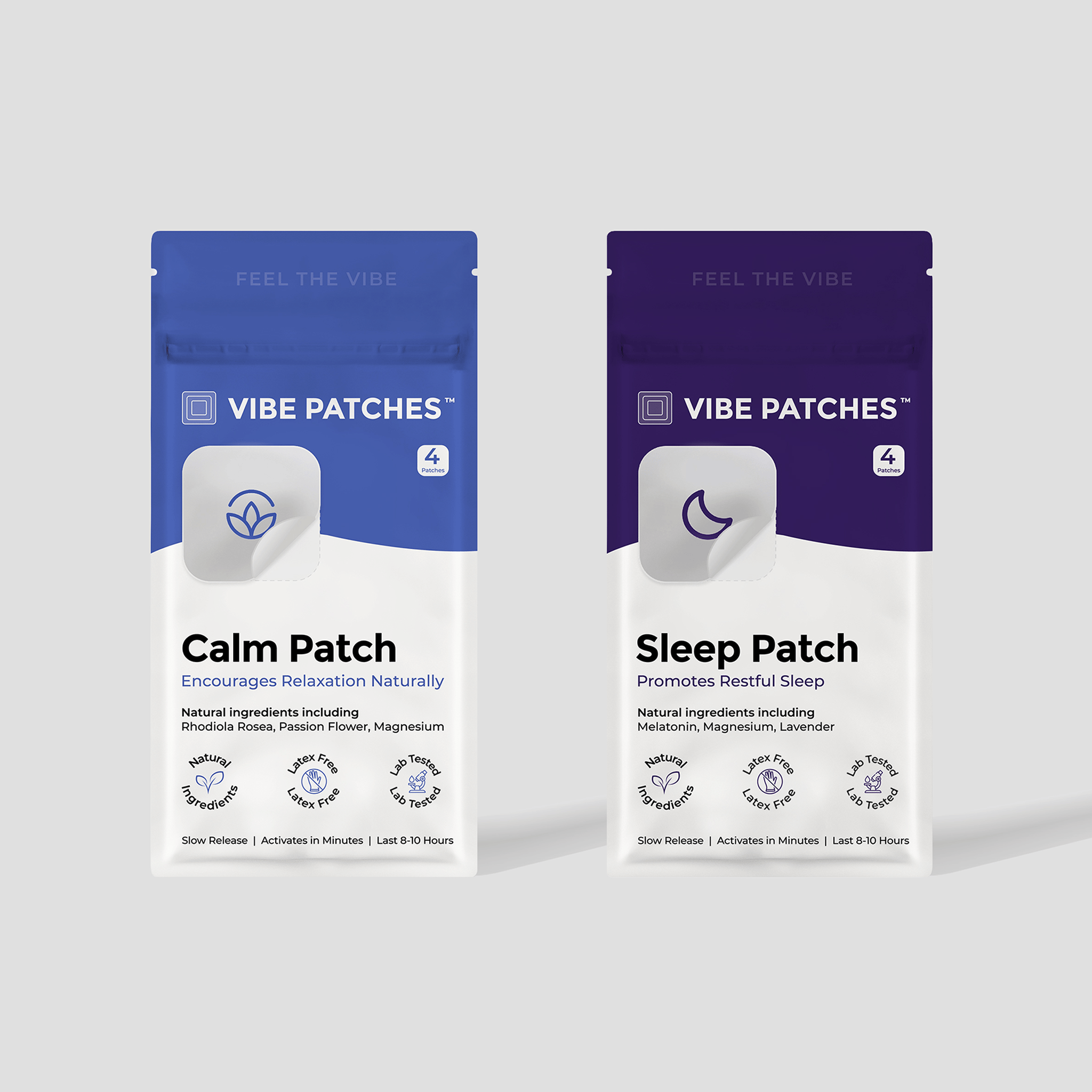
Current treatments handle every severity level successfully. Mild cases need simple moisture fixes. Severe cases benefit from surgery. Your eye doctor creates a plan specifically for your situation. While you're addressing eye protection, consider supporting your overall sleep quality too. The Sleep Patch works alongside medical treatments by promoting deeper, more restorative rest through natural ingredients. Better sleep quality means your body's natural healing processes work more efficiently, including tear production and eye tissue repair.
Skip the embarrassment about getting help. You only get one pair of eyes. Protecting vision beats everything else hands down. Pay attention to morning symptoms instead of ignoring them. Take action when something feels off. Whether that means scheduling an eye exam, trying moisture solutions, or adding sleep support like Vibe Patches to your nighttime routine, small steps create big results. Future you will be glad you didn't wait.
Sources:
- https://www.nei.nih.gov/eye-health-information/eye-conditions-and-diseases/corneal-conditions
- https://www.mayoclinic.org/diseases-conditions/dry-eyes/diagnosis-treatment/drc-20371869
- https://www.aoa.org/healthy-eyes/eye-and-vision-conditions/dry-eye