
Most people assume supplements only work when you swallow them. The idea that we can absorb vitamins through a patch challenges that assumption, and it's one the medical community has been studying for some time.
Transdermal delivery, where a substance passes through the skin and into the bloodstream, has a solid track record in medicine. Nicotine patches, hormone therapies, and pain relief patches all rely on it. Whether that same method translates meaningfully to vitamins depends on the specific nutrient, the patch formulation, and the individual's own biology.
What Is Transdermal Absorption and How Does It Work
The skin is the body's largest organ and it does far more than act as a physical barrier. Under the right conditions, it can absorb certain substances directly into the bloodstream. This is the core principle behind all transdermal delivery, including vitamin patches. The key is understanding what the skin allows through and what it doesn't.
The Stratum Corneum: The Main Gatekeeper
The outermost layer of the skin is called the stratum corneum. It acts as a selective filter, blocking most things from entering while allowing certain compounds through. Fat-soluble, small molecules tend to cross it with less resistance.
Water-soluble or larger compounds face a much harder time getting past this layer. This structural reality is what makes some vitamins natural candidates for patch delivery and others a poor fit.
What Affects How Well a Nutrient Gets Through
Several variables determine how much of a nutrient actually makes it through the skin. A few key factors consistently come up in the research:
-
Molecular size: smaller molecules pass the skin barrier with far less resistance
-
Lipid solubility: fat-soluble compounds have a natural structural advantage over water-soluble ones
-
Patch formulation: the carrier system embedded in the patch directly shapes delivery efficiency
-
Skin hydration: well-hydrated skin absorbs compounds more readily than dry or compromised skin
-
Application site: thinner-skin areas, like the inner wrist or upper arm, allow better uptake than thicker-skin zones
Can We Absorb Vitamins Through a Patch? What the Research Shows
Research into absorbing vitamins through a patch is more developed than most people realise. It's not fringe science. Some nutrients have shown measurable skin absorption in peer-reviewed studies, and interest in this delivery method continues to grow among researchers.
The Vitamins With the Strongest Evidence
Vitamin B12 gets the most consistent research attention for transdermal delivery. It's particularly relevant for people whose digestive systems don't absorb B12 efficiently, a common issue in older adults, people with pernicious anaemia, or those with low stomach acid. A study on PubMed confirmed measurable transdermal B12 uptake in clinical testing. Vitamin D is another strong candidate.
Its fat-soluble nature and relatively small molecular size make it more capable of crossing the skin barrier than most vitamins. Some research also supports limited magnesium absorption through the skin, though results across studies are inconsistent. The NIH notes that lipid solubility remains one of the strongest predictors of whether a compound crosses the skin effectively.
Where the Evidence Is Still Catching Up
Water-soluble vitamins face a steeper challenge. Vitamin C, for example, doesn't cross the skin barrier easily without highly specialised formulation work. The molecular structure simply isn't suited to passive transdermal delivery. Evidence for zinc and several other minerals is similarly limited.
Researchers are actively developing improved delivery systems to address these gaps, but large-scale clinical trials for these nutrients haven't yet produced consistent findings. So when people ask whether we can absorb vitamins through a patch at a level that matches oral or injected supplements, the honest answer is: it depends on which vitamin.
Which Vitamins Absorb Best Through a Patch
Not every vitamin belongs in a patch. Some are naturally better suited to transdermal delivery based on their structure and what the research currently supports. These nutrients have the most consistent backing:
-
Vitamin B12: one of the most frequently studied for skin delivery, especially for those with digestive absorption issues
-
Vitamin D: fat-soluble structure gives it a practical advantage in transdermal formulations
-
Magnesium: some peer-reviewed studies support skin uptake, though evidence remains mixed across trials
-
Melatonin: well-documented in transdermal form and widely used in sleep support patches
-
Caffeine and select herbal extracts: high lipid solubility makes these well-suited to skin-based delivery
These represent the current sweet spot in research supporting absorbing vitamins through a patch. Other nutrients may follow as formulation science advances.
What Happens When the Digestive System Is Taken Out of the Equation
This is where transdermal delivery becomes genuinely interesting. When you swallow a supplement, it travels through the stomach, gets broken down by digestive enzymes and stomach acid, then moves through the small intestine before anything enters the bloodstream. Each step in that process reduces how much of the original dose your body actually uses. Gut health, medication interactions, and conditions like low stomach acid all compound the loss further.
A patch bypasses all of that. The nutrient passes through the skin directly into the bloodstream without going near the digestive system. That means a lower total dose can still deliver a meaningful amount. It also means people with compromised gut health, those on medications that affect absorption, or people who've had gastrointestinal surgery may find patches more effective than oral supplements for certain nutrients.
Why Some People Find Patches More Practical Than Pills
Oral supplements work well for plenty of people, and that's worth acknowledging. But patches offer a different experience that suits some people's routines better. The release is gradual rather than all at once, which avoids the sharp spike and drop some people notice after taking a high-dose capsule or drink. Here are a few practical reasons people make the switch:
-
They skip absorption issues tied to gut health or digestive conditions
-
They provide a steady, gradual nutrient release over several hours
-
They're easy to use without needing food, water, or precise timing around meals
-
They remove the need to manage and remember multiple individual supplements through the day
-
They're a reasonable option for people who have difficulty swallowing capsules or tablets
The practicality isn't about replacing healthy habits. Patches work alongside them.
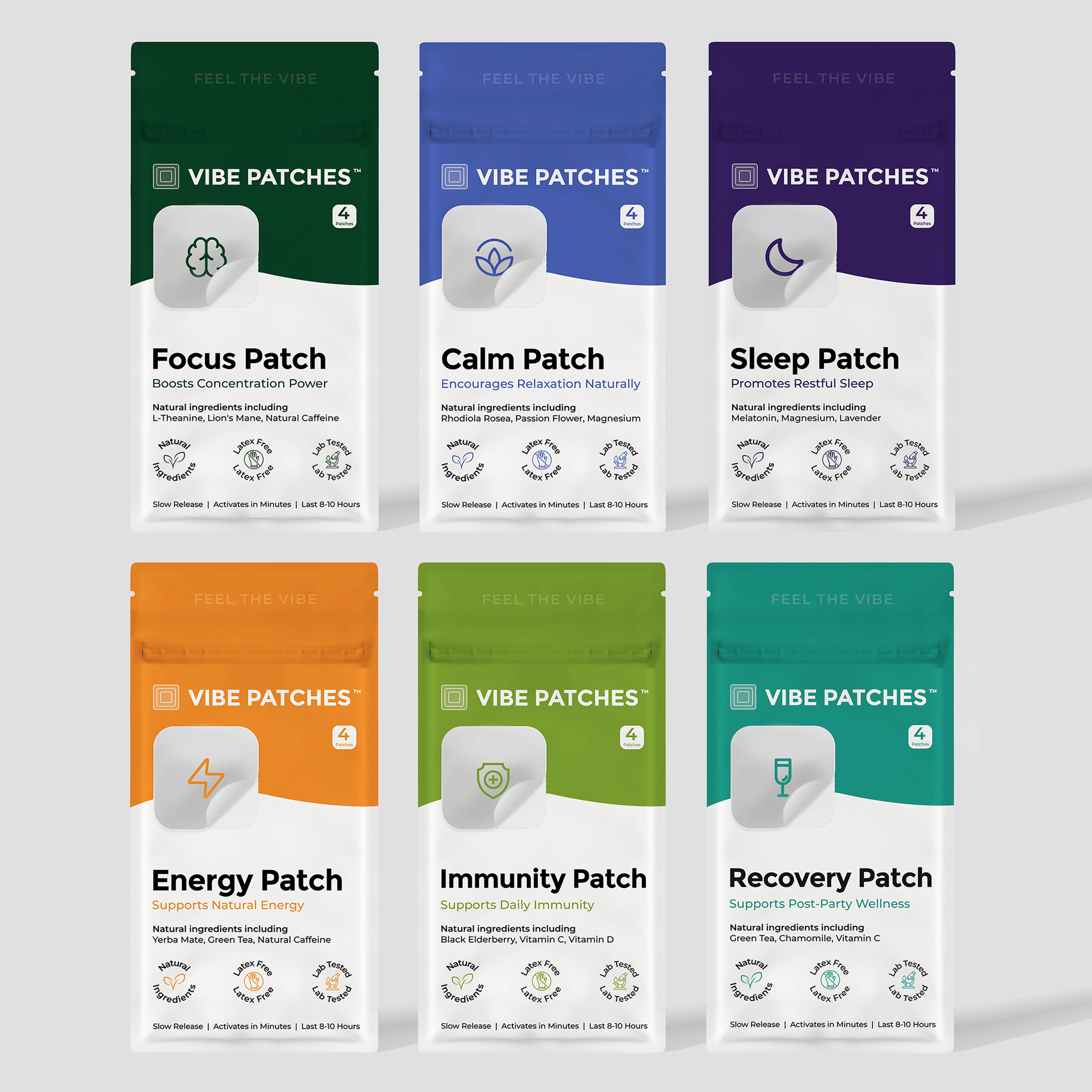
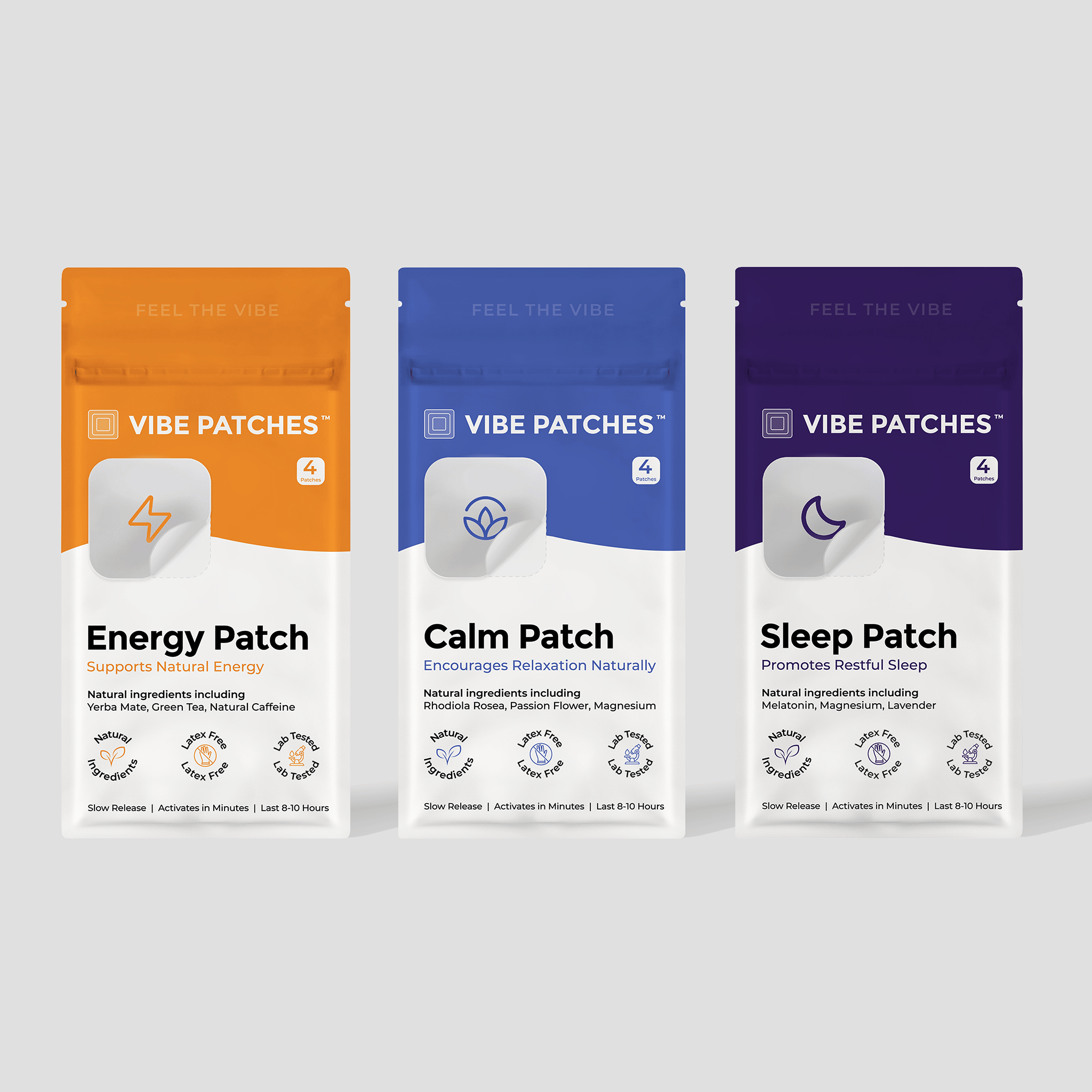
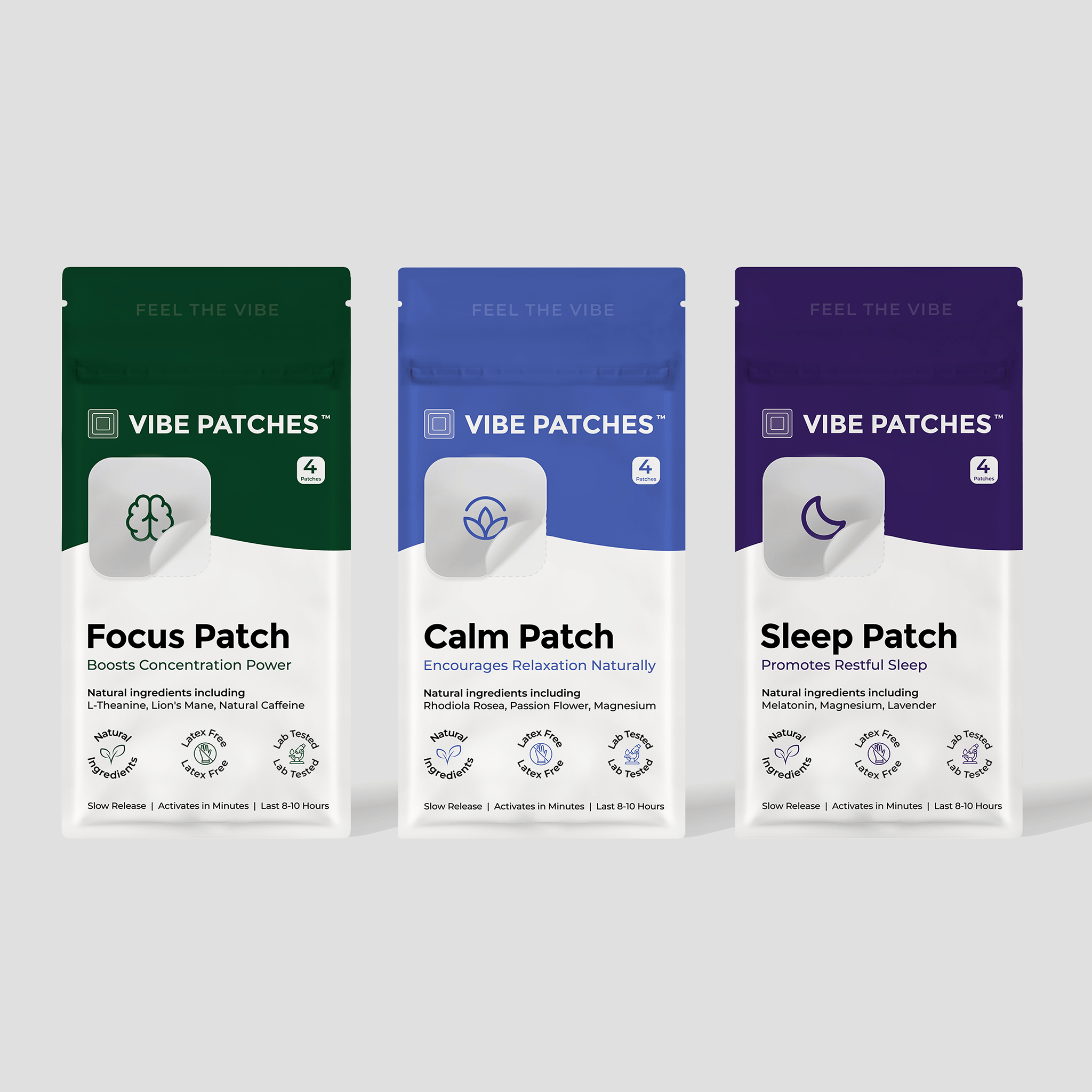
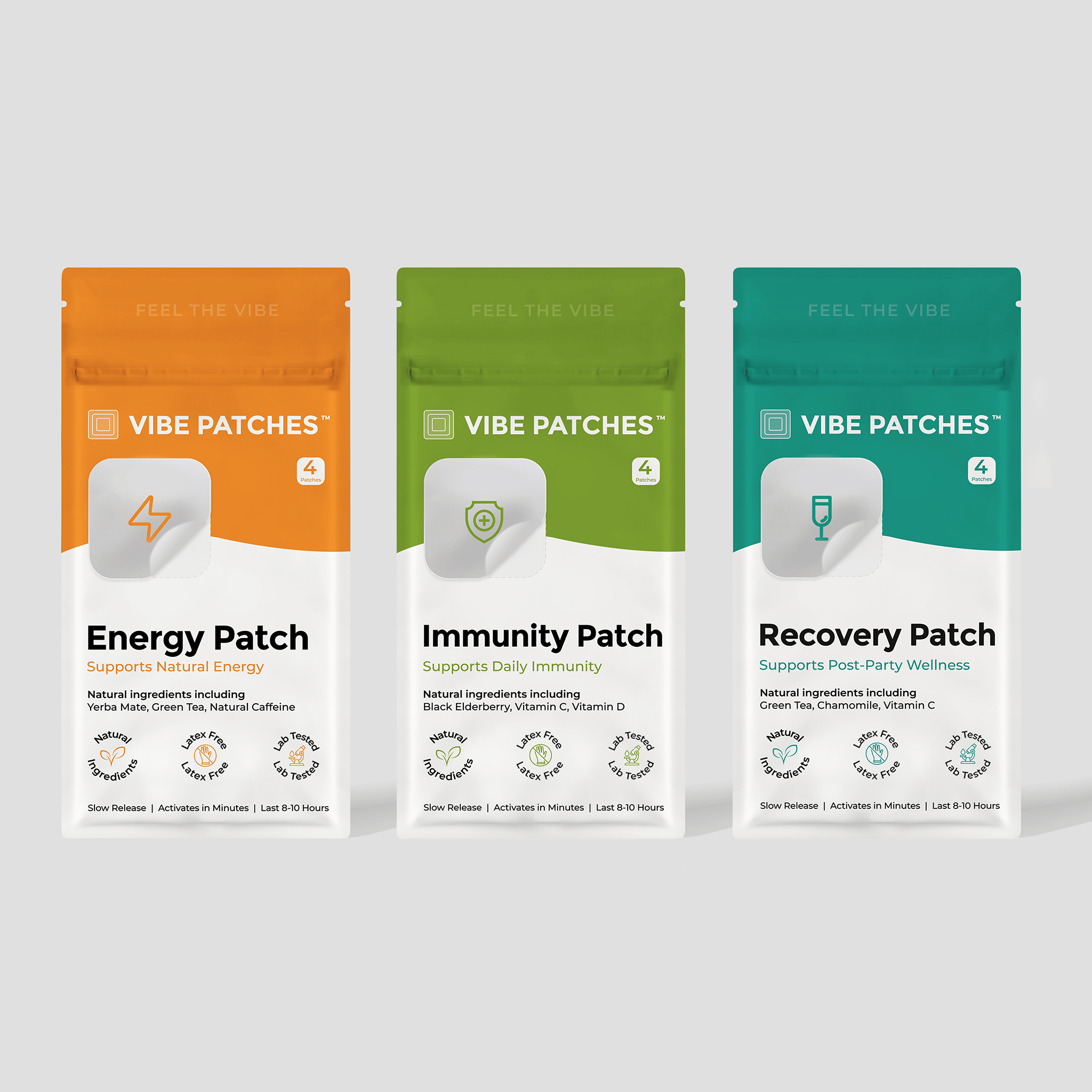
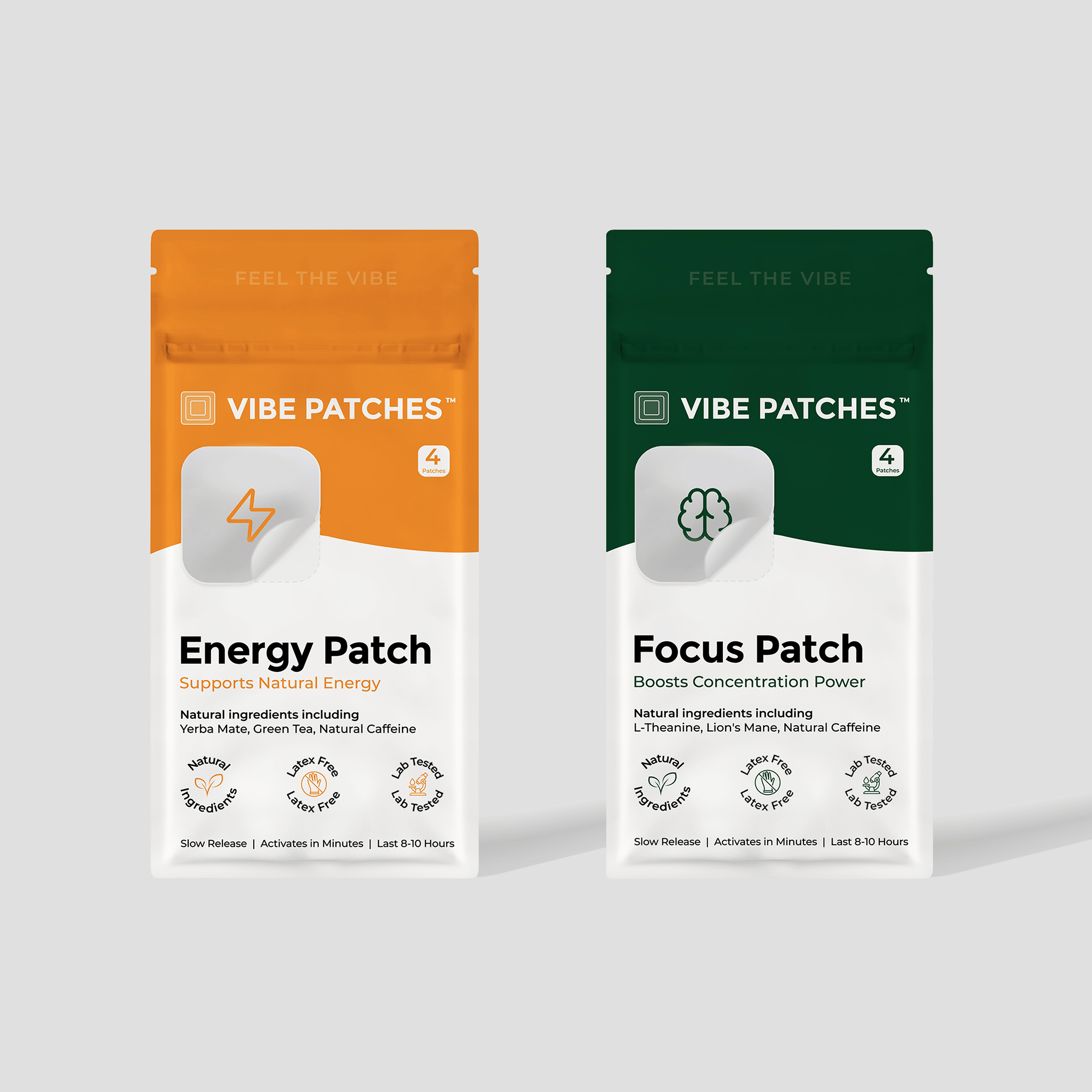
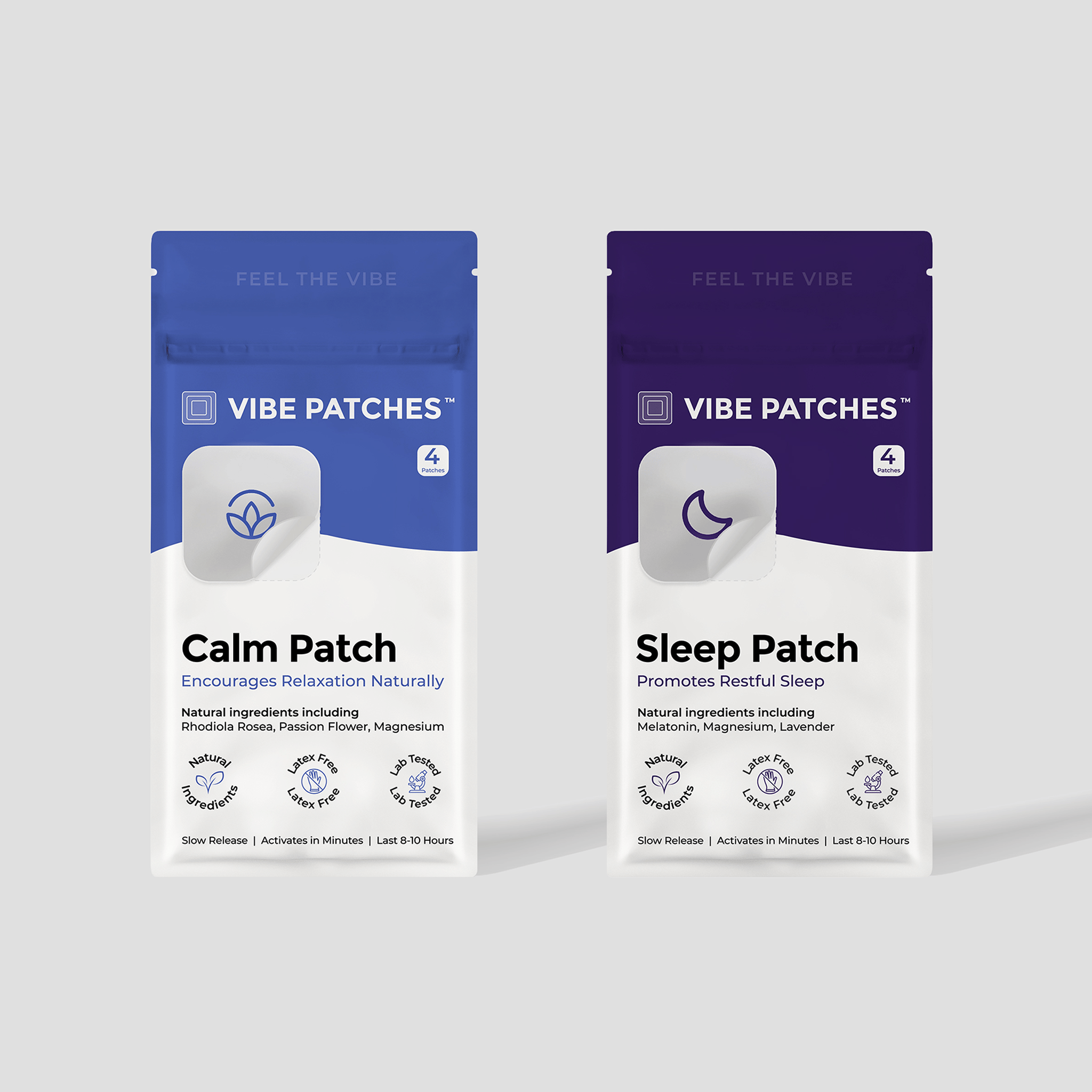
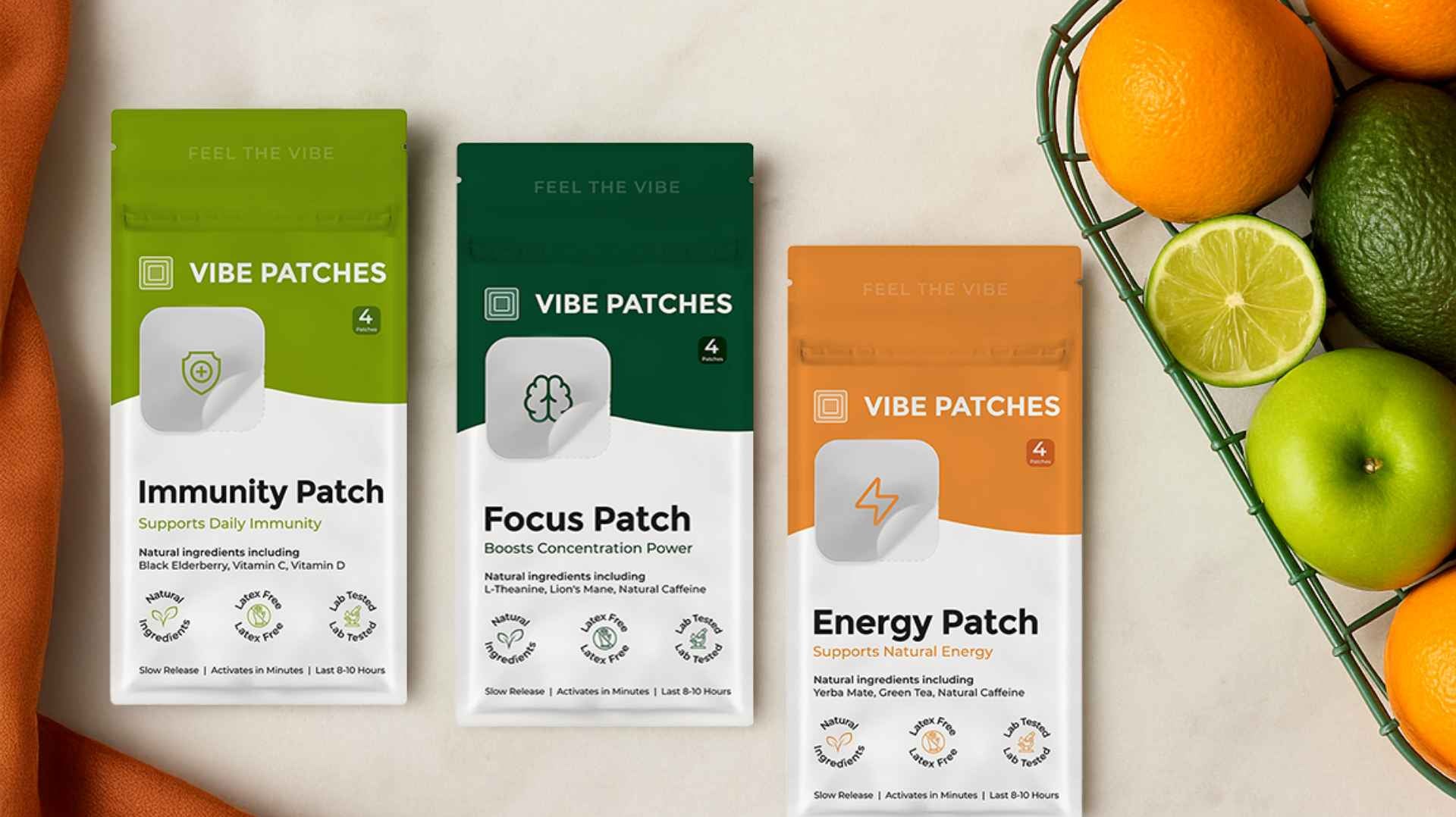
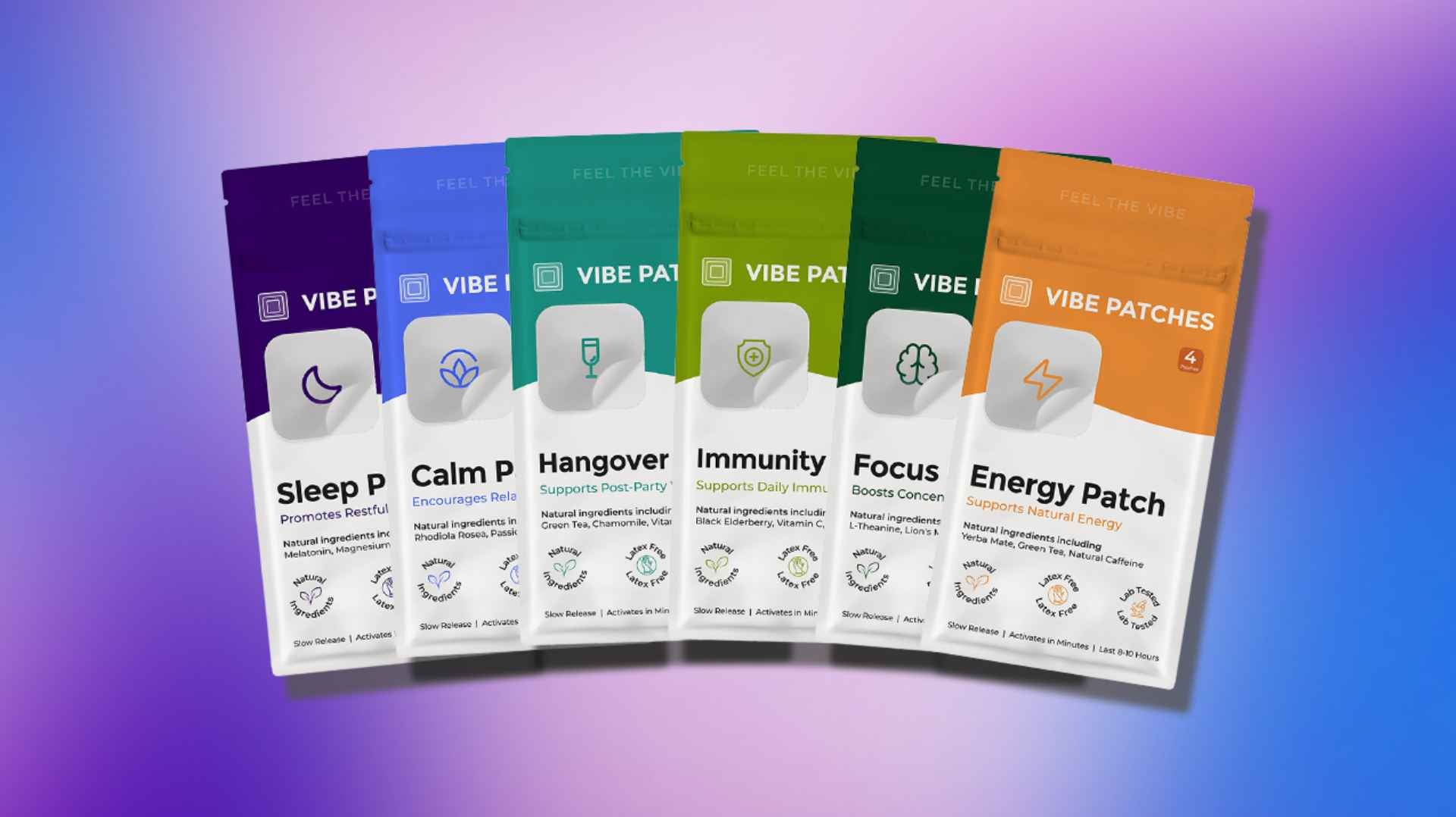
Vibe Patches is built around transdermal delivery for everyday wellness needs. The Energy Patch and Focus Patch support output and mental clarity through the day without the crashes that follow drinks or high-dose capsules. The Sleep Patch supports a natural wind-down at night, and the Hangover Patch helps the body bounce back when it needs it most. Browse the full range at Vibe Patches and find what fits your routine.
Medical Disclaimer: This content is for informational purposes only and does not constitute medical advice. Always consult a healthcare provider before starting any supplement routine, including transdermal patches. If you have skin conditions, allergies, or take prescription medications, speak with a healthcare professional first. Stop use and seek medical attention if you experience any adverse reactions.
Sources:
NIH National Library of Medicine - Transdermal Drug Delivery Systems
PubMed - Vitamin B12 Transdermal Delivery
Cleveland Clinic - Vitamins and Supplements: What You Should Know